
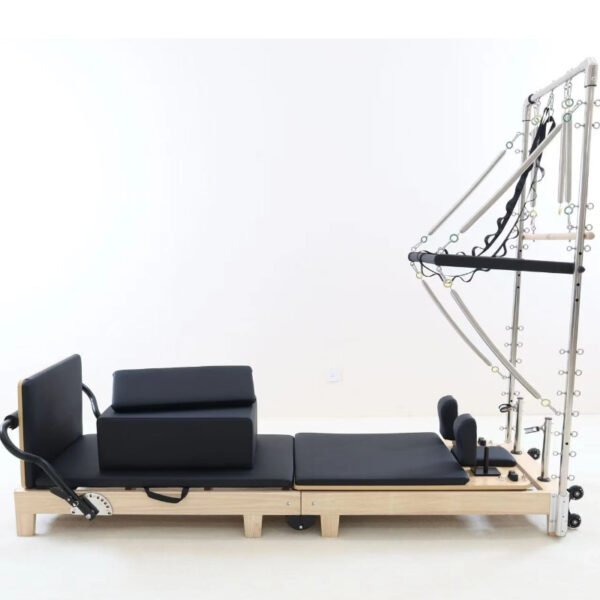
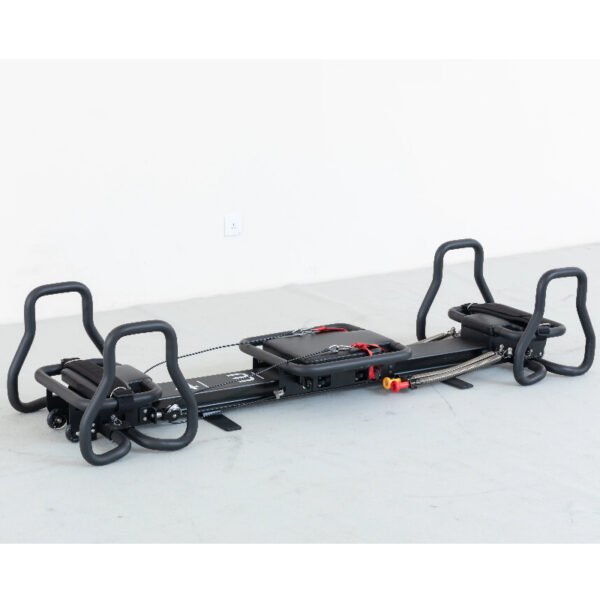






Pilates combines mindful movement, core engagement, and flexibility training, standing out as a low-impact yet results-driven workout. Though not a high-calorie-burning powerhouse like HIIT or running, its muscle-building perks boost long-term metabolism. This guide breaks down average calorie burn, key influencing factors, style variations—including pilates reformer with tower—and its role in weight loss, all within a concise framework.
How Many Calories Does Pilates Burn on Average?
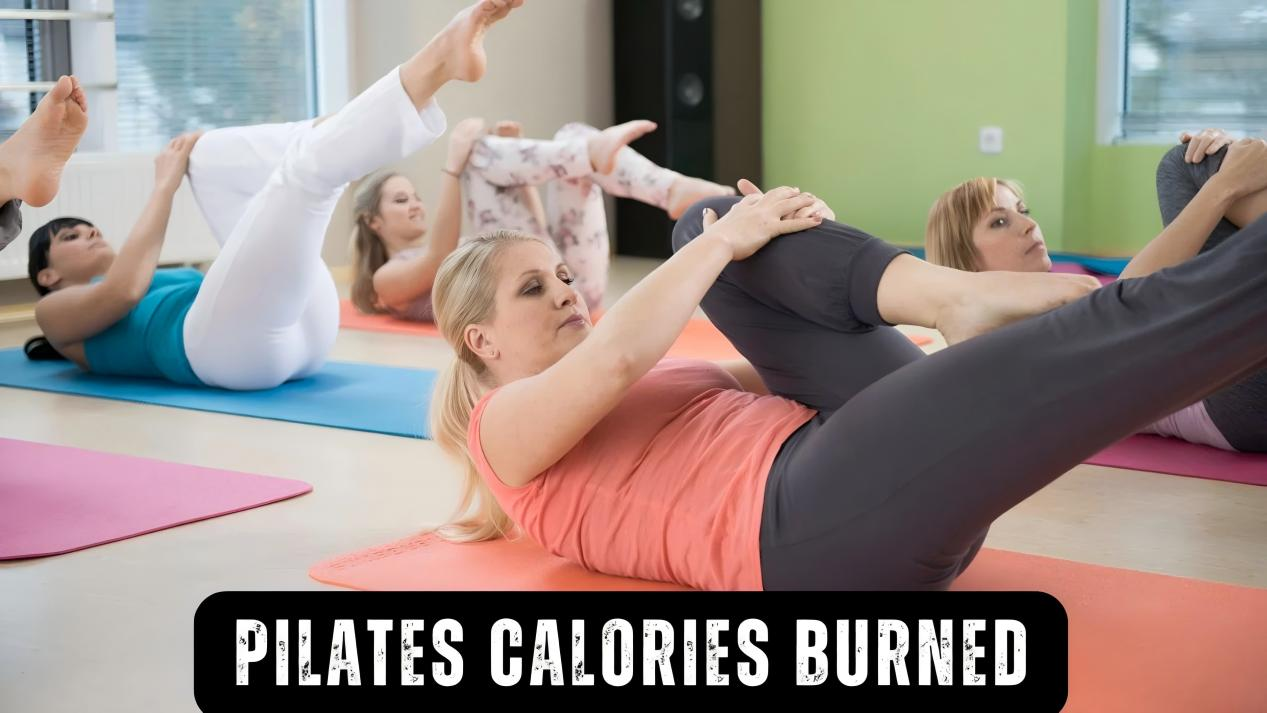
On average, a 60-minute Pilates session burns 150–300 calories for adults. A 155lb (70kg) person burns ~210 calories/hour in standard mat Pilates; 185lb (84kg) burns ~250, and 125lb (57kg) burns ~170. For 30 minutes, this drops to 75–150 calories, with moderate intensity leaning higher. While immediate burn lags behind cardio, Pilates builds lean muscle—muscle burns more calories at rest than fat, elevating resting metabolic rate. This “after burn” extends calorie loss post-workout. Dynamic or equipment-aided styles, like reformer or pilates with tower, push burn to 300+ calories/hour, making intensity and gear key variables for immediate expenditure.
What Factors Affect How Many Calories Pilates Burns?
Body weight and muscle mass are primary drivers: heavier individuals burn more due to gravity resistance, while more muscle boosts metabolic rate during movement. A 200lb person burns nearly twice as much as a 100lb person in the same session. Workout intensity matters too—slow, controlled mat Pilates burns less than fast-paced, dynamic routines. Instructor-led classes with minimal rest outperform self-paced sessions. Experience level plays a role: beginners use more energy stabilizing, while pros move efficiently but can amp intensity. Rest intervals impact burn—shorter breaks keep heart rate elevated. Form is critical: proper engagement (core, glutes) increases muscle activation, enhancing burn and results. Equipment use, such as reformers or towers, adds resistance, further boosting calorie expenditure.
How Many Calories Does Different Types of Pilates Burn?
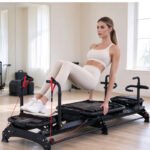
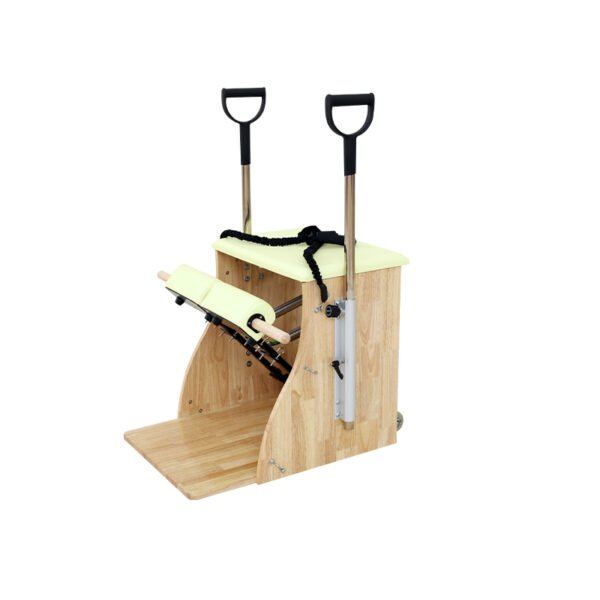
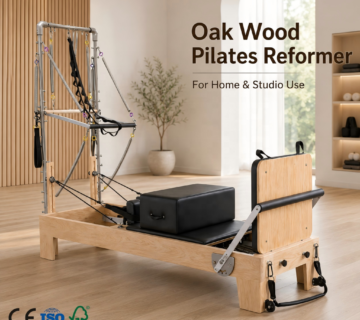
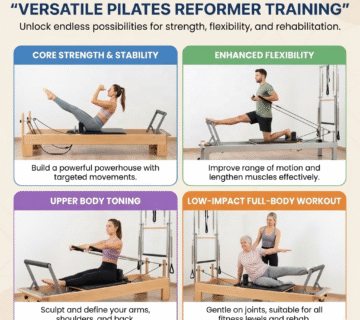
Mat Pilates, body weight-based, burns 150–250 calories/hour for average-weight individuals, ideal for beginners. Reformer Pilates, using a spring-loaded machine, burns 250–400 calories/hour—springs add resistance, engaging more muscles and raising heart rate. Pilates with tower, which uses a vertical tower for resistance bands and bars, falls in the 220–350 calories/hour range, blending mat-like control with equipment-aided intensity, perfect for toning and moderate calorie burn. Dynamic Pilates (e.g., Power Pilates) burns 300–450 calories/hour, merging speed with traditional poses. Clinical Pilates, for rehab, burns 120–200 calories/hour, while chair Pilates, for seniors, burns 130–220. pilates reformer with tower strikes a balance between mat and reformer, offering accessible resistance without the reformer’s bulk, making it a popular middle ground for calorie burn and versatility.
Is Pilates Good for Weight Loss Compared to Other Workouts?
Pilates is less effective for rapid weight loss than high-intensity cardio (running burns 400–600 calories/hour, HIIT 400–700). But it complements long-term loss: muscle gain boosts metabolism, preventing fat regain. Unlike cardio, which may break down muscle with over training, Pilates preserves and builds lean mass. For sustainable results, pair Pilates (including reformer or pilates reformer with tower) with moderate cardio and a balanced diet. It’s ideal for those with joint issues seeking low-impact options to tone while losing weight. Compared to strength training, Pilates is lower in calorie burn but higher in flexibility and core focus, making it a versatile addition to weight loss routines.
How Can You Burn More Calories During a Pilates Workout?
To boost burn, choose reformer, pilates with tower, or dynamic styles over mat sessions. Reduce rest intervals to 10–15 seconds between exercises to keep heart rate up. Add 1–3lb weights to upper/lower body moves for extra resistance. Focus on full muscle engagement—squeeze core, glutes, and legs throughout to activate more fibers. Opt for faster-paced routines, but maintain form to avoid injury. Extend sessions to 45–60 minutes, or add a 10-minute warm-up (e.g., jumping jacks) to elevate heart rate pre-Pilates. Consistency builds muscle, increasing long-term calorie burn even outside workouts, regardless of the style you choose.
Conclusion
Pilates’ calorie burn (150–450 calories/hour) varies by style, intensity, and body type. While not top-tier for rapid cardio loss, its muscle-building benefits and low-impact nature make it sustainable. pilates reformer with tower, reformer, and dynamic styles enhance burn, pairing well with diet and cardio for optimal weight management.
FAQs
How many calories does Pilates burn in 30 minutes?
Most burn 75–150 calories: mat Pilates ~75–100, pilates with tower ~110–175, reformer Pilates ~125–200, and dynamic styles ~150–225, depending on weight and intensity.
Does Reformer Pilates burn more calories than Mat Pilates?
Yes. Reformer’s spring resistance engages more muscles and elevates heart rate, burning 250–400 calories/hour vs. mat’s 150–250. Pilates with tower falls in between, offering more burn than mat but slightly less than reformer.


No comment