






In the world of low-impact, high-intensity workouts, two names often come up: Pilates and Lagree Fitness. While they may look similar to the untrained eye-both emphasizing controlled movements, core engagement, and mind-body connection-they are fundamentally different in philosophy, execution, and outcome. Whether you’re looking to build strength, improve posture, rehabilitate an injury, or simply try something new, understanding these differences is key to choosing the right practice for your body and goals. In this guide, we break down everything you need to know—and explain how CoreFlow, your trusted source for premium Pilates and Lagree equipment, supports both paths to wellness.
What Is Pilates and How Does It Work?
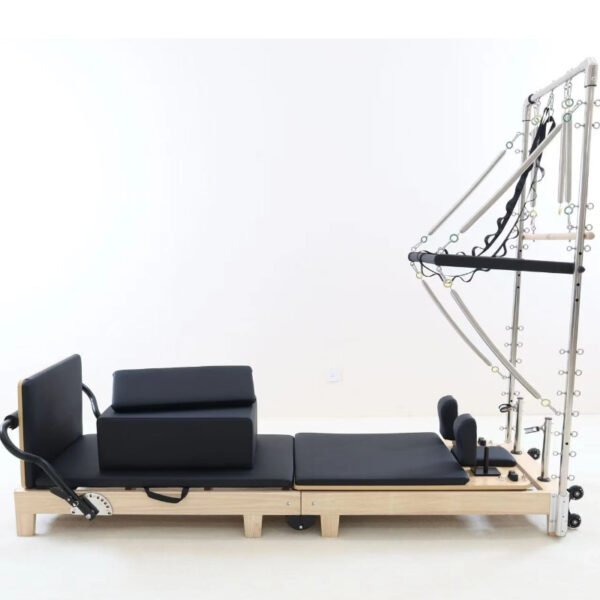
Developed by Joseph Pilates in the early 20th century, Pilates is a holistic exercise system designed to strengthen the body, improve flexibility, and enhance mental awareness through precise, flowing movements. The practice focuses on the “powerhouse”—the deep muscles of the abdomen, back, and pelvis—to create stability and alignment. Traditional Pilates can be performed on a mat or using specialized apparatus like the Pilates Reformer, a sliding carriage system that uses springs for resistance. A typical Pilates session emphasizes control, breath, and alignment, often at a moderate pace, making it accessible for all fitness levels, from rehabilitation patients to professional athletes. The goal is not just physical strength, but balanced, graceful movement in everyday life.
-
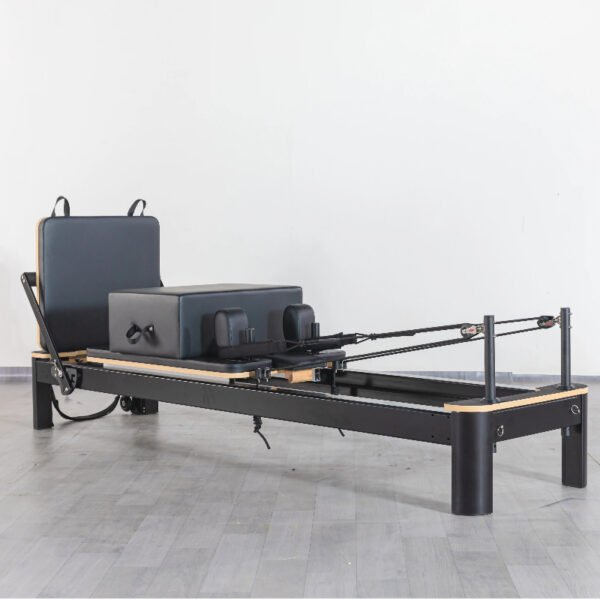
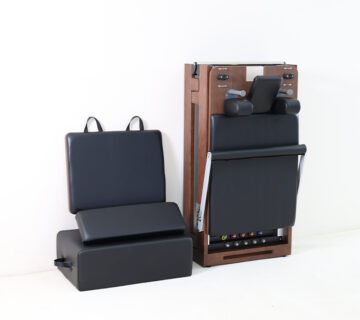
Y04 Aluminum Pilates Reformer Machine | Pilates Reformer Wholesale
-
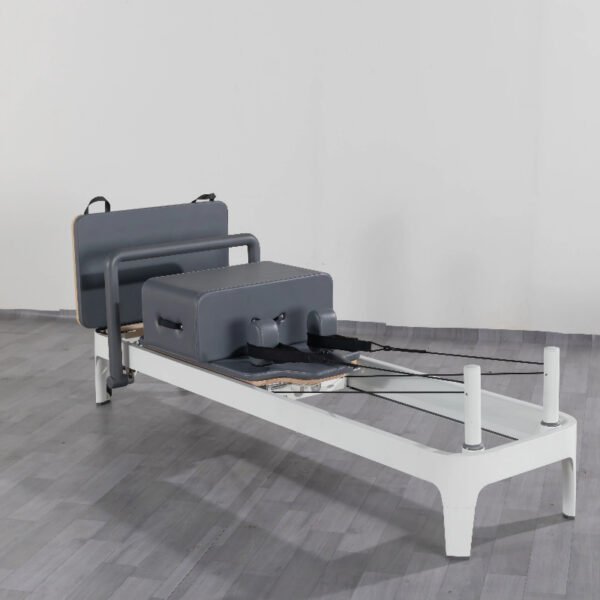
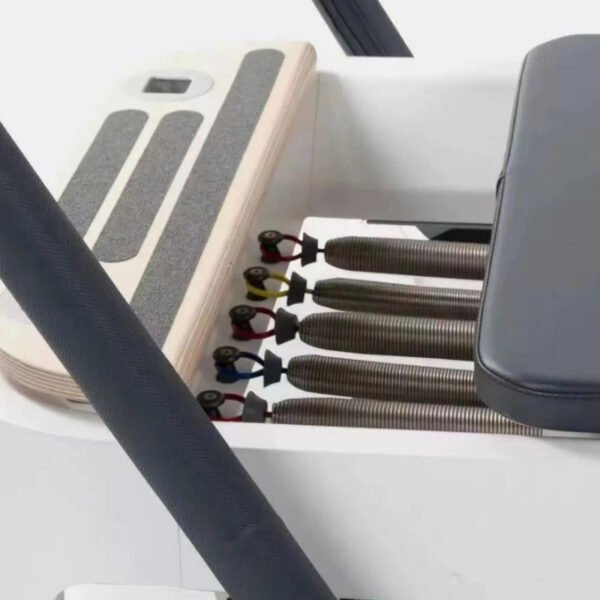
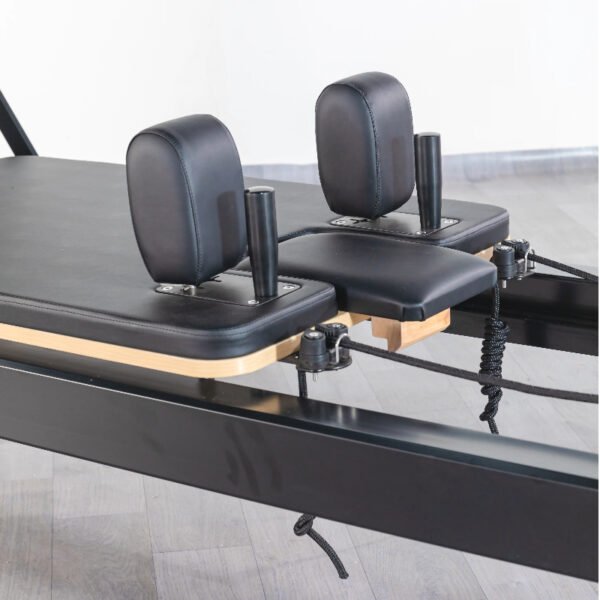
Y01-01 Aluminum Alloy Full Track Pilates Reformer
What Is Lagree Fitness and How Is It Different From Pilates?
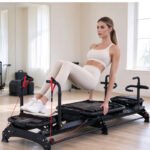
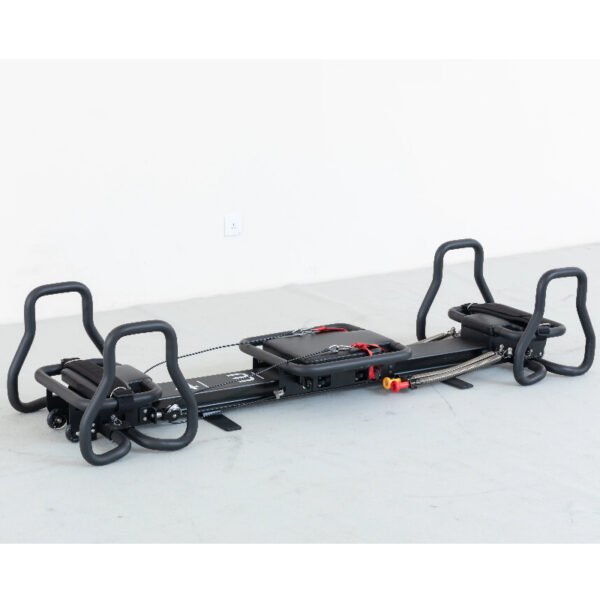
Created by Sebastien Lagree in the early 2000s, Lagree Fitness is often described as “Pilates on steroids”—though it’s a distinct method in its own right. It uses a machine called the Megaformer (an evolved, more robust version of the Pilates Reformer) to perform high-intensity, low-impact sequences that combine strength, endurance, and cardio. Unlike Pilates, which often includes moments of release and stretch, Lagree keeps muscles under constant tension through slow, controlled motions and minimal rest. The focus is less on flexibility and more on muscle fatigue and metabolic burn. While Pilates aims for harmony and elongation, Lagree is designed to challenge the body to its limits, often resulting in a demanding, sweat-drenched workout that pushes both strength and stamina.
-
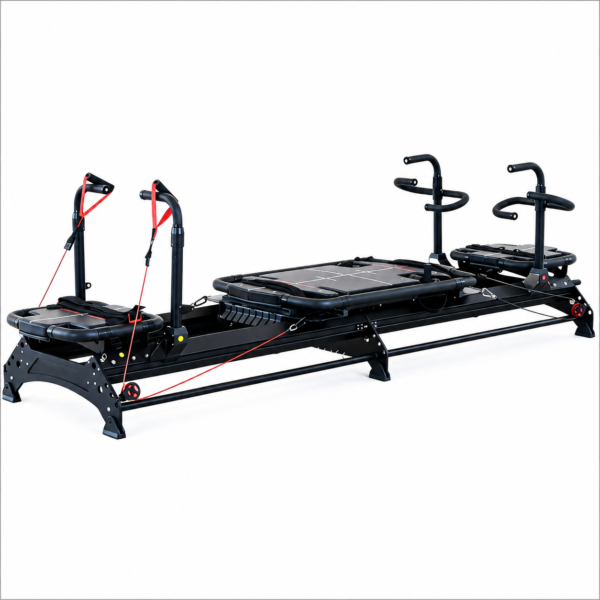
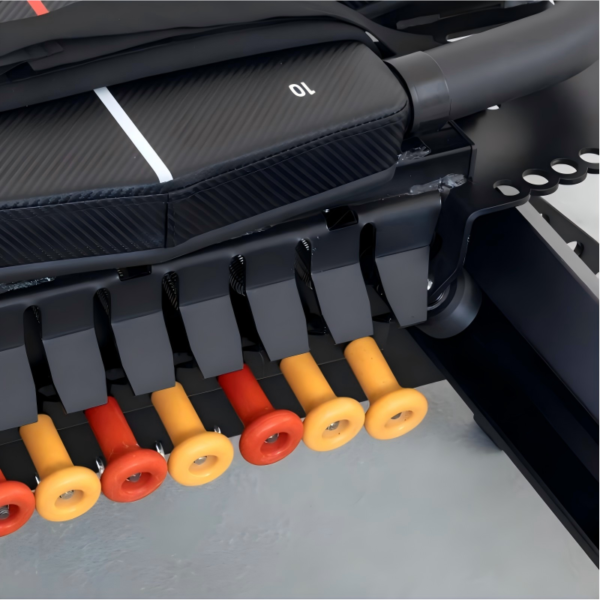
Megaformer M3K: The Unbeatable Powerhouse for Transformative High-Intensity Pilates
-
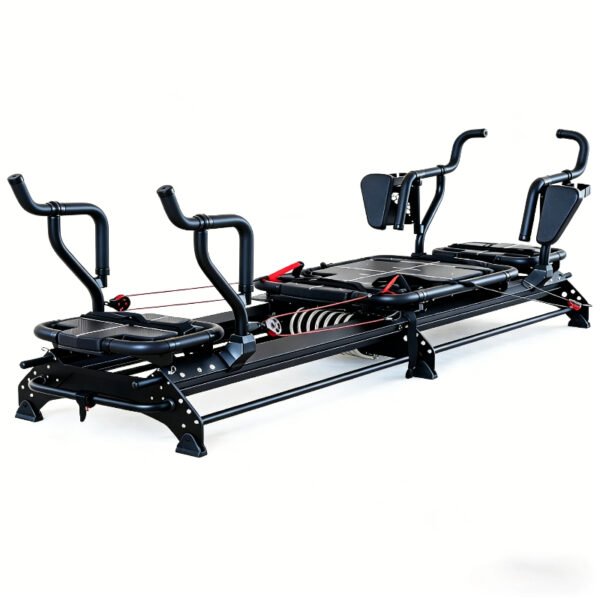
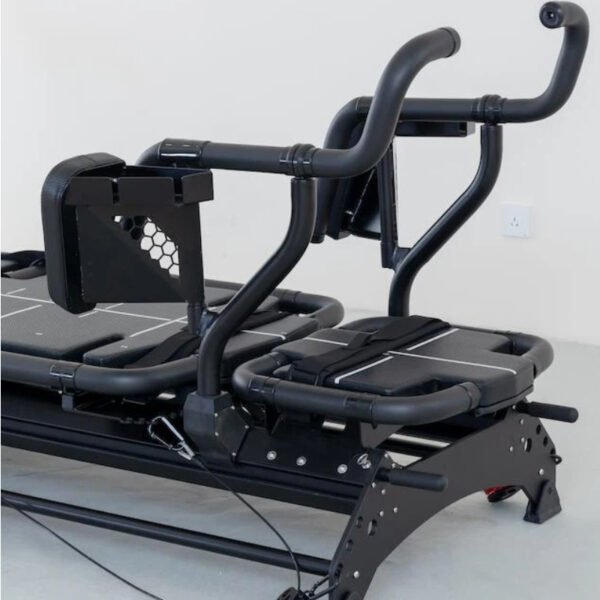
Lagree Megaformer M3K+ | Aluminum Pilates Reformer
Lagree vs Pilates: What Are the Key Differences in Equipment, Intensity, and Results?
The differences between Lagree and Pilates are best understood by looking at three core elements: equipment, intensity, and results.
When it comes to equipment, Pilates is famously associated with the Pilates Reformer, a versatile apparatus that uses spring resistance to facilitate a wide range of movements focused on alignment and elongation. Lagree Fitness, on the other hand, is built around the Megaformer. While it evolved from the Reformer concept, the Megaformer is a more substantial piece of engineering. It features a heavier carriage, additional resistance cables, and multiple attachment points, all designed to create constant, full-body tension.
This leads directly to the difference in intensity. A Pilates session is characterized by a mindful, controlled pace. There is a rhythm between exertion and release, with emphasis on breathing and precision. Lagree strips away the moments of release. The philosophy is one of sustained muscular tension—movements are deliberately slow, transitions are minimal, and the goal is to keep the target muscles under load throughout the entire workout. This creates a significantly higher cardiovascular and muscular endurance challenge.
Consequently, the results tend to diverge. Pilates practitioners often experience improved posture, increased flexibility, stronger deep-core stability, and relief from back pain. The outcome is a longer, leaner physique and more efficient movement patterns. Lagree is engineered for metabolic conditioning and muscular hypertrophy. Users can expect more pronounced muscle definition, a boosted metabolism, and increased raw strength and stamina, thanks to the high-intensity, muscle-fatiguing protocol.
Lagree vs Pilates: Which One Is Better for Strength, Weight Loss, and Rehabilitation?
Your specific goals should guide your choice between these two methods.
For pure strength building, Lagree Fitness typically has the edge. Its method of slow, continuous resistance is highly effective at creating the muscular fatigue necessary for building strength and tone. Pilates builds incredible functional and stabilizing strength, particularly in the core, but it is not generally aimed at maximizing muscle size or peak strength in the same way.
When it comes to weight loss and calorie burn, the high-intensity nature of Lagree gives it a clear advantage. The minimal rest and constant effort elevate the heart rate, turning the session into a strength-and-cardio hybrid that burns a high number of calories both during and after the workout (the “afterburn” effect). Pilates supports weight management by building lean muscle tissue, which improves metabolism, but it is not primarily a calorie-torching workout.
However, for rehabilitation and injury prevention, Pilates is often the unequivocal choice. Its foundational principles of alignment, controlled range of motion, and low-impact movement make it a gold standard in physical therapy and post-injury recovery. It is also exceptionally safe for pre- and post-natal exercise. While Lagree can be modified, its inherent intensity makes it less suitable as a starting point for those with existing injuries or significant mobility limitations.
Who Should Choose Lagree and Who Should Choose Pilates?
Lagree Fitness is the ideal match for individuals who thrive on high-intensity challenges. If you want a workout that leaves you drenched in sweat, pushes your muscular endurance to its limit, and focuses on building visible strength and a metabolic boost, then Lagree is for you. It’s best suited for those with a good baseline fitness level who are free from major injuries.
Pilates, in contrast, calls to those seeking a mindful movement practice. If your goals include improving your posture, alleviating back pain, enhancing flexibility, or building a foundation of deep-core stability, Pilates is the perfect fit. It is exceptionally welcoming to beginners, those in rehabilitation, and anyone who prefers a workout that emphasizes quality of movement and mind-body connection over pure athletic intensity.
Conclusion
Whether your journey leans toward the intense, sculpting challenge of Lagree or the mindful, aligning practice of Pilates, both paths lead to a stronger, healthier you. The key to a safe and effective practice, at home or in the studio, is professional-grade equipment. At CoreFlow, we are passionate about supporting every facet of your fitness journey. We offer meticulously crafted Pilates Reformers, durable Megaformers, and all the essential accessories to equip your space. Explore the CoreFlow collection today and invest in the tools that will transform your workout and your well-being.
FAQs
Is Lagree harder than Pilates?
Generally, yes. Lagree is designed to be a high-intensity endurance and strength workout with minimal rest, making it physically very demanding. Pilates can be deeply challenging in its focus on control and precision, but its pace and adaptability often make it feel more accessible to a wider range of fitness levels.
Can beginners do Lagree or Pilates safely?
Absolutely, but the approach differs. Pilates is famously beginner-friendly, with many exercises easily modified. Lagree can also be adapted for beginners, but it is highly recommended to start with an introductory or fundamentals class under the guidance of a certified instructor to learn the technique and avoid strain.
Is Lagree considered Pilates or a separate workout method?
Lagree is a separate and distinct workout method. Although its origins are linked to the Pilates Reformer, Sebastien Lagree developed a unique philosophy, technique, and equipment (the Megaformer) with different objectives. They share a family resemblance in equipment style but are fundamentally different in their application and results.

No comment