






Pilates has become one of the most widely practiced mind-body fitness methods in the United States, used by physical therapists, athletes, dancers, and everyday fitness enthusiasts alike. When people first explore Pilates, one of the most common questions is: Reformer Pilates vs Mat Pilates — which one is better for me?
Both methods are rooted in Joseph Pilates’ original principles—control, precision, breath, alignment, and flow. However, they create very different training experiences due to equipment, resistance type, and movement patterns. Some people thrive with the support of a machine, while others prefer the simplicity and portability of a mat.
This article provides an evidence-based, practical comparison so consumers, fitness enthusiasts, and studio owners can make informed decisions based on real use cases rather than marketing hype.
What Is Reformer Pilates and How Does It Work?
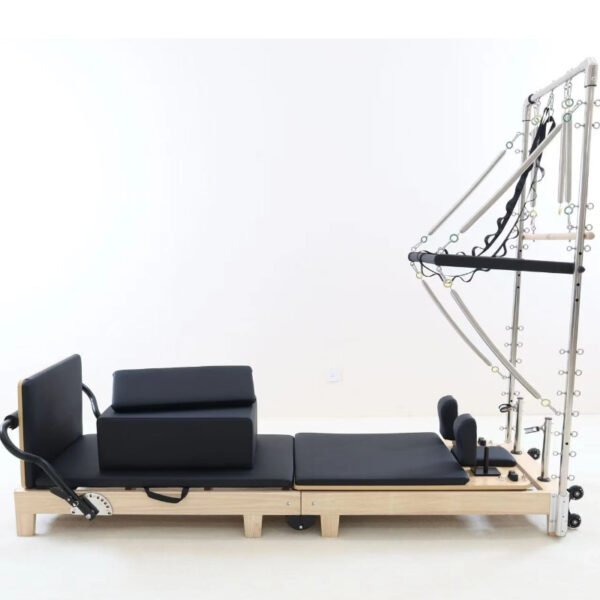
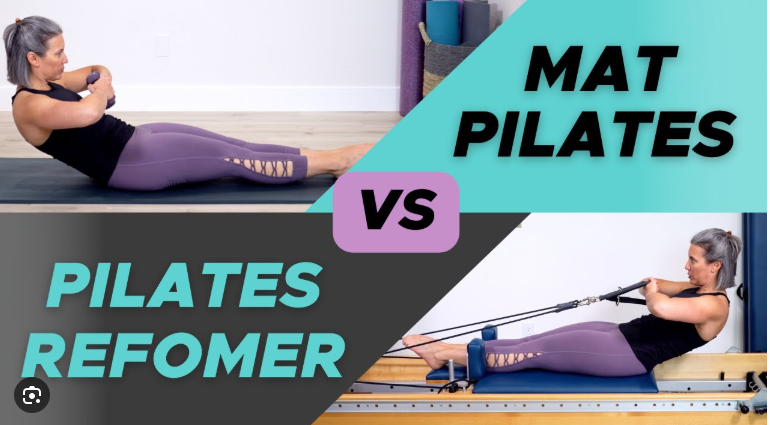
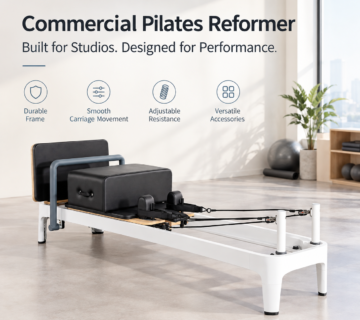
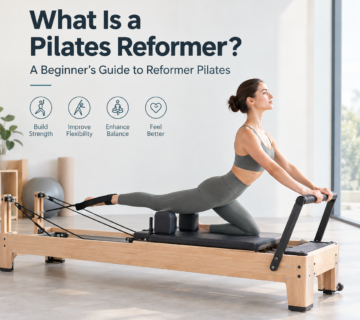
Reformer Pilates is performed using a specialized piece of equipment called a Pilates Reformer, which consists of a sliding carriage, adjustable springs, straps, pulleys, and a foot bar. Unlike floor-based exercise, the moving carriage creates dynamic resistance that challenges stability, coordination, and strength simultaneously.
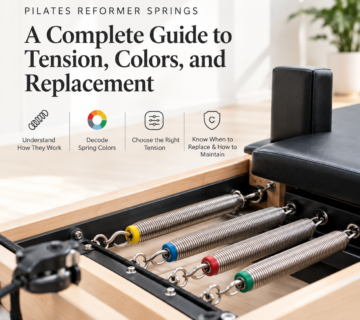
The spring system is highly adaptable. Lighter springs can assist movement for beginners, older adults, or post-rehab clients, while heavier springs increase resistance for athletes or advanced practitioners. This makes Reformer Pilates particularly versatile across different fitness levels.
In real-world use, reformers are commonly applied in:
-
Physical therapy and injury recovery programs
-
Postnatal fitness training
-
Athletic conditioning (especially for runners, swimmers, and dancers)
-
Low-impact strength training for aging populations
The American Council on Exercise (ACE) has noted that controlled resistance training—such as that provided by reformer springs—can enhance muscle activation while reducing joint stress, making it suitable for people who need strength training without high impact.
From a studio perspective, investing in professional-grade Reformer Pilates equipment often leads to higher client retention, premium pricing, and greater class diversity. Many boutique studios report that reformer classes attract both beginners seeking guidance and experienced practitioners wanting progression.
What Is Mat Pilates and How Does It Differ from Reformer Pilates?
Mat Pilates is practiced on the floor using only a mat and, occasionally, small props such as resistance bands, rings, or light weights. Unlike the reformer, there is no external mechanical assistance—your body provides all the resistance.
This means Mat Pilates places greater emphasis on internal core control, proprioception (body awareness), and precise movement execution. Classic exercises like The Hundred, Roll-Up, and Teaser require strong engagement of the deep abdominal muscles and spinal stabilizers.
Mat Pilates is often chosen because:
-
It requires minimal equipment
-
It is portable and can be done anywhere
-
It builds foundational movement patterns
-
It is cost-effective for both users and studios
However, many beginners find Mat Pilates more challenging than expected. Without the reformer’s guided support, maintaining proper alignment can be difficult, especially in large group classes. This is why instructor quality and hands-on cueing play a major role in outcomes.
How Do Reformer and Mat Pilates Affect Core Strength, Flexibility, and Posture?
Both methods improve core strength, flexibility, and posture—but through different mechanisms.
Core Strength
-
Reformer Pilates builds core stability through dynamic resistance and controlled movement.
-
Mat Pilates develops core strength primarily through bodyweight control and muscular endurance.
Flexibility
-
The reformer allows assisted stretching using straps and sliding movement, which can help people gradually increase range of motion.
-
Mat Pilates relies on active stretching, requiring greater muscular control to achieve flexibility gains.
Posture
-
The reformer provides external feedback—users feel how their body moves in space.
-
Mat Pilates cultivates internal body awareness, helping users correct posture without equipment.
Research published in the Journal of Physical Therapy Science suggests that Pilates-based training can improve trunk stability and postural alignment when practiced consistently under proper guidance.
Which Pilates Method Is Better for Overall Health and Wellness?
There is no single “best” option in the debate of Reformer Pilates vs Mat Pilates. The right choice depends on personal goals, physical condition, and learning style.
Reformer Pilates may be more suitable for:
-
People recovering from injury
-
Older adults needing joint-friendly movement
-
Individuals who prefer structured, guided workouts
-
Clients who enjoy measurable progression via resistance levels
Mat Pilates may be better for:
-
People who travel frequently
-
Those who prefer at-home workouts
-
Practitioners who want to master body control
-
Budget-conscious users
The Cleveland Clinic recognizes Pilates as a beneficial form of functional movement training that improves flexibility, balance, and posture. However, they also recommend pairing Pilates with cardiovascular exercise and strength training for comprehensive health.
How Can Choosing the Right Pilates Method Benefit Your Studio and Clients?
For studio owners, offering both Reformer and Mat Pilates creates a more inclusive business model.
Reformer-based studios typically benefit from:
-
Higher revenue per class
-
Greater client retention
-
Opportunities for specialized programs (rehab, prenatal, athletic training)
Mat Pilates allows studios to:
-
Run larger group classes
-
Offer hybrid online programs
-
Reduce operational costs
-
Introduce Pilates to beginners before transitioning them to reformers
Many successful studios use Mat Pilates as a gateway, then upsell clients into Reformer Pilates once they are comfortable with basic movement principles.
Conclusion
The comparison of Reformer Pilates vs Mat Pilates is not about choosing a winner—it’s about selecting the right tool for the right goal.
Reformer Pilates offers structured resistance, guided support, and progressive training, making it ideal for beginners, rehab clients, and those seeking full-body conditioning. Mat Pilates emphasizes body awareness, control, and foundational strength, making it perfect for independent practice and mobility-focused training.
For many practitioners, combining both methods delivers the most well-rounded Pilates experience.
FAQs
Can beginners start with Reformer Pilates or is Mat Pilates better?
Beginners can start with either. Reformer Pilates may feel more supportive, while Mat Pilates helps build stronger foundational control. Instructor guidance is key in both cases.
How often should clients practice Reformer vs Mat Pilates to see results?
Most professionals recommend 2–3 sessions per week for noticeable improvements in strength, posture, and flexibility.
What are the main advantages of Reformer Pilates over Mat Pilates?
Reformer Pilates provides adjustable resistance, greater exercise variety, and better alignment feedback, which can be especially helpful for beginners and injury recovery.

No comment