
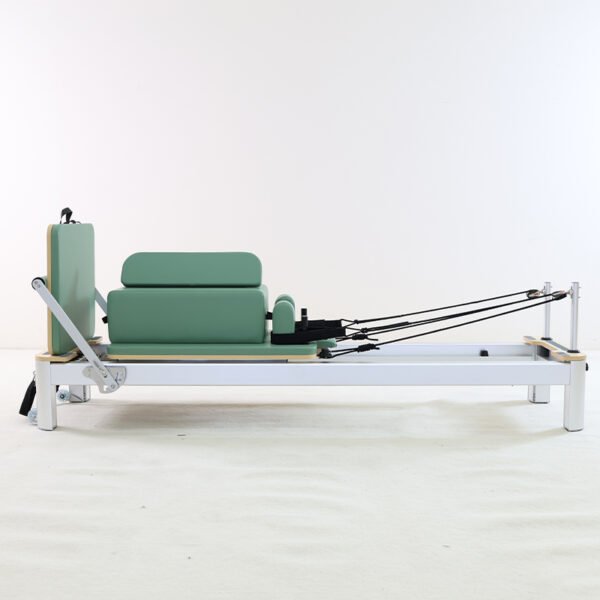
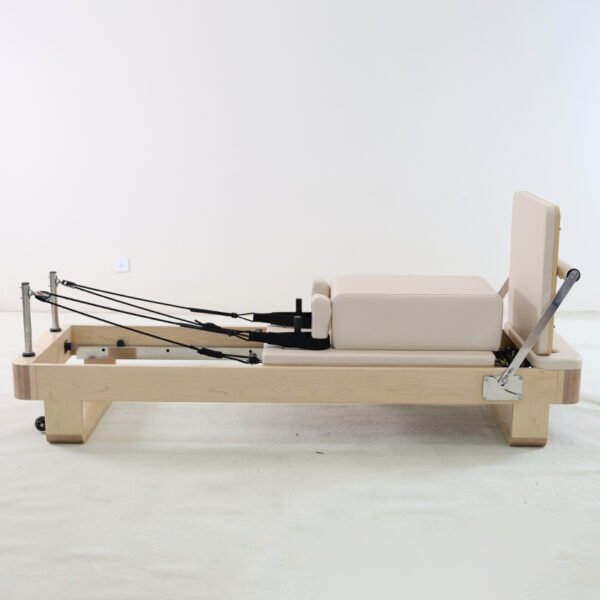






For studio owners and fitness professionals, the question of “how often should you do pilates” is more than just a client inquiry—it’s a critical factor in driving member retention, measurable results, and overall studio success. When clients see consistent progress, they stay engaged, renew memberships, and refer new business. At CoreFlow, we design Pilates Reformer and other studio equipment to support structured, effective training routines that align with optimal frequency guidelines. By answering this question clearly, you can set realistic expectations, build trust, and position your studio as a trusted authority in pilates education.

What Is a Reasonable Pilates Frequency for Most Studio Members?
For most studio members, a baseline of 2–3 pilates sessions per week is a reasonable and effective starting point. This frequency strikes a balance between consistency and recovery, allowing the body to adapt to the demands of controlled movement, core engagement, and spinal alignment. When clients train 2–3 times weekly, they begin to see noticeable improvements in posture, flexibility, and core strength within 4–6 weeks. For studio owners, this sweet spot translates to predictable class attendance, steady revenue streams, and higher member satisfaction.
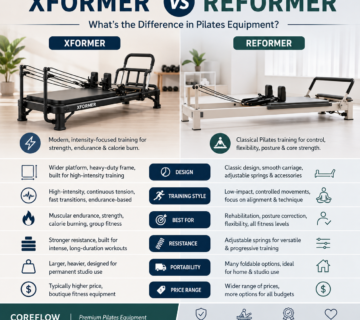
At CoreFlow, we recommend that studios structure their class schedules to accommodate this 2–3 session per week model, with a mix of group reformer classes and private sessions. Our Pilates Reformer equipment is engineered to support both group and one-on-one training, making it easy for studios to scale their offerings while maintaining quality. By educating members on the benefits of consistent, moderate-frequency training, you can help them avoid the common pitfall of overtraining or under-training, and set them up for long-term success.
How Often Should Beginners Do Pilates on Reformer Equipment?
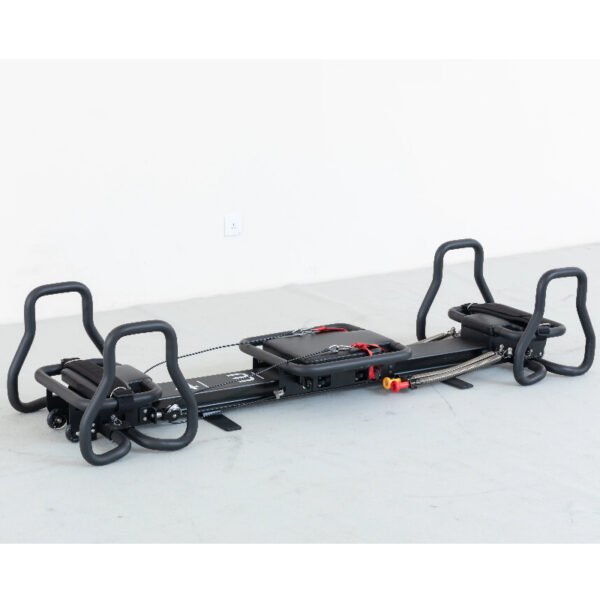
Beginners on Pilates Reformer equipment should start with 1–2 sessions per week to build foundational skills and avoid overwhelm. The reformer’s sliding carriage and resistance springs provide a unique challenge, and new practitioners need time to master proper form, breathwork, and movement patterns. Starting with 1–2 sessions allows beginners to focus on learning the basics without risking injury or burnout.
As beginners gain confidence and proficiency—typically after 4–8 weeks—they can gradually increase their frequency to 2–3 sessions per week. This progression is key to building strength, improving mobility, and deepening their practice. For studios, this phased approach creates a clear onboarding pathway, with beginner-specific reformer classes led by certified instructors. CoreFlow’s reformers are designed with user-friendly features, such as adjustable resistance and ergonomic padding, to support beginners as they learn. By emphasizing patience and proper technique, you can help new members build a sustainable practice and transition into regular, committed participants.
How Often Should Advanced Practitioners Train in a Commercial Studio?
Advanced pilates practitioners in a commercial studio setting can benefit from 3–5 sessions per week, depending on their goals and physical condition. Advanced training often involves more complex movements, higher resistance, and longer hold times, which require greater recovery and consistency. For competitive athletes, dancers, or dedicated enthusiasts, 3–5 sessions per week can help them refine their technique, build functional strength, and achieve peak performance.
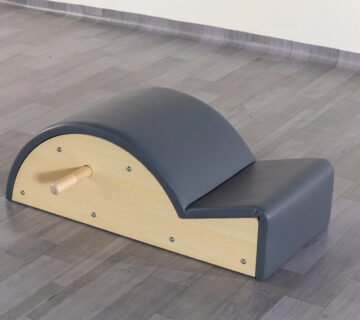
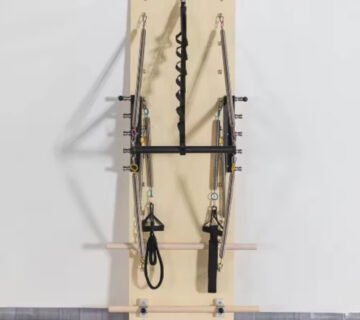
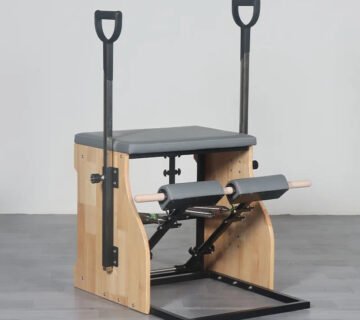
In a commercial studio, advanced practitioners may mix reformer classes with mat work, Cadillac training, or other specialized equipment. CoreFlow’s comprehensive studio equipment lines, including reformers, cadillacs, and barrels, are designed to support advanced training protocols. Studios can offer advanced workshops, masterclasses, and private sessions to cater to this demographic, creating a premium tier of service that drives revenue and loyalty. By providing a structured, progressive training environment, you can help advanced members push their limits while maintaining proper form and injury prevention.
How Do Different Client Goals Change Pilates Frequency in Studios?
Client goals are the primary driver of pilates frequency in studios, and CoreFlow equipment is designed to support a wide range of objectives. For clients focused on general fitness and wellness, 2–3 sessions per week are sufficient to maintain strength, flexibility, and mental clarity. For those targeting weight loss or body composition, 3–4 sessions per week, combined with a balanced diet, can accelerate results by increasing metabolic rate and building lean muscle.
Clients recovering from injury or managing chronic conditions may start with 1–2 sessions per week, working closely with instructors to modify movements and prioritize safety. For competitive athletes or performers, 4–5 sessions per week may be necessary to build sport-specific strength and mobility. By aligning frequency with client goals, studios can create personalized training plans that deliver measurable results. CoreFlow’s equipment is versatile enough to support these diverse needs, with adjustable resistance and modular designs that adapt to different movement patterns and fitness levels.
How to Plan a Weekly Class Routine Around CoreFlow Equipment?
Planning a weekly class routine around CoreFlow equipment requires balancing class variety, instructor availability, and member demand. A well-structured schedule should include a mix of reformer classes, mat work, and specialized equipment sessions, with options for beginners, intermediate, and advanced practitioners. For example, a studio might offer 2–3 beginner reformer classes per week, 3–4 intermediate reformer classes, and 1–2 advanced masterclasses, all using CoreFlow Pilates Reformer equipment.
To maximize equipment utilization and revenue, studios can stagger class times throughout the day, with early morning, midday, and evening options to accommodate different schedules. Private sessions can be scheduled between group classes to fill gaps and provide one-on-one attention. CoreFlow’s equipment is designed for durability and ease of use, making it suitable for high-volume studio environments. By creating a schedule that is both accessible and engaging, you can increase member attendance, reduce equipment downtime, and build a thriving pilates community.
Conclusion
The question of “how often should you do pilates” has no one-size-fits-all answer, but by aligning frequency with client goals, experience levels, and studio capabilities, you can create a training framework that drives results and success. At CoreFlow, we are committed to providing high-quality pilates equipment that supports studios in delivering exceptional experiences to their members. Whether you’re a beginner building foundational skills or an advanced practitioner pushing your limits, consistent, intentional training on CoreFlow equipment can help you achieve your pilates goals.

No comment