








Introduction
In today’s competitive fitness market, offering unique and effective programming is key to commercial success. While Pilates and Yoga are both popular mind-body modalities, their training methodologies, equipment applications, and client benefits are fundamentally distinct. For studio owners and facility managers, understanding these differences is the first step toward strategic service optimization and profitability.
What Is Pilates and What Are Its Benefits?
Developed by Joseph Pilates, this system is a physical conditioning method rooted in “Contrology,” emphasizing precise movement to strengthen deep core stabilizers and improve biomechanics. In a commercial setting, Pilates is not just about shaping the body; it is a powerful solution for rehabilitation and postural correction.
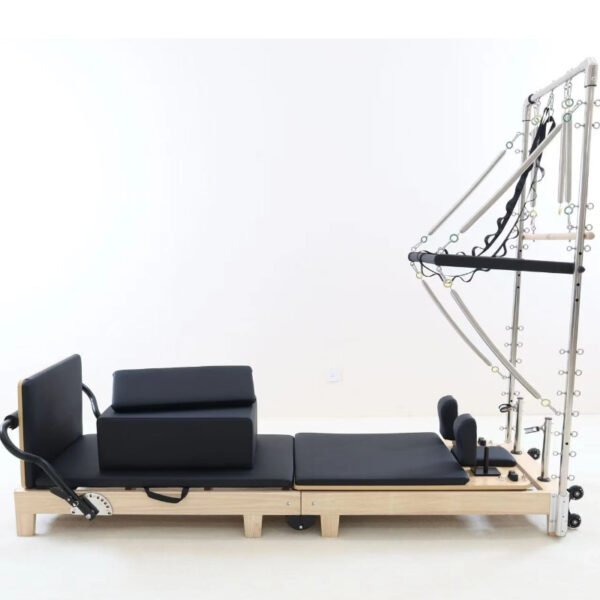
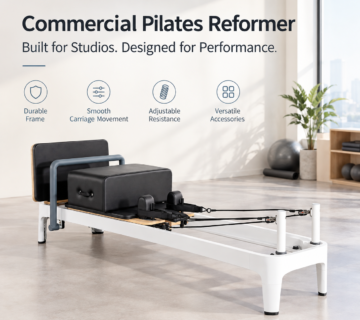
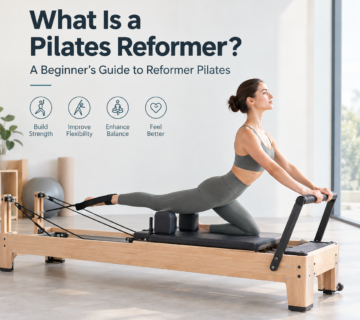
For the modern client seeking tangible results, Pilates effectively addresses common issues like back pain and pelvic instability caused by sedentary lifestyles. The results are visible and measurable, leading to high client satisfaction and retention. To maximize training efficacy and studio efficiency, integrating professional apparatus is crucial. The Pilates Reformer, the cornerstone of the Pilates repertoire, utilizes a carriage and spring resistance system to facilitate a wide range of full-body exercises suitable for all levels. Furthermore, the Cadillac Pilates (or Trapeze Table), with its versatile auxiliary features, is ideal for one-on-one rehabilitation sessions, allowing studios to unlock high-margin service offerings. Partnering with a reliable equipment provider like Coreflow ensures you deliver a professional experience built on durability and safety.

What Is Yoga and How Does It Impact the Body and Mind?
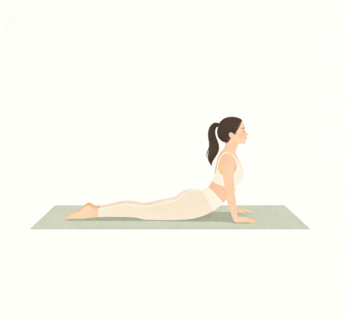
Yoga is an ancient philosophy originating from India that unites physical postures (asanas), breath control (pranayama), and meditation. Unlike the structural focus of Pilates, Yoga seeks to harmonize the body, mind, and spirit, cultivating awareness and inner balance through static holds and fluid transitions.
For clients, the value of Yoga extends beyond physical flexibility; it is a sanctuary for stress management. Regular practice regulates the nervous system, reducing cortisol levels and alleviating anxiety. For a studio, Yoga classes foster a sense of community and inclusivity, attracting a loyal clientele who value holistic well-being and lifestyle balance. This “stillness” complements the “action” of Pilates, creating a comprehensive wellness ecosystem.
How Do Pilates and Yoga Differ in Technique and Practice?
While both are mind-body practices, their technical DNA differs significantly. Yoga often follows an “inside-out” approach, focusing on energy flow and breath synchronization, relying primarily on body weight and gravity to build endurance and flexibility.
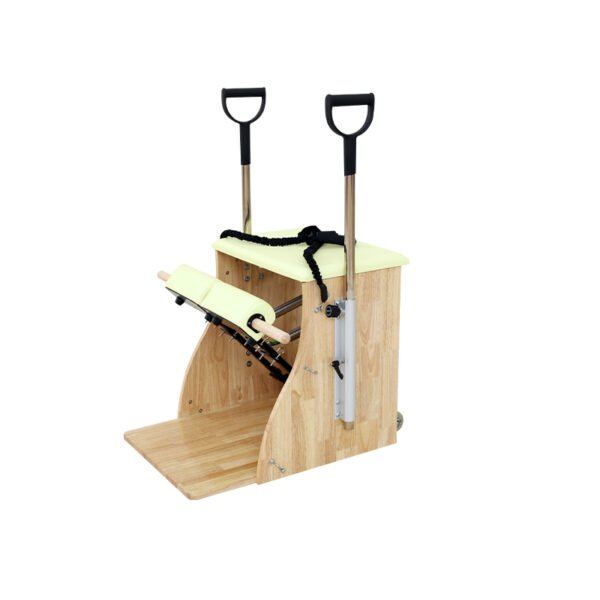
Conversely, Pilates follows an “outside-in” methodology, emphasizing muscular precision and dynamic joint stability. The movements are controlled, often involving eccentric contractions and core anti-rotation, heavily utilizing equipment for feedback and resistance. For instance, the Wunda Chair builds explosive power, while Barrels facilitate safe spinal articulation. This reliance on apparatus is a defining characteristic. Equipment from Coreflow is engineered for precision, ensuring that every repetition delivers optimal feedback, helping instructors maintain high standards of technique.
Which One Should You Choose: Pilates or Yoga?
The choice depends on your studio’s niche and target demographic. If your clientele seeks postnatal recovery, athletic performance enhancement, or rapid aesthetic results, Pilates—with its scientific, results-driven framework—is the more persuasive commercial choice.
If your space is designed as a sanctuary for stress relief and mental restoration, Yoga will resonate more deeply. However, the ideal business model is a hybrid approach. By offering both, you capture both the results-driven market and the balance-seeking market. With Coreflow‘s comprehensive range—from Pilates Reformers for high-intensity sculpting to Barrels for gentle spinal decompression—you can tailor your inventory to meet diverse client needs.
Can Pilates and Yoga Be Combined for Better Results?
Combining Pilates and Yoga is not simply stacking classes; it is a strategic synergy that creates “1+1 > 2” outcomes. The deep strength and stability built through Pilates provide a safe foundation for advanced Yoga poses (like arm balances and backbends), preventing injury.
Conversely, the flexibility and breath awareness gained from Yoga enhance the range of motion and neuromuscular efficiency in Pilates. A recommended programming strategy is a “Pilates sculpt + Yoga stretch” weekly cycle. Studios can also develop fusion classes, using the Cadillac Pilates for full-body conditioning followed by Yoga meditation, delivering a holistic mind-body experience.
Conclusion
Pilates and Yoga are not competitors but complementary partners in the wellness industry. Pilates satisfies the market’s demand for “results” through science and function, while Yoga fulfills the human need for “balance” through philosophy and healing. As a studio owner, understanding this distinction and equipping your space with professional tools allows you to capture different market segments. Choosing Coreflow as your equipment partner means investing in quality and innovation, ensuring your facility stands out in a crowded marketplace.
FAQs
Is Pilates better than yoga for weight loss?
From a caloric expenditure and muscle toning perspective, Pilates generally holds an edge. Apparatus-based Pilates utilizes spring resistance for high-intensity resistance training, boosting metabolism and creating an “after-burn” effect. While Vinyasa Yoga burns calories, Pilates is more targeted in sculpting lean muscle and reshaping the body, offering more visible results for clients focused on body composition.
Can beginners start both Pilates and yoga at the same time?
Yes, beginners can start both simultaneously. It is recommended to begin with mat-based fundamentals to build body awareness. Integrating both practices creates balance: Pilates builds protective strength, while Yoga improves mobility. It is advisable to start under professional guidance to ensure correct form.
How often should I practice Pilates or yoga for best results?
For Pilates, 2-3 times per week is optimal. As it deeply recruits stabilizing muscles, 48 hours of recovery is needed to prevent overtraining. Yoga, being restorative, can be practiced more frequently, even daily. An ideal balanced schedule includes 2 Pilates sessions and 2 Yoga sessions per week.


No comment