








Reformer Pilates is more than a fitness trend—it’s a results-driven system that transforms bodies, boosts confidence, and builds long-term studio loyalty. For fitness studio owners, showcasing clear before-and-after transformations isn’t just about inspiring clients; it’s a powerful marketing tool that turns curiosity into memberships. This guide breaks down how Reformer Pilates creates visible, tangible change, what members can expect at every stage, and how to structure classes that deliver consistent, shareable results.
What Is Reformer Pilates for Studios?
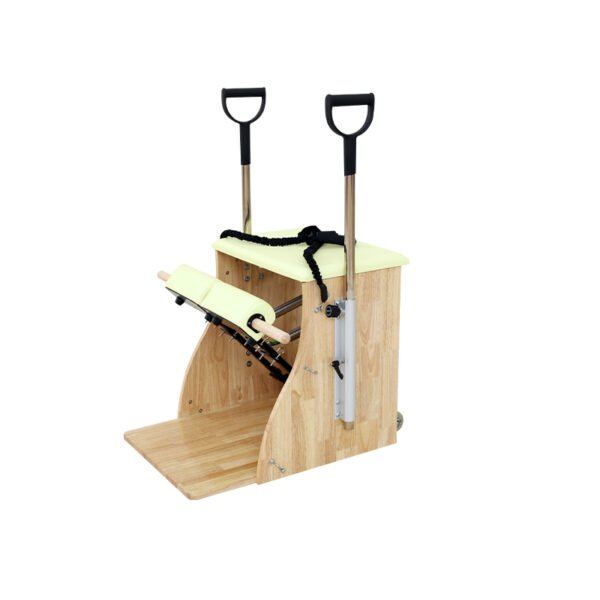
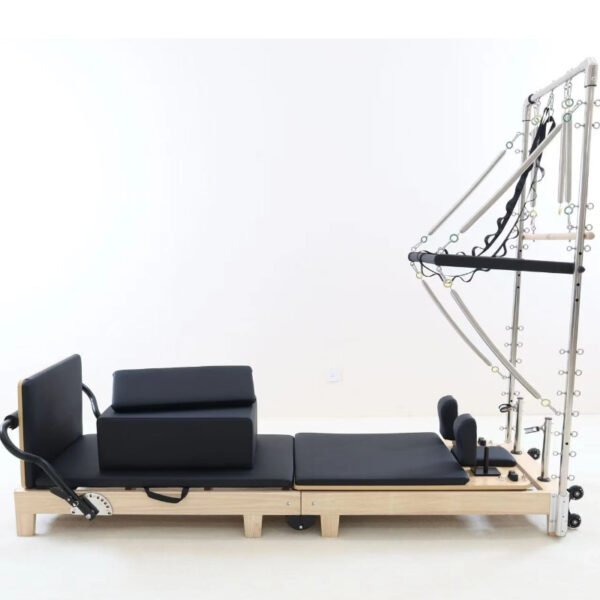
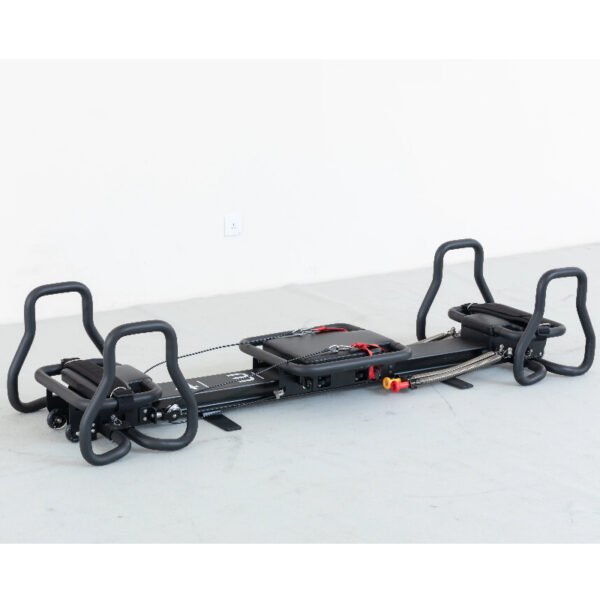
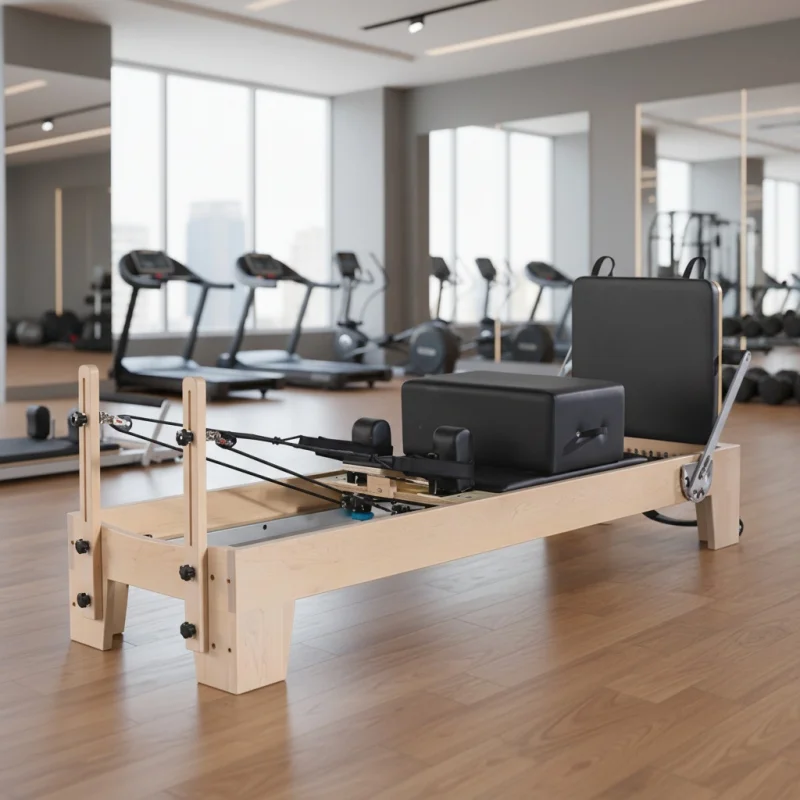
Reformer Pilates is a equipment-based fitness method that uses a sliding carriage, springs, and straps to build strength, flexibility, and posture. Unlike mat Pilates, the Reformer offers adjustable resistance, making it suitable for beginners, post-rehab clients, and advanced athletes. For studios, it’s a high-value, signature offering that stands out from generic gym workouts. Especially the classic reformer series under the Core Flow brand have been widely used in studios across various countries. Among them, the maple frame is particularly sturdy, the wood texture is very beautiful, and there is also specially customized thick and wear-resistant leather. The most important feature is the super smooth sliding rail and the high elasticity silent wheels. This allows the studio to use the Pilates equipment for body balance training while achieving excellent training results. Of course, the choice of springs is also very important. The resistance to metal fatigue and the elasticity coefficient are closely related to the final training outcome. A good Pilates product targets deep core muscles, improves alignment, and reduces injury risk—all while providing a low-impact, accessible way for members to achieve measurable physical changes efficiently.
Why Should Studios Track “Before and After” Results to Sell More Memberships?
Tracking and sharing Reformer before-and-after results turns abstract benefits into social proof that converts. Prospective members trust real transformations more than promises—photos, measurements, and testimonials show exactly what they can achieve. Visible progress boosts member retention, as clients stay motivated to reach their goals. Success stories also fuel word-of-mouth and social media engagement, drawing in new leads who want similar outcomes. When studios highlight consistent results, they position themselves as results-focused, not just workout-focused. This builds credibility, justifies membership pricing, and creates a cycle of happy clients, powerful transformations, and steady membership growth.
What Does the Typical Reformer Pilates Before-and-After Timeline Look Like for Members?
What Changes Appear in Weeks 1–4 for Beginners?
In the first month, beginners focus on form, breath, and body awareness. Most notice better posture, less shoulder and back tension, and improved balance. Movements feel more controlled, and daily activities like sitting or walking become more comfortable. While major physical changes are still developing, energy levels often rise, and core engagement feels more natural. These early wins build confidence and encourage consistency, setting the foundation for visible transformation.
What Results Do Most Members See in Weeks 4–8?
By weeks 4–8, consistency leads to noticeable physical changes. Members often see a slimmer, more toned core, tighter thighs and glutes, and increased flexibility. Daily aches decrease, and posture improves significantly—many look taller and more lifted. Movement becomes smoother and more coordinated, and classes feel less challenging. Clothes may fit better, and clients often receive compliments from friends and family. This mid-stage progress is highly motivating and pushes members to commit long-term for deeper transformation.
What Transformations Happen After 3 Months of Consistent Training?
After three months of regular Reformer sessions, full-body transformation becomes obvious. Core strength is dramatically improved, with a flatter stomach and more defined muscles. Posture is permanently corrected, reducing chronic pain. Flexibility, mobility, and muscle endurance reach new levels, and members move with greater ease and confidence. Body composition shifts—lean muscle increases, and body tone improves overall. Mentally, clients report less stress, better focus, and a stronger mind-body connection. These comprehensive changes create powerful before-and-after stories that become a studio’s most effective marketing asset.
How Should Studios Program Reformer Classes to Maximize Before-and-After Results?
To drive consistent before-and-after results, studios should structure tiered Reformer classes: foundational for beginners, intermediate for strength building, and advanced for transformation. Prioritize form cues to prevent injury and ensure proper muscle activation. Include balanced routines targeting core, glutes, legs, upper body, and spine mobility. Use progressive resistance—gradually increase spring tension or movement difficulty to keep clients challenged. Incorporate small, measurable goals like posture checks, flexibility tests, or strength milestones. Encourage 2–3 sessions per week for optimal results. Combine group classes with private sessions for personalized adjustments. Track progress with photos, measurements, or client feedback to keep members accountable and motivated. Well-designed programming ensures steady, visible results that keep members engaged and proud to share their journeys.
Conclusion
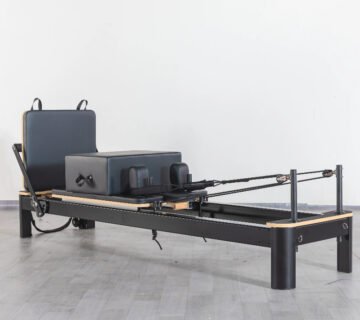
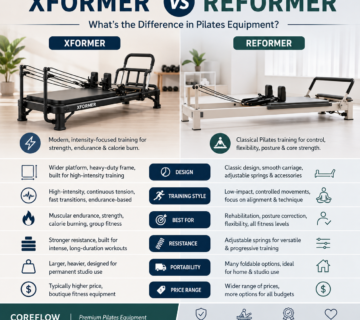
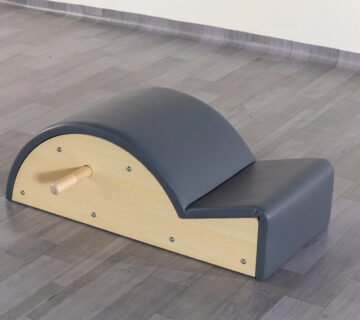
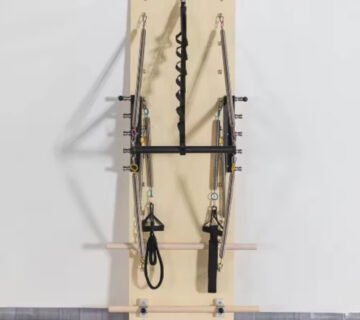
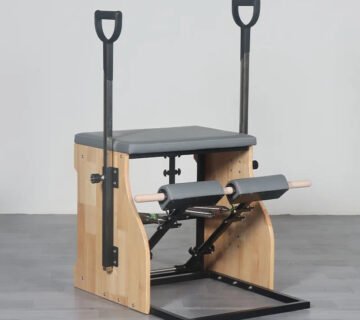
Reformer Pilates delivers predictable, powerful before-and-after transformations that benefit both members and studios. By understanding the timeline of progress, programming classes for results, and showcasing real client journeys, studios can attract new members, boost retention, and build a reputation for excellence. The Pilates reformers styles under the Core Flow brand are diverse. The studio selects the style that best suits its own style,When clients see and feel genuine change, they become loyal advocates—and that’s the most sustainable growth strategy for any Reformer studio.

No comment