
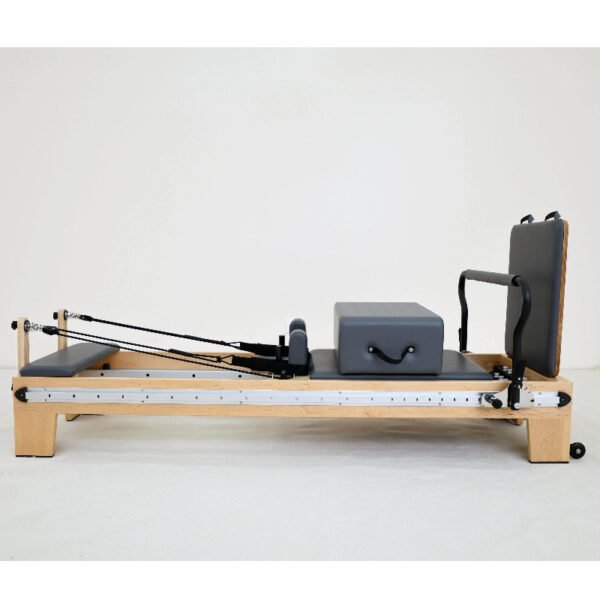
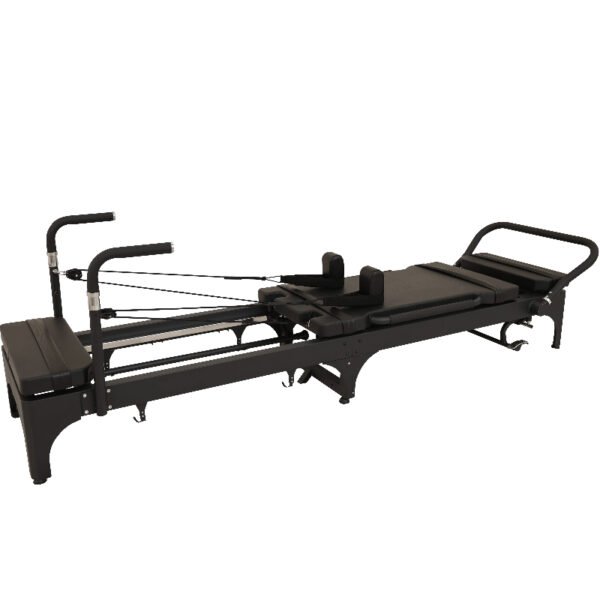






Pilates is one of the most effective ways to improve strength, flexibility, and posture. Two of the most popular pieces of equipment are the pilates reformer and the Pilates tower. Many people struggle to tell them apart, decide which fits their goals, or wonder if they can use both at home. This article compares the two machines, explains their key differences, and introduces the versatile pilates reformer with tower that combines both functions.
What Is a Pilates Reformer?
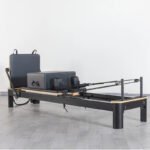
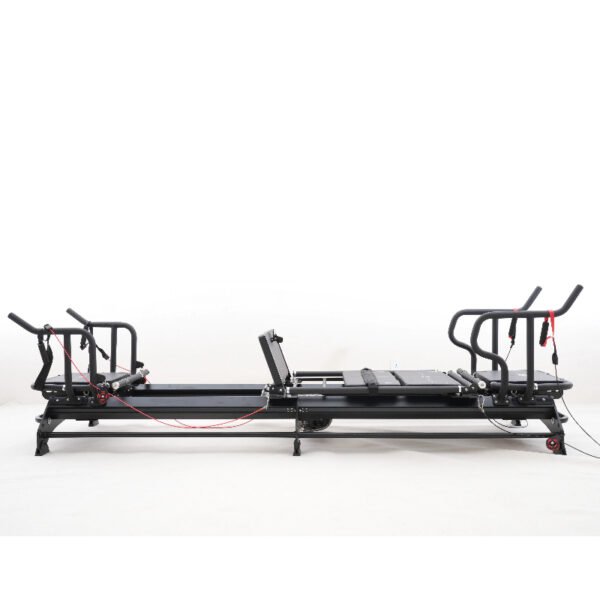
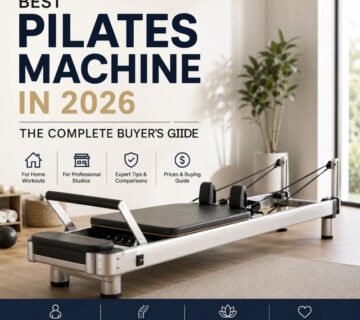
A pilates reformer is a horizontal machine with a sliding carriage, springs, straps, and a footbar. It uses smooth gliding motion and adjustable spring resistance to train the entire body. Users can lie, sit, kneel, or stand on the carriage to perform controlled, low-impact movements. The pilates reformer supports proper alignment, reduces joint stress, and builds long, lean muscles. It is widely used in studios and homes for full-body conditioning, rehabilitation, and functional fitness. It improves core strength, balance, coordination, and muscle endurance for all fitness levels.
-
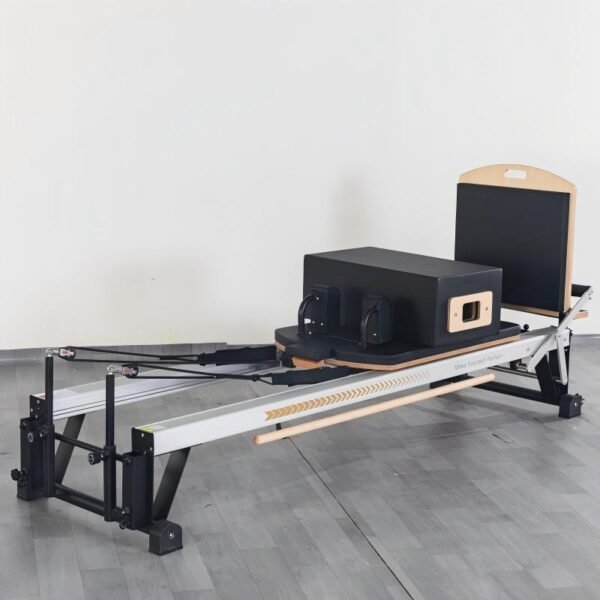
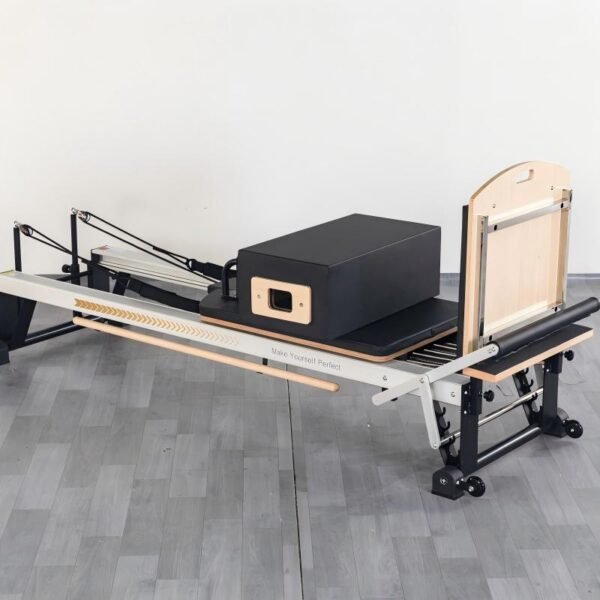
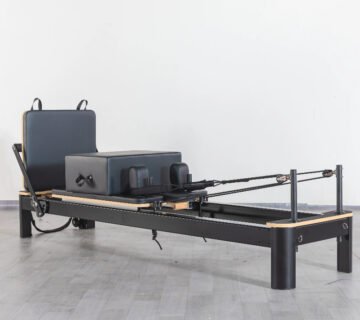
CoreFlow Y07-2 Pilates Reformer Machine for Studio & Gym
-
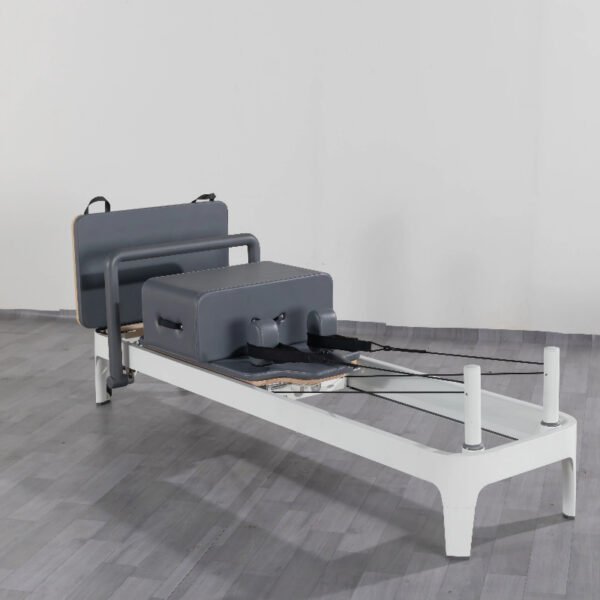
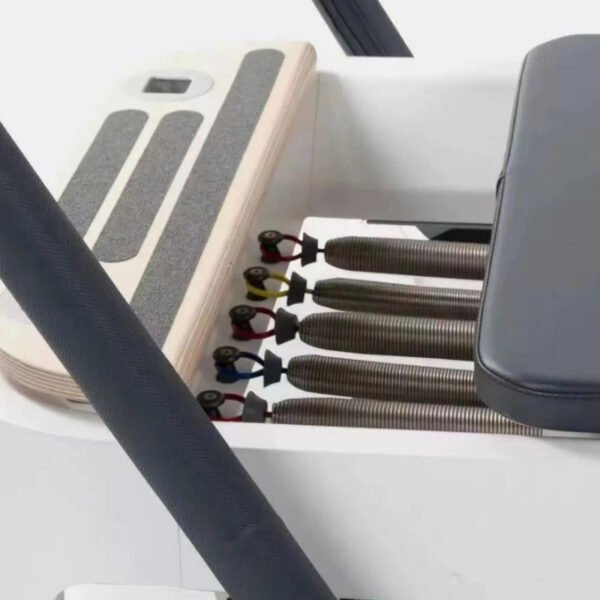
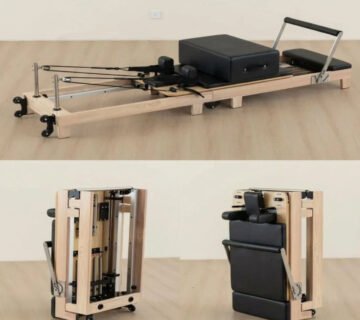
Y01-01 Aluminum Alloy Full Track Pilates Reformer
What Is a Pilates Tower?
A Pilates Tower is a vertical, wall-mounted or free-standing unit with bars, straps, springs, and pulleys. It uses vertical resistance to support strength, stretching, and mobility exercises. Workouts on the tower often focus on standing, sitting, or lying positions that improve posture and spinal alignment. It is gentle on joints and great for opening tight areas like the shoulders, chest, and hips. While it does not offer the sliding motion of a pilates reformer, it provides stable support for beginners, rehabilitation, and daily flexibility training.
-
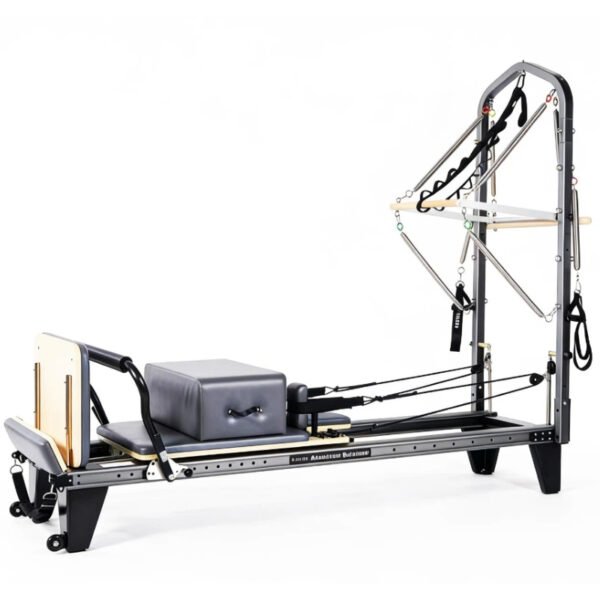
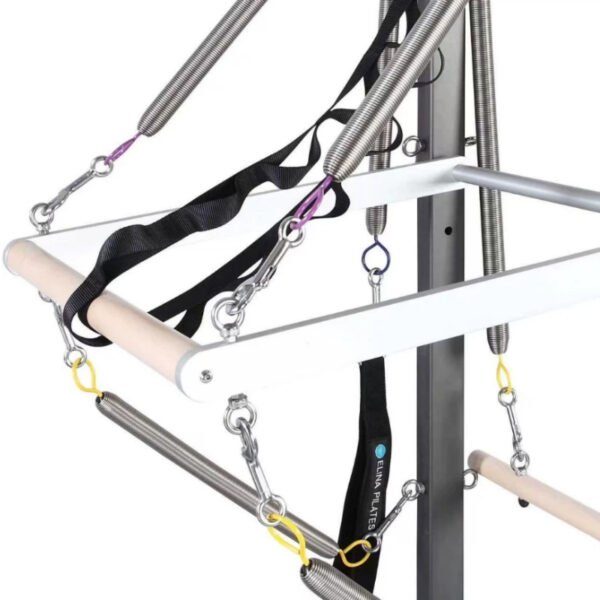
Y06-02 Aluminum Reformer with Half Tower
-
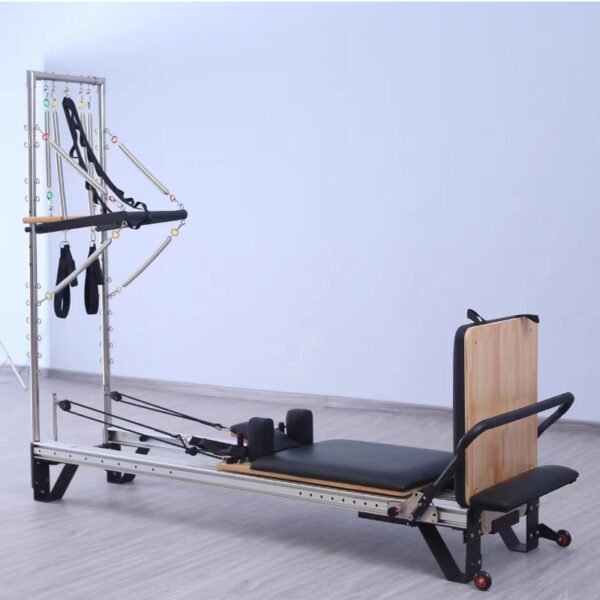
Pilates Reformer with Tower Y05-02 Aluminum Alloy | Commercial Pilates Equipment
Pilates Tower vs Reformer: What Are the Key Differences?
Differences in Structure and Equipment
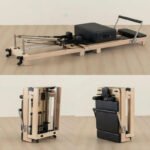
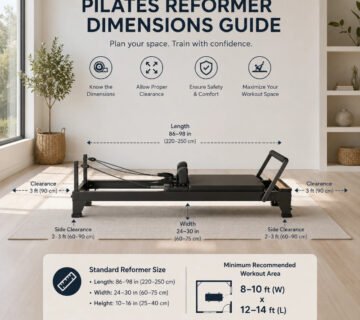
The pilates reformer is a horizontal machine with a moving carriage, while the Pilates Tower is vertical and stationary. The reformer uses horizontal sliding and spring tension, while the tower uses fixed vertical springs. The pilates reformer is longer and takes more floor space, while the tower is narrower and taller. For users who want both, the pilates reformer with tower combines both structures into one versatile machine.
Differences in Exercise Variety and Resistance
The pilates reformer provides dynamic, horizontal resistance ideal for strength and full-body training. The Pilates Tower offers stable vertical resistance that emphasizes stretching and posture. The reformer supports more dynamic movements, while the tower focuses on control and lengthening. The pilates reformer with tower allows users to enjoy both types of resistance in a single workout.
Differences in Space, Cost, and Accessibility
A standalone pilates reformer needs more space and is often more costly. A Pilates Tower saves space and is more budget-friendly for home use. The pilates reformer with tower is an efficient choice that eliminates the need for two separate machines, making it perfect for home gyms and small studios. Both are beginner-friendly with proper instruction.

Which Is Better for Your Pilates Goals: Tower or Reformer?
Best for Beginners and Home Users
The Pilates Tower is often better for beginners due to its stability and compact design. For those who want maximum value, the pilates reformer with tower is an excellent all-in-one option that supports learning and progress without taking extra space.
Best for Full-Body Training and Advanced Workouts
The pilates reformer is ideal for full-body strength and advanced workouts. It offers dynamic, challenging movements that build power and muscle tone. For complete training, the pilates reformer with tower delivers both strength work and flexibility training in one machine.
Best for Rehabilitation and Controlled Movements
The Pilates Tower is gentle and supportive for rehabilitation. The pilates reformer also works well for recovery with its low-impact carriage movement. The pilates reformer with tower is widely used in physiotherapy settings for safe, controlled, and complete recovery programs.
Can You Combine a Pilates Tower and Reformer in One Workout?
Yes, you can absolutely combine Pilates Tower and pilates reformer exercises in one routine, and many professional studios do this. The reformer builds dynamic strength and endurance, while the tower improves flexibility and posture. You can start with strength exercises on the pilates reformer and finish with stretching on the tower. For home users, the pilates reformer with tower is the perfect solution. This all-in-one machine provides the benefits of both pieces of equipment, creating a balanced, comprehensive Pilates workout that supports strength, mobility, control, and overall body awareness.
Conclusion
The pilates reformer and Pilates Tower each have unique strengths. The reformer excels in full-body dynamic training, while the tower is great for space-saving, posture, and flexibility. Beginners and home users may prefer the tower, while advanced users often choose the pilates reformer. For the ultimate versatile setup, the pilates reformer with tower combines everything into one efficient, effective machine. Choosing the right equipment depends on your space, goals, and preferred style of training.
FAQs
Is a Pilates tower the same as a reformer?
No, a Pilates Tower is not the same as a pilates reformer. The reformer is a horizontal sliding machine, while the tower is vertical and stationary. They use different movement patterns and resistance.
Which machine is better for beginners, a Pilates tower or reformer?
The Pilates Tower is often better for beginners because it is stable and easy to learn. However, the pilates reformer with tower is also great for beginners as it grows with their skill level.
Can a Pilates tower replace a reformer for home workouts?
A Pilates Tower can complement but not fully replace a pilates reformer. For a complete home setup, the pilates reformer with tower is the best choice, as it includes both functions in one space-saving machine.

No comment