
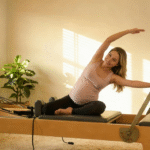
Pregnancy brings profound physical and emotional changes, and safe, gentle exercise is key to supporting maternal health. Pilates reformer workouts, with their controlled movements and adjustable resistance, have become a popular choice for expectant mothers. This guide explores safety, benefits, trimester-specific adaptations, and essential precautions, with a focus on the professional standards to help pregnant women stay strong, comfortable, and confident throughout their journey.
What Is Reformer Pilates and How Does It Work?
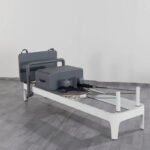
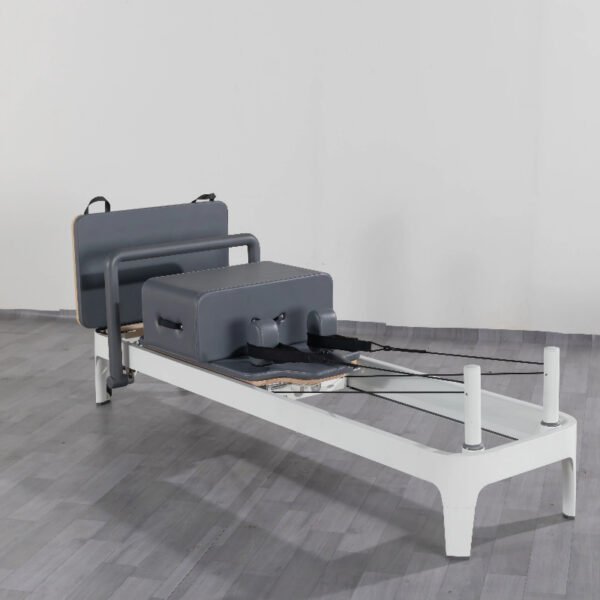
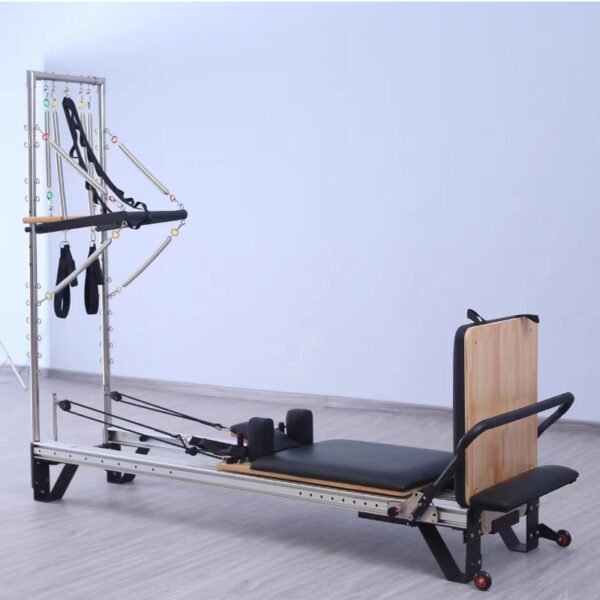
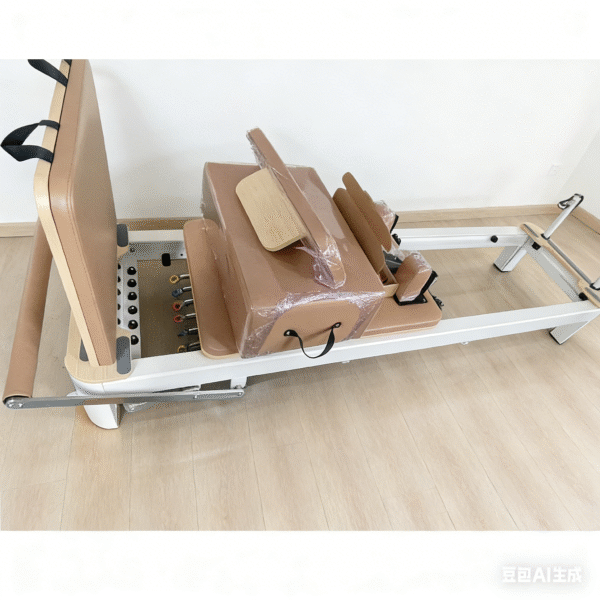
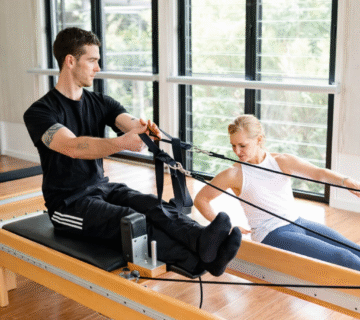
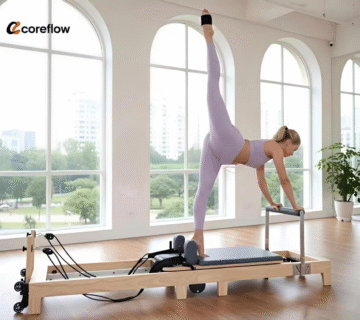
Reformer Pilates is a low-impact exercise method performed on a specialized sliding machine known as a pilates reformer, equipped with springs, straps, and bars. It focuses on controlled, precise movements driven by core strength, stability, and proper alignment. Unlike high-impact workouts, it uses adjustable resistance to challenge muscles gently without straining joints. Especially for the foldable pilates reformer series under the Coreflow brand, when it is folded, its size is only 1200*650*370mm and its weight is only 65 kg. It can be folded easily with just one hand and placed in any corner, thus saving a lot of space. The reformer’s design supports the body, improves posture, and enhances muscle endurance, flexibility, and balance, making it highly suitable for the changing needs of pregnant bodies.
Is Reformer Pilates During Pregnancy Safe?
Pilates Reformer exercise is generally safe for healthy pregnant women when guided by a certified prenatal instructor. Its low-impact nature reduces fall and injury risks, while the supportive equipment comfortably accommodates a growing belly. However, safety depends on individual health: those with high-risk pregnancies, preterm labor, vaginal bleeding, or other complications should avoid it. Always consult a healthcare provider before starting. With professional guidance and proper modifications, reformer Pilates offers a secure way to maintain fitness without endangering mother or baby.
Benefits of Reformer Pilates During Pregnancy
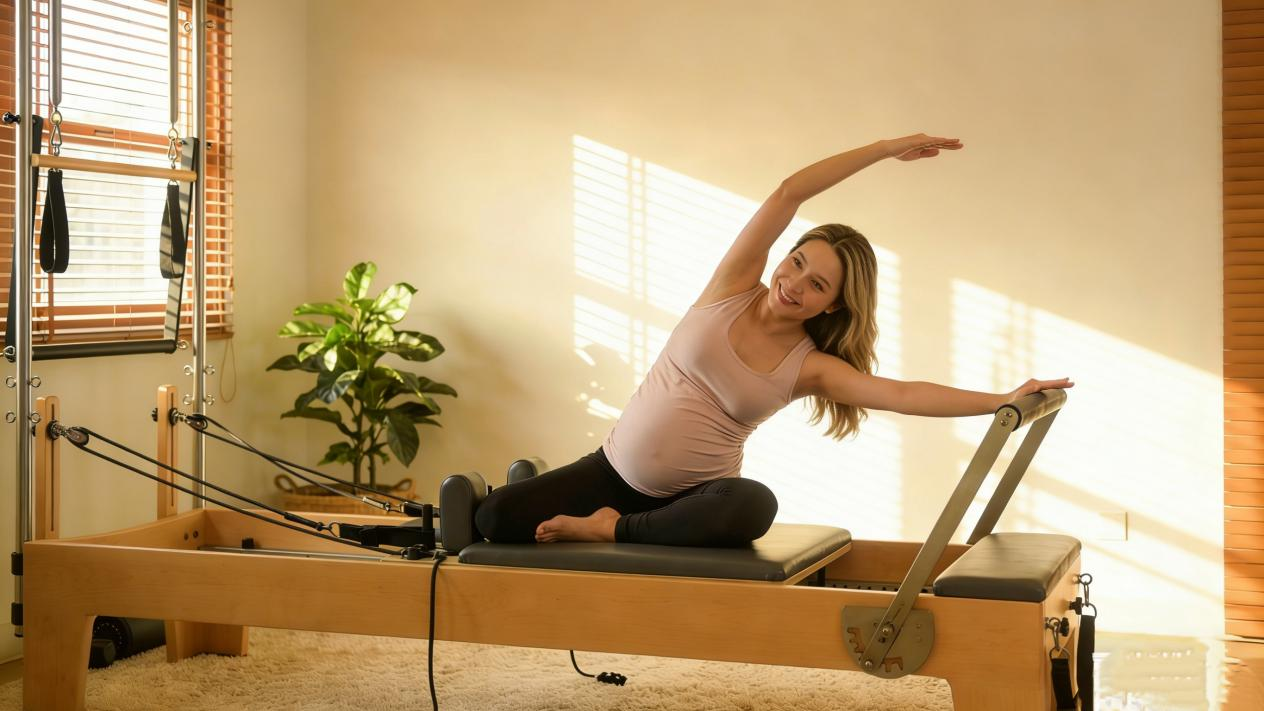
Pilates Reformer training supports pregnancy in multiple ways, especially when following the structured. It strengthens the core and pelvic floor, easing common back pain and improving posture affected by weight gain. Enhanced flexibility and muscle balance prepare the body for labor by promoting better mechanics and stamina. Gentle, consistent movement boosts circulation, reducing swelling and fatigue, while focused breathing calms the nervous system and eases stress. Stronger pelvic muscles also improve labor efficiency and postpartum recovery. The mindful practice also deepens body awareness and connection with the growing baby, supporting overall emotional well being.
How to Adapt Reformer Pilates During Pregnancy for Each Trimester
First trimester: Focus on gentle core activation, breath work, and light strength building. Avoid lying flat for long periods and prioritize comfort. Second trimester: Use modified positions such as side-lying or seated to support the belly. Increase focus on posture, pelvic floor strength, and gentle stretching as the body changes. Third trimester: Emphasize stability, pressure relief, and labor preparation. Use more support, avoid deep stretches or heavy resistance, and choose movements that open the hips and reduce discomfort. Always adjust intensity based on energy levels and physical changes.
Exercises to Avoid While Doing Reformer Pilates During Pregnancy
Pregnant women should avoid high-impact, jarring movements, deep back bends, and full spinal twists, whether using a standard Pilates Reformer or a space-saving foldable pilates reformer. Lying flat on the back after the first trimester may restrict blood flow and should be limited or modified. Avoid rapid direction changes, heavy spring resistance, and intense abdominal crunches. Any movement causing pain, dizziness, shortness of breath, or pelvic pressure is unsafe. Steer clear of jumping, bouncing, or lying on the stomach. These safety guidelines are strictly followed in all prenatal programs.
Conclusion
Pilates Reformer is a valuable, gentle fitness option for pregnant people with medical clearance and professional guidance. Use the professional Pilates fitness equipment from Coreflow,training on a Pilates Reformer or convenient foldable pilates reformer, supports physical strength, comfort, and emotional balance while preparing the body for childbirth and recovery. By following safety guidelines, adapting to each trimester, and avoiding risky exercises, expectant mothers can enjoy a safer, more supported pregnancy journey. Always listen to your body and work with qualified instructors.
FAQs
Can beginners do Reformer Pilates during pregnancy?
Yes, beginners can practice safely with medical approval and a prenatal-certified instructor. Programs are designed to teach basic movements, proper form, and safe modifications, allowing you to build strength gradually even as a beginner—on both full-size and foldable pilates reformer equipment, the most important choice is to select an excellent Pilates equipment manufacturer like Coreflow. This ensures that the carriage of the equipment will be smooth enough when performing body balance exercises. Even after prolonged exposure to sweat, the leather will not crack or release any toxic substances.
How often should pregnant women practice Reformer Pilates?
Most healthy pregnant women benefit from 2–3 sessions per week, allowing rest days for recovery. Frequency depends on fitness level, energy, and personal health. Following the prenatal schedule ensures balanced, sustainable practice for both standard and foldable pilates reformer users.
Can Reformer Pilates during pregnancy help with postpartum recovery?
Yes. Consistent, proper practice on a pilates reformer—following the method—strengthens the core and pelvic floor, supporting faster postpartum recovery, improved abdominal tone, lower risk of incontinence, and a safer return to pre-pregnancy fitness.


No comment