
Pilates has become one of the most widely practiced mind-body exercise systems in the United States, embraced by physical therapists, fitness professionals, and everyday users alike. As interest grows, many people searching for types of Pilates quickly discover that Pilates is not a single, uniform workout—it includes multiple styles, methods, and equipment-based approaches.
Understanding the different types of Pilates can help users make informed decisions based on fitness goals, physical condition, available space, and long-term training needs. Whether practiced at home, in boutique studios, or in rehabilitation settings, Pilates continues to evolve while staying rooted in its original principles.
What Is Pilates and How Did It Evolve?
Pilates was developed in the early 20th century by Joseph Pilates, a German-born physical trainer. Originally called “Contrology,” the method emphasized controlled movement, breathing, alignment, and core stability. The method was first used to help injured soldiers and dancers restore functional strength and mobility.
Today, Pilates is widely adopted in rehabilitation clinics, professional training facilities, and home fitness programs across the United States, reflecting its adaptability and long-term relevance.
What Are the Main Types of Pilates?
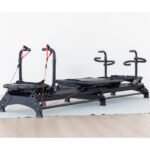
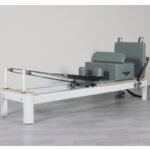
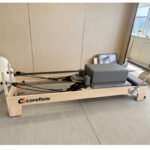
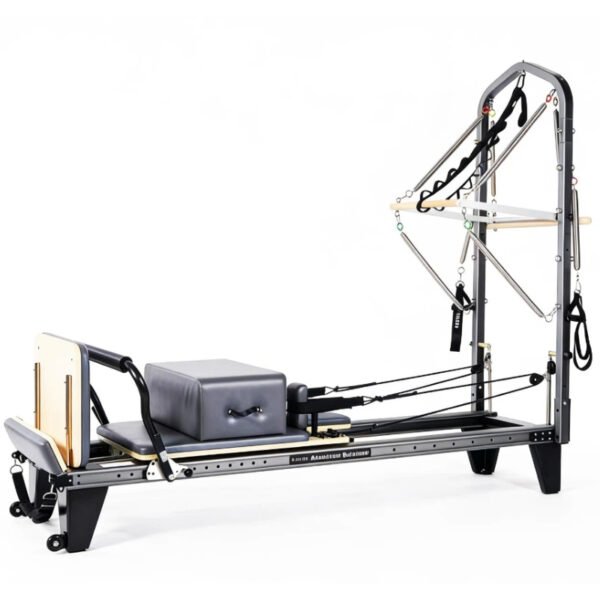
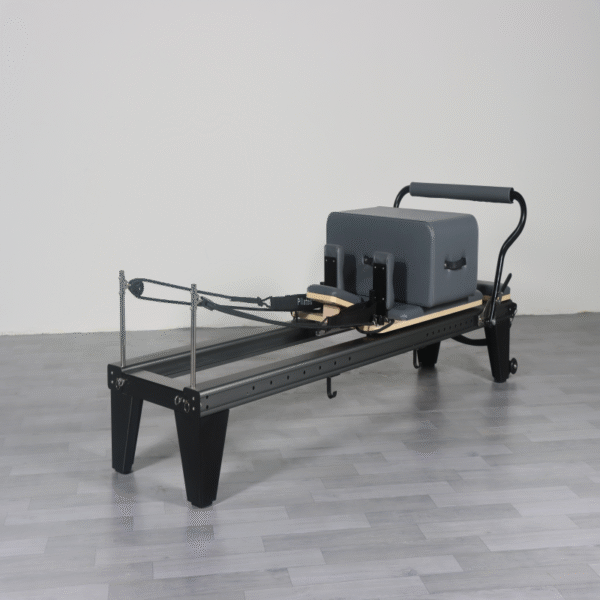
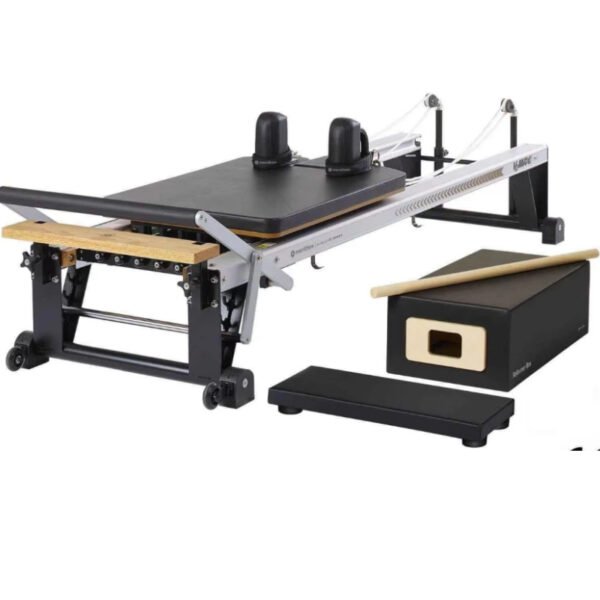
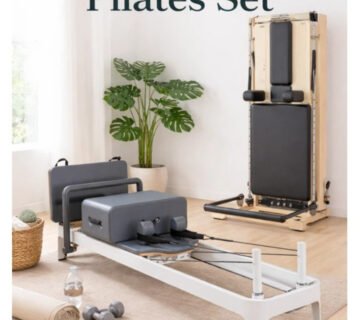
Pilates mainly falls into two categories: mat Pilates and equipment-based Pilates, with the latter focusing on three core equipment. Mat Pilates is basic and accessible, requiring no equipment, only body weight, suitable for beginners to build core strength. Equipment-based Pilates relies on professional tools, including Pilates Reformer, Foldable Pilates Reformer and Ladder Barrel Pilates. Pilates Reformer is the basic model, adjusting intensity via spring resistance, suitable for all people to exercise core and coordination. Foldable Pilates Reformer is an upgraded foldable version, saving space, ideal for home training. Ladder Barrel Pilates focuses on spinal stretching, relieving pressure and improving posture, suitable for long-sitting and rehabilitation people. In addition, classical Pilates follows the original system, while contemporary Pilates optimizes for modern fitness, forming a complete training system together.
How Is Mat Pilates Different from Equipment-Based Pilates?
Mat Pilates relies primarily on gravity and bodyweight to build strength, flexibility, and postural awareness. It requires minimal equipment and can be practiced almost anywhere.
Equipment-based Pilates introduces specialized apparatus designed to guide movement and provide adjustable resistance. One of the most widely used systems is the
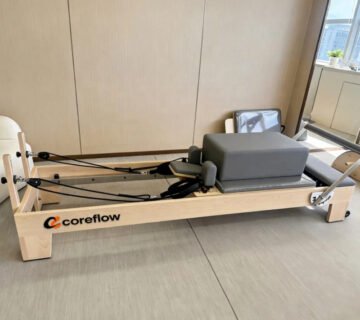
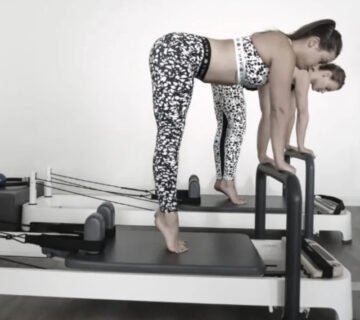
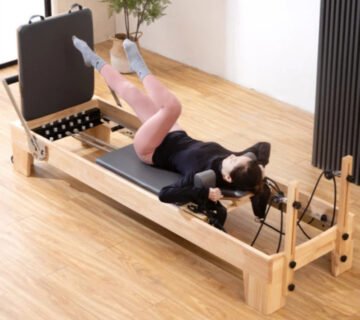
Pilates Reformer, which uses springs, a sliding carriage, and straps to create consistent resistance and feedback throughout each exercise.
Compared to mat Pilates, equipment-based Pilates may offer:
More precise resistance control
Greater joint support and alignment assistance
A broader range of progressive exercises
For users who want the benefits of Reformer training but have limited space at home, the
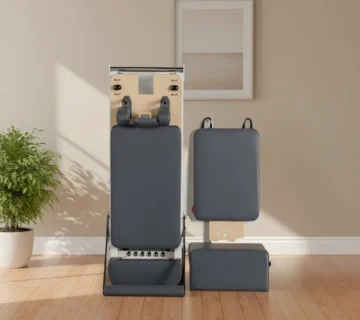
Foldable Pilates Reformer provides a practical solution without requiring a dedicated studio room.
What Are the Modern Pilates Variations You Should Know?
Modern Pilates variations reflect advances in movement science and changing user needs.
Clinical Pilates is often used in rehabilitation environments.
Athletic Pilates supports performance and cross-training.
Functional Pilates emphasizes daily movement efficiency.
In studio settings, additional equipment is often incorporated to enhance spinal mobility and posture. For example,
ladder barrel pilates exercises are commonly used to improve spinal extension, flexibility, and alignment awareness.
These variations allow Pilates to remain adaptable while preserving its core principles.
Which Type of Pilates Is Best for Your Goals?
There is no single Pilates style that suits everyone. The best choice depends on individual goals, physical condition, and available space.
For general fitness and flexibility: Mat Pilates or Contemporary Pilates
For controlled strength and progression: Reformer Pilates
For home use with space constraints: Foldable Reformer options
For posture and spinal mobility: Ladder Barrel–based training
Many practitioners combine multiple Pilates types over time for more balanced results.
Conclusion
Pilates types and equipment adapt to different needs, with core “precise control and integration of body and mind”. Mat Pilates builds the foundation, while Pilates Reformer, Foldable Pilates Reformer and Ladder Barrel Pilates fit basic, home and spinal correction training respectively. Whether you are a beginner, advanced practitioner, or have rehabilitation/home training needs, you can find the right way via these three equipment. Insist on scientific training to gain a strong core, balanced posture and physical comfort.
FAQs
What are the most popular types of Pilates?
Mat Pilates and Reformer Pilates are among the most commonly practiced styles in the United States due to their accessibility and adaptability.
Is reformer Pilates better than mat Pilates?
They fit different scenarios. Pilates Reformer helps find force easily, adjusts intensity, suitable for rehabilitation/advanced training (foldable version solves space issues) but needs equipment and higher initial investment. Mat Pilates is portable, good for core control but requires better foundation. Beginners start with mat Pilates, then advance with Pilates Reformer.Can beginners practice all types of Pilates safely?
Can beginners practice all types of Pilates safely?
Beginners prefer mat Pilates and basic Pilates Reformer (low resistance, gentle). Foldable Pilates Reformer is accessible but start with low resistance. Ladder Barrel Pilates requires spinal flexibility, practice under guidance. Avoid high-intensity types, try gradually after mastering correct force.
Have you given Reformer Pilates a try? Let us know your story in the comments!

No comment