
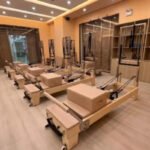
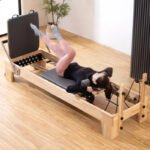
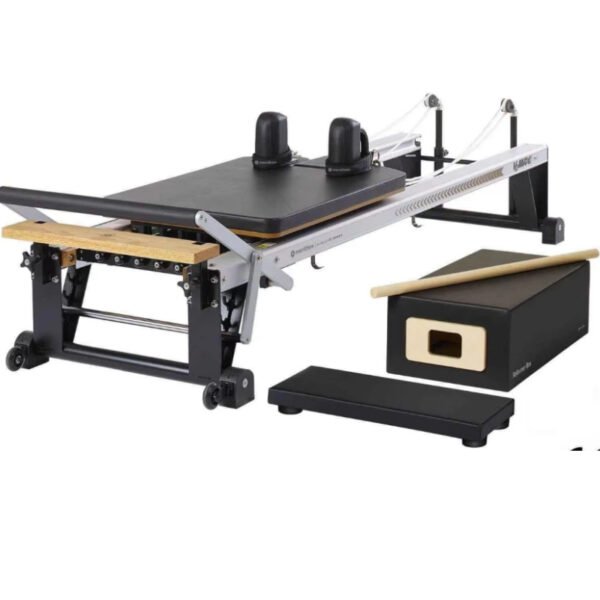
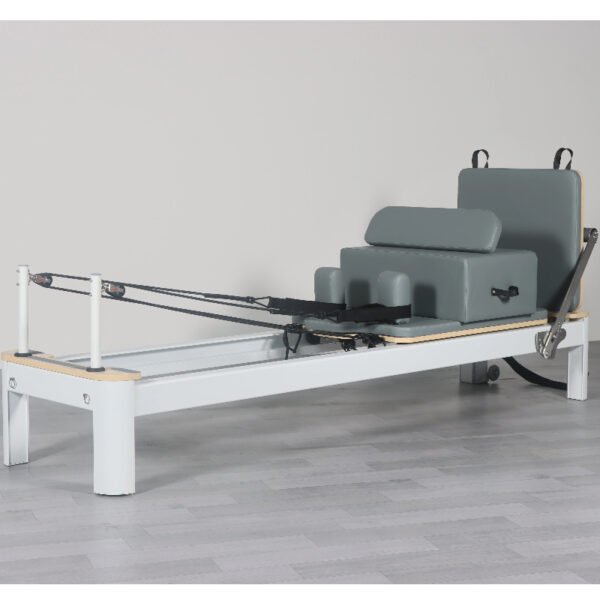
Tower Pilates has become increasingly popular in modern studios and home fitness spaces. Combining classic Pilates principles with spring-based resistance training, the Pilates tower system offers a versatile way to build strength, improve flexibility, and enhance body awareness. Whether you are completely new to Pilates or looking to upgrade your studio equipment, understanding how tower Pilates works can help you make smarter training and purchasing decisions. This beginner-friendly guide explains what tower Pilates is, how the system functions, and who can benefit most from using it.
What Is Tower Pilates?
Tower Pilates is a form of equipment-based Pilates training that uses a vertical frame—commonly called a “tower”—attached to a mat table or reformer base. The tower includes adjustable springs, bars, straps, and push-through mechanisms that provide controlled resistance and support during exercises.
Unlike purely mat-based Pilates, tower Pilates allows practitioners to perform both assisted and resistance-based movements. This makes it suitable for rehabilitation, strength development, and mobility training. The system supports a wide range of exercises targeting the core, upper body, lower body, and spine.
Because resistance can be adjusted easily, tower Pilates works well for beginners while still offering enough challenge for advanced users. Instructors can tailor workouts based on individual fitness levels, making it a versatile solution for both group classes and private sessions.
How Does a Pilates Tower Work?
A Pilates tower works by using spring tension and gravity to create resistance or assistance during movements. Users lie, sit, kneel, or stand near the tower frame while interacting with bars and straps connected to springs. By pushing or pulling against spring resistance, muscles are engaged in a controlled and balanced way.
The adjustable nature of the springs allows instructors to modify intensity instantly. Lighter tension can help beginners learn correct movement patterns, while stronger resistance increases strength and stability demands. The vertical structure also enables exercises that support spinal alignment and posture correction.
Another key advantage is movement precision. Springs create constant feedback, helping users maintain proper form and avoid momentum-based movement. This controlled environment makes the Pilates tower especially valuable in injury prevention and rehabilitation settings.
What Equipment Is Usually Included in a Pilates Tower?
Typical tower systems include:
- Push-through bar
- Roll-down bar
- Arm and leg springs
- Safety straps
- Adjustable hooks and eyelets
- Mat or reformer platform
These components allow a wide variety of functional, strength, and stretching exercises.
What Benefits Can You Get from Tower Pilates?
Tower Pilates provides a balanced workout that combines strength training, flexibility work, coordination, and posture improvement. Because movements are performed slowly and with control, muscles are activated more efficiently than in many traditional workouts.
Regular practice can help improve core stability, joint mobility, muscular endurance, and body alignment. Many users also notice better balance and reduced back discomfort due to improved spinal support and deep muscle activation.
Another major benefit is adaptability. Tower Pilates suits people recovering from injury, beginners developing body awareness, or athletes looking to enhance performance. The equipment allows progression over time, making it a long-term training solution rather than a short-term fitness trend.
How Can Tower Pilates Help with Strength and Flexibility?
Spring resistance builds functional strength while encouraging full-range movement. This combination helps lengthen muscles rather than creating bulk, improving flexibility and coordination simultaneously.
Why Do Many Pilates Studios Include the Tower System?
Studios value tower systems because they maximize exercise variety without requiring large floor space. Towers also allow instructors to offer both rehabilitation-focused sessions and dynamic group classes using the same equipment.
Tower Pilates vs. Reformer Pilates: What’s the Difference?
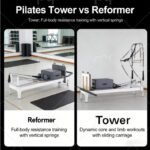
While both tower Pilates and reformer Pilates use springs and resistance training, their structures and movement styles differ. Reformers use a sliding carriage that moves horizontally, creating dynamic instability and flow-based sequences. Tower systems, on the other hand, are more stationary and emphasize vertical resistance and supported stretching.
Tower Pilates often allows deeper spinal articulation and assisted mobility work, making it especially useful for beginners or clients needing extra support. Reformer Pilates may feel more athletic and rhythm-based due to continuous carriage movement.
Both systems complement each other well, and many studios integrate tower attachments into reformers to offer combined training options.
Which Option Might Be Better for Beginners?
Beginners may find tower Pilates easier to control because movements are slower and more supported. However, a reformer with tower functionality can provide the best of both worlds.
CoreFlow Pilates Tower Equipment: Options for Studios and Home Users
Core Flow offers professional Pilates tower equipment designed for durability, performance, and user comfort. Whether for boutique studios or home fitness enthusiasts, the brand provides flexible configurations to suit different training environments.
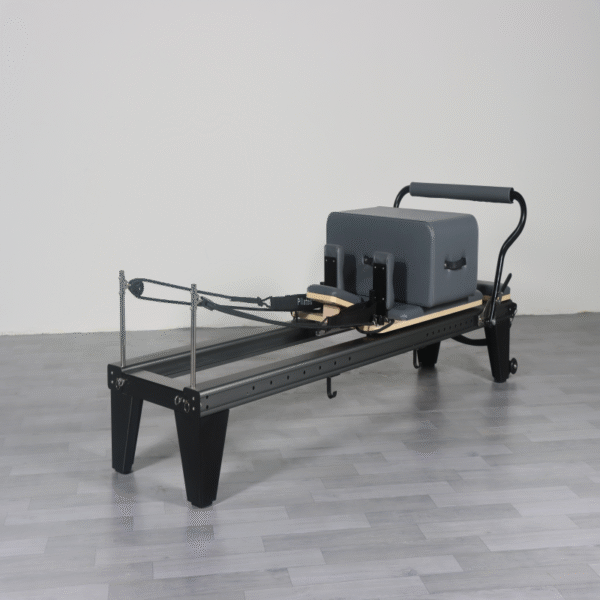
The Pilates Reformer With Tower combines a smooth-gliding carriage with a sturdy vertical tower frame, enabling both dynamic reformer workouts and controlled tower exercises. This hybrid design helps studios maximize class variety while saving space.
For advanced training and rehabilitation settings, the Cadillac Pilates system delivers full functionality with trapeze features, multiple spring attachment points, and extensive exercise possibilities. It is often considered the most comprehensive piece of Pilates equipment.
What Features Make CoreFlow Pilates Towers Stand Out?
Key advantages include:
- High-strength steel frames for long-term stability
- Precision spring systems for smooth resistance
- Adjustable components for different body sizes
- Comfortable padding and ergonomic design
- Space-efficient configurations for modern studios
Who Might Benefit from Tower Pilates?
Tower Pilates is suitable for a wide range of users, including beginners, office workers with posture concerns, athletes seeking mobility improvements, and individuals recovering from minor injuries. Its adjustable resistance and supportive structure make it accessible without compromising workout effectiveness.
Studios also benefit from offering tower classes because they attract clients looking for low-impact yet results-driven training. Home users who prefer guided, controlled workouts may also find tower systems a worthwhile investment.
Is Tower Pilates Suitable for Beginners?
Yes. With proper instruction and light spring tension, beginners can safely learn foundational Pilates movements and gradually build strength and confidence.
Conclusion
Tower Pilates is a versatile and beginner-friendly training method that combines strength, flexibility, and body awareness in one structured workout. With equipment options like the Core Flow Pilates Reformer With Tower and Cadillac Pilates, both studios and home users can access professional-level training solutions. As Pilates continues to evolve, tower systems remain a practical and effective choice for modern fitness spaces.
FAQs
What is the difference between tower Pilates and wall Pilates?
Tower Pilates uses spring-based equipment to provide resistance and assistance, while wall Pilates typically relies on bodyweight exercises performed against a wall. Tower systems offer greater exercise variety and progression options.
Can beginners start with tower Pilates?
Yes. Beginners can start with tower Pilates under guidance, using lighter springs and basic movements to build proper technique and strength.
Do you need a reformer to use a Pilates tower?
No. Some tower systems attach to reformers, but standalone tower or Cadillac equipment can be used independently for a complete Pilates workout.

No comment