
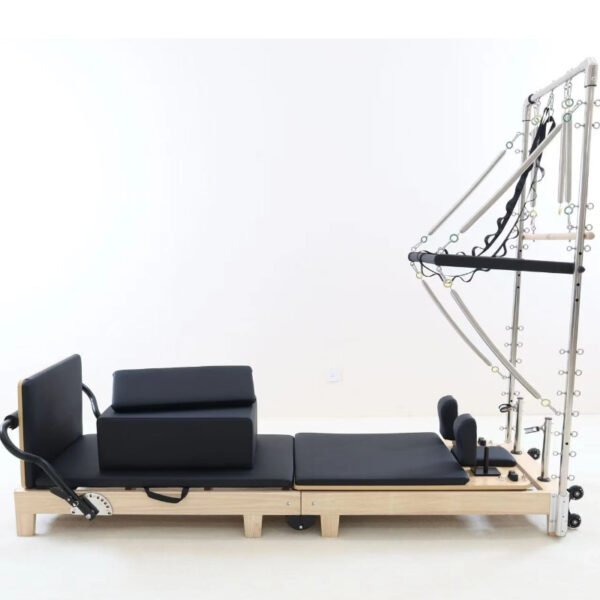
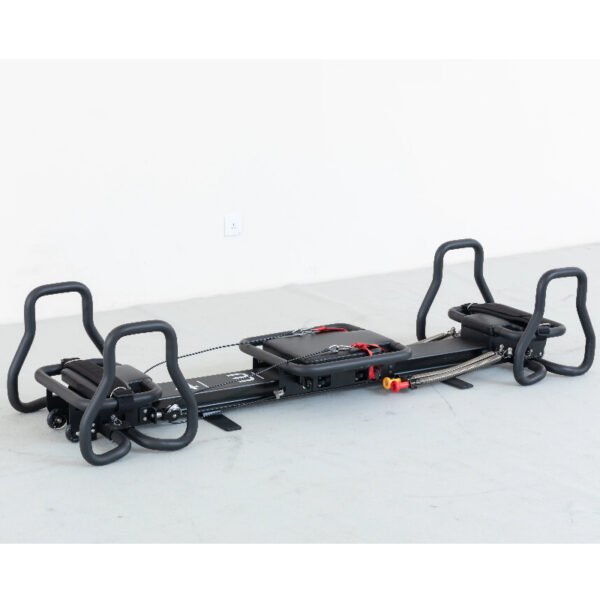





Gyrotonic is a unique, holistic movement system that blends flowing dance motions, gentle spinal rotation, breathwork, and controlled strength training. Rooted in fluid, circular movements, it stands apart from rigid workout styles, focusing on connecting the mind, body, and breath. Using specialised equipment like the gyrotonic tower, this practice has grown into a favourite among fitness enthusiasts, dancers, rehabilitation clients, and anyone seeking low-impact, full-body wellness. This guide breaks down exactly what gyrotonic is, its benefits, what a session entails, and how it compares to other popular movement methods.
What Is Gyrotonic and Why Is It Becoming So Popular?
Gyrotonic is a mind-body exercise method created to mimic the body’s natural spiral and circular movements, prioritising spinal health, joint mobility, and rhythmic breathing over repetitive static reps. Unlike conventional workouts that isolate muscle groups, gyrotonic engages the entire body in continuous, wave-like motions, unlocking tight fascia and encouraging natural range of motion. Its rising popularity stems from its low-impact nature, making it gentle on joints while still building functional strength. Many people turn to it for stress relief, posture correction, and breaking workout plateaus. The use of the gyrotonic tower adds adjustable resistance and support, letting practitioners move freely without straining, appealing to busy adults, professional athletes, and wellness lovers alike who crave movement that nourishes rather than exhausts the body.

How Does the Gyrotonic Method Improve Strength, Mobility, and Posture?
The Gyrotonic method targets deep intrinsic muscles that regular workouts often neglect, building lean, functional strength rather than bulky muscle mass. Its signature spiral and rotational spinal movements stretch and mobilise every vertebra, releasing stiffness in the neck, shoulders, lower back, and hips to drastically boost overall mobility. Every movement is synced with intentional breathing, which oxygenates muscles and soft tissues, further loosening tight joints and fascia. For posture, gyrotonic retrains muscular imbalances caused by sitting for long hours, hunching over screens, or uneven daily movement. It strengthens the core, upper back, and pelvic floor to pull the body into its natural upright alignment. Supported by the guided resistance of the gyrotonic tower, movements are precise yet fluid, gradually correcting slouching, rounded shoulders, and anterior pelvic tilt while keeping the body balanced and supple long-term.
What Can You Expect During a Gyrotonic Session?
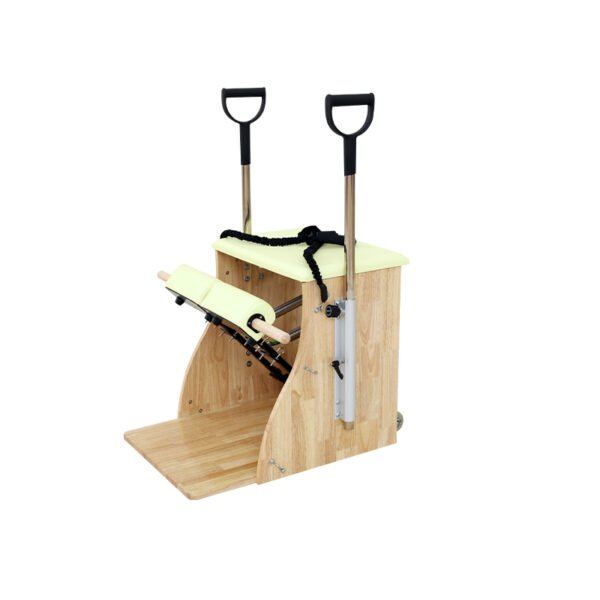
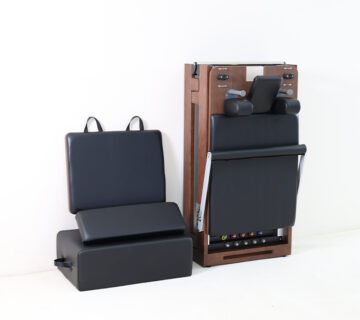
A typical Gyrotonic session is one-on-one or in a small group, led by a certified instructor who guides you through slow, intentional sequences. Sessions usually last 45 to 60 minutes and begin with focused breathwork to centre the mind and warm up the spine. You will work primarily on the gyrotonic tower, adjusting its pulleys and handles to match your fitness level and body limitations. The instructor will lead you through circular, twisting, and undulating movements targeting the spine, limbs, and core, with constant cues for proper form and breathing. There is no rushed intensity; each motion flows seamlessly into the next. The session ends with gentle stretching and relaxation, leaving you feeling loose, energised, and mentally calm rather than sore or drained. No prior movement experience is required to follow along comfortably.
Gyrotonic vs Pilates: Which Movement System Is Right for You?
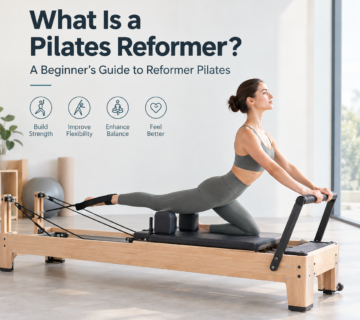
While both Gyrotonic and Pilates are mind-body low-impact practices, their core styles differ greatly. Pilates focuses heavily on controlled, precise, linear movements to build core stability, isolate muscles, and strengthen deep abdominal and back muscles with structured, repetitive motions. Gyrotonic, by contrast, prioritises fluid, spiral, dance-like movement and spinal mobility, emphasising continuous flow over static holds. Pilates is ideal for those wanting targeted core strength and injury rehabilitation with rigid form discipline. If you prefer dynamic, flowing motion, love dance-inspired workouts, or struggle with spinal stiffness, gyrotonic and the supportive gyrotonic tower will suit you better. Those who want calm, structured precision may lean toward Pilates, while anyone craving free, natural body movement will thrive with Gyrotonic.
Is Gyrotonic Suitable for All Ages and Fitness Levels?
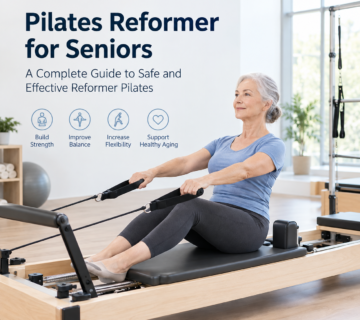
Absolutely, Gyrotonic is incredibly inclusive and adaptable for every age and fitness level. From young adults and busy office workers to seniors and postnatal individuals, the practice can be modified to suit physical abilities, injuries, or limited mobility. Beginners, seasoned athletes, and those recovering from chronic pain can all adjust movements and resistance on the gyrotonic tower to match their capacity. It is gentle enough for older adults looking to maintain joint flexibility and balance, yet challenging enough for athletes aiming to boost agility and functional movement. There is no minimum fitness requirement, making gyrotonic a lifelong movement practice anyone can start at any stage of life.
Conclusion
Gyrotonic is far more than a standard workout—it is a holistic fluid movement method that unites breath, motion, and mental focus to enhance strength, mobility, posture, and overall wellbeing. With the support of the gyrotonic tower, it delivers low-impact, full-body benefits suitable for nearly everyone, regardless of age or fitness background. Whether you want to fix poor posture, recover from injury, boost flexibility, or enjoy a mindful alternative to gym training, gyrotonic offers a sustainable, gentle way to care for your body long-term. Its unique flowing style sets it apart from Pilates and traditional workouts, making it a worthwhile addition to any wellness routine.
FAQs
Is Gyrotonic suitable for beginners?
Yes, Gyrotonic is perfect for beginners. Certified instructors tailor every movement to new practitioners, and the adjustable gyrotonic tower provides full support to master basic form without pressure. No dance or fitness experience is needed to start your first session comfortably.
Can Gyrotonic support recovery and flexibility?
Definitely. The gentle spiral and stretching motions of gyrotonic release tight fascia, ease joint tension, and aid muscle and soft tissue recovery. It is widely used for post-injury rehabilitation, chronic back pain relief, and steadily improving overall body flexibility over time.
How many times a week should you practice Gyrotonic?
For optimal results, practicing Gyrotonic 2 to 3 times per week is ideal. Consistent weekly sessions help build strength, fix posture, and boost mobility faster. Even once a week offers noticeable benefits for stress relief and maintaining spinal flexibility for those with busy schedules。


No comment