





The debate of gyrotonic vs pilates is common among fitness enthusiasts seeking flexibility, strength, and improved body awareness. Both methods focus on controlled, mindful movement but differ in equipment, movement patterns, and training philosophy. Gyrotonic emphasizes flowing, circular motions to enhance joint mobility and spinal articulation, while Pilates centers on core strength, stability, and posture. Understanding these differences helps you choose the best method for your fitness goals, whether for rehabilitation, athletic performance, or home practice using professional equipment from CoreFlow.
What Are the Main Differences Between Gyrotonic and Pilates?
Gyrotonic and Pilates share similarities but also have distinct differences that affect how they train the body.
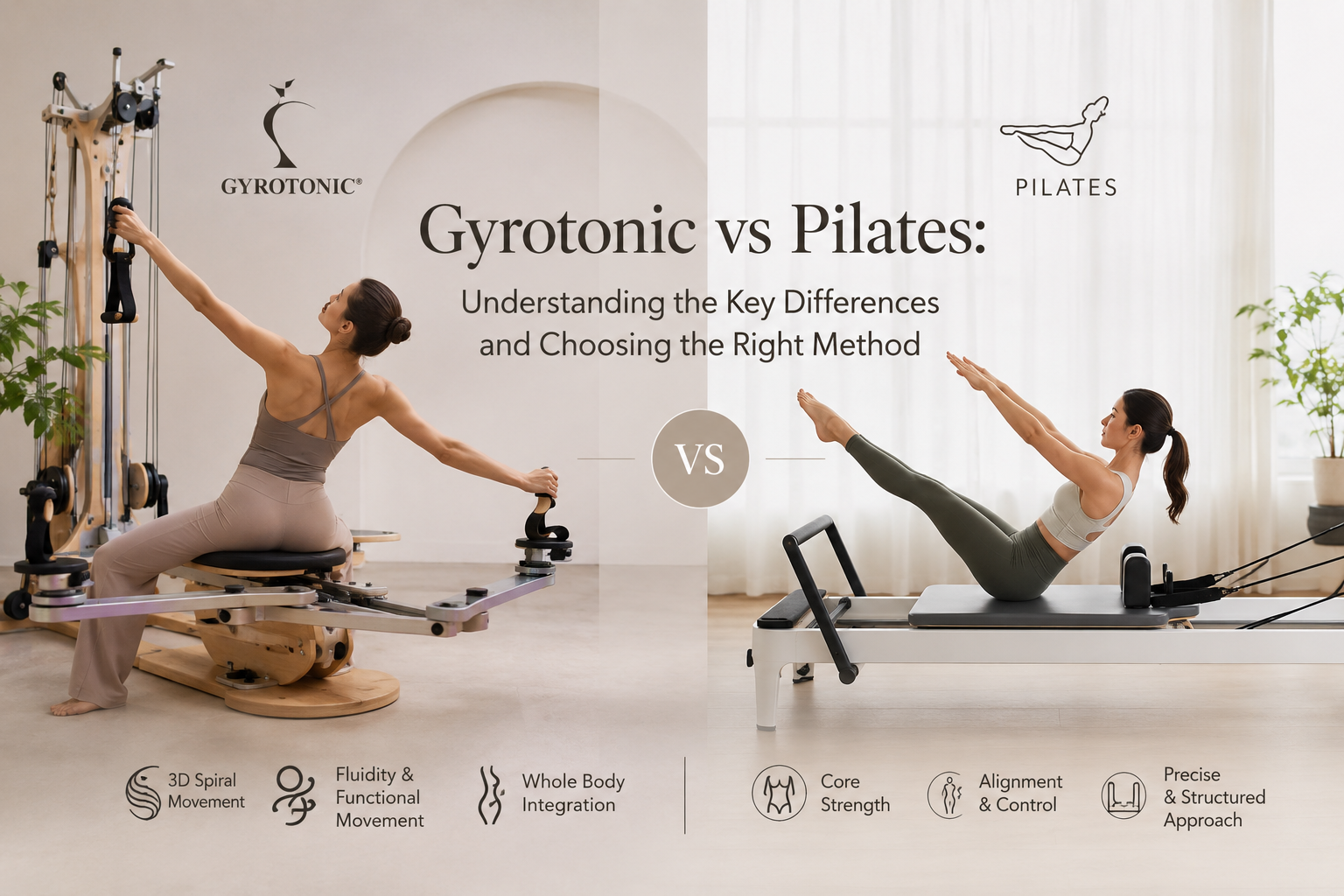
Gyrotonic is a holistic movement system that incorporates spiraling, circular motions to promote joint mobility, spinal flexibility, and rhythmic breathing. It is highly fluid and often described as a “three-dimensional” approach to movement. Sessions typically include continuous, flowing exercises that engage multiple muscle groups simultaneously, emphasizing range of motion over muscular resistance.
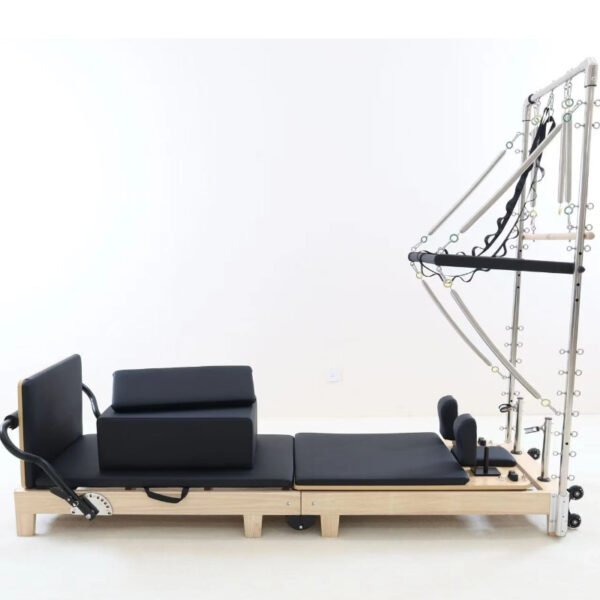
Pilates, in contrast, focuses on controlled, precise movements with an emphasis on core activation, spinal alignment, and muscular endurance. Exercises are often linear or isolated, targeting specific muscle groups while maintaining body stability. Pilates can be performed on a mat or specialized equipment like the Pilates Reformer, Cadillac, or Tower.
Another key distinction is intensity and focus. Gyrotonic promotes fluidity and rehabilitation through movement exploration, while Pilates emphasizes strength, posture, and functional alignment. Together, pilates and gyrotonic can complement each other, offering both stability and mobility benefits.
How Does Gyrotonic Training Improve Flexibility, Mobility, and Body Control?
Gyrotonic training enhances flexibility and mobility by guiding the body through flowing, spiraling movements that extend the spine and articulate the joints. These exercises increase range of motion in the shoulders, hips, and spine, improving overall fluidity and posture.
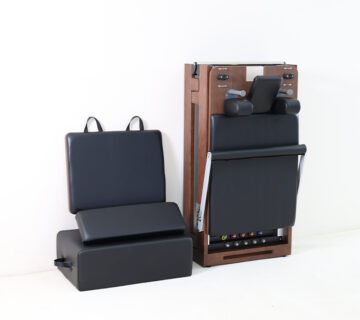
The equipment used in Gyrotonic, such as the Pulley Tower Combination Unit, allows for multi-planar movements under controlled resistance. This supports joint health, reduces stiffness, and encourages dynamic stretching without forcing the body.
Body control is also improved through rhythmic, coordinated movement sequences that challenge balance and proprioception. By integrating breath with motion, Gyrotonic enhances neuromuscular coordination and awareness, allowing practitioners to move with greater precision and efficiency.
For those seeking a rehabilitation-focused or low-impact exercise method, Gyrotonic offers a gentle but highly effective approach to increasing flexibility, mobility, and overall body control.
What Are the Core Benefits of Pilates for Strength and Posture?
Pilates emphasizes controlled movement patterns that strengthen the core, back, and stabilizing muscles, which directly improves posture and alignment. Exercises are designed to activate deep abdominal muscles, the pelvic floor, and spinal stabilizers, creating a strong foundation for all movements.
The method also develops muscular endurance and functional strength without heavy impact. Whether using a mat or equipment like a Reformer or Cadillac, Pilates encourages correct spinal alignment, shoulder stability, and efficient movement patterns.
Additionally, Pilates enhances body awareness, which helps reduce the risk of injury and supports rehabilitation from existing conditions. Flexibility is improved through controlled stretching integrated into exercises, while balance and coordination are refined.
Overall, Pilates provides a structured, strength-focused approach that promotes long-term postural health, core stability, and total-body control—making it ideal for those seeking a balance of strength and alignment.
Gyrotonic vs Pilates: Which Method Is Better for Rehabilitation, Athletic Training, and Daily Fitness?
Both Gyrotonic and Pilates are valuable tools for different goals.
For rehabilitation, Gyrotonic often excels because its flowing, low-impact movements gently mobilize joints and improve spinal flexibility, supporting recovery without overloading muscles. Pilates is also beneficial in rehab settings, particularly for strengthening the core and correcting posture, but it may require more control and guidance.
Athletes often benefit from combining both methods. Gyrotonic enhances mobility, coordination, and dynamic flexibility, while Pilates builds strength, stability, and muscular endurance. Together, pilates and gyrotonic can create a comprehensive training program that addresses both mobility and power.
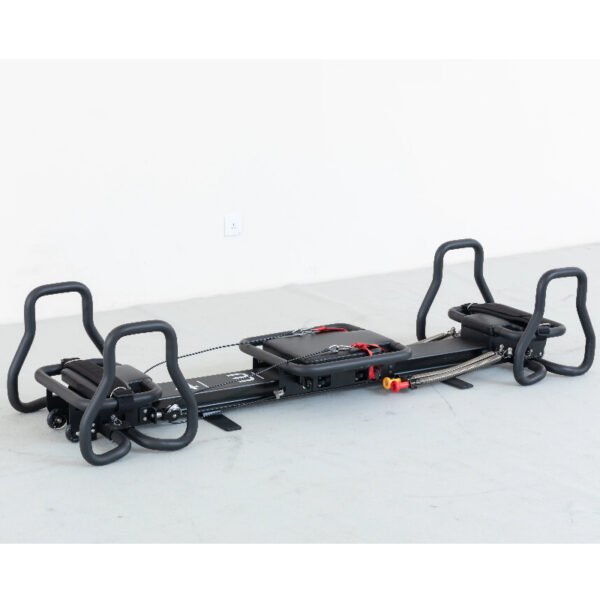
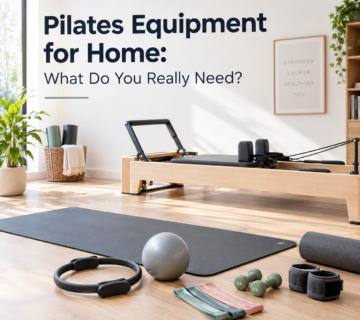
For daily fitness, Pilates is accessible and adaptable for home or studio settings, particularly with equipment like CoreFlow Pilates Reformers, towers, and spine correctors. Gyrotonic is excellent for improving joint health, fluid movement, and flexibility, but specialized equipment may limit home accessibility.
Ultimately, the choice depends on your goals. For flexibility, mobility, and joint health, Gyrotonic is ideal; for core strength, posture, and full-body conditioning, Pilates is highly effective.
What Equipment Is Used in Gyrotonic and Pilates Training?
Gyrotonic training relies on specialized machines such as the Pulley Tower Combination Unit, Archway, and Jumping-Stretch Board. These allow three-dimensional, flowing movements with adjustable resistance. The equipment’s unique design promotes spinal articulation and multi-plane motion, supporting fluid, controlled exercises.
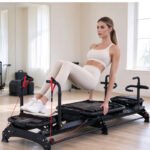
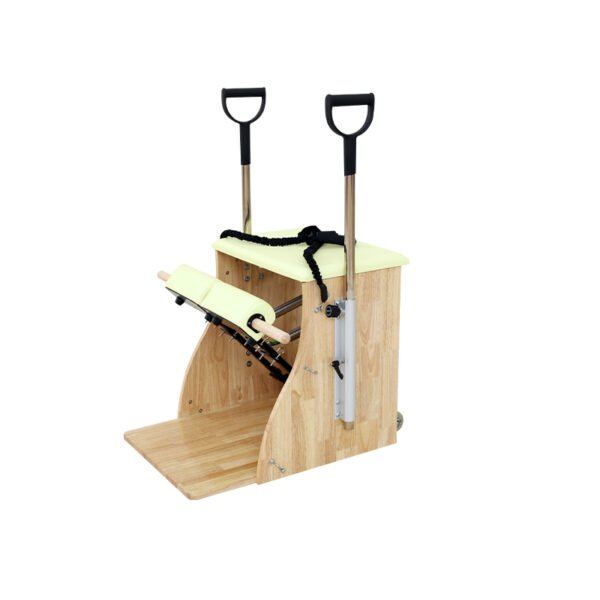
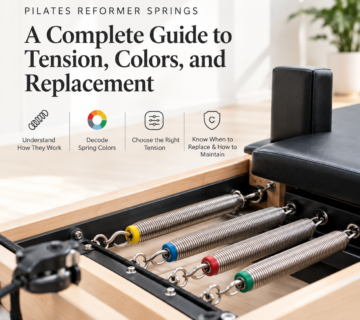
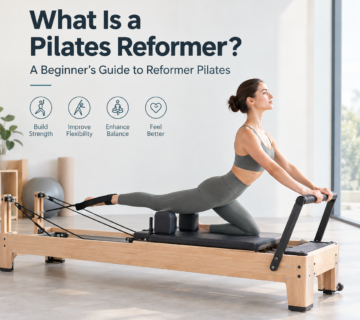
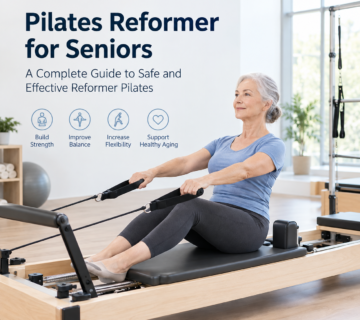
Pilates uses a combination of mat exercises and apparatus-based workouts. Popular equipment includes the Pilates Reformer, Cadillac, Tower, and spring boards. These tools use springs, straps, and movable carriages to provide resistance for strength, core stabilization, and flexibility.
While Gyrotonic equipment is highly specialized and usually studio-based, Pilates machines from CoreFlow are available for both home and commercial use, offering durability, precision, and versatility. This makes Pilates more accessible for home practitioners without compromising the quality of training.
Conclusion
Choosing between gyrotonic vs pilates depends on your fitness goals, space, and training preferences. Gyrotonic excels at improving mobility, flexibility, and fluid movement, making it ideal for rehabilitation and athletic conditioning. Pilates emphasizes core strength, posture, and overall body control, offering a structured and accessible approach suitable for all levels. For comprehensive training, combining both methods—or starting with Pilates equipment from CoreFlow—can provide a balanced and effective fitness experience.
FAQs
Can Gyrotonic and Pilates be practiced together?
Yes. Combining both methods can provide benefits in flexibility, mobility, core strength, and overall body control.
Is Gyrotonic or Pilates better for beginners?
Pilates is generally more accessible for beginners, especially with equipment like CoreFlow Reformers and spring boards. Gyrotonic may require instruction due to specialized machines.
What is the difference between Gyrotonic equipment and Pilates reformers?
Gyrotonic equipment is designed for flowing, three-dimensional movements, while Pilates reformers focus on controlled, resistance-based exercises targeting strength, flexibility, and alignment.

No comment