






Pilates Reformer training has grown hugely popular among fitness newcomers, thanks to its low-impact, full-body strengthening and posture-correcting benefits. Unlike regular mat workouts, the reformer uses sliding carriages, resistance springs, straps and pulleys to support and challenge your body at every movement level. This beginner’s guide breaks down everything new users need to know: basic equipment knowledge, correct setup, foundational exercises, common errors to skip, and simple tips to boost progress. Whether you train at a studio or own a home reformer, this guide helps you start safely, build proper form, and get the most out of every session without strain or injury.
What Is a Pilates Reformer and How Does It Work?
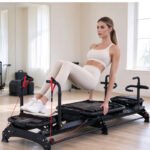
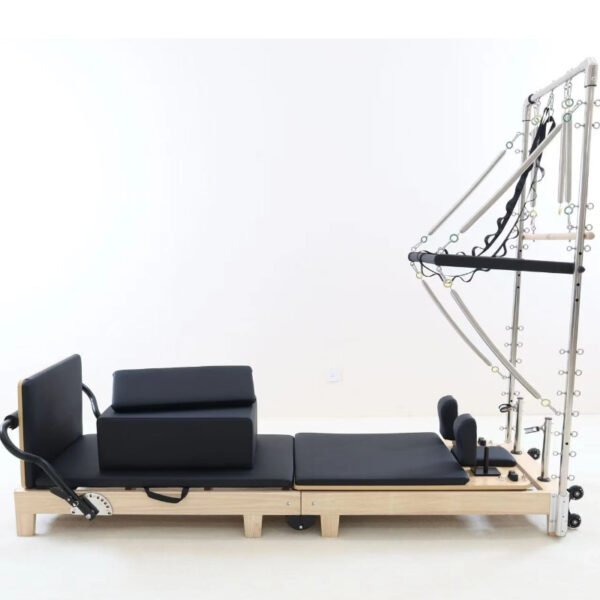
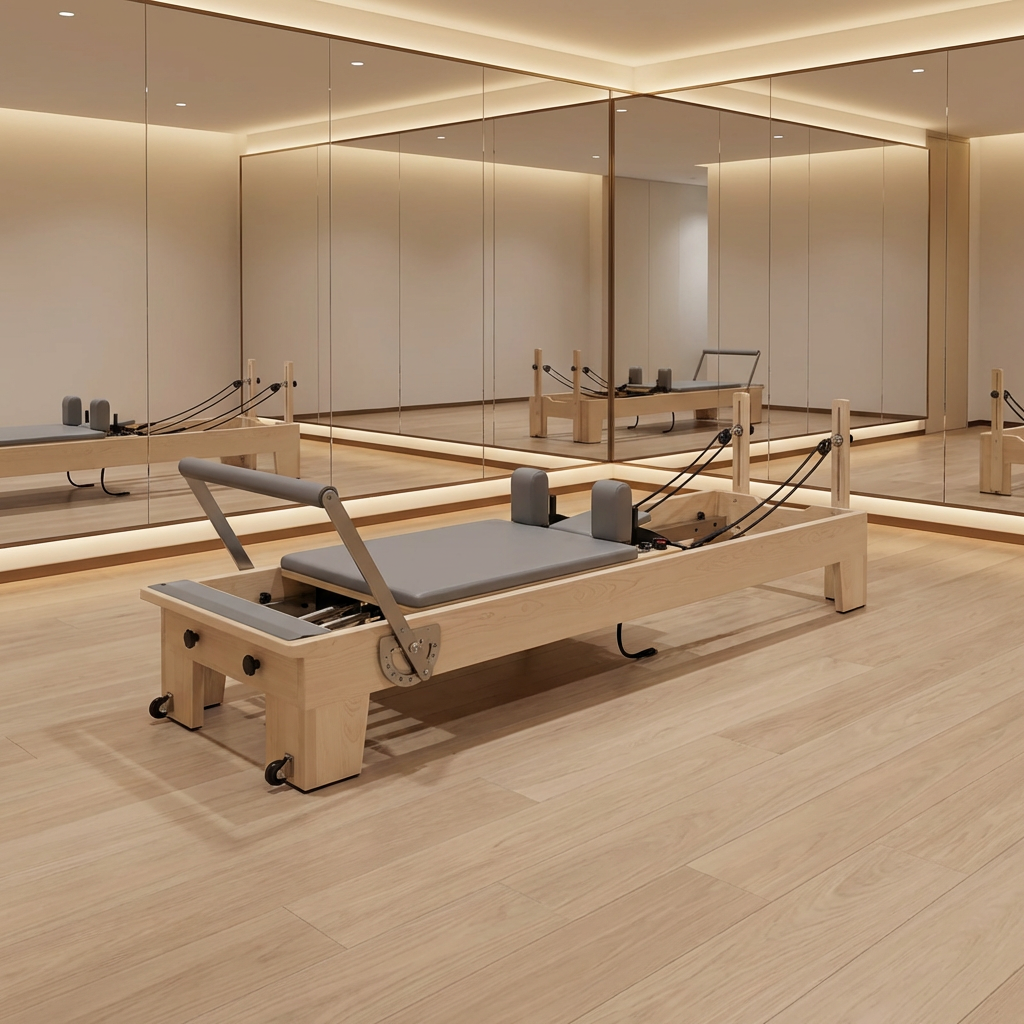
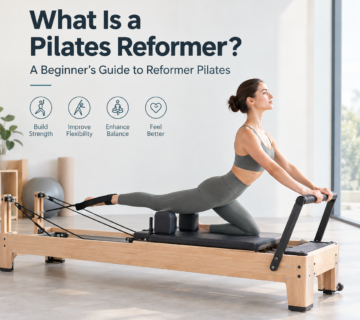
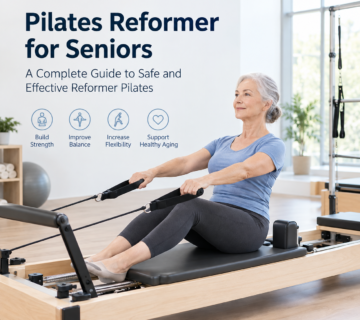
A Pilates Reformer is a signature piece of exercise equipment designed originally to rehabilitate injuries, now a staple for fitness, core strength and body sculpting. It features a movable sliding carriage on a fixed frame, adjustable resistance springs, shoulder blocks, headrest, foot bar and padded straps. The machine works by using spring tension to create variable resistance that adapts to your body weight and movement range. As you push, pull, slide or lift on the carriage, the springs challenge your core, glutes, legs, arms and back evenly. It stabilizes improper alignment, supports weak muscle groups, and forces controlled, precise movements. This controlled resistance helps beginners learn muscle engagement without overexertion, making it ideal for building foundational strength safely.
Why Should Beginners Learn How to Use a Pilates Reformer?
Beginners greatly benefit from starting Pilates with a reformer rather than only mat work, for multiple key reasons. First, the machine provides structural support, reducing pressure on the lower back, knees and joints, perfect for those new to fitness or with tight muscles. It teaches proper body alignment and neutral spine posture from day one, fixing slouching and muscular imbalances. The adjustable spring resistance lets newcomers start light and gradually build strength without overtraining. Additionally, reformer workouts target deep core muscles that mat exercises often miss, improving flexibility, balance and body awareness fast. It also lowers injury risk compared to self-guided bodyweight workouts, as the equipment guides correct movement patterns naturally.
How to Set Up a Pilates Reformer Correctly Before a Workout
Proper reformer setup is essential for safety, comfort and effective training before every beginner session. Start by adjusting the headrest to a height that keeps your neck neutral, not tilted up or down. Next, set the shoulder blocks firmly in place to prevent sliding during supine exercises, aligning them with your shoulder width. Adjust the foot bar height based on your exercise type—lower for footwork, slightly higher for stretching routines. Select light-tension springs for beginners; avoid heavy springs that force strained form. Check that all straps are untangled, evenly lengthened and securely clipped to the pulleys. Ensure the carriage slides smoothly without sticking, and the frame sits level on the floor. Finally, place a non-slip mat under the machine if needed, and test small movements to confirm stability before starting your workout routine.
What Are the Basic Pilates Reformer Exercises for Beginners?
New Pilates reformer beginners should start with simple, low-resistance foundational moves that build form, core control and muscle awareness. These fundamental exercises focus on controlled breathing, neutral spine alignment and steady carriage movement, avoiding complex advanced sequences. Mastering these basics builds muscle memory and prepares the body for harder routines later. The three most essential beginner moves include footwork, arms in straps, and leg circles. Each targets different key areas: lower body strength, upper body stability and hip flexibility respectively. All require only light spring tension and slow, deliberate movement to prioritize technique over speed or intensity. Consistently practicing these three creates a solid base for all future reformer training and improves posture, core strength and mobility steadily.
How to Perform Footwork on a Pilates Reformer
Lie supine on the carriage with feet placed shoulder-width on the foot bar, knees aligned over ankles. Keep your spine neutral, core engaged and shoulders relaxed into the mat. Press gently through your heels to slide the carriage outward, then control the return movement slowly without collapsing your lower back. Breathe in as you extend, breathe out as you reset. Keep movements smooth and steady, avoiding locking your knees or arching your spine throughout the set.
How to Do Arms in Straps Safely
Sit or lie on the carriage, grip the reformer straps with relaxed shoulders and elbows slightly soft. Keep your core braced and spine tall to avoid hunching. Extend your arms forward slowly with controlled spring tension, then draw them back in with deliberate movement. Do not jerk the straps or use upper body momentum; rely only on arm and core strength. Maintain even breathing and avoid raising your shoulders toward your ears at any point.
How to Practice Leg Circles on a Reformer
Lie back on the carriage, secure one foot in the strap and keep the other leg extended neutrally on the mat. Engage your core to stabilize your lower back, then make small, slow circular motions with the strapped leg. Keep circles controlled and compact, avoiding large swings that strain the hips or spine. Move clockwise then counterclockwise, maintaining steady breathing and keeping your pelvis grounded firmly on the carriage at all times.
What Common Mistakes Should You Avoid When Using a Pilates Reformer?
Many beginners make avoidable errors that reduce workout results and raise injury risks when using a Pilates reformer. One of the most common is using overly heavy springs too soon, which forces poor form and strains the lower back, neck and shoulders. Arching the spine or hunching the shoulders during movements is another frequent mistake, breaking neutral alignment and weakening core engagement. Rushing repetitions instead of moving slowly with control also ruins muscle awareness and defeats Pilates’ core principle. Beginners often hold their breath instead of syncing breathing with movement, tensing muscles unnecessarily. Other errors include misadjusting the headrest or shoulder blocks, allowing the carriage to slam back abruptly, and relying on momentum rather than controlled muscle effort. Avoiding these habits keeps training safe, protects joints, and ensures every repetition builds genuine strength.
How Can You Improve Your Pilates Reformer Results Over Time?
To enhance Pilates reformer results long-term, beginners should maintain a consistent weekly routine rather than sporadic workouts. Gradually increase spring tension only after mastering perfect form with lighter resistance, never rushing progression. Focus on mindful breathing and precise movement control instead of aiming for more repetitions. Add one new basic exercise every one to two weeks to gradually expand your routine and challenge different muscle groups. Pair reformer sessions with gentle stretching off the machine to boost flexibility and reduce muscle tightness. Track your posture, balance and energy levels to notice small progress milestones. Stay patient, as reformer Pilates results build steadily with regular, form-focused training rather than intense, occasional workouts.
Conclusion
A Pilates Reformer is an incredibly versatile, beginner-friendly fitness tool that builds core strength, improves posture, boosts flexibility and supports joint health with low-impact movement. Choose a good Pilates brand such as core flow by learning correct equipment setup, mastering foundational beginner exercises, avoiding common form mistakes, and following steady progression tips, new users can train safely and see clear physical improvements over time. Reformer Pilates is not about intense effort but controlled, mindful movement that connects mind and muscle. Whether you train in a studio or at home, following this beginner’s guide lets you build a solid Pilates foundation, prevent injury, and enjoy long-term fitness benefits for your body and daily posture.
FAQs
How often should beginners use a Pilates reformer?
Beginners should aim for 3 to 4 light reformer sessions per week, with rest days in between to let muscles recover and build strength. Short 20 to 30 minute sessions are ideal at first, rather than long, intense workouts. Consistency beats length, so regular moderate practice helps master form faster and avoids muscle overexertion.
Is a Pilates reformer suitable for home workouts?
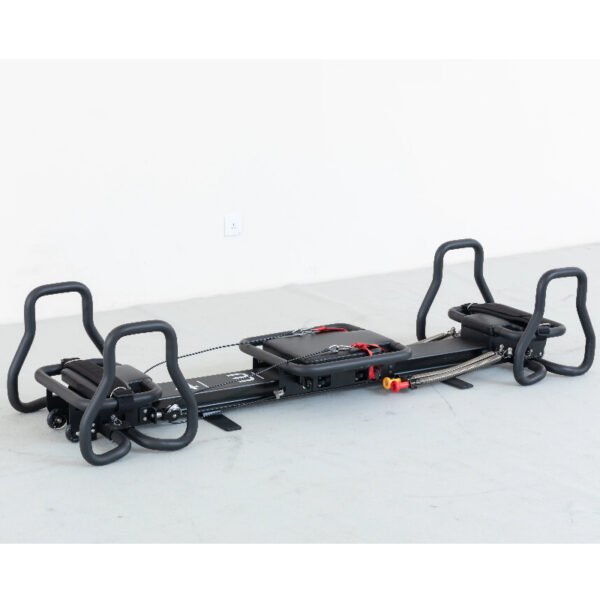
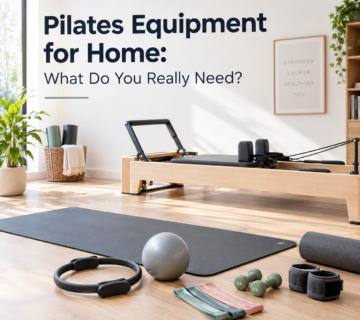
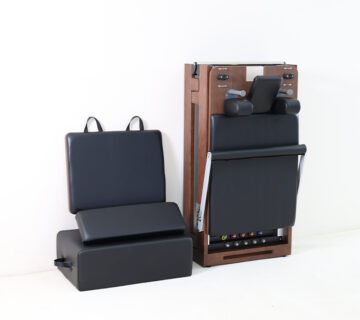
Yes, compact foldable Pilates reformer models are perfectly designed for home use, fitting small living spaces easily. Home reformers allow flexible scheduling, no studio commute, and steady daily practice for beginners. With proper setup and this beginner guide, users can train safely alone and progress at their own comfortable pace.
What is the difference between mat Pilates and reformer Pilates?
Mat Pilates relies only on body weight for resistance, while reformer Pilates uses adjustable springs for controlled tension and body support. Reformer training guides better alignment, targets deeper core muscles, and is gentler on joints for beginners, whereas mat Pilates requires more natural core stability from the start. Reformer also offers more exercise variations for full-body conditioning.

No comment