
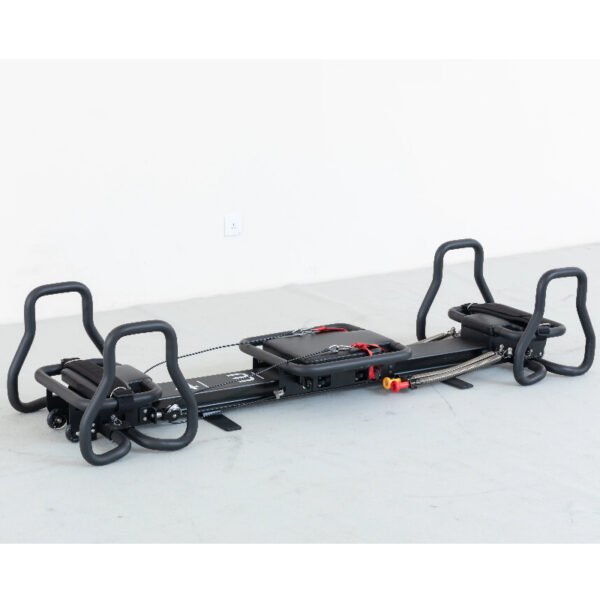
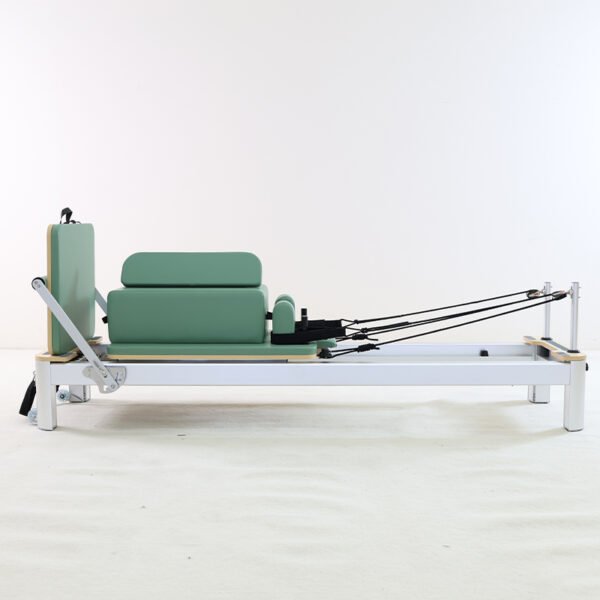






A Pilates reformer can turn a spare bedroom, home gym, or living room into a practical training space, but its size can be a problem. A traditional reformer is usually designed to stay in one place, which is not always realistic in an apartment or a multi-purpose room.
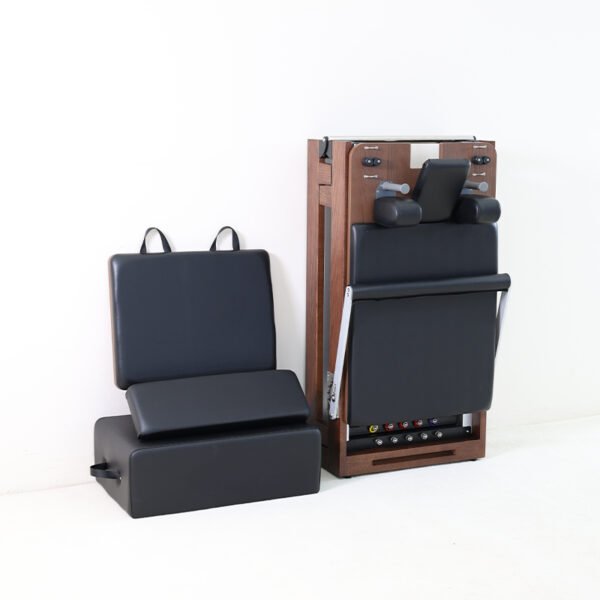
That is where a foldable Pilates reformer can make sense. Instead of giving up an entire room, you can use the reformer for a workout and then fold or move it into a more compact position afterward.
But choosing the best foldable Pilates reformer is not simply about finding the machine that folds the smallest. Frame construction, carriage movement, spring resistance, padding, stability, storage dimensions, and ease of use all affect the experience.
Current at-home reformer reviews also tend to evaluate equipment based on performance, comfort, versatility, setup, space efficiency, and overall value rather than folding ability alone.
So, what should you actually look for when comparing a best foldable Pilates reformer for home use? The answer depends largely on your available space, training level, and how you expect to use the machine.
What Makes a Foldable Pilates Reformer Worth Buying?
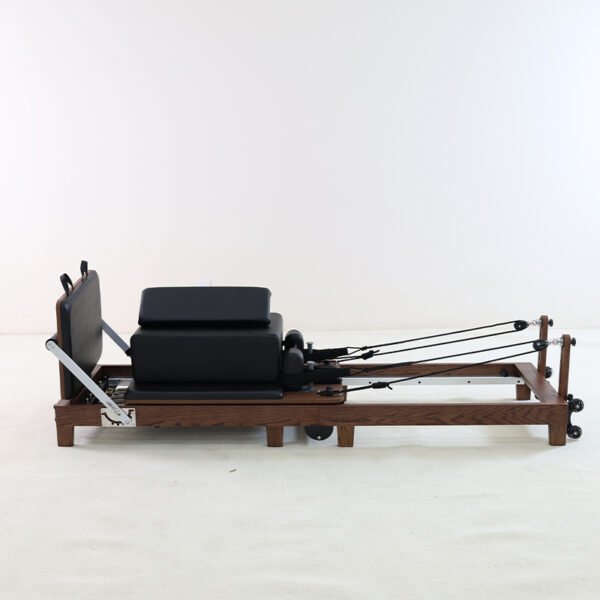
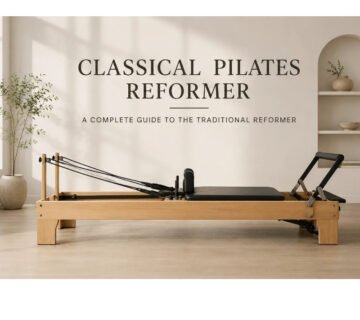
A foldable reformer is essentially designed to provide the core functions of a traditional reformer while making storage easier. It still relies on a moving carriage, resistance springs, straps or ropes, a footbar, and shoulder supports, but the frame can be folded or repositioned when the workout is finished.
The main benefit is not that folding automatically makes a reformer better. It is that the design can make regular home training more practical.
For someone living in an apartment, for example, a reformer that can be folded after a 30- or 45-minute session may be much easier to live with than a permanently installed machine.
How Does a Foldable Reformer Save Space?
A traditional reformer occupies its full footprint whenever it is in the room. A foldable model can reduce its storage footprint when not being used, allowing the same room to function as an office, bedroom, guest room, or general living area.
This makes folding particularly useful for apartments, condos, small home gyms, and multi-purpose rooms.
Can a Foldable Reformer Still Provide a Studio-Style Workout?
It can, provided the machine is properly engineered. Folding itself does not determine the quality of a reformer.
The important questions are whether the frame feels stable when opened, whether the carriage travels smoothly, whether the spring system provides useful resistance options, and whether the footbar and shoulder supports are comfortable and properly adjustable.
A well-designed foldable reformer can therefore be a practical option for users who want a more studio-like training experience without permanently dedicating a room to Pilates.
What Should You Look for in the Best Foldable Pilates Reformer?
The best model for one person may not be the best for another. Instead of focusing only on brand names or appearance, compare the parts that directly affect how you will use the machine.
Which Frame Material Is Better: Wood or Aluminum?
Wood and aluminum can both work well, but they create different experiences.
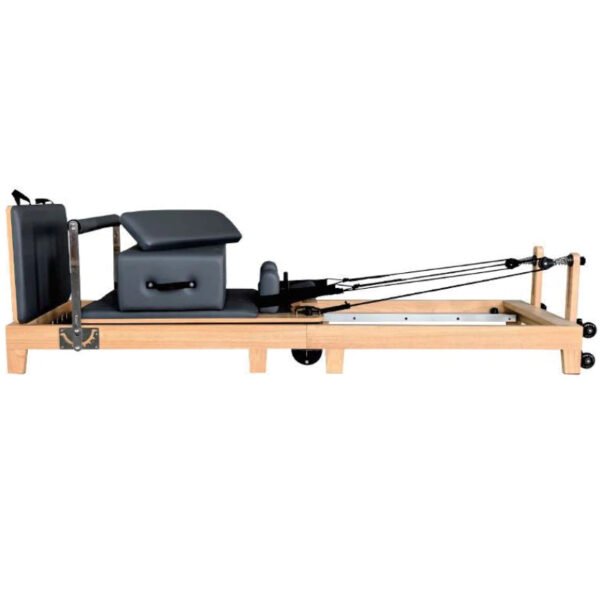
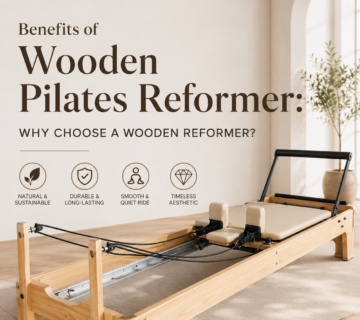
Wood reformers are often chosen for their natural appearance and substantial feel. A walnut or maple frame can also fit naturally into a home, boutique studio, or wellness environment.
Aluminum is often attractive when buyers want a modern appearance and a lighter visual design. It can also be useful when portability and space efficiency are priorities.
Rather than asking whether wood or aluminum is universally better, consider frame rigidity, construction quality, floor contact, overall weight, and how often you will move the machine.
Should You Choose Springs or Resistance Cords?
For a traditional Pilates reformer experience, springs are an important consideration because they provide controlled resistance throughout an exercise.
Look for a spring system that gives you enough resistance choices for your current ability while leaving room to progress. The number of springs alone does not determine quality; their consistency, adjustment system, and compatibility with the reformer’s design also matter.
For home users, it is also worth checking whether replacement springs are available from the manufacturer.
How Important Are the Carriage, Rails, and Wheels?
Very important.
The carriage should move smoothly and predictably rather than feeling jerky or unstable. Rails, wheels, bearings, and frame alignment all contribute to that experience.
When comparing a best pilates reformer for home use, pay attention to how the carriage behaves during both slow controlled movements and exercises that require more dynamic movement.
Comfort also matters. A well-padded carriage, supportive shoulder rests, and an appropriately positioned footbar can make regular sessions much more comfortable.
What Should You Know About Folding Mechanisms and Stability?
The folding mechanism should make storage easier without becoming the weak point of the equipment.
Check how the reformer locks into its operating position, whether the frame remains stable when opened, and whether folding requires tools or complicated disassembly.
If possible, measure the machine both before and after folding rather than relying only on marketing terms such as “compact.”
How Do the Best Foldable Pilates Reformers Compare?
There is no single machine that is the best choice for every home. Current market options range from compact home models to premium foldable reformers designed to preserve more of a traditional studio feel. For example, current editorial roundups identify models such as the Align-Pilates F3 as a foldable option for smaller spaces, while other premium models emphasize studio-style performance and additional tower functionality.
A useful way to compare them is by the situation in which they will be used.
| Priority | What to Look For | Best Suited To |
| Overall performance | Stable frame, smooth carriage, adjustable resistance | Regular home training |
| Small-space storage | Folding structure and compact folded dimensions | Apartments and multi-purpose rooms |
| Beginner-friendly use | Simple adjustments, comfortable carriage and clear setup | New Pilates users |
| Long-term value | Durable materials, replacement parts and useful accessories | Frequent home training |
Which Foldable Reformer Is Best for Overall Performance?
For regular users, prioritize the complete experience rather than one specification.
A good foldable Pilates reformer should feel stable when opened, provide smooth carriage movement, offer useful resistance adjustments, and remain comfortable during longer sessions.
If you plan to progress from basic footwork and bridging to more demanding exercises, it is worth choosing a model that does not feel overly limited from the beginning.
Which Foldable Reformer Is Best for Small Spaces?
The best option for a small apartment is not necessarily the smallest reformer available.
You need enough space to exercise safely when the machine is open, while the folded dimensions should fit your actual storage location.
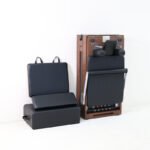
For example, CoreFlow’s Walnut Wood Foldable Pilates Reformer measures 2420 × 680 × 270 mm when open and approximately 1200 × 655 × 370 mm when folded. It uses a walnut wood frame, stainless steel track, microfiber leather upholstery, EVA cushioning, and German imported piano wire springs.
That type of dimensional information is much more useful than simply describing a reformer as “space-saving.”
Which Foldable Reformer Is Best for Beginners?
Beginners should prioritize stability, comfort, straightforward adjustments, and a carriage that feels predictable.
A complicated machine with many accessories is not necessarily better for someone learning basic reformer movements.
If you are new to Pilates, consider starting with fundamental exercises and learning correct positioning from a qualified instructor or reputable instructional program. As your experience increases, additional resistance options and accessories can become more useful.
Which Foldable Reformer Offers the Best Value?
Value depends on how often you use the machine.
A lower-priced reformer that feels uncomfortable or difficult to store may not provide much practical value if it discourages regular use. Conversely, a premium model may make more sense for someone who expects to train several times a week for years.
When comparing price, include the frame, spring system, carriage, padding, accessories, warranty terms, replacement parts, and storage design rather than looking only at the initial purchase price.
What Size and Storage Space Do You Need for a Foldable Reformer?
One of the most common mistakes when buying an at home Pilates reformer is measuring only the storage area.
A reformer needs considerably more space when it is being used. The carriage needs room to travel, and you need enough clearance around the machine for your arms, legs, and accessories.
Before ordering, measure both the open and folded dimensions and compare them with the actual room.
How Much Space Does a Foldable Reformer Need When in Use?
A full-size reformer can take up a substantial amount of floor space, particularly when you account for movement around the machine.
The exact clearance depends on the reformer’s dimensions and the exercises you plan to perform. Avoid placing the equipment directly against walls or furniture if doing so restricts carriage movement or body positioning.
A practical approach is to mark the expected footprint on the floor with tape before purchasing. This simple test can show whether your planned Pilates home reformer setup is actually workable.
How Compact Is a Foldable Reformer When Stored?
This varies considerably between models.
Some reformers fold in half, while others use vertical storage or other space-saving configurations. The folded size can therefore be more important than the open size if your primary concern is storage.
CoreFlow’s walnut folding model, for example, reduces from 2420 mm in operating length to approximately 1200 mm when folded.
When comparing models, measure the storage location itself. Check doorway widths, closet depth, furniture clearance, floor level, and whether you will realistically move the reformer after every workout.
Is a Foldable Pilates Reformer Right for You?
For many home users, the biggest advantage of a foldable reformer is not the equipment itself but the way it fits into everyday life.
If a machine can be stored easily, you may be more likely to keep your workout space available for other activities while still having access to reformer training whenever you want it.
That matters because consistency is generally more useful than buying equipment that looks impressive but rarely gets used.
The World Health Organization recommends that adults regularly engage in physical activity and accumulate 150–300 minutes of moderate-intensity aerobic activity per week, along with muscle-strengthening activities on at least two days per week. These are general physical activity guidelines rather than Pilates-specific recommendations, but they highlight why practical access to exercise can matter.
Who Can Benefit Most From a Foldable Reformer?
A foldable model can be particularly practical for:
Apartment and condo residents
People with multi-purpose rooms
Home fitness users without a dedicated Pilates room
Beginners who want to practice at home
Experienced Pilates users who want convenient training
Frequent movers or renters
Small wellness or fitness spaces with limited floor area
For these users, storage flexibility can be just as important as the training features.
If you are comparing models for home use, you can also explore CoreFlow’s Foldable Pilates reformer range to compare different space-saving configurations and designs.
When Should You Choose a Full-Size Non-Folding Reformer Instead?
A fixed reformer may be a better choice if you have a dedicated Pilates room, operate a busy studio, or expect the equipment to remain in use for much of the day.
Commercial environments may prioritize durability, fast adjustments between users, easy maintenance, and long-term stability over storage convenience.
For a home user with plenty of space, a fixed reformer can also eliminate the need to fold and unfold the equipment between sessions.
The right choice therefore comes down to your space, frequency of use, training goals, and preference for storage flexibility.
Conclusion
The best foldable Pilates reformer is not simply the one with the smallest folded footprint or the highest price.
For most home users, a better approach is to balance five factors: stability, carriage movement, resistance, comfort, and storage.
Wood and aluminum can both be suitable frame materials. Springs should provide useful and consistent resistance. The carriage should move smoothly. The folding mechanism should feel secure when the reformer is in its operating position. And the folded dimensions should work with the storage space you actually have.
If you live in a smaller home, share a room for multiple purposes, or simply do not want a permanent piece of fitness equipment occupying your floor, a well-designed best folding Pilates reformer can be a practical way to bring reformer training into your daily routine.
For users who want to compare space-saving options, CoreFlow’s foldable range includes models designed for both home and commercial environments, including the walnut wood folding reformer with customizable upholstery options.
The goal is not to find the reformer with the most features. It is to find one that fits your space, supports your training, and is convenient enough that you will actually use it.
FAQs
Are foldable Pilates reformers worth it?
They can be worth considering if space is a major concern. A foldable reformer can provide the main functions of a traditional reformer while making it easier to reclaim floor space after a workout.
The key is to compare stability, carriage quality, resistance, comfort, folded dimensions, and long-term support rather than choosing a model based only on its folding feature.
What is the best foldable Pilates reformer for small spaces?
The best option depends on the dimensions and layout of your room.
For a small apartment or multi-purpose room, prioritize a compact folded footprint, manageable weight, easy storage, and enough open space for safe exercise.
A model such as CoreFlow’s Walnut Wood Foldable Pilates Reformer is one example of a space-conscious design, with an operating size of 2420 × 680 × 270 mm and a folded size of approximately 1200 × 655 × 370 mm.
Is a foldable Pilates reformer suitable for beginners?
Yes, a foldable reformer can be suitable for beginners as long as the machine provides stable support, comfortable positioning, and adjustable resistance.
Beginners should focus on learning basic reformer movements and proper alignment before progressing to more challenging exercises. If you are unsure about technique, working with a qualified Pilates instructor can be helpful.

No comment