
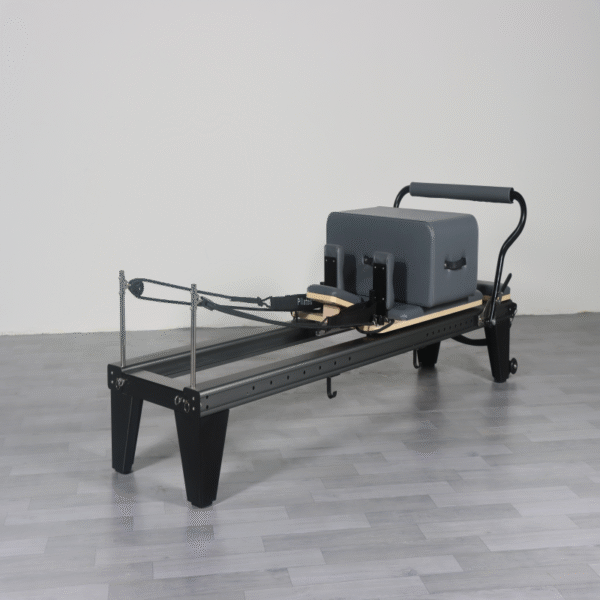
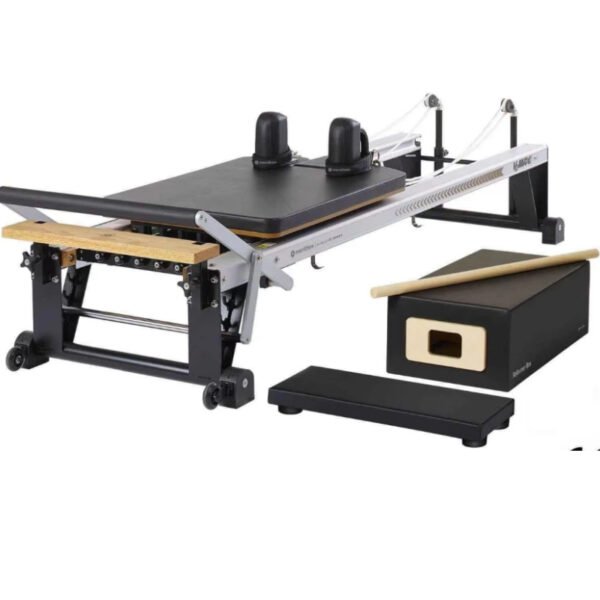
Creating a home Pilates studio is an excellent way to maintain a consistent workout routine, save travel time, and enjoy a personalized fitness environment. With the growing popularity of equipment-based Pilates training, many people are now investing in compact, professional-quality setups at home. Whether you are a beginner building a wellness habit or an experienced practitioner seeking convenience, a well-planned home Pilates studio can support your goals. This guide walks you through choosing the right space, selecting essential equipment, optimizing layout, and understanding setup costs—helping you design a functional and motivating workout area.
What Is a Home Pilates Studio Plan?
A home Pilates studio plan is a structured approach to designing a dedicated space for Pilates training at home. It includes selecting the right location, determining equipment needs, organizing layout, and setting a realistic budget.
The goal is to create a comfortable, safe, and efficient environment that supports regular practice. A thoughtful plan helps ensure that equipment fits properly, movement space is adequate, and the studio feels inviting. Whether you prefer simple mat workouts or professional machines like a Pilates Reformer, planning ahead allows you to maximize both performance and enjoyment in your home fitness routine.
Why Create a Home Pilates Studio?
Building a Pilates studio at home offers both convenience and long-term value. Instead of commuting to classes, you can train whenever your schedule allows, making it easier to stay consistent. This flexibility is especially helpful for busy professionals or parents managing daily responsibilities.
A home studio also provides privacy and personalization. You can control lighting, music, temperature, and workout intensity without distractions. Over time, investing in quality equipment can be more cost-effective than ongoing studio memberships.
Additionally, practicing Pilates at home encourages mindfulness and habit formation. A dedicated workout space signals commitment and helps you stay focused on progress. For many users, it becomes a wellness sanctuary that supports physical strength, posture improvement, stress relief, and overall lifestyle balance.
How to Choose the Right Space for Your Pilates Studio at Home?
Selecting the right location is one of the most important steps when designing a home Pilates studio. Ideally, choose a quiet area with enough floor space for full body movement and equipment placement. Spare bedrooms, basements, garages, or even a section of the living room can work well depending on your home layout.
Good ventilation and natural lighting improve comfort and motivation during workouts. If possible, position your studio near a window or install adjustable lighting to create a bright environment. Flooring is another key factor—non-slip surfaces such as rubber mats or wood floors provide stability and protect both equipment and joints.
Finally, consider ceiling height. Some Pilates equipment, especially tower or trapeze systems, requires additional vertical clearance. Measuring your space before purchasing equipment helps avoid costly adjustments later.
What Equipment Do You Need for a Home Pilates Studio?
Equipment selection depends on your fitness goals, available space, and budget. Beginners can start with essential items such as a high-quality Pilates mat, resistance bands, small balls, and foam rollers. These tools support core training, mobility work, and recovery exercises.
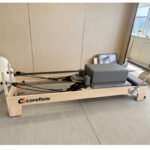
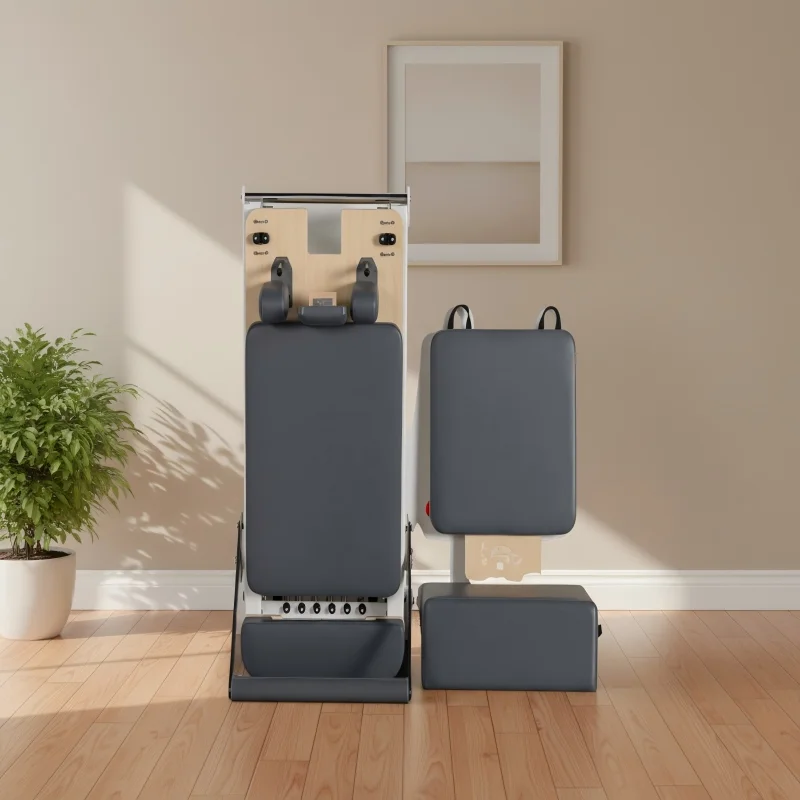
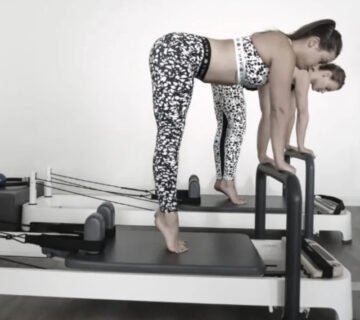
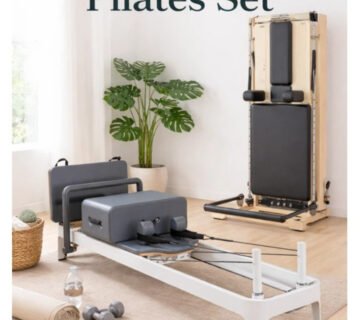
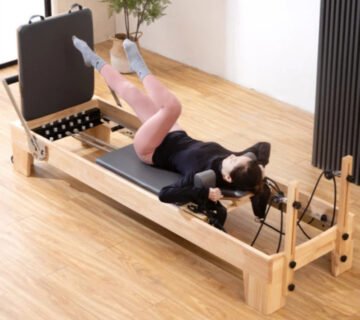
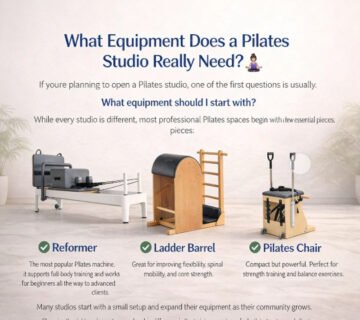
For a more professional setup, investing in a Pilates Reformer can significantly expand exercise variety. Modern options like the Foldable Pilates Reformer are ideal for home users because they save space and can be stored easily after workouts.
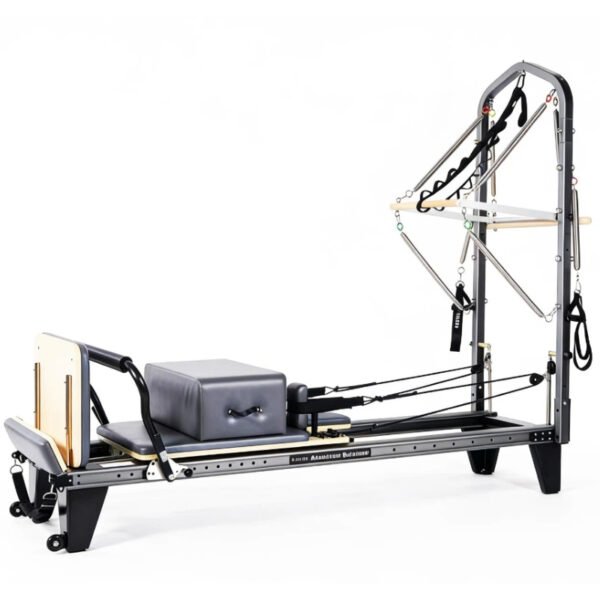
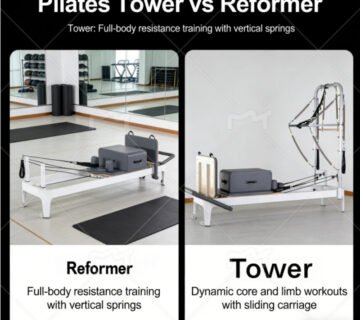
If you want advanced functionality, a Pilates Reformer With Tower combines dynamic carriage movement with vertical spring resistance, allowing strength training, stretching, and rehabilitation exercises in one system. For the most comprehensive experience, the Cadillac Pilates machine offers trapeze features, multiple spring attachments, and extensive exercise possibilities often found in professional studios.
CoreFlow provides durable and ergonomic Pilates equipment designed for both home and studio environments, making it easier to build a long-lasting workout space.
How to Design and Optimize Your Home Pilates Studio Layout?
An effective studio layout ensures safety, efficiency, and motivation. Start by positioning large equipment like the Pilates Reformer along a wall or centered in the room with sufficient clearance on all sides. This allows free movement during exercises and easy instructor access if you train with guidance.
Use vertical storage solutions for accessories such as bands and rings to keep the floor uncluttered. Mirrors can enhance body awareness and technique correction, while calming colors and minimal décor help maintain focus.
Consider creating functional zones—for example, one area for equipment training and another for stretching or mat work. This organization improves workflow and makes the space feel more professional and inviting.
How Much Does It Cost to Set Up a Home Pilates Studio?
The cost of setting up a home Pilates studio varies widely depending on equipment quality and scale. A basic setup with mats and small accessories may cost a few hundred dollars. Mid-range investments like a Foldable Pilates Reformer typically require a larger budget but offer greater training versatility.
Premium equipment such as a Pilates Reformer With Tower or Cadillac Pilates system represents a higher upfront investment but can replace long-term studio membership fees. Planning your budget carefully helps balance performance needs with financial comfort.
Conclusion
Designing a home Pilates studio is a practical way to support long-term fitness, flexibility, and strength goals. By choosing the right space, investing in suitable equipment, and optimizing layout, you can create a motivating and efficient workout environment. With professional solutions from CoreFlow, both beginners and experienced practitioners can enjoy studio-quality Pilates training at home.
FAQs
What is the minimum space required for a home Pilates studio?
A compact mat-based studio may require around 2 × 2 meters of free space, while equipment setups like a Pilates Reformer typically need at least 2.5 × 3 meters for safe movement.
Can beginners set up a home Pilates studio without professional equipment?
Yes. Beginners can start with mats and simple accessories. Professional equipment can be added gradually as skills and confidence improve.
How do I maintain and clean my Pilates equipment at home?
Wipe surfaces with mild disinfectant after each use, check springs and moving parts regularly, and keep equipment in a dry, well-ventilated space to ensure durability and hygiene.

No comment