






Introduction
Owning a Pilates studio can be a rewarding venture for fitness enthusiasts and entrepreneurs alike, combining a passion for wellness with the potential for steady income. However, understanding the financial landscape—from average earnings to key revenue streams and cost management—is critical to building a profitable business. This guide breaks down everything Pilates studio owners need to know about income, profits, and the factors that shape success, including how choosing the right equipment can help cut costs and boost profitability.
How Much Do Pilates Studio Owners Make on Average?
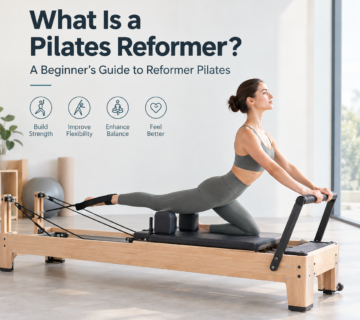
The average annual income for Pilates studio owners varies widely, ranging from $70,000 to over $360,000, depending on studio size, location, and operational efficiency. Small independent studios or home-based setups typically yield $70,000–$160,000 annually, while medium boutique studios may earn $71,900–$140,000, and large franchises can exceed $360,000. Profit margins also differ, with well-managed small studios reaching 88% profit, while larger facilities average 23–37%. A key cost-saving factor is equipment: choosing high-quality yet affordable options like CoreFlow’s Pilates Reformer eliminates the need for overpriced gear, directly boosting net income by reducing upfront and long-term expenses.
What Factors Affect Pilates Studio Owner Income?
Location and Market Demand
Location is a top driver of income, with urban areas and affluent neighborhoods offering higher demand and pricing power, as these markets have more clients willing to pay for premium Pilates services. Saturated markets may lower earnings, while underserved areas (e.g., small cities or suburban communities) present growth opportunities. Proximity to offices, gyms, or residential areas also increases foot traffic, directly impacting client numbers and overall revenue.
Studio Size, Equipment, and Capacity
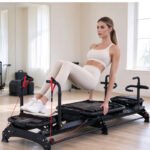
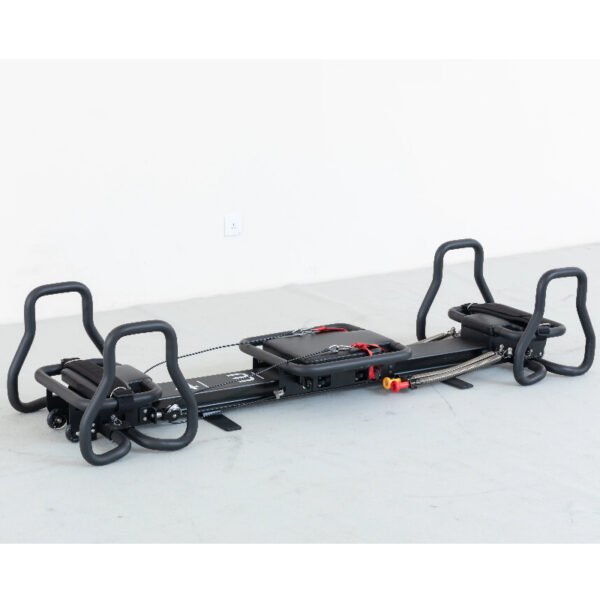
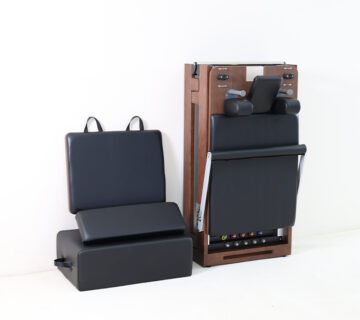
Studio size dictates capacity—small 400–600 sq ft spaces with 1–2 reformers serve 40–60 clients, while large 2,000+ sq ft studios with 10+ reformers cater to 200+ clients. Equipment quality matters too: durable, affordable gear balances performance and cost, unlike overpriced brands. Foldable Pilates Reformer models also save space, allowing smaller studios to maximize capacity without expanding, cutting rent costs.
Pricing Strategy and Client Retention
Pricing must align with market rates—group classes typically $10–$30 and private sessions $45–$160—and reflect service quality. Bundled packages and memberships ($120–$300 monthly) encourage repeat visits, while loyalty programs boost retention. High retention (70%+), common in Pilates, reduces client acquisition costs, as retaining a client is cheaper than acquiring a new one. A focus on value, paired with quality equipment, builds trust and keeps clients coming back.
What Are the Main Revenue Streams for Pilates Studios?
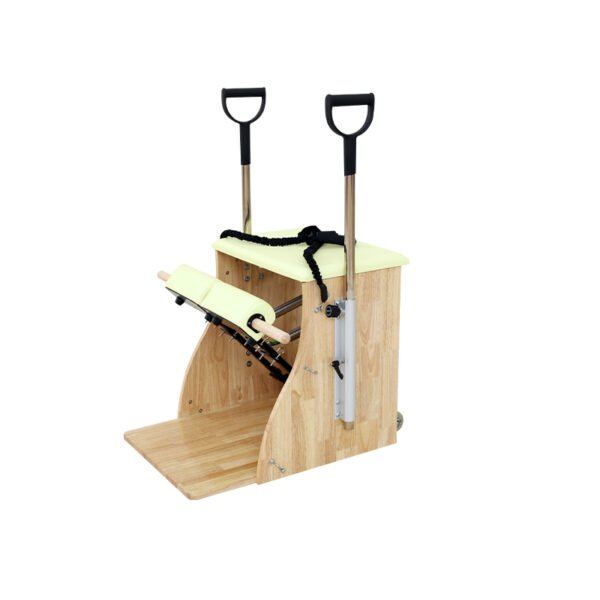
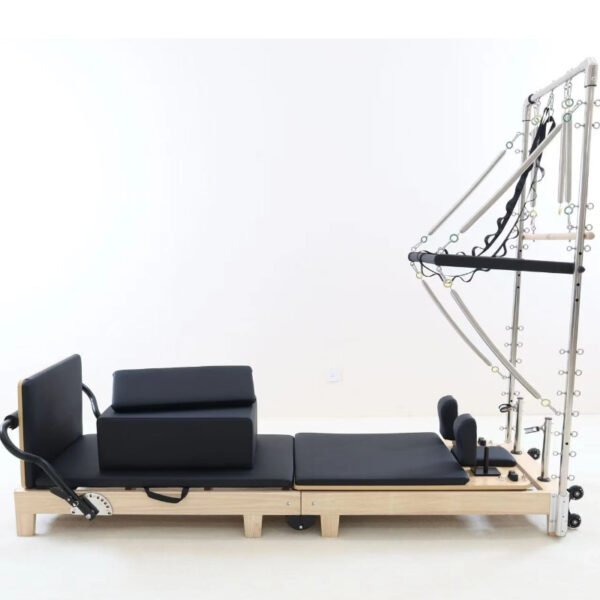
Pilates studios rely on diverse revenue streams to stabilize income, with the bulk coming from class-based services and memberships. Private and group classes are the core, but add-ons and specialized offerings further boost earnings. The right equipment enhances these streams: versatile reformers support both group and private sessions, while specialized Cadillac Pilates equipment enables higher-priced classes. Additionally, foldable reformer models allow studios to offer at-home equipment rentals, creating an extra revenue stream. By diversifying and leveraging versatile, cost-effective gear, studios can maximize income while keeping expenses low.
Private Sessions vs Group Classes
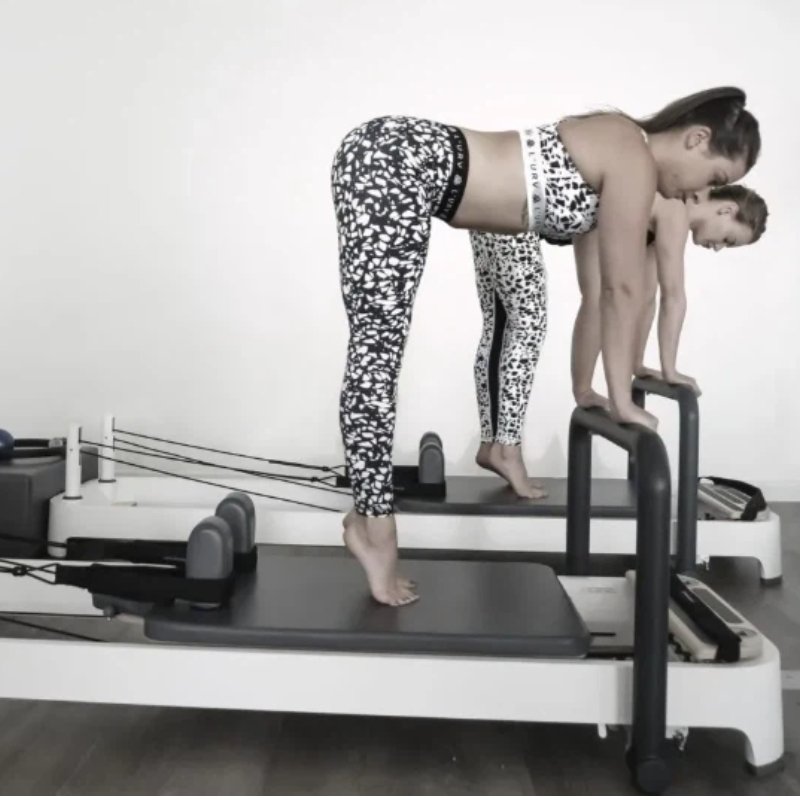
Private sessions are the highest-margin revenue stream, charging $45–$160 per session and catering to clients seeking personalized attention (e.g., injury recovery or specific goals). Group classes (8–12 clients) have lower per-client margins but higher overall revenue due to volume, averaging $10–$30 per client. Ergonomically designed reformers are ideal for both, supporting personalized adjustments for private sessions and efficient use in group settings, maximizing earning potential from each class.
Memberships, Packages, and Add-On Sales
Monthly memberships ($120–$300) provide predictable recurring income, while class packages (10–20 sessions) encourage bulk purchases and improve cash flow. Add-ons like mat rentals, Pilates gear, or specialized workshops (e.g., Cadillac Pilates masterclasses) boost average client spend. Quality equipment enhances add-on potential—selling or renting foldable reformer models to clients for at-home use creates a passive revenue stream, while promoting trusted brands builds loyalty.
What Are the Typical Costs and Profit Margins?
Pilates studio profit margins typically range from 10–30%, with well-managed studios hitting the higher end, and costs fall into fixed and variable categories. Fixed costs (rent, equipment, salaries) make up the bulk of expenses, while variable costs (supplies, marketing) fluctuate with client volume. A key cost-saving advantage is choosing affordable, high-quality equipment—options like CoreFlow’s Pilates Reformer cost less than premium brands but match their quality, reducing upfront equipment costs by 20–30%. This savings directly improves profit margins, as equipment is a major startup and ongoing expense. By controlling costs and optimizing revenue streams, owners can achieve sustainable profitability.
Fixed Costs: Rent, Equipment, and Salaries
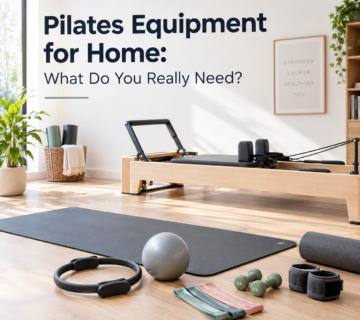
Fixed costs are recurring expenses that stay consistent regardless of client volume. Rent ranges from $3,000–$12,000 monthly (urban vs. suburban), salaries for instructors average $52,353 annually, and equipment costs $10,000–$100,000 upfront. Affordable, durable reformers and Cadillac Pilates gear avoid the high cost of imported alternatives, cutting fixed equipment expenses and improving long-term profitability.
Variable Costs and Hidden Expenses
Variable costs include instructor commissions (30–50% of class revenue), equipment maintenance ($500–$1,200 monthly), marketing (10–15% of budget), and supplies (mats, towels). Hidden expenses like insurance ($150–$3,000 monthly), software fees, and equipment repairs can also add up. Durable reformers require less maintenance, and foldable models reduce storage costs, while reliable gear avoids costly repairs, keeping variable expenses in check.
Conclusion
Owning a Pilates studio offers strong income potential, with earnings varying based on location, size, and cost management. The key to profitability lies in diversifying revenue streams, optimizing client retention, and controlling expenses—especially equipment costs. By choosing high-quality, cost-effective equipment like CoreFlow’s Pilates Reformer and Foldable Pilates Reformer, owners can cut upfront and ongoing expenses, directly boosting net income. With careful planning and the right tools, a Pilates studio can be a sustainable, profitable business in 2026 and beyond.
FAQs
Is owning a Pilates studio profitable in 2026?
Yes, owning a Pilates studio is profitable in 2026, with well-managed studios achieving 10–30% net profit margins. Demand for Pilates remains strong, especially in affluent and urban markets, and cost-saving measures like choosing affordable, quality reformer equipment further enhance profitability. Small independent studios and home-based setups often see higher profit margins (up to 88%) due to lower overhead.
How long does it take for a Pilates studio to become profitable?
The timeline to profitability varies by studio type: home-based studios break even in ~1 month, small independent studios in 19–20 months, medium boutiques in ~22 months, and large franchises in ~20 months. On average, most studios reach profitability within 7–18 months, with cost-saving equipment like foldable reformers reducing upfront costs and shortening the timeline.
Do Pilates studio owners earn more than instructors?
Yes, Pilates studio owners typically earn more than instructors. The average annual salary for a Pilates instructor is $52,353, while studio owners earn $70,000–$360,000 annually. Instructors earn hourly wages or commissions, while owners benefit from the studio’s overall revenue, with cost-saving equipment choices increasing net profits and owner earnings further.



No comment