
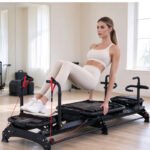
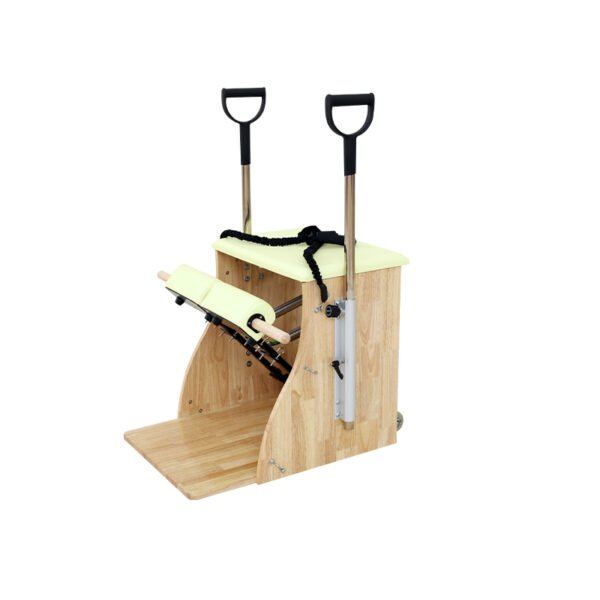
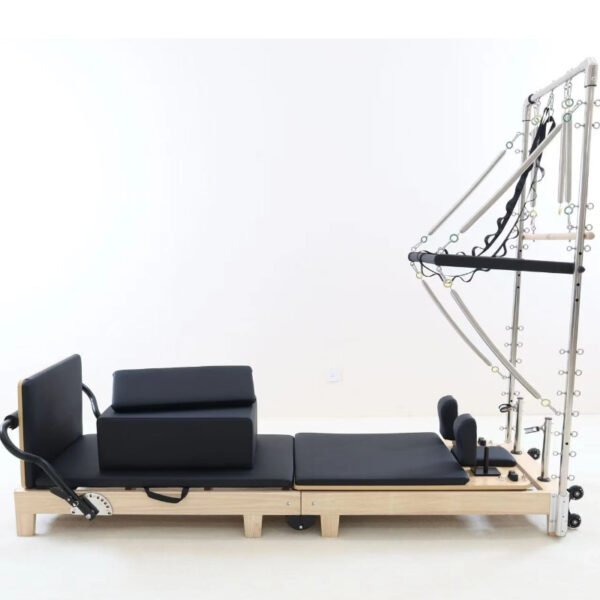
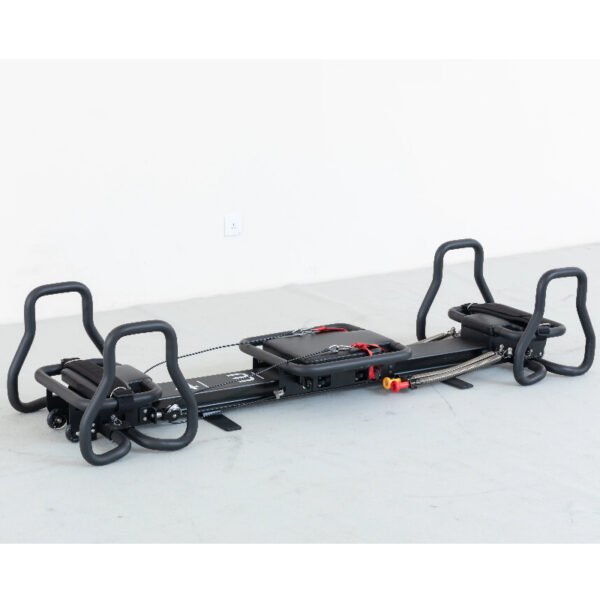






Pilates spine corrector are staple versatile equipment in both professional studios and home workout spaces, designed specifically to align, decompress, and mobilize the spinal column. Built with a curved, ergonomic shape, this tool bridges gentle stretching and controlled strength training, perfectly matching the core principles of Pilates. Whether you aim to fix poor posture, ease back tension, boost core stability, or deepen your Pilates practice, a spine corrector serves as an accessible, effective fitness accessory for users of all skill levels.
What Is a Spine Corrector in Pilates?
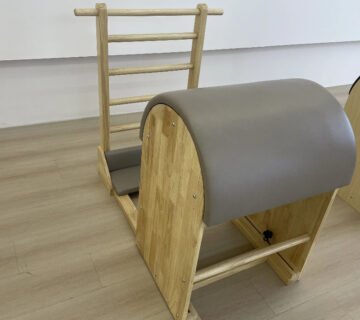
A Pilates spine corrector is a specially contoured, curved fitness device engineered to support spinal alignment, gentle spinal articulation, and targeted back stretching. Typically crafted from premium solid wood or high-density foam with cushioned upholstery, it features a signature arched design that fits the natural curves of the human spine. It acts as a supportive prop to guide controlled flexion, extension, and lateral spinal movements without straining delicate spinal structures. Unlike flat workout tools, its ergonomic curve encourages proper body positioning, allowing practitioners to isolate back, core, and shoulder muscles while maintaining correct Pilates form throughout every movement.
Why Is the Spine Corrector Important for Pilates Training?
The spine is the central foundation of all Pilates movements, and the spine corrector plays an irreplaceable role in upholding Pilates’ core philosophy of alignment, breath, and controlled movement. Most people develop sedentary-related postural imbalances, tight hip flexors, and rounded shoulders that disrupt spinal neutrality. This equipment gently guides the spine back to its natural neutral curve, correcting habitual misalignments that regular floor workouts cannot address. It reduces unnecessary pressure on the lumbar and thoracic regions, enabling safer spinal articulation during stretches and strength work. For Pilates practitioners, it builds body awareness, teaches proper muscle engagement, and prevents overstretching or incorrect form.
What Are the Main Benefits of Using a Spine Corrector?
Using a Pilates spine corrector delivers a wide range of physical and functional benefits for studio enthusiasts and home users alike. Primarily, it decompresses the spinal vertebrae, relieving built-up tension in the lower back, upper back, and neck caused by long sitting, desk work, or inactive lifestyles. It targets tight chest muscles, rounded shoulders, and a hunched upper back, gradually retraining the body to maintain natural upright posture in daily life. The curved design activates deep core stabilizers, transverse abdominis, and back muscles more effectively than mat work alone, boosting overall core endurance and spinal stability. Additionally, it enhances spinal flexibility, improves shoulder mobility, and eases mild chronic back discomfort. It also supports rehabilitation for minor postural injuries, enhances body movement awareness, and complements other Pilates apparatus training. Lightweight and easy to store, it fits all fitness levels, making consistent daily practice simple and sustainable.
How Does a Spine Corrector Improve Posture?
The ergonomic curved shape of a spine corrector supports the spine’s natural S-curve, gently stretching tight chest and upper back muscles. It counteracts rounded shoulders and anterior pelvic tilt by guiding the body into neutral spinal alignment. Regular use retrains muscle memory, helping users maintain upright, balanced posture while standing, sitting, and moving in daily routines.
Can a Spine Corrector Help Increase Flexibility and Core Strength?
Yes, the spine corrector deepens controlled spinal stretches to boost thoracic and lumbar flexibility safely. Its unstable curved surface forces deep core muscles to engage continuously to maintain balance. This low-impact activation builds functional core strength, enhances muscle control, and improves overall body coordination for all Pilates movements.
Why Do Pilates Studios and Home Users Prefer Spine Correctors?
Spine correctors are compact, durable, and suitable for all ages and fitness levels, requiring no complex setup. Studios rely on them for structured group classes and one-on-one training, while home users appreciate their space-saving design. They deliver professional-level results at an affordable cost, ideal for daily postural care and Pilates practice.
What Exercises Can You Do on a Spine Corrector?
A spine corrector supports a diverse range of Pilates exercises targeting the spine, core, shoulders, hips, and back muscles, suitable for progressive training from beginner to advanced levels. All movements follow Pilates principles of slow, controlled motion and synchronized breathing to maximize benefits. Basic routines focus on gentle spinal extension, chest opening, and pelvic tilting to release tension and build foundational awareness. Intermediate exercises incorporate side stretches, seated spinal rotations, and glute activation moves to enhance mobility and stability. Advanced routines challenge full-body control with balanced reclined poses, single-leg extensions, and layered spinal articulation. Every exercise is designed to protect the spine while stretching tight areas, strengthening weak muscles, and refining movement patterns that translate to better daily posture and functional fitness performance.
What Are the Best Beginner Spine Corrector Exercises?
Beginners can start with gentle spinal back extensions, chest opener stretches, basic pelvic tilts, and seated shoulder rolls on the spine corrector. These low-impact moves focus on slow breathing, proper alignment, and releasing upper back tension, building basic body awareness without overstraining the spine or joints.
Which Advanced Spine Corrector Movements Build Strength and Stability?
Advanced practitioners can practice spinal lateral flexion, controlled spinal rotation, single-leg balance holds, and reclined core pulses. These movements challenge deep core engagement, spinal control, and shoulder stability, refining precision and building functional strength for higher-level Pilates repertoire.
How Can a Spine Corrector Support Back and Shoulder Mobility?
The curved base gently opens the thoracic spine, stretches tight lat muscles, and releases stiff shoulder joints. Rotational and opening movements on the device increase shoulder range of motion, ease upper back stiffness, and reduce neck strain from sedentary daily habits effectively.
How to Choose the Best Spine Corrector for Your Needs?
Choosing the right Pilates spine corrector depends on your usage scenario, fitness level, durability needs, and budget. First, pilates spine corrector for sale need consider whether it is for personal home use or commercial studio daily high-frequency use, as these two scenarios demand different build quality and sturdiness. Evaluate the overall size and curve height to ensure it matches your body height and spinal flexibility; a moderate curve suits most users, while a deeper curve fits advanced practitioners. Check the cushion thickness and upholstery material for comfort and sweat resistance during long training sessions. Portability and storage are key for home users with limited space, opting for lightweight yet sturdy models. Prioritize stable construction, non-slip base design, and skin-friendly, easy-to-clean upholstery. Also compare wooden and foam options, balancing durability, comfort, price, and intended long-term usage.
What Materials and Features Should You Look For?
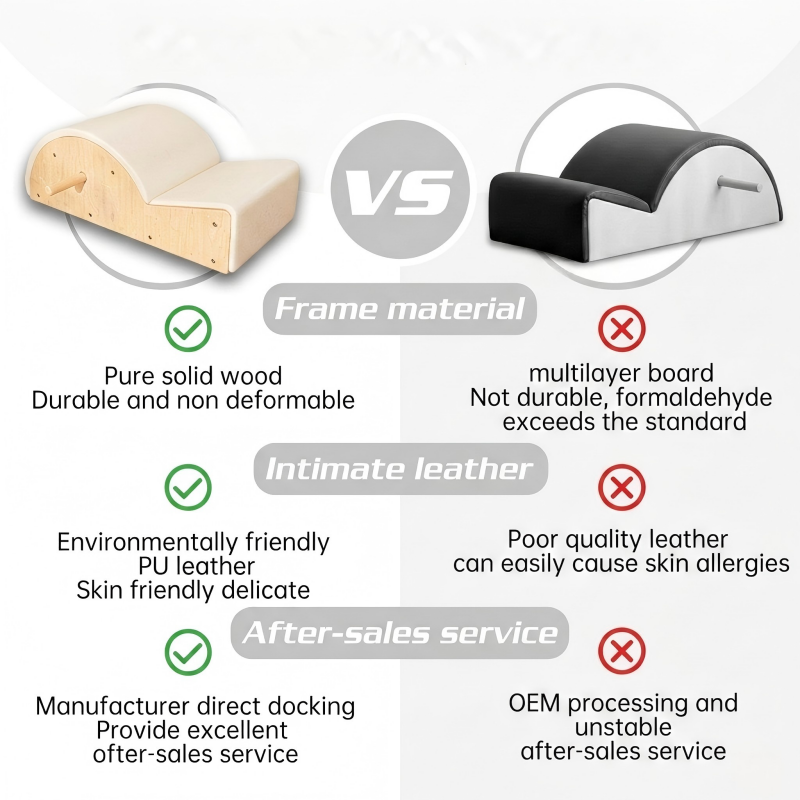
Look for high-density foam or solid hardwood frames, durable breathable vinyl upholstery, and thick supportive cushioning. Key features include a non-slip bottom, ergonomic standard curve, sturdy seamless construction, and easy-clean surface. Prioritize weight capacity and stable build for safe daily long-term use.
Should You Choose a Wooden or Foam Spine Corrector?
Wooden spine correctors offer superior durability, firm support, and long-term stability, perfect for commercial studios and serious practitioners. Foam models are lightweight, affordable, portable, and softer for gentle beginner stretching, ideal for casual home daily postural correction and light Pilates practice.
What Makes a High-Quality Commercial Spine Corrector?
High-quality commercial spine correctors feature premium solid wood frames, reinforced structural joints, high-resilience foam padding, and wear-resistant commercial-grade upholstery. They have a stable non-slip base, standard ergonomic curvature, heavy weight capacity, and fade-proof, easy-to-maintain surfaces for frequent studio use.
Conclusion
A spine corrector pilates is an invaluable investment for anyone looking to improve spinal health, fix poor posture, boost core strength, and deepen their Pilates practice. Its unique ergonomic design makes safe spinal stretching, alignment training, and muscle strengthening accessible to absolute beginners, home enthusiasts, and professional Pilates studios alike. With versatile exercises targeting the back, shoulders, core, and spine, it relieves sedentary tension, enhances flexibility, and builds lasting muscle memory for better daily posture. By selecting the right material, build quality, and design for your usage needs, you can enjoy long-term physical benefits, support back wellness, and elevate your entire Pilates journey effortlessly.
FAQs
What is the difference between a spine corrector and a Pilates arc?
While both are curved Pilates tools for spinal work, a spine corrector features a lower, gentler fixed curve focused on precise spinal alignment and controlled stretching. A Pilates arc has a taller, more dramatic curve for deeper backbends, advanced balance exercises, and intense spinal mobility training, suited for higher-level practitioners.
Is a spine corrector suitable for beginners?
Absolutely. Spine correctors are ideal for beginners due to their gentle ergonomic curve and low-impact design. They guide proper form, reduce injury risk, simplify spinal stretching, and help new practitioners build body awareness gradually without overexerting the spine or surrounding muscles.
How often should you use a spine corrector for Pilates training?
For optimal results, use a spine corrector 3 to 5 times per week for 10 to 20 minutes per session. Daily gentle short sessions work well for postural correction and back tension relief. Consistency matters more than long workouts, making regular short practice perfect for long-term spinal health.

No comment