
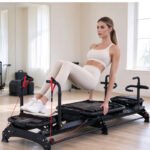
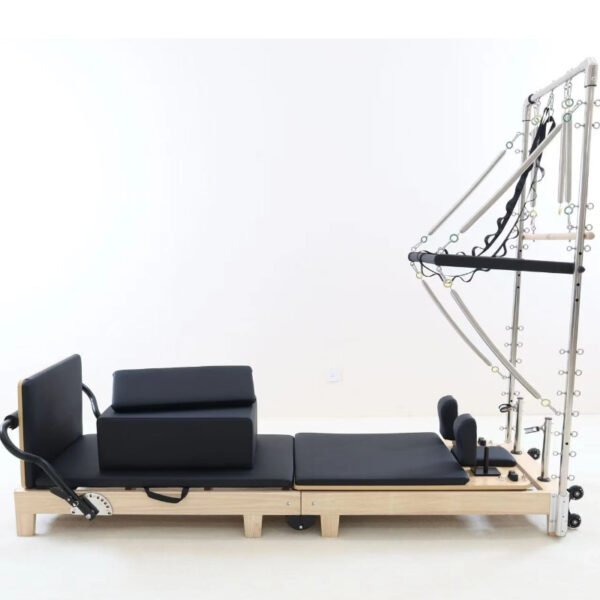
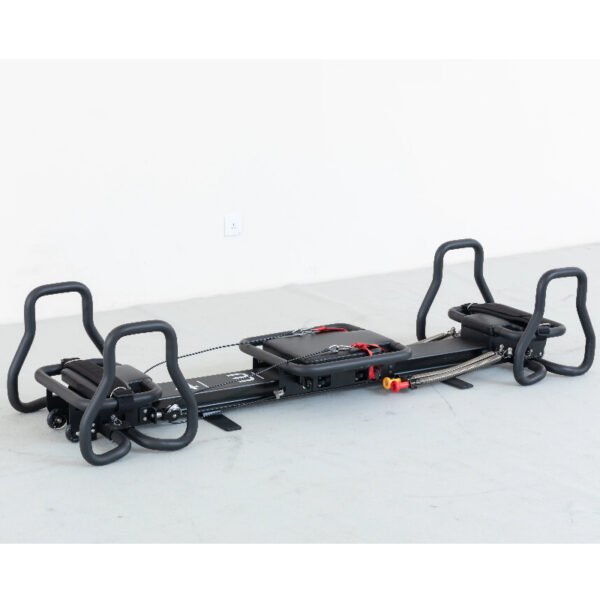






Choosing the best Pilates reformer for studio use is one of the most important investments a studio owner can make. Whether you run a boutique private studio, a busy commercial fitness center, or a hybrid wellness space, the quality of your equipment directly affects client experience, instructor performance, maintenance costs, and long-term profitability.
In recent years, Pilates has continued to grow rapidly across the United States and other English-speaking markets. According to the Pilates Method Alliance, more studios are investing in professional-grade reformers to meet increasing client demand for low-impact, full-body training. As competition grows, studio owners need equipment that combines durability, safety, smooth performance, and visual appeal.
This guide explains how to choose the best Pilates reformer for studio environments, what features matter most, and how professional equipment from brands like CoreFlow can support long-term studio success.
What Makes the Best Pilates Reformer for Studio Use?
Commercial Pilates reformer is very different from entry-level home models. Studio equipment must withstand multiple classes every day while delivering consistent performance for users with different fitness levels and body types.
The best studio reformers typically offer:
- Heavy-duty frame construction
- Smooth and quiet carriage movement
- Commercial-grade springs
- Adjustable components for diverse users
- Comfortable cushioning
- Safety-focused design
- Easy maintenance and cleaning
- Professional aesthetics for studio branding
For example, many boutique studios prefer elegant wood-frame reformers to create a premium atmosphere, while high-traffic gyms often choose aluminum-frame systems for maximum durability.
Professional equipment also supports a wider range of Pilates training styles, including:
- Classical Pilates
- Contemporary Pilates
- Rehab-focused sessions
- Athletic conditioning
- Group reformer classes
- Advanced strength training
- Cadillac Pilates integration
Studios that invest in reliable commercial reformers often experience lower maintenance interruptions and higher customer satisfaction over time.
-
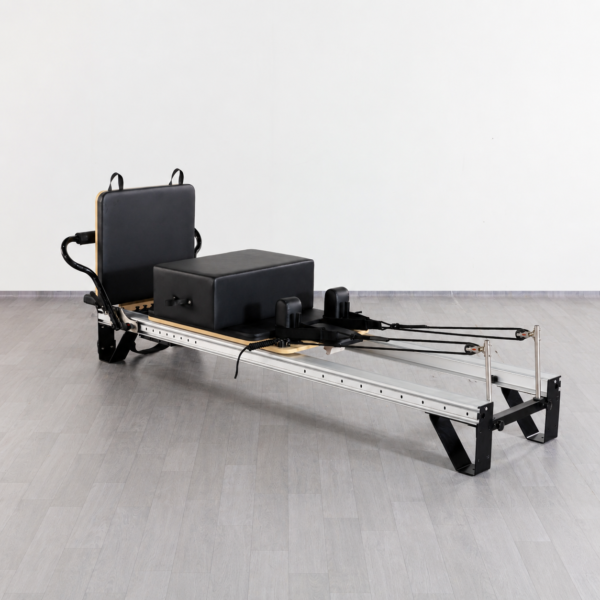
C05-01 Aluminum Pilates Reformer | Commercial Studio Equipment
-
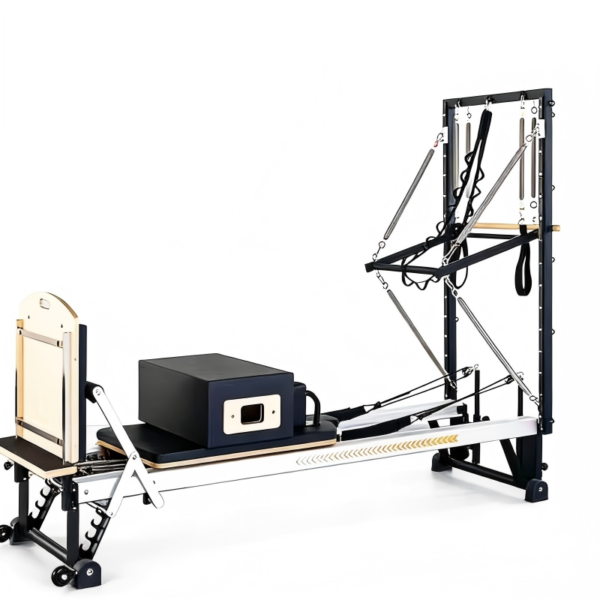
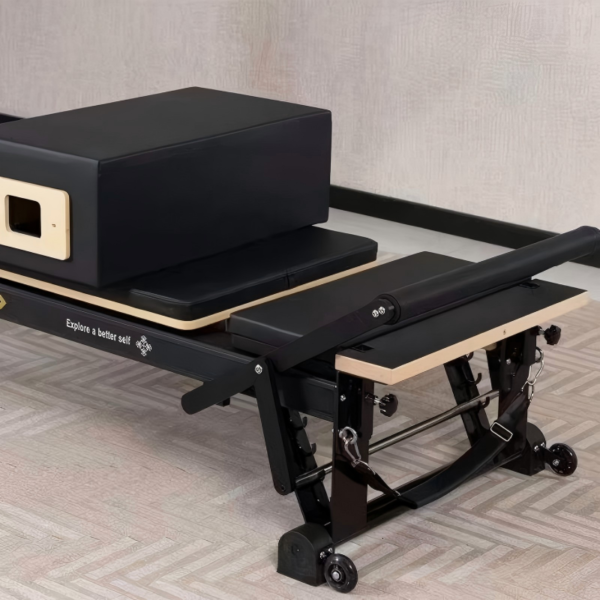
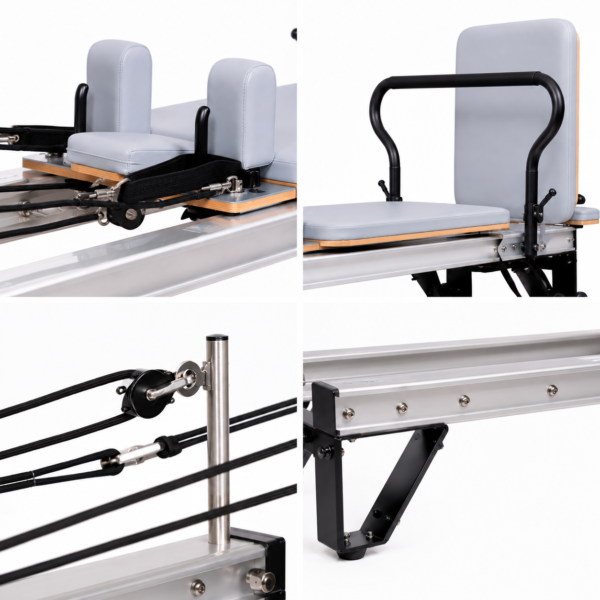
Y07-4 Pilates Reformer With Tower | Aluminum Alloy Reformer Machine
Why Studio-Grade Reformers Matter More Than Home Models
Many first-time studio owners consider purchasing residential reformers to reduce startup costs. However, this decision can create expensive problems later.
Home-use reformers are typically designed for light weekly exercise, not back-to-back commercial sessions. Under heavy studio usage, lower-grade wheels, springs, and frames may wear out faster.
Commercial vs Home Pilates Reformers
| Feature | Home Reformer | Commercial Studio Reformer |
|---|---|---|
| Daily Usage Capacity | Low to moderate | High-frequency commercial use |
| Frame Strength | Lightweight | Reinforced heavy-duty frame |
| Spring Durability | Standard | Commercial-grade resistance system |
| User Capacity | Limited | Suitable for varied body types |
| Maintenance Cycle | More frequent | Longer-lasting performance |
| Class Compatibility | Personal training | Group & private sessions |
Professional studios also benefit from standardized equipment. When all reformers feel consistent, instructors can teach more efficiently and clients transition between machines more comfortably.
Which Features Should You Look for in a Commercial Pilates Reformer?
When evaluating a studio reformer, focus on the features that directly affect performance, client comfort, and long-term operational efficiency.
1. Strong Frame Construction
The frame is the foundation of the entire machine.
Most high-end commercial reformers use:
- Aircraft-grade aluminum
- Solid maple wood
- Beech wood
- Reinforced steel components
Aluminum models are highly durable and resistant to humidity and wear. Wood reformers are often chosen by luxury studios because of their elegant appearance and natural feel.
A stable frame minimizes shaking during exercises and improves safety during advanced movements.
2. Smooth Carriage Glide
A reformer should move quietly and consistently under all resistance levels.
Poor carriage systems can create:
- Jerky movement
- Noise during classes
- Uneven resistance
- Faster wheel deterioration
Studios running multiple daily classes especially benefit from smooth carriage systems because they create a more professional training environment.
Many experienced instructors note that carriage quality significantly affects client perception during first-time sessions.
3. Spring Quality and Resistance Control
Springs determine resistance precision.
High-quality reformers usually include multiple resistance settings that accommodate:
- Beginners
- Seniors
- Rehabilitation clients
- Athletes
- Advanced Pilates practitioners
Commercial-grade springs should maintain consistent tension over years of use without losing elasticity.
Studios offering dynamic strength-focused formats, including Megformer Pilates-inspired training, often require especially durable resistance systems due to higher-intensity movement patterns.
4. Adjustability for Different Users
Every studio serves clients with different:
- Heights
- Mobility levels
- Fitness goals
- Injury histories
The best Pilates reformers allow adjustments for:
- Footbar positions
- Rope length
- Shoulder rests
- Headrest angles
- Spring settings
This flexibility improves both safety and exercise variety.
5. Comfort and Upholstery
Client comfort plays a major role in retention.
Professional reformers should include:
- Dense foam cushioning
- Sweat-resistant upholstery
- Easy-clean surfaces
- Ergonomic headrests
Studios that run long sessions or rehabilitation-focused classes especially benefit from higher-quality padding systems.
Why Do Frame Material and Build Quality Matter?
Frame material directly impacts the lifespan of the reformer.
Commercial studios often operate 8–12 classes per day, meaning equipment experiences continuous stress. Inferior materials may eventually develop instability, squeaking, or alignment issues.
Common Reformer Frame Materials
| Material | Advantages | Best For |
|---|---|---|
| Aluminum Alloy | Lightweight, durable, corrosion-resistant | High-traffic commercial studios |
| Solid Maple Wood | Elegant appearance, stable feel | Boutique luxury studios |
| Beech Wood | Durable with natural aesthetics | Wellness & rehab spaces |
According to maintenance data published by several commercial fitness equipment suppliers, properly maintained studio reformers can remain operational for 8–12 years under regular commercial usage conditions.
Studios that prioritize long-term ROI often find that investing in better build quality reduces replacement costs over time.
How Important Are Springs, Carriage Glide, and Adjustability?
These three factors heavily influence the daily training experience.
Springs
High-quality springs provide:
- Predictable resistance
- Better control
- Improved safety
- Smoother transitions between exercises
Low-quality springs may lose tension consistency, affecting exercise precision.
Carriage Glide
Quiet carriage movement improves the atmosphere during group sessions. Excessive noise can distract both instructors and clients.
Adjustability
Adjustability allows one reformer to serve a wider client base, which is especially important for studios offering:
- Private sessions
- Rehabilitation
- Athletic training
- Mixed-level classes
Studios with adaptable equipment can expand programming more easily without purchasing multiple specialized machines.
What Safety and Comfort Features Should a Studio Reformer Have?
Safety should always be a top priority in commercial Pilates settings.
Professional reformers commonly include:
- Non-slip standing platforms
- Secure locking mechanisms
- Stable shoulder blocks
- Reinforced footbars
- Rounded edges
- Anti-skid handles
Comfort features also contribute to a better overall client experience.
For example, thicker padding can help reduce discomfort during:
- Supine exercises
- Long sessions
- Rehabilitation training
- Senior-focused classes
Studios that create comfortable, welcoming training environments often see stronger customer retention and referrals.
How to Choose the Best Pilates Reformer for Different Studio Types
Different studio models require different equipment strategies.
Boutique Pilates Studios
Boutique studios usually focus on premium experiences and personalized instruction.
These studios often prefer:
- Elegant wood reformers
- Sophisticated aesthetics
- Smooth silent movement
- Luxury upholstery
High-end equipment helps reinforce premium pricing and brand identity.
High-Traffic Commercial Studios
Busy commercial studios prioritize:
- Durability
- Easy cleaning
- Minimal maintenance
- Operational efficiency
Aluminum reformers are often the preferred option because they handle intensive daily usage well.
Studios operating large group classes may also prioritize stackable or easy-to-reposition equipment layouts.
Small Studios and Multi-Use Spaces
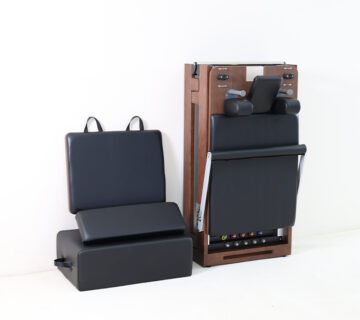
Studios with limited square footage may benefit from foldable reformers.
Modern foldable commercial reformers have improved significantly and can often support professional-level training while helping maximize floor space.
These models work well for:
- Hybrid fitness studios
- Shared wellness centers
- Small private studios
- Home-to-commercial transition businesses
Are Foldable Reformers Suitable for Professional Studios?
In many cases, yes.
Earlier generations of foldable reformers were mainly intended for home use, but newer commercial-grade folding systems now offer improved stability and durability.
A foldable Pilates reformer may be a smart option if your studio:
- Has limited storage space
- Hosts multi-purpose classes
- Requires mobile equipment layouts
- Operates inside shared facilities
However, large studios with constant daily traffic may still prefer fixed-frame commercial systems for maximum longevity.
Why Is Investing in High-Quality Pilates Equipment Important for Studios?
Quality equipment influences nearly every aspect of studio operations.
Better Client Experience
Clients notice the difference between entry-level and commercial reformers immediately.
Smooth movement, stable frames, and comfortable padding create a more professional environment that encourages repeat visits.
Lower Long-Term Costs
Cheaper machines may initially reduce startup expenses, but frequent repairs and replacements can increase operational costs later.
Stronger Brand Positioning
Professional equipment helps studios present themselves as credible, premium businesses.
This is especially important for:
- Luxury wellness studios
- Rehabilitation clinics
- Instructor training centers
- Performance-focused Pilates programs
Instructor Satisfaction
Experienced instructors often prefer teaching on reliable equipment because it improves exercise flow and reduces class interruptions.
Real Studio Scenario: Equipment Choice and Client Retention
A mid-sized boutique Pilates studio in California upgraded from entry-level reformers to commercial wood-frame systems after experiencing repeated maintenance issues during group classes.
Within several months, the studio reported:
- Fewer class interruptions
- Improved instructor feedback
- Better customer reviews
- Increased private session bookings
While equipment alone does not guarantee success, reliable commercial reformers can significantly improve daily operations and client perception.
Where Can You Buy the Best Pilates Reformer for Studio Needs?
Studio owners should purchase equipment from experienced commercial Pilates manufacturers that provide:
- Warranty coverage
- Replacement parts
- Product certifications
- Technical support
- Commercial customization options
Working directly with manufacturers can also help studios optimize pricing for bulk purchases and customized layouts.
CoreFlow specializes in professional Pilates equipment for commercial environments, including:
- Pilates Reformer systems
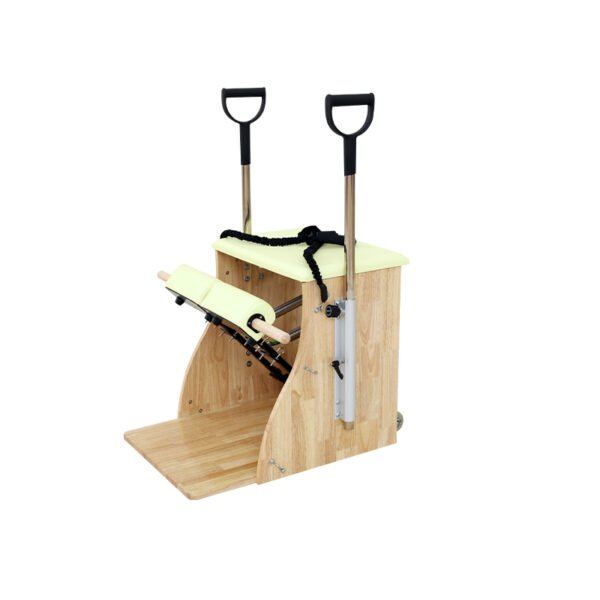
- Cadillac Pilates equipment
- Studio bundles
- Custom commercial solutions
Choosing a supplier with industry experience can help studios avoid compatibility and maintenance issues later.
Conclusion
Selecting the best Pilates reformer for studio use requires balancing durability, functionality, client comfort, aesthetics, and long-term operational value.
The ideal commercial reformer should support your studio’s teaching style, space limitations, and customer expectations while delivering reliable daily performance.
Whether you operate a boutique wellness studio, a large commercial fitness center, or a growing Pilates business, investing in high-quality professional equipment can help improve client satisfaction, reduce maintenance costs, and strengthen your studio’s long-term reputation.
Brands like CoreFlow continue to support modern studios with commercial-grade Pilates Reformer solutions designed for real-world professional use.
FAQs
What size Pilates reformer is best for a professional studio?
Standard commercial reformers work well for most studios because they accommodate a wide range of users. Extended-length reformers may benefit taller clients or advanced athletic training programs.
How long does a commercial Pilates reformer usually last?
High-quality commercial reformers often last between 8 and 12 years with proper maintenance and regular inspections.
What accessories should come with a studio Pilates reformer?
Most professional reformers include:
- Foot straps
- Hand straps
- Adjustable springs
- Headrest cushions
- Jump boards
Additional accessories can help studios diversify programming.
What is the difference between a Pilates Reformer and Megformer Pilates equipment?
A traditional Pilates Reformer focuses on controlled resistance-based Pilates exercises, while Megformer Pilates systems are typically designed for higher-intensity endurance and strength-focused workouts.
Is Cadillac Pilates equipment necessary for a studio?
Not every studio requires Cadillac Pilates systems, but they are valuable for rehabilitation training, advanced Pilates instruction, and specialized private sessions.

No comment