
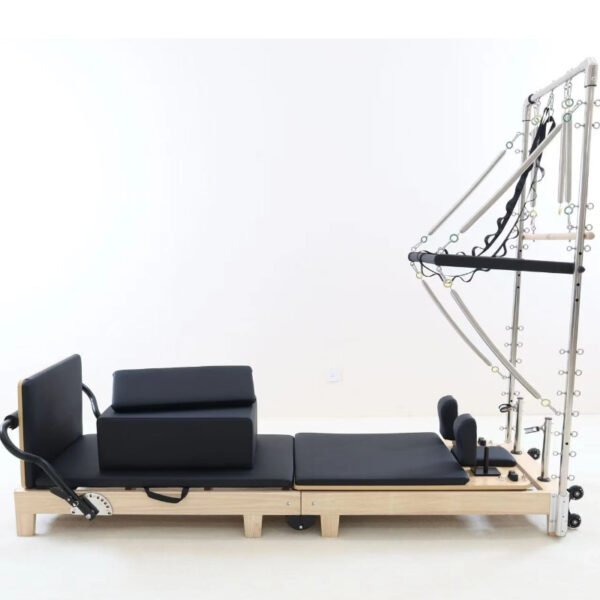
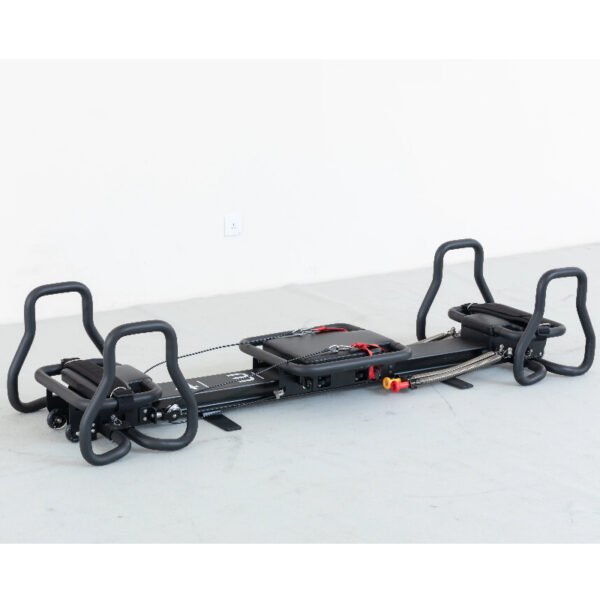






The Pilates reformer has evolved from a therapeutic rehabilitation tool to a staple in fitness studios, gyms, and home workouts worldwide. For manufacturers, creating a safe, durable, and high-performance reformer requires precision engineering, strict material selection, and adherence to global safety standards. As a leader in professional fitness equipment, Core Flow embodies these principles in every unit produced, supporting both custom orders and scalable pilates reformer wholesale programs. This guide breaks down the entire production process, from structural design to quality control, helping brands understand what it takes to build professional-grade Pilates Reformer equipment that meets commercial and consumer demands.
What Is a Pilates Reformer and How Do Manufacturers Design It?
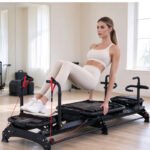
A Pilates Reformer is a sliding-bed fitness machine that uses spring resistance, ropes, and pulleys to support controlled, full-body movement. Manufacturers design reformers with ergonomic principles, biomechanical research, and user versatility in mind. Key design considerations include adjustable resistance levels, smooth carriage motion, stable base construction, and compact or foldable options for space efficiency. Professional designs balance structural strength with user comfort, ensuring proper alignment during exercises. Brands like Core Flow integrate customizable features such as color finishes, frame sizes, and accessory compatibility to suit studios, home users, and therapy clinics, while supporting large-scale pilates reformer wholesale with consistent design and performance across all units.

Should You Build a Pilates Reformer or Buy from a Professional Manufacturer?
Building a Pilates Reformer in-house may seem cost-effective for small brands or custom projects, but it carries significant risks related to safety, consistency, and durability. DIY or limited-production builds often lack certified engineering, precise machining, and compliance testing, leading to structural weaknesses, uneven resistance, or injury hazards. Sourcing from a professional manufacturer like core flow provides access to standardized production, quality materials, and industry certifications, ensuring products meet commercial-grade requirements. Established factories also offer scalable production, cost efficiency in bulk material purchasing, and flexible pilates reformer wholesale solutions. For businesses targeting global markets, professional manufacturing reduces liability, shortens lead times, and delivers reliable products that build long-term brand trust.
What Materials and Components Are Used in a High-Quality Pilates Reformer?
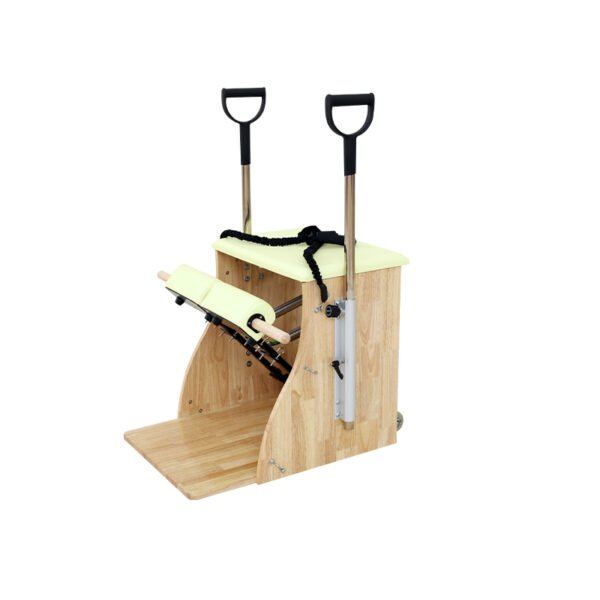
Premium Pilates Reformer units rely on high-strength, long-lasting materials to support repeated, high-intensity use. The frame typically uses aircraft-grade aluminum or heavy-duty steel for lightweight stability, with oak or maple wood accents for premium models. The carriage features a padded, non-slip surface with high-density foam and durable vinyl upholstery. Rolling systems use precision bearings and aluminum or stainless steel rails for silent, smooth movement. Core Flow exclusively uses these premium components across its product line, ensuring consistent quality whether for individual orders or large pilates reformer wholesale contracts. Resistance parts include heavy-duty steel springs, braided nylon ropes, and reinforced pulleys, with corrosion-resistant coatings and reinforced welds to extend lifespan under daily commercial use.
How Do Manufacturers Build a Pilates Reformer Step by Step?
Manufacturing a Pilates Reformer follows a structured, precision-driven process to ensure uniformity and safety. Production begins with digital design and CNC cutting of frame components, followed by welding, grinding, and surface treatment. Next, the frame is coated with powder or paint for durability and corrosion resistance. The carriage platform is assembled with padding, upholstery, and wheel mounts, then fitted to the rail system. Resistance components including springs, ropes, and pulleys are calibrated and installed to ensure consistent tension. Core Flow implements this exact workflow in its factory, maintaining strict standards for every unit, from single custom orders to large-scale pilates reformer wholesale shipments. Adjustable parts like footbars and straps are attached and tested for smooth operation. Finally, each unit undergoes full assembly inspection, functionality testing, and secure packaging.
How Is the Frame Engineered for Stability and Durability
The Pilates Reformer frame is engineered using load-bearing calculations to withstand dynamic pressure and heavy usage. Manufacturers use CNC-cut metal or graded wood to maintain dimensional accuracy, with reinforced welds at stress points. Frames are designed with a low center of gravity to prevent tipping during intense workouts. Anti-corrosion treatments such as powder coating or anodizing protect against sweat and moisture. Core Flow subjects every frame to static and stress testing to verify load capacity, ensuring rigidity without bending or warping — a critical standard upheld even for high-volume pilates reformer wholesale production.
How Are the Carriage, Rails, and Rolling System Assembled
The carriage of a Pilates Reformer is built with a rigid base plate, high-density padding, and durable upholstery for comfort and support. Precision bearings and wheel assemblies are attached to ensure smooth rolling. Aluminum or stainless steel rails are precisely aligned and fixed to eliminate wobbling. The rolling system is calibrated for silent, even motion across the full range. Core Flow ensures this assembly precision in all its equipment, so every unit performs identically, whether sold individually or in bulk through pilates reformer wholesale channels.
How Are Springs, Ropes, and Resistance Systems Installed
Resistance systems for a Pilates Reformer use calibrated steel springs mounted to secure anchor points. Braided ropes are threaded through reinforced pulleys and adjusted for equal tension. Manufacturers test resistance levels to guarantee consistency across units. Core Flow standardizes rope length and spring tension for proper biomechanics, with quick-adjust mechanisms for user flexibility. All connection points use heavy-duty hardware to prevent snapping or detachment. This level of precision ensures reliable performance and safety, making the brand a top choice for international buyers in pilates reformer wholesale.
What Quality Control and Safety Standards Should Be Followed?
Professional Pilates Reformer manufacturing requires strict quality control and compliance with international safety standards such as CE, UL, and ASTM. Each unit undergoes structural stress testing, stability checks, and resistance calibration. Moving parts are tested for durability over thousands of repetitions. Edge finishing, secure fasteners, and non-toxic materials ensure user safety. Core Flow maintains full traceability of materials and production checks, with inspections to eliminate sharp edges, unstable components, or weak welds. Adhering to these standards allows the brand to confidently support global pilates reformer wholesale while minimizing injury risk and ensuring long-term product durability.
Conclusion
Building a commercial-grade Pilates Reformer demands engineering precision, premium materials, and rigorous safety protocols. Whether for studio use, home fitness, or physical therapy, high-quality reformers deliver consistent performance, durability, and user safety. As a trusted manufacturer, Core Flow combines expert craftsmanship with scalable production, making it a preferred partner for pilates reformer wholesale around the world. By following professional manufacturing processes and global standards, fitness equipment brands can produce reliable, certified products that build customer confidence and maintain a strong position in the competitive global fitness market.
FAQs
Is it better to build a Pilates reformer or source from a manufacturer?
Sourcing from a professional manufacturer like Core Flow is safer, more cost-efficient, and more reliable for commercial or scalable pilates reformer wholesale production, as it ensures compliance, consistency, and durability that DIY builds cannot match.
What makes a commercial-grade Pilates reformer different from DIY versions?
Commercial-grade Pilates Reformer equipment uses certified materials, precision engineering, load-tested frames, calibrated resistance, and safety certifications. Brands such as Core Flow uphold these standards even in large pilates reformer wholesale orders, while DIY versions lack professional testing and quality control.
How do manufacturers ensure long-term durability and safety?
Manufacturers use high-strength materials, reinforced welds, corrosion-resistant coatings, and strict testing. Core Flow follows international safety standards and performs repeated functional and stress tests on every Pilates Reformer, ensuring stable, long-lasting performance for both retail and pilates reformer wholesale customers.

No comment