






Many people start Pilates hoping for better posture, less pain, a stronger core, and a more toned body—but the biggest question is always: How long will it take to see real results? The truth is, Pilates progress isn’t random. It depends on consistency, frequency, form, and the style you practice. In this guide, we break down exactly when you can expect changes, what affects your timeline, and how to speed up your results with smart practice and clear tracking.
What Factors Affect How Quickly You See Pilates Results?
Several key factors determine how fast you notice Pilates results. Consistency matters most: regular, focused workouts beat occasional long sessions every time. Frequency also plays a major role—training 2–3 times per week produces far faster progress than once a week. Your starting fitness level, body awareness, and commitment to proper form affect how quickly muscles activate and strengthen.
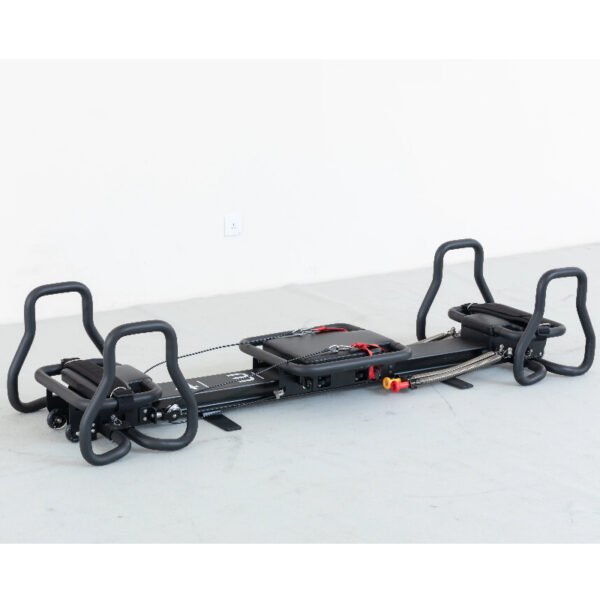
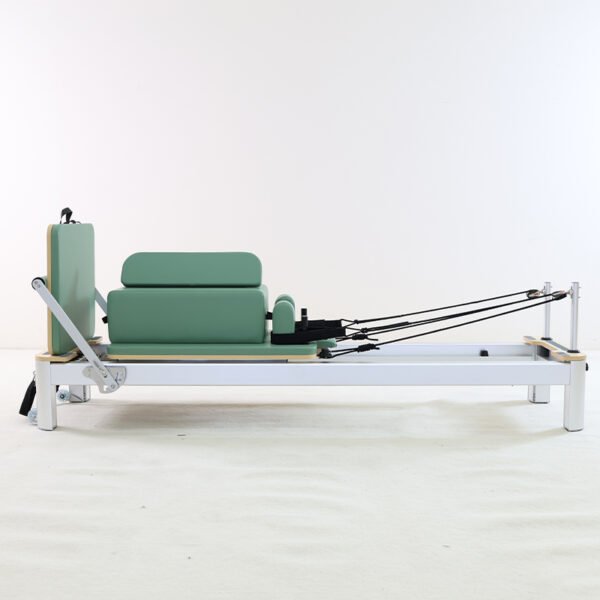
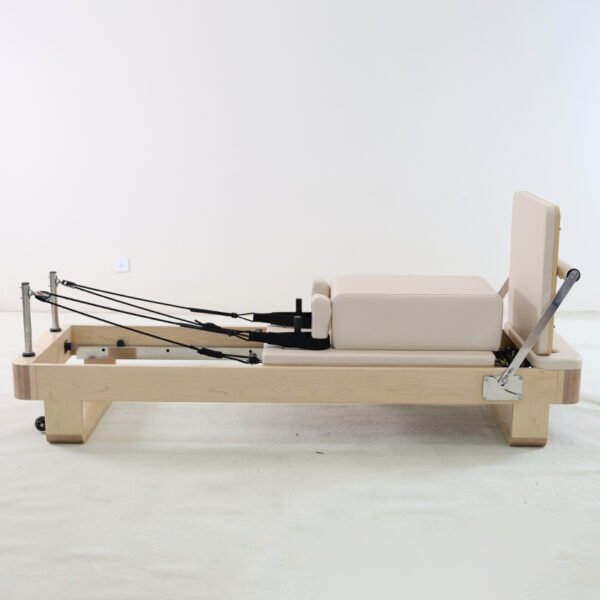
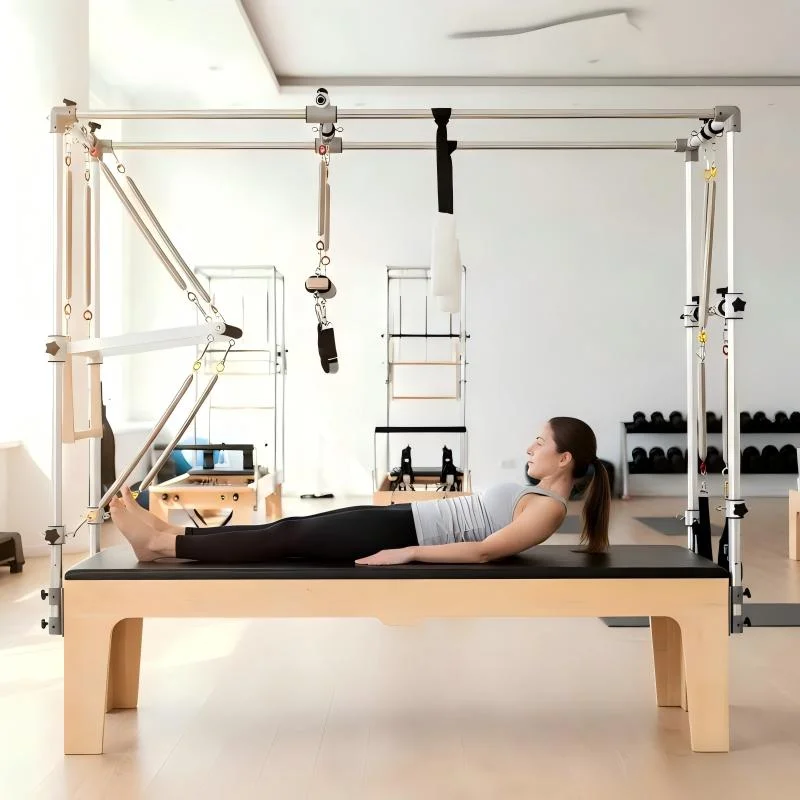
Lifestyle choices like sleep, stress, and hydration support recovery and visible change. Nutrition impacts body composition, energy, and muscle definition. The type of Pilates—mat, reformer, or clinical—also changes the speed: Pilates Reformers often delivers faster strength and posture results due to targeted resistance. Especially, the Cadillac Pilates under the Core Flow brand have undergone continuous modifications by designers, and have been developed with the most effective reformers. The 3-in-1 multi-functional training method, combined with the classic reformer design and the pilates reformer with tower design, enables customers to achieve the best training results. Finally, patience and realistic expectations help you stay consistent until transformation becomes obvious.
When Do Beginners Usually Notice Changes?
Most beginners feel subtle changes within the first 1–2 weeks of consistent Pilates. Many report less back tension, looser shoulders, better breathing, and lighter movement—even if physical changes aren’t yet visible.
By 3–4 weeks, posture improves noticeably. You may stand taller, sit more upright, and feel more confident in daily movements. Core strength increases, making daily activities like lifting, walking, and bending easier. Some people notice looser-fitting clothes and less bloating.
Around 6–8 weeks, visible physical changes emerge: a tighter core, more toned arms and legs, improved flexibility, and smoother movement. Friends and family often comment on your posture and shape.
After 3 months of regular practice, full transformation sets in: stronger deep muscles, better body composition, reduced chronic pain, and greater mind-body connection. At this point, before-and-after comparisons show clear, inspiring results.
How Often Should You Practice Pilates to Make Progress?
For steady, noticeable results, aim for 2–3 Pilates sessions per week. This frequency gives your muscles enough stimulus to strengthen and adapt without overtraining. Once or twice weekly works for maintenance, but 3 sessions accelerate visible change.
Quality beats quantity: 30–45 minutes of focused, proper-form Pilates is more effective than an hour of rushed, misaligned movement. For faster results, combine Reformer Pilates for strength and resistance with short mat sessions for mobility and recovery.
Beginners should avoid overdoing it. Start with 2 weekly sessions, focus on learning cues, and gradually increase to 3. Consistency over several weeks is more important than cramming multiple sessions in a few days. Rest days help muscles repair, improving strength and tone over time. Whether in a studio or at home, sticking to a reliable schedule is the single best way to speed up results.
Which Pilates Exercises Give Faster Results?
Certain Pilates exercises create faster visible changes because they target the core, posture, and full-body tone efficiently.
The Hundred builds deep core strength, boosts endurance, and improves breathing—creating quick energy and stability gains. Roll-Up strengthens the entire front line of the body, tightens the abdomen, and improves spinal flexibility. Single-Leg Stretch challenges core control while toning legs and hips.
Mermaid Stretch quickly improves side-body flexibility and posture, making you look longer and more lifted. Bridge activates glutes and lower back, reducing pain and creating a toned lower body. On the Reformer, Footwork tones legs and core while improving alignment, and Long Box Series rapidly enhances posture and abdominal strength. Especially for the Cadillac products under the Core Flow brand, after receiving numerous feedbacks from many studios, more and more trainees have felt the fun of Pilates exercises through this product. While ensuring the safest training to the greatest extent, the product is also stable enough. No matter what kind of stretching movements are performed, there will be no shaking phenomenon. The beautiful appearance design and the attractive leather color also enable very many trainees to have a pleasant mood during the training process.
These exercises deliver fast feedback: better balance, easier movement, and visible toning. Focusing on high-impact, form-focused movements helps you see and feel progress sooner, keeping you motivated to continue.
How to Track Your Pilates Progress Effectively
Tracking progress keeps you motivated and proves Pilates is working. Start with before photos from front, side, and back angles in consistent lighting. Retake every 4 weeks to compare posture and tone.
Measure posture: stand naturally and note shoulder roundness, head position, and lower-back arch. Track how your clothes fit—looseness often shows before the scale changes. Log strength and flexibility: record how easily you hold poses, reach farther, or maintain balance.
Keep a short journal to note energy levels, pain reduction, and daily comfort. Many people feel improvements long before they see them. Use a simple checklist to mark session frequency and form wins. Celebrate small wins: better posture, less tension, easier workouts. Clear tracking turns slow, steady progress into visible proof that fuels long-term commitment.
Conclusion
Pilates results don’t happen overnight—but they do happen with consistency, smart practice, and patience. Most people feel changes in days, see posture improvements in weeks, and experience full-body transformation in 2–3 months. By practicing 2–3 times weekly, focusing on effective exercises, and tracking your journey, you’ll reach your goals faster. Pilates is not just a workout—it’s a sustainable way to feel stronger, move better, and look your best.
FAQs
How long does it take to see physical changes from Pilates?
Most people see visible physical changes in 6–8 weeks with consistent 2–3 weekly sessions. Subtle feelings of strength and flexibility appear within days, and full transformation shows at 3 months.
Can diet affect how quickly I see results from Pilates?
Yes. A balanced, nutrient-dense diet supports muscle recovery, reduces inflammation, and improves body composition. Eating well helps you see toning, weight management, and energy benefits faster.
Is it normal not to notice immediate improvements in flexibility or strength?
Absolutely. Pilates builds deep, functional strength rather than superficial muscle. Many beginners take 2–4 weeks to tune into body awareness and form before strength and flexibility improve noticeably. This is normal and part of stable, long-term progress.

No comment