






Pilates Reformer training has evolved from a niche studio workout into one of the fastest-growing fitness methods worldwide. Today, everyone from office workers and older adults to professional athletes uses reformers to improve strength, mobility, posture, and body awareness.
As interest grows, many consumers compare pilates reformer price and pilates reformer cost before deciding whether to purchase one for home use. The question they often ask is simple:
Are the benefits of Pilates Reformer worth the investment?
The answer depends on your fitness goals, physical condition, and training consistency. This guide explains the most important pilates reformer benefits, supported by research, expert recommendations, and real-world user experiences.
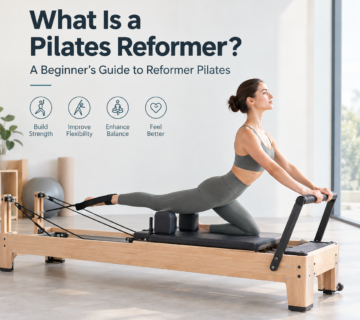
What Is a Pilates Reformer?
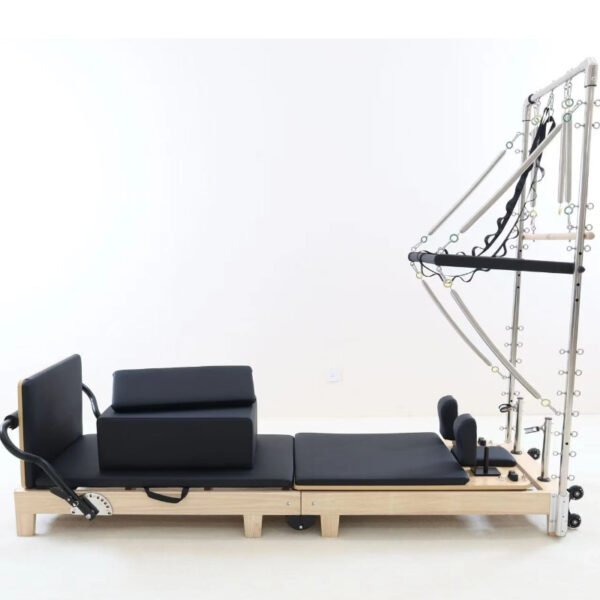
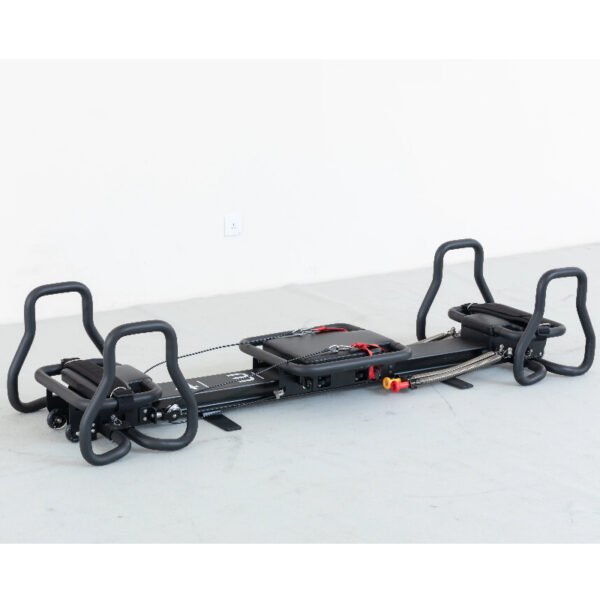
A Pilates Reformer is a specialized exercise machine originally developed by Joseph Pilates.
It includes:
- A sliding carriage
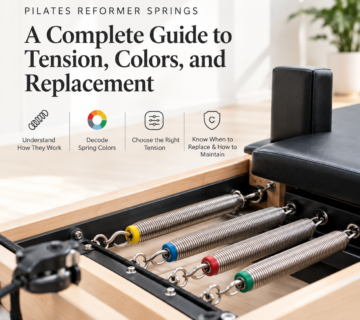
- Adjustable resistance springs
- Foot bar
- Shoulder blocks
- Straps and pulleys
Unlike traditional strength training equipment, the reformer combines resistance, stability, flexibility, and body control in a single workout system.
Because resistance can be adjusted instantly, it is suitable for beginners, rehabilitation patients, athletes, and seniors alike.
-
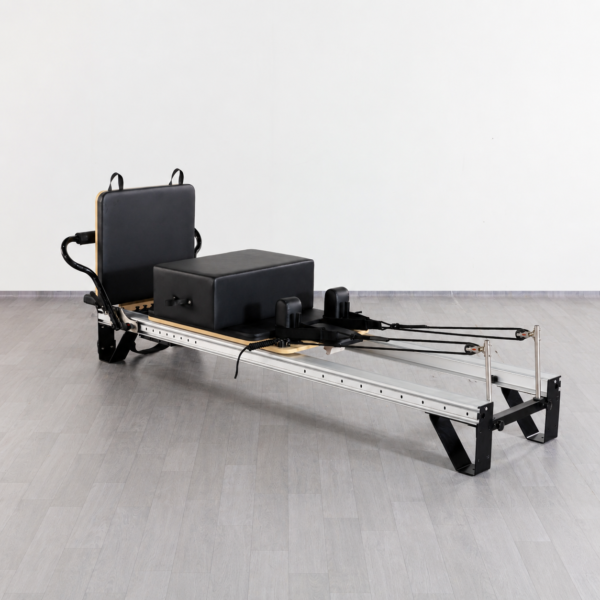
C05-01 Aluminum Pilates Reformer | Commercial Studio Equipment
-
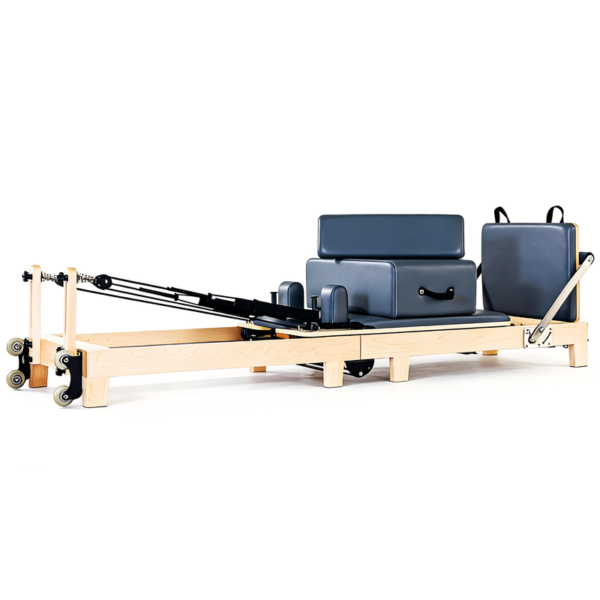
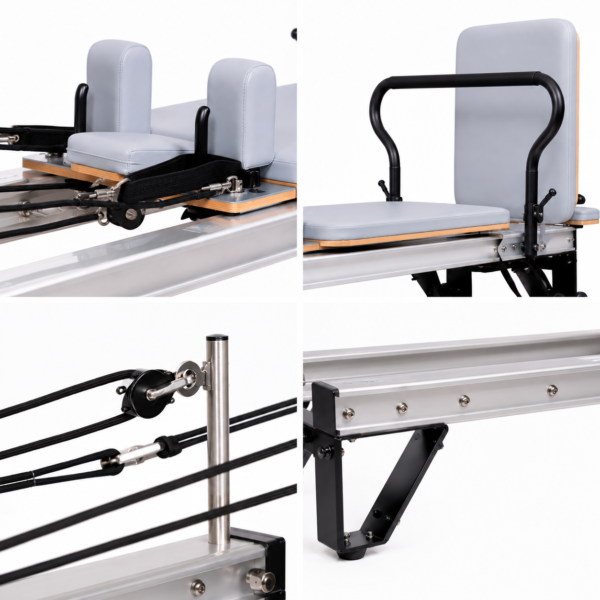
Wooden foldable Pilates reformer – CoreFlow Y09-14
Why Has Reformer Pilates Become So Popular?
Several factors have contributed to the rise of reformer Pilates:
| Trend | Why It Matters |
|---|---|
| Remote work | More people experience posture issues and back pain |
| Aging population | Demand for low-impact exercise continues growing |
| Home fitness | Consumers seek alternatives to expensive gym memberships |
| Injury prevention | Functional training is becoming more important |
According to the American College of Sports Medicine (ACSM), functional fitness and mobility training remain among the top fitness trends globally, which aligns closely with Pilates principles.
For many users, reformer Pilates fills the gap between physical therapy and traditional gym workouts.
1. Builds Deep Core Strength
One of the biggest benefits of Pilates Reformer training is core development.
Unlike crunches or sit-ups, reformer exercises target:
- Transverse abdominis
- Multifidus muscles
- Pelvic floor muscles
- Obliques
These muscles support the spine and improve overall body stability.
Real-Life Example
Many office workers report that after 8–12 weeks of consistent reformer training, they experience:
- Less lower back discomfort
- Better sitting posture
- Improved balance during daily activities
This is one reason physical therapists frequently incorporate reformer-based exercises into rehabilitation programs.
2. Improves Posture and Spinal Alignment
Modern lifestyles encourage prolonged sitting and screen use.
Common issues include:
- Rounded shoulders
- Forward head posture
- Tight hip flexors
- Weak upper back muscles
The reformer encourages proper alignment during every movement.
Because the carriage moves under resistance, users receive immediate feedback when their body positioning is incorrect.
Over time, this helps create healthier movement patterns that carry over into daily life.
3. Enhances Flexibility Without Excessive Joint Stress
Traditional stretching can sometimes place stress on joints.
Reformer Pilates uses controlled spring resistance to lengthen muscles gradually.
Many users notice improvements in:
- Hamstring flexibility
- Hip mobility
- Shoulder mobility
- Thoracic spine movement
This makes reformer training particularly appealing for adults who feel stiff but want a safer alternative to aggressive stretching routines.
4. Provides a Full-Body Workout
A single reformer session can train:
- Core
- Legs
- Glutes
- Arms
- Back
- Shoulders
Unlike many gym machines that isolate specific muscles, reformer exercises emphasize coordinated movement patterns.
This results in more efficient workouts and better functional strength.
5. Low-Impact and Joint Friendly
One of the most appreciated reformer pilates benefits is its low-impact nature.
Because movements are performed in supported positions:
- Knees experience less compression
- Hips move through controlled ranges
- The spine receives support
For people recovering from injuries or managing joint sensitivity, reformer Pilates may offer a safer exercise option compared with running or high-impact fitness classes.
Always consult a qualified healthcare professional before beginning a rehabilitation program.
6. Helps Improve Balance and Coordination
Balance naturally declines with age.
The moving carriage challenges:
- Stability
- Proprioception
- Neuromuscular control
Many exercises require users to maintain control while the carriage moves beneath them.
This develops body awareness that translates into everyday activities and sports performance.
7. Supports Athletic Performance
Professional athletes increasingly incorporate reformer Pilates into their conditioning programs.
Benefits may include:
- Improved mobility
- Better movement efficiency
- Enhanced core stability
- Reduced risk of overuse injuries
Athletes in golf, tennis, running, swimming, and football frequently use Pilates as a complementary training method.
8. Can Help Reduce Back Pain
Research published by the National Institutes of Health (NIH) suggests Pilates-based exercise programs may help reduce chronic nonspecific low back pain in certain populations.
The combination of:
- Core strengthening
- Postural training
- Controlled movement
makes reformer Pilates a common recommendation among physical therapists.
However, results vary depending on the individual and underlying medical conditions.
9. Supports Mental Well-Being
Reformer Pilates is not only physical training.
Sessions emphasize:
- Controlled breathing
- Mind-body connection
- Movement precision
Many practitioners report feeling:
- Less stressed
- More focused
- Mentally refreshed
This mindful component is one reason Pilates continues attracting people seeking holistic wellness rather than purely aesthetic results.
10. Offers Long-Term Value for Home Fitness
Many consumers compare studio fees with the pilates reformer cost of owning equipment.
Consider a typical example:
| Option | Estimated Annual Cost |
|---|---|
| Studio Classes (2x/week) | $2,000-$4,500+ |
| Home Reformer Purchase | $800-$5,000+ |
Although the initial pilates reformer price may seem high, some households find that ownership becomes cost-effective after one to two years of regular use.
This is especially true for families with multiple users.
Is Pilates Reformer Better Than Mat Pilates?
The answer depends on your goals.
| Feature | Mat Pilates | Reformer Pilates |
|---|---|---|
| Equipment Required | No | Yes |
| Resistance Options | Bodyweight | Adjustable Springs |
| Beginner Support | Moderate | Excellent |
| Exercise Variety | Good | Extensive |
| Rehabilitation Use | Limited | Widely Used |
| Progression Potential | Moderate | High |
Both methods can be effective.
However, many beginners find reformer training easier to learn because the machine provides support and feedback throughout the workout.
Who Can Benefit Most From Reformer Pilates?
Reformer Pilates may be suitable for:
- Beginners
- Office workers
- Seniors
- Athletes
- Postpartum individuals
- Rehabilitation clients
- People seeking low-impact fitness
The adjustable resistance system allows workouts to be customized for different needs and fitness levels.
How Often Should You Use a Pilates Reformer?
Most instructors recommend:
| Goal | Frequency |
|---|---|
| General fitness | 2-3 sessions/week |
| Strength improvement | 3-4 sessions/week |
| Athletic conditioning | 3-5 sessions/week |
| Mobility maintenance | 2 sessions/week |
Consistency matters more than workout intensity.
Even short, regular sessions can produce noticeable improvements over time.
Conclusion
The growing popularity of reformer Pilates is not simply a fitness trend. The evidence and user experiences suggest that the benefits of Pilates Reformer extend far beyond core strength.
From improving posture and flexibility to supporting rehabilitation and mental well-being, the reformer offers a versatile, low-impact training solution for a wide range of users.
When evaluating pilates reformer cost and pilates reformer price, it is important to consider long-term value rather than initial expense alone. For many individuals, the combination of convenience, effectiveness, and adaptability makes reformer Pilates a worthwhile investment in their health and fitness journey.
FAQs
What are the biggest benefits of Pilates Reformer training?
The most commonly reported benefits include improved core strength, better posture, enhanced flexibility, increased balance, and reduced joint stress during exercise.
Can beginners use a Pilates Reformer?
Yes. The adjustable spring resistance makes reformers suitable for beginners and allows gradual progression as strength and confidence improve.
How long does it take to see results from Reformer Pilates?
Many users notice improvements in posture, mobility, and body awareness within 6–8 weeks when practicing consistently two to three times per week.
Is Pilates Reformer good for weight loss?
While Pilates primarily focuses on strength, mobility, and muscle endurance, it can support weight-management goals when combined with a balanced diet and regular physical activity.
Is buying a reformer worth the cost?
For people who train regularly, comparing ongoing studio fees with the long-term pilates reformer cost often shows that home ownership can become financially advantageous over time.
What is the average Pilates reformer price in 2026?
Most home reformers range from approximately $800 to $5,000+, depending on build quality, materials, features, and intended use.

No comment