


Choosing a commercial Pilates reformer is an important decision for any studio owner. The right machine should support different training levels, accommodate frequent sessions, and provide a comfortable experience for both clients and instructors. However, commercial reformers vary in frame materials, resistance systems, adjustability, accessories, and maintenance requirements.
Whether you are opening a boutique Pilates studio, expanding a fitness center, or purchasing equipment for a rehabilitation facility, understanding these differences can help you make a more informed investment.
A commercial reformer Pilates machine is not simply a larger version of a home model. It needs to fit your training programs, available floor space, expected usage, and long-term operating budget. This guide explains the essential features to evaluate before purchasing commercial Pilates equipment and how to select a studio Pilates reformer machine that suits your business.
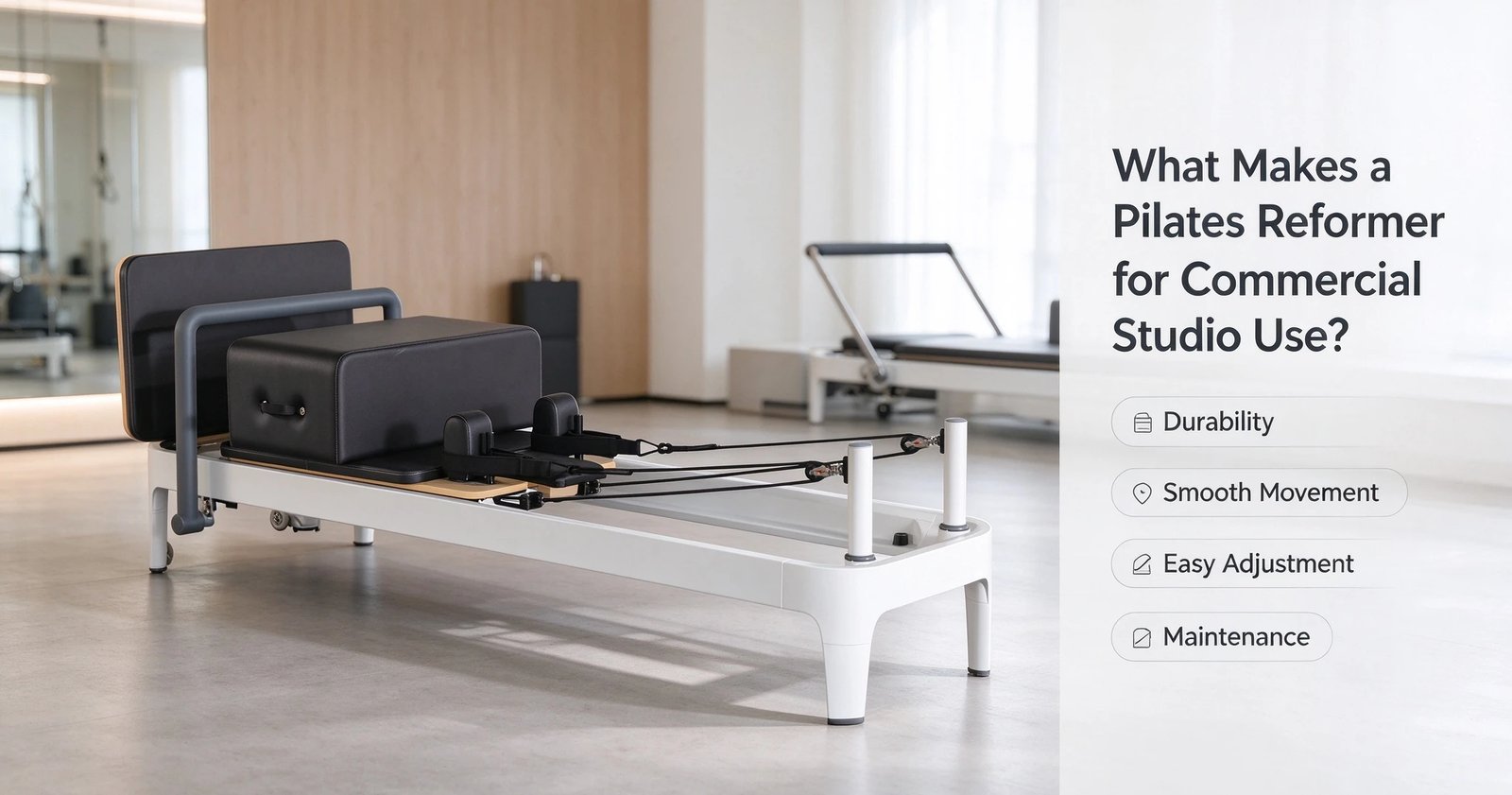
What Makes a Pilates Reformer Suitable for Commercial Studio Use?
A commercial Pilates reformer is designed for professional environments where equipment may be used by multiple clients throughout the day. Its frame, moving carriage, springs, ropes, and adjustment mechanisms should be appropriate for the studio’s expected workload.
When comparing models, look beyond appearance and initial purchase price. Consider the manufacturer’s specifications, movement quality, ease of adjustment, replacement parts, warranty terms, and maintenance requirements.
For example, a boutique studio offering private sessions may prioritize comfortable adjustments and versatile accessories. A group-class studio may place greater emphasis on consistent performance, easy cleaning, and efficient transitions between clients.
The right equipment should match the studio’s actual operating needs rather than simply having the most features.
How Does a Commercial Reformer Differ from a Home Pilates Reformer?
Home reformers often emphasize compact storage, portability, and occasional personal workouts. Commercial models generally prioritize construction, stability, serviceability, and suitability for repeated use. However, the distinction depends on the individual model, not just its marketing label. Always check the manufacturer’s specifications, recommended usage, warranty coverage, and availability of replacement components.
What Types of Professional Pilates Reformers Are Available(For Studios)?
Professional Pilates reformers are available in several designs to meet the needs of different studios, training programs, and available spaces. Understanding the main types can help studio owners choose equipment that supports their class formats, instructor preferences, and long-term business goals.
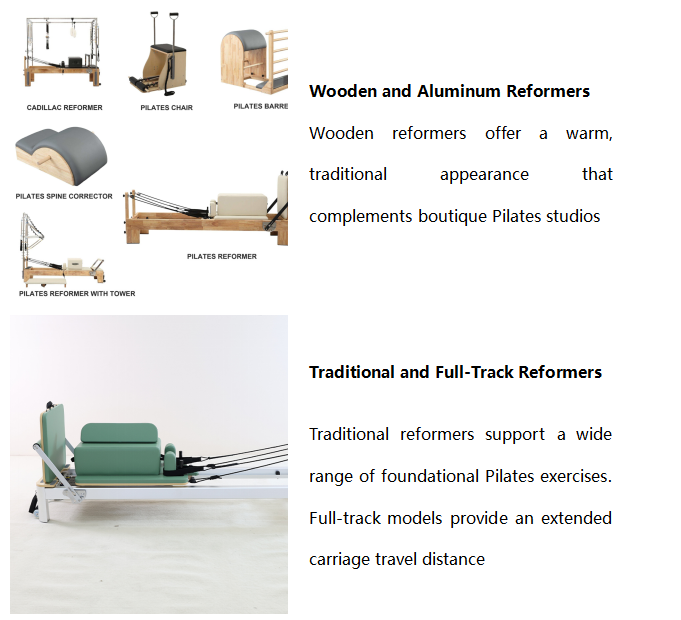
- Wooden and Aluminum Reformers: Wooden reformers offer a warm, traditional appearance that complements boutique Pilates studios, while aluminum models often feature a modern design and are suitable for contemporary fitness spaces.
- Traditional and Full-Track Reformers: Traditional reformers support a wide range of foundational Pilates exercises. Full-track models provide an extended carriage travel distance, which may benefit certain exercises and accommodate different training preferences.
- Folding Reformers: Designed for studios with limited floor space or multipurpose rooms, folding reformers can be folded away when not in use, helping make more efficient use of the available area.
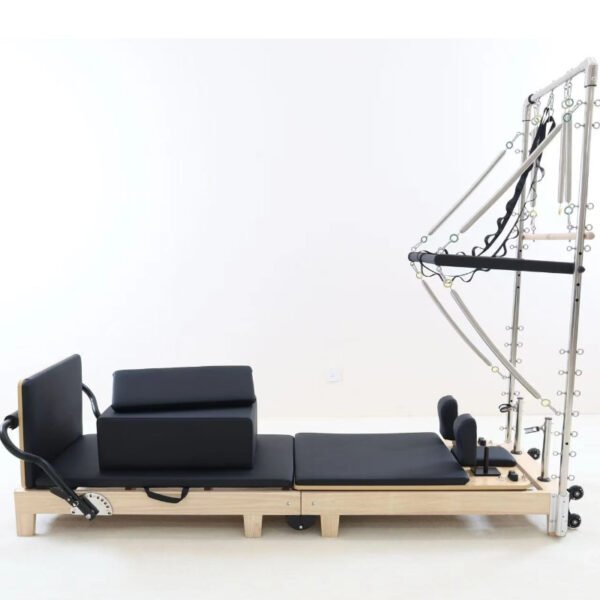
- Reformers with Tower Attachments: These models combine reformer-based exercises with additional spring resistance and tower-mounted accessories, allowing instructors to offer a broader range of movement and training options.
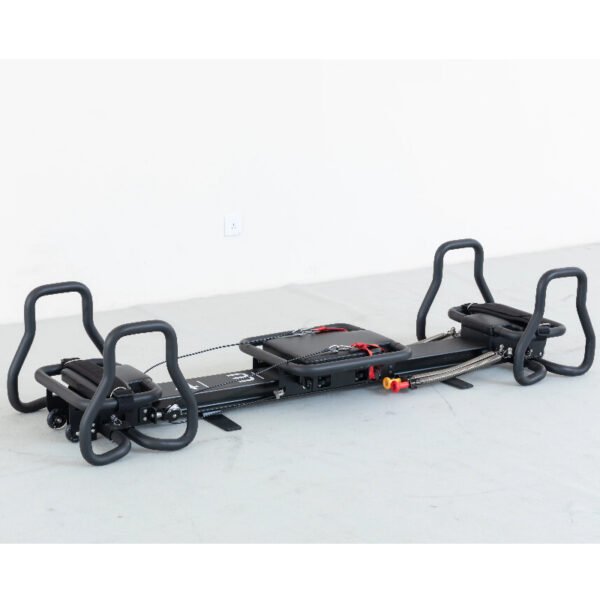
- Specialized Strength-Focused Machines: Some studios incorporate Megaformer-style equipment to support high-intensity, strength-focused sessions that combine controlled movements with resistance training.
Each configuration serves different operational and programming needs. Before making a decision, consider your studio’s class formats, available floor space, expected usage frequency, equipment maintenance requirements, and preferred visual style. The right professional Pilates reformer should fit both your instructors’ training methods and your studio’s long-term plans.
What Key Features Should You Look for in a Commercial Pilates Reformer?
A reliable purchasing decision starts with the components that directly affect daily operation. Frame construction, carriage movement, resistance, adjustability, and user comfort all deserve attention.
Which Frame Materials Are Suitable for Daily Studio Use?
Wooden and aluminum frames are common options for professional Pilates studios.
Wooden reformers, including maple and oak designs, appeal to studios seeking a classic appearance and a solid equipment presence. They can complement boutique wellness spaces, premium fitness facilities, and traditional Pilates studios.
Aluminum reformers offer a different combination of appearance, portability, and structural design. They may suit modern studios, commercial gyms, and facilities that prefer a streamlined look.
Neither material automatically makes a reformer better. Frame design, connection points, manufacturing quality, finish, and maintenance also influence performance. Before buying, confirm the complete machine’s dimensions, maximum user weight, stability requirements, and care instructions.
How Do Springs, Carriages, and Resistance Systems Affect Performance?
Springs provide resistance, while the carriage moves along the frame and ropes or straps help transmit force during exercises. Together, these components influence the machine’s feel and the control required during movement.
Check whether the resistance options suit your intended classes and whether instructors can change spring settings efficiently. The carriage should move consistently throughout its usable range without unusual noise, sticking, or excessive play.
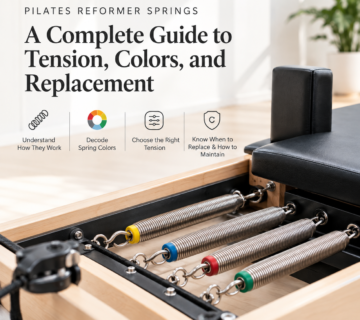
Spring color codes and resistance levels can vary by manufacturer. Ask for the specific spring configuration and replacement availability instead of assuming that two machines with similar colors provide identical resistance.
Why Do Adjustability, Stability, and Comfort Matter?
A studio Pilates reformer machine may serve clients with different body proportions, experience levels, and movement goals. Adjustable footbars, shoulder rests, headrests, ropes, and straps can help instructors adapt the setup to the exercise and individual user.
Comfort matters too. Evaluate the padding, upholstery, handle grip, and ease of getting on and off the machine. Stability should be assessed with the reformer’s intended movements and load specifications in mind.
For studio owners, straightforward adjustments can also improve class transitions. In a busy group session, equipment that is easy to configure helps instructors spend more time teaching and less time troubleshooting.
How Do Modern Pilates Reformer Designs Improve Studio Training?
Modern reformer designs give studios more ways to organize their training programs. Depending on the configuration, one machine may support traditional Reformer exercises, strength development, mobility work, and additional movements using compatible accessories.
Before selecting commercial Pilates equipment, identify the classes you plan to offer. A machine with more attachments may be useful for a studio offering varied programs, but extra features are less valuable if instructors rarely use them.
The U.S. Department of Health and Human Services recommends that adults undertake muscle-strengthening activities on at least two days each week, alongside recommended aerobic activity. The Physical Activity Guidelines for Americans provide useful background for understanding the broader role of strength-focused exercise. A reformer can support resistance-based training, although its suitability depends on the individual’s needs and how the exercises are programmed.
How Can Tower Attachments and Accessories Expand Exercise Options?
A tower attachment adds vertical resistance options through springs and other compatible accessories. Depending on its design, it can support exercises performed while lying down, sitting, kneeling, or standing.
For studios that want to combine Reformer and tower-based movements, this configuration may offer more programming flexibility within one equipment footprint. Some facilities may also consider jumpboards, reformer boxes, platform extenders, and other accessories.
However, compatibility is essential. Confirm which accessories are included, which are optional, and whether the manufacturer approves them for your selected model. Instructors should also receive appropriate training before introducing unfamiliar equipment configurations.
How Do Folding Designs and Space-Saving Features Benefit Studios?
Folding reformers can help businesses make better use of limited floor space. They may be suitable for smaller studios, multipurpose fitness rooms, or facilities that need to clear an area between sessions.
Before choosing a folding model for commercial use, verify that it is intended for your expected usage frequency. Check the folding mechanism, locking system, storage dimensions, moving requirements, and setup procedure.
A fixed full-track reformer may be more practical for a dedicated studio with a permanent equipment layout. A folding machine may offer greater flexibility in a shared space. The best option depends on how often equipment needs to be moved and how much room instructors require around each machine.
How Can You Maintain Commercial Pilates Reformer Equipment?
Regular maintenance helps keep commercial reformers operating smoothly and allows potential problems to be identified before they interrupt classes. A maintenance routine should follow the manufacturer’s instructions and account for how frequently each machine is used.
For a busy studio, assign responsibility for daily cleaning and routine checks. Keep a record of inspections, replacement parts, and any unusual sounds or movement issues. Do not continue using equipment with a suspected safety defect until it has been assessed.
Which Components Need Regular Inspection and Cleaning?
Focus on the parts that experience frequent contact or movement:
Carriage and tracks: Remove dust, hair, and debris using the approved cleaning method. Check for irregular movement.
Springs and attachment points: Inspect for visible wear, deformation, corrosion, or damaged connections.
Ropes and straps: Look for fraying, loose stitching, or signs of deterioration.
Pulleys and wheels: Check for unusual noise, resistance, or visible damage.
Upholstery and handles: Clean after use with products approved by the manufacturer.
Footbar and adjustment mechanisms: Confirm that components lock securely and operate as intended.
Cleaning products and lubrication requirements vary by material and model. Avoid applying unapproved chemicals or lubricants, which may damage upholstery or interfere with component performance.
How Can Proper Maintenance Help Extend Equipment Service Life?
A consistent maintenance schedule can help reduce avoidable wear and identify parts that need attention. Daily cleaning, routine visual inspections, correct spring handling, and timely replacement of worn components are practical starting points.
For example, if an instructor notices that a carriage has become less smooth, recording the issue and arranging an inspection can help prevent repeated use of a potentially faulty machine. Staff should also follow the manufacturer’s guidance on spring replacement intervals and service procedures.
When purchasing commercial Pilates equipment, ask about spare parts, technical support, warranty exclusions, and recommended maintenance schedules. These details matter because the initial purchase is only one part of the equipment’s long-term cost.
Conclusion
Selecting the right commercial Pilates reformer requires more than comparing frame materials or choosing the machine with the longest feature list. Studio owners should evaluate construction, carriage movement, resistance options, adjustability, accessories, space requirements, and maintenance support together.
A wooden reformer may suit a studio’s aesthetic and training approach, while an aluminum model or tower-equipped configuration may better match another facility’s operational needs. Folding designs can also be useful where floor space serves multiple purposes.
CoreFlow offers commercial reformer options in different materials and configurations for studios, gyms, distributors, and other professional buyers. If you are comparing models for a new facility or planning an equipment upgrade, explore our commercial pilates reformer collection to review available options and identify a suitable configuration for your requirements.
Before placing an order, request detailed specifications, confirm the included accessories, and discuss customization, warranty coverage, replacement parts, and shipping arrangements with the supplier. A well-matched reformer can help create a more consistent training environment and support the practical needs of your studio over time.
FAQs
How Long Does a Commercial Pilates Reformer Typically Last?
There is no single lifespan that applies to every commercial reformer. Service life depends on construction quality, usage frequency, maintenance, environmental conditions, and the replacement of wear components. A machine used for back-to-back classes may experience different wear from one used for a few private sessions each day. Follow the manufacturer’s maintenance guidance and review the warranty before purchasing.
What Is the Difference Between a Wooden and an Aluminum Pilates Reformer?
Wooden reformers offer a traditional appearance and can complement boutique or classical Pilates studios. Aluminum reformers generally provide a modern look and may offer different weight and handling characteristics depending on their construction. Neither material is automatically superior. Compare frame design, stability, dimensions, carriage performance, maintenance, and manufacturer specifications before deciding.
How Many Commercial Pilates Reformers Does a New Studio Need?
The number depends on your floor area, class format, expected attendance, instructor staffing, and budget. A studio focused on private sessions may begin with fewer machines, while a group-class business may need several reformers to accommodate scheduled classes. Start with a floor plan that includes safe access and instructor movement space, then estimate demand using your planned class size and schedule. Confirm the final layout and spacing with qualified professionals and the equipment manufacturer.

No comment