






The Pilates industry is experiencing unprecedented growth, with millions of people practicing Pilates regularly worldwide. For fitness entrepreneurs and studio owners, this represents a prime opportunity to enter a thriving market. This guide provides a practical, step-by-step roadmap to opening your own successful Pilates studio—from initial planning and equipment selection to marketing and client retention strategies.
Is Opening a Pilates Studio Profitable?
Yes, opening a Pilates studio can be highly profitable when planned and executed correctly. Thousands of studios operate nationwide, and most achieve profitability within 12–18 months of opening. Established studios typically operate with 15–25% profit margins, making this an attractive business opportunity for fitness entrepreneurs. Success depends heavily on location, pricing strategy, class occupancy rates, and controlling overhead costs. With proper planning, a well-located studio generating consistent class attendance can produce strong monthly revenue—offering excellent profit potential. The key is understanding your local market, positioning your studio effectively, and delivering exceptional client experiences that drive retention and referrals.
What Is the Market Demand for Pilates?
Market demand for Pilates is exceptionally strong and growing rapidly. Participation continues to increase year over year, making it one of the fastest-growing fitness activities globally. Social media engagement has exploded, with Pilates content reaching millions of views across platforms like Instagram and TikTok. The global Pilates market continues expanding as more consumers discover this effective, low-impact training method.
Who Is Your Target Client?
Pilates attracts a diverse demographic, primarily women (approximately 85%), though male participation is steadily rising. Key target segments include fitness enthusiasts seeking low-impact strength training, rehabilitation clients recovering from injuries, seniors maintaining mobility, prenatal and postnatal women, and busy professionals seeking stress relief and core conditioning. Understanding your local demographic helps tailor services to community needs.
How to Create a Pilates Studio Business Plan?
A comprehensive business plan serves as your roadmap and is essential for securing financing. Begin with an executive summary clearly stating your studio concept, niche (boutique reformer studio, mat-focused, or hybrid), and unique value proposition. Define your target clientele and analyze local competitors by visiting their studios, studying their class schedules, pricing, and client reviews to identify market gaps.
Detail your services and pricing model. Most successful studios offer tiered pricing: single drop-in classes, class packs with discounted rates, monthly memberships, and private sessions at premium rates. Include introductory specials to attract new clients and convert them into regular attendees.
Your financial projections must account for both startup costs (equipment, renovations, deposits, permits) and ongoing operational expenses (rent, utilities, instructor salaries, insurance, software). Calculate your break-even point—how many classes and clients you need monthly to cover costs and achieve profitability. This clarity helps you make informed decisions throughout your launch phase.
What Are the Startup Costs?
Opening a Pilates studio typically requires $50,000–$200,000 in initial investment, depending on scale and location. A basic studio with essential equipment can start around $50,000, while premium facilities with multiple reformers, custom interiors, and prime locations may reach $200,000 or more. Major expenses include equipment, lease deposits and renovations, and initial marketing investments.
How to Estimate Revenue?
Estimate monthly revenue by calculating class capacity, pricing, and expected occupancy. For example, a studio charging premium rates with consistent class attendance can generate substantial monthly income. Factor in private sessions at higher rates, retail sales, workshops, and potentially online class subscriptions. Realistic projections should account for ramp-up time—most studios reach target occupancy within 6–12 months.
What Equipment and Space Do You Need?
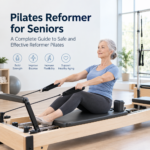
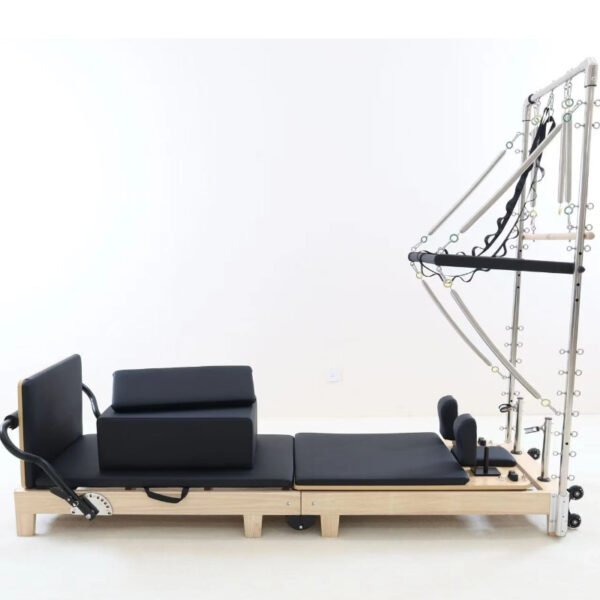
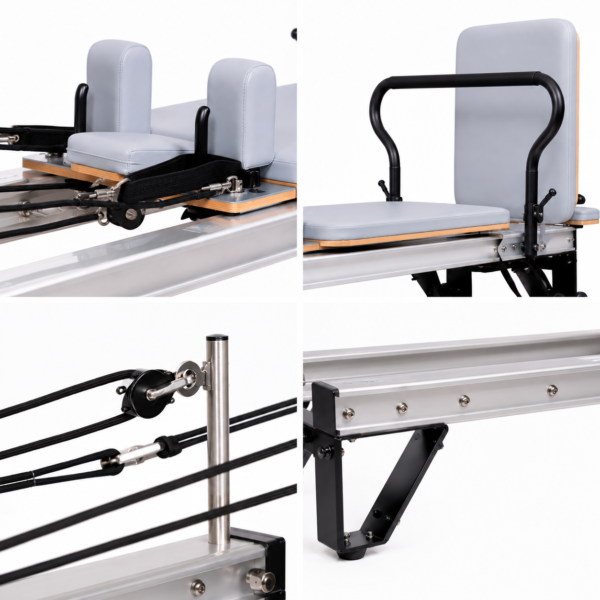
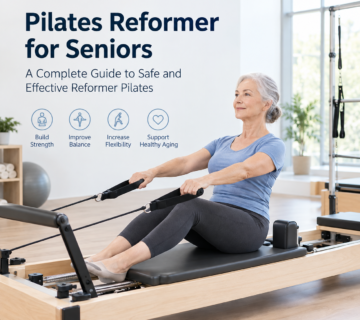
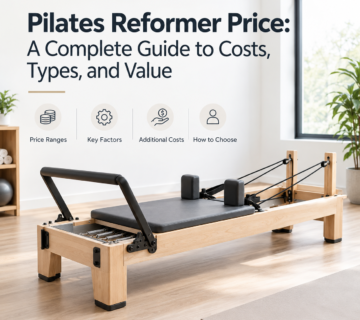
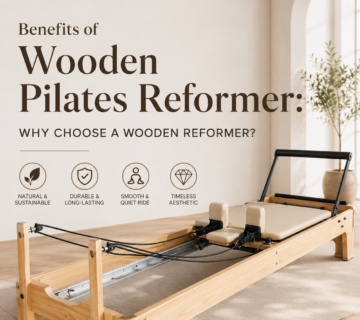
Equipment selection defines your studio’s capabilities and significantly impacts startup costs. For reformer-based studios, the centerpiece is your Pilates Reformers. Quality matters immensely—commercial-grade reformers from reputable manufacturers ensure durability, smooth operation, and client safety. CoreFlow’s Pilates Reformers are engineered specifically for commercial studio environments, featuring precision-milled aluminum alloy tracks for lasting smoothness, high-density foam for optimal client support, and robust construction that withstands daily high-volume use. Available in both wood frame options (select North American Maple or Thai Oak) and aluminum alloy models, they provide the reliability that studio owners need.
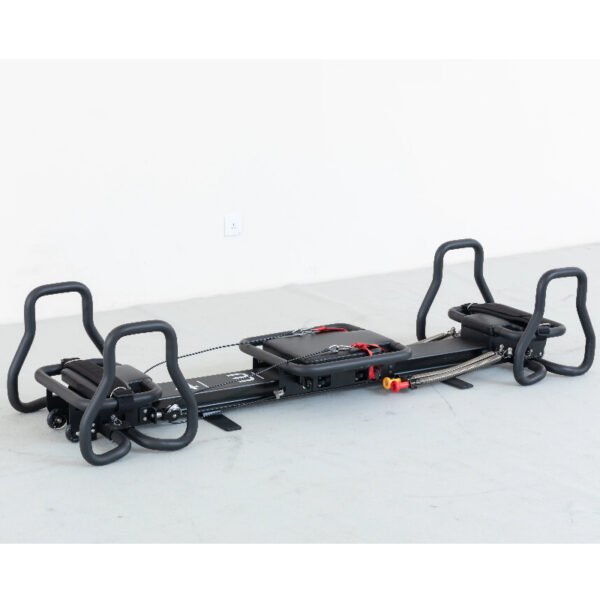
For studios targeting the growing high-intensity, low-impact market, Megaformer equipment offers a distinct opportunity. While similar in appearance to traditional reformers, Megaformers are designed for the Lagree Method—featuring longer frames, dual platforms, and heavier resistance systems that support fast-paced, high-tension workouts. CoreFlow’s Megaformer models deliver the robust construction and smooth resistance needed for these demanding classes.
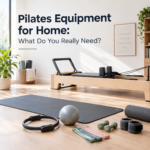
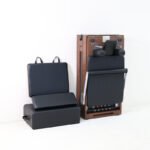
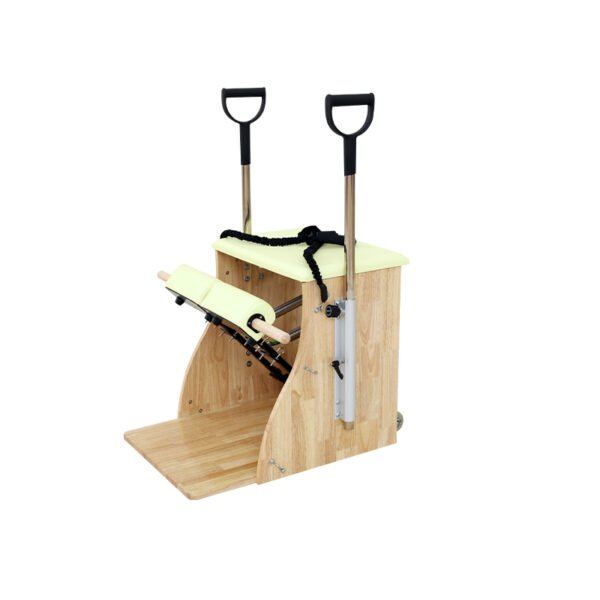
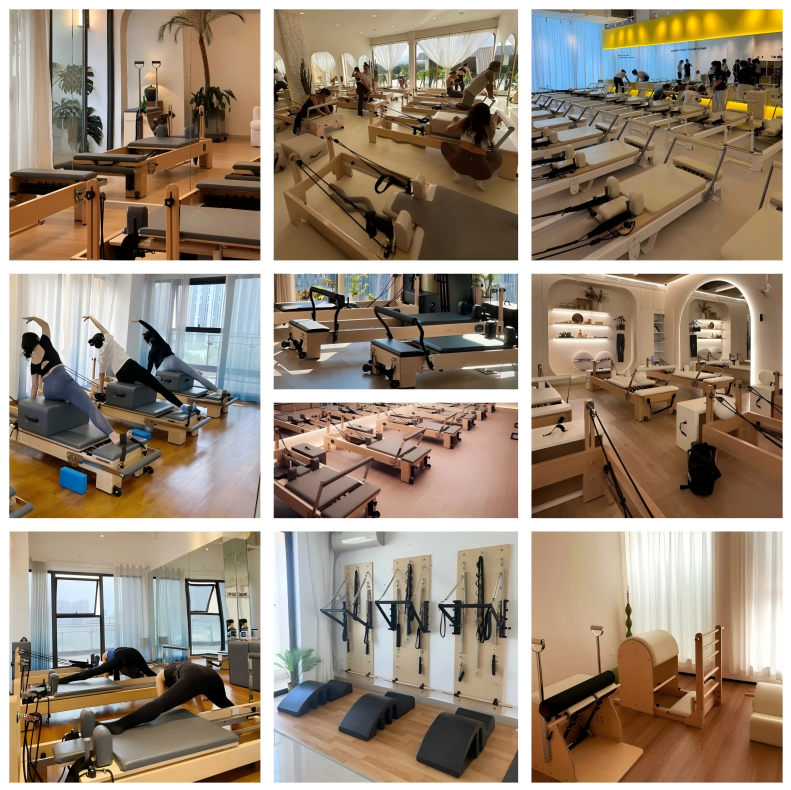
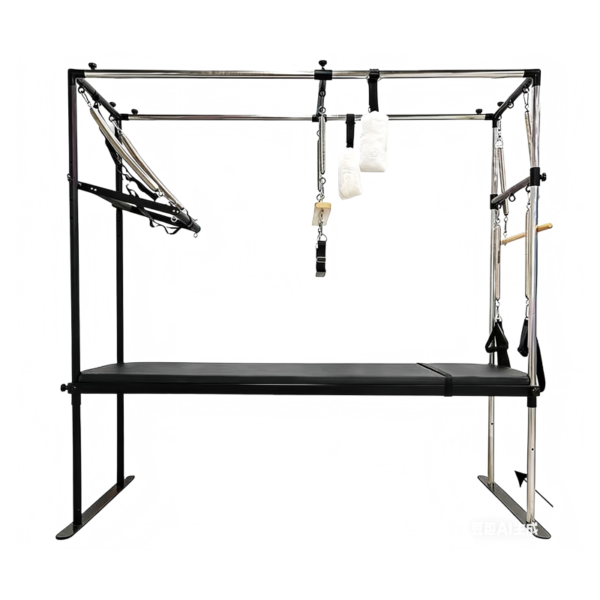
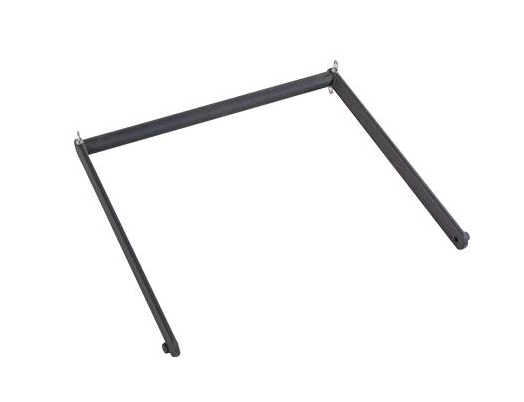
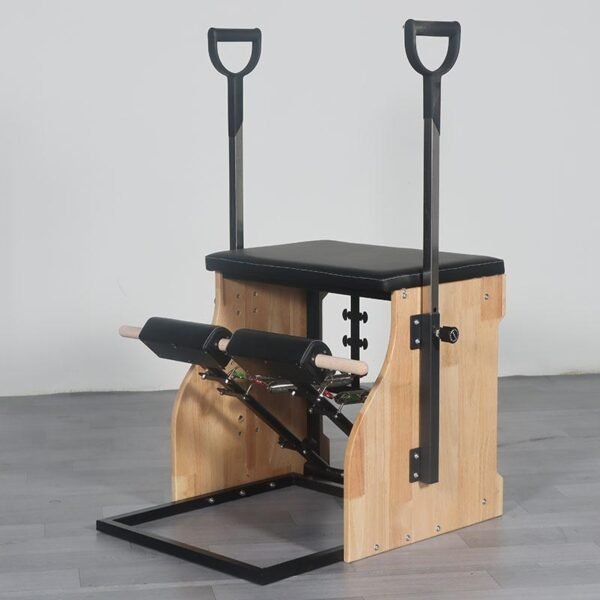
Beyond reformers, consider supplementary apparatus like Cadillacs, Pilates chair, and pilates ladder barrel for comprehensive programming. Small props—magic circles, resistance bands, stability balls—add variety to mat classes. Space requirements vary: reformers need approximately 8–10 feet of linear space per machine plus clearance for movement, so a studio with 6–12 reformers typically requires 800–1,500 square feet.
How Many Reformers Should You Buy?
Most new studios start with 6–12 reformers, depending on class size goals and budget. A studio running group classes of 6–8 clients needs at least that many machines. Consider your maximum class capacity and peak-hour demand when deciding. Starting with fewer reformers and expanding as your client base grows is a conservative approach that manages initial investment.
Do You Need Additional Equipment?
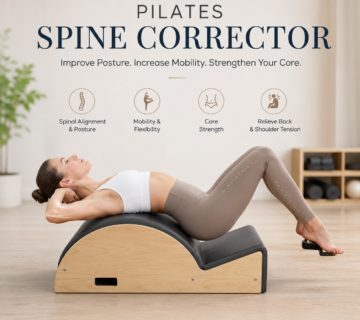
Yes, a well-equipped studio includes supplementary apparatus. Beyond reformers, consider investing in a Cadillac for specialized stretching and advanced work, Wunda chairs for targeted strength training, and barrels for spinal mobility. Mat classes require high-quality mats and props like magic circles, resistance bands, and small weights to keep classes varied and engaging.
-
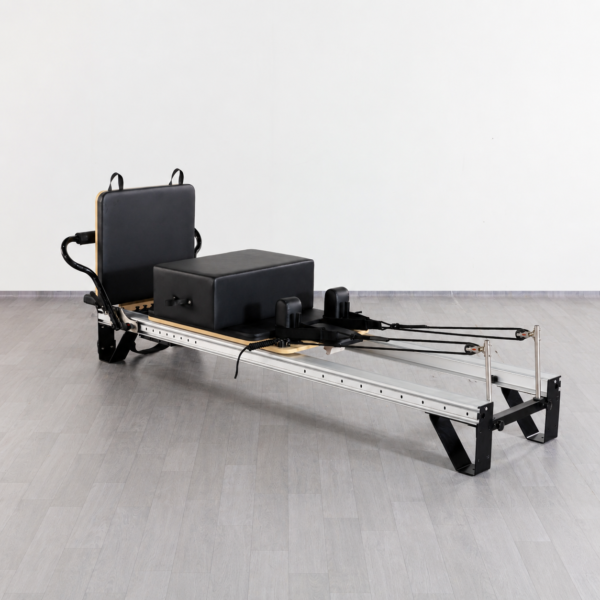
C05-01 Aluminum Pilates Reformer | Commercial Studio Equipment
-
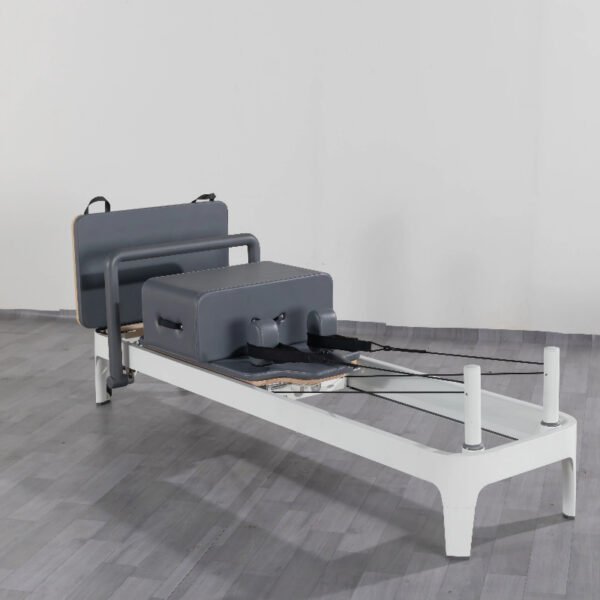
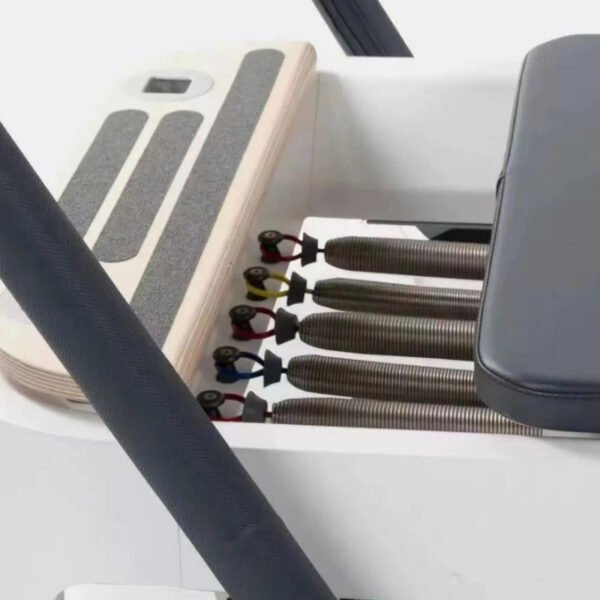
Y01-01 Aluminum Alloy Full Track Pilates Reformer
How to Choose the Right Location?
Location success factors include proximity to your target demographic, accessibility via car or public transit, and parking availability. Clients typically prefer studios within 15 minutes of home or work. Balance visibility against cost—prime street-level spaces offer marketing benefits but command higher rents. Maintaining a sustainable rent-to-revenue ratio ensures financial health.
What Legal and Certification Requirements Apply?
Proper legal setup protects your business and personal assets. Most studio owners form an LLC to separate business liabilities from personal finances. Register your business with state authorities, obtain an Employer Identification Number (EIN) from the IRS, and secure any required local permits or zoning approvals.
Insurance is non-negotiable. General liability insurance covers accidents or injuries occurring in your studio—essential given the physical nature of Pilates. Professional liability insurance protects against claims of improper instruction causing injury. Property insurance covers your equipment investment, and workers’ compensation may be required if you hire employees.
Instructor certification is equally critical. Ensure all instructors hold credentials from reputable organizations like the Pilates Method Alliance (PMA), BASI Pilates, Balanced Body, or STOTT Pilates. Specialized certifications in prenatal, rehabilitative, or athletic performance Pilates can differentiate your studio and attract niche clientele.
How to Market and Grow Your Studio?
Effective marketing combines digital presence with local community engagement. Your website should showcase class offerings, instructor bios, pricing, and easy online booking through scheduling software. Social media—particularly Instagram and TikTok—is essential for reaching today’s fitness consumers. Share class highlights, client transformations, quick tips, and behind-the-scenes content to build community and attract followers.
Pre-launch marketing builds anticipation. Distribute flyers, partner with local businesses, and run targeted social ads to generate initial class sign-ups. Offer attractive introductory specials to lower the barrier for trial and convert first-time visitors into regular clients.
Local partnerships amplify reach. Collaborate with nearby coffee shops, wellness boutiques, chiropractors, and physical therapists who can refer clients seeking complementary services. Host free community workshops or open houses to introduce potential clients to your studio and instructors. Building relationships within your local wellness community creates a steady referral stream.
What Marketing Strategies Work Best?
Digital marketing with strong visual content performs best. Instagram and TikTok reach younger demographics effectively, while Google Ads capture local search traffic for terms like “Pilates near me.” Professional photos and videos of your space and classes provide essential marketing assets. Email marketing to prospects who visit your website converts interest into bookings.
How to Retain Clients?
Retention strategies include exceptional instruction, welcoming atmosphere, and consistent communication. Implement a loyalty program or membership model encouraging regular attendance. Track client preferences and celebrate milestones—birthdays, 50th class, first year of practice. Solicit feedback through surveys and act on suggestions. Personal connections and visible progress keep clients returning.
Conclusion
Opening a Pilates studio represents an exciting opportunity in a growing market. Success requires careful planning across multiple dimensions: thorough market research, realistic financial projections, strategic equipment selection, and thoughtful studio design. By investing in commercial-grade equipment from reliable manufacturers like CoreFlow—whether choosing precision-engineered Pilates Reformers for classical programming or robust Megaformers for high-intensity Lagree Method classes—you build a foundation of quality that clients will appreciate and trust.
Remember that your equipment is only part of the equation. Exceptional instruction, a welcoming environment, and consistent marketing drive client acquisition and retention. With proper planning and execution, your studio can join the thousands of successful Pilates businesses serving the growing community of practitioners worldwide. The journey from concept to thriving studio requires dedication, but for those passionate about Pilates and committed to excellence, the rewards—both personal and financial—are substantial.
FAQs
How much does it cost to open a Pilates studio?
Opening costs typically range from $50,000 to $200,000 depending on size, location, and equipment quality. A basic studio with essential equipment and minimal renovations might start around $50,000, while a premium facility with multiple reformers, custom build-out, and prime location can exceed $200,000. Equipment alone for 6–12 reformers represents a significant but essential investment.
How long does it take to become profitable?
Most Pilates studios achieve profitability within 12–18 months of opening. The timeline depends on location, pricing strategy, class occupancy rates, and how effectively you control overhead costs. Studios running at strong class capacity typically break even faster than those at lower occupancy. Building a loyal client base takes time but provides sustainable revenue.
Should I start small or fully equipped?
Starting small is often wise for first-time owners. Begin with essential equipment—6–8 reformers, basic props, and necessary furnishings—then expand based on client demand. This approach minimizes initial debt and allows you to test your market before major investment. However, ensure your core equipment is commercial-grade quality from trusted manufacturers like CoreFlow to avoid premature replacement costs and provide the professional experience clients expect.

No comment