






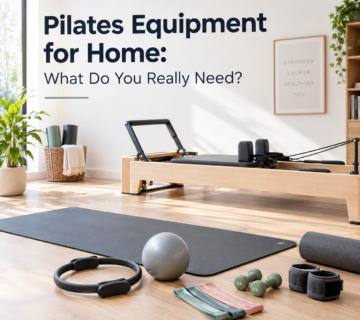
Pilates equipment has become an important part of modern fitness routines, especially for users looking for low-impact yet highly effective training. Unlike mat-based exercises, Pilates equipment introduces adjustable resistance and guided movement patterns that help improve strength, posture, and body awareness.
According to general fitness industry observations and reports from organizations like the American Council on Exercise (ACE), resistance-based training plays a key role in improving functional strength and injury prevention. Pilates equipment aligns well with these goals by offering controlled resistance that adapts to different fitness levels.
This guide breaks down what Pilates equipment is, the main types available, and how to choose the right setup—whether for home use or a professional studio.
What Is Pilates Equipment and How Does It Work?
Definition and Purpose of Pilates Equipment
Pilates equipment refers to specialized machines and apparatus designed to support and challenge the body during Pilates exercises. These tools use springs, pulleys, and bodyweight to create controlled resistance.
How Resistance-Based Training Improves Strength and Flexibility
Resistance-based training allows muscles to work through a full range of motion. Unlike free weights, Pilates equipment provides continuous tension, which helps improve both strength and flexibility simultaneously. This is particularly useful for rehabilitation and core stabilization.
Key Differences Between Mat Pilates and Equipment-Based Pilates
| Feature | Mat Pilates | Equipment-Based Pilates |
| Resistance | Bodyweight only | Adjustable springs |
| Support | Limited | Enhanced support |
| Difficulty | Fixed | Scalable for all levels |
| Versatility | Moderate | High |
Equipment-based Pilates often allows more precise control, making it suitable for beginners and advanced users alike.
What Are the Main Types of Pilates Equipment?
Pilates Reformer and Its Functions
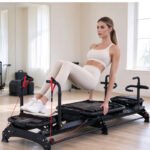
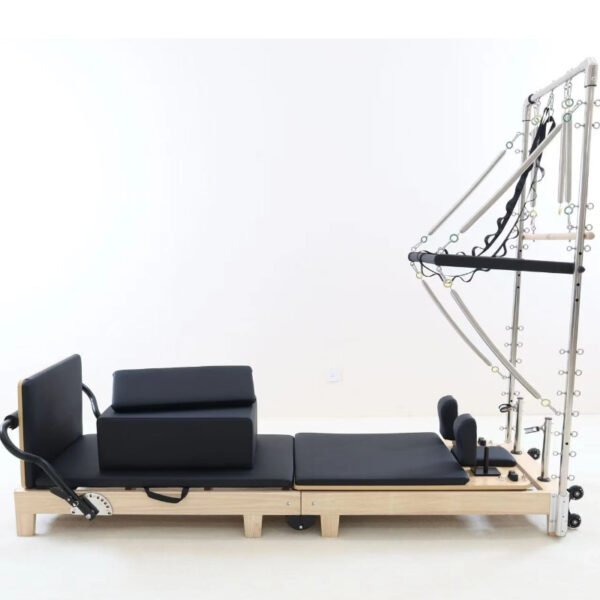
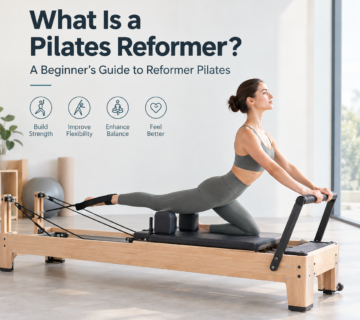
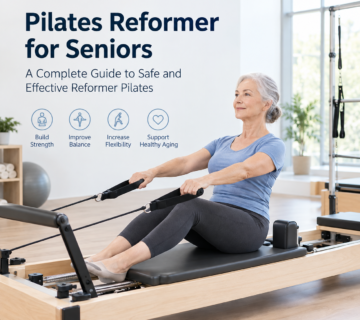
The reformer is one of the most widely used pieces of equipment. It features a sliding carriage, adjustable springs, and straps to create resistance-based exercises.

Cadillac Pilates / Trapeze Table for Advanced Training
This larger apparatus supports advanced movements, including inversions and assisted stretches. It is commonly used in rehabilitation settings.

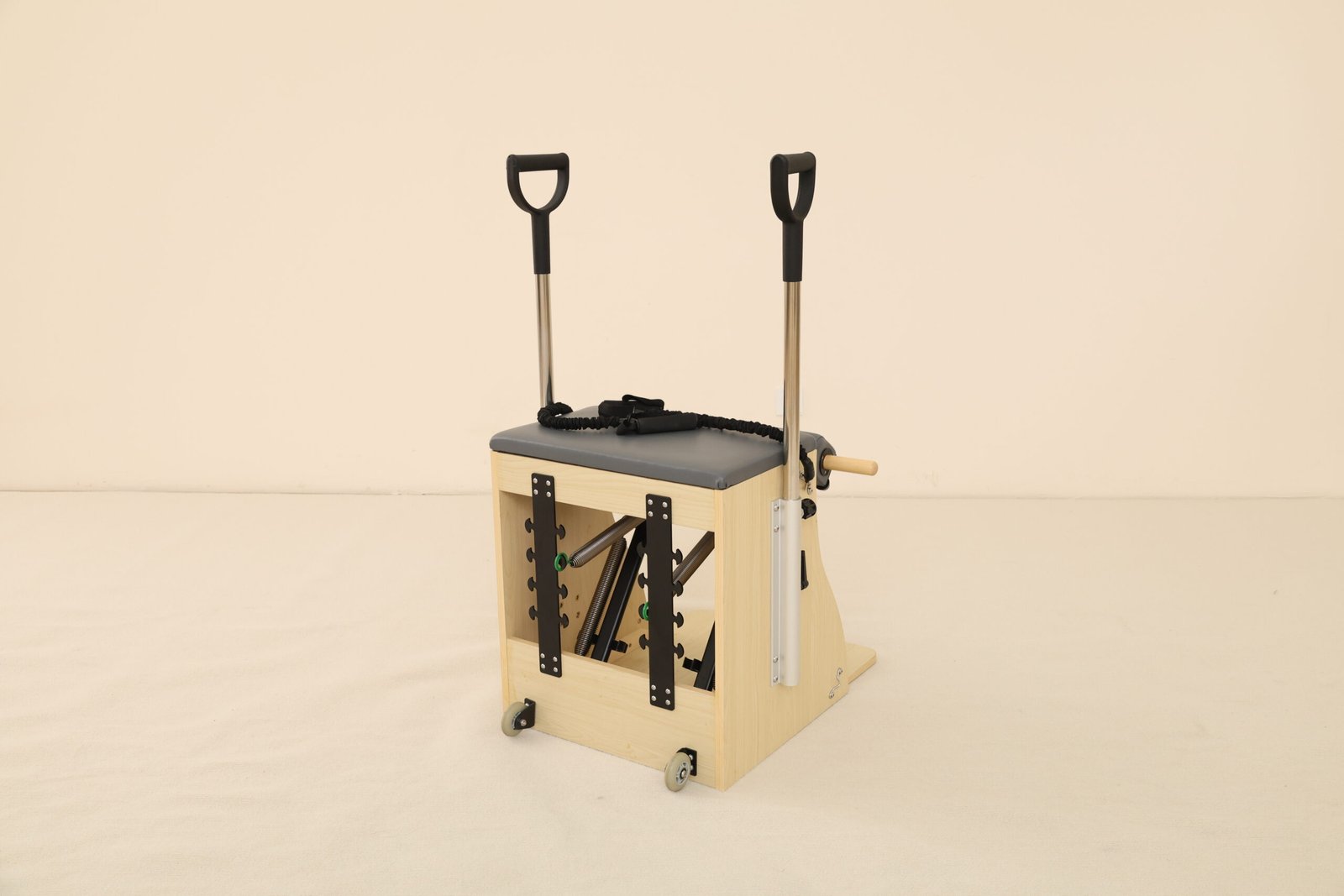
Pilates Chair for Strength and Balance
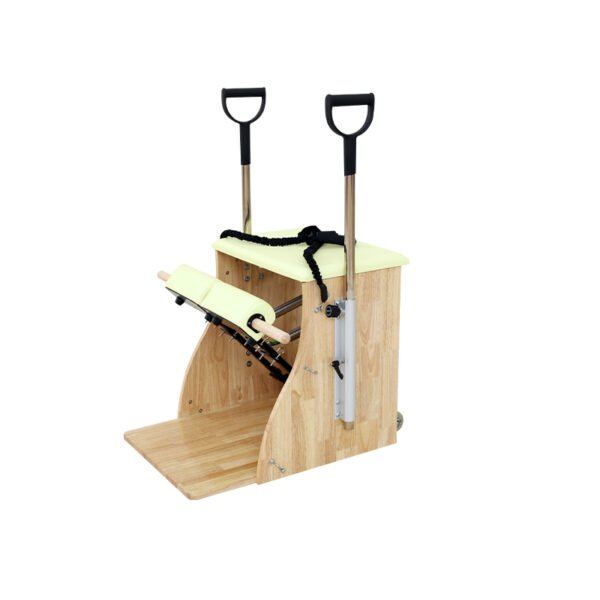
The chair focuses on lower-body strength and balance. It’s compact and ideal for targeted training.
Ladder Barrel for Spinal Mobility
This equipment helps improve spinal flexibility and alignment, making it useful for stretching and posture work.
Wall Unit and Compact Training Options
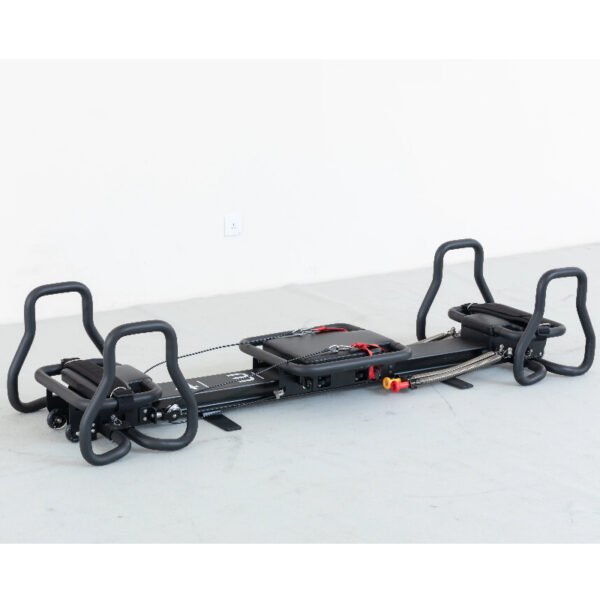
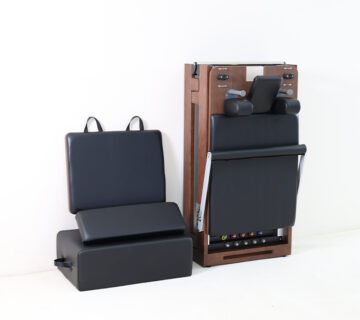
Compact systems like wall pilates equipment are becoming increasingly popular, especially for home users with limited space. These systems attach to a wall and offer many of the same functions as larger studio machines.
For high-quality options, many studios and home users explore systems like wall unit pilates designed to maximize space efficiency while maintaining professional-grade resistance training.
Why Is Pilates Equipment Important for Fitness Training?
How Pilates Equipment Enhances Core Strength
Core engagement is central to Pilates. Equipment helps maintain constant tension, which activates deep stabilizing muscles more effectively than many traditional exercises.
Why Equipment Improves Alignment and Posture
The guided movement of Pilates equipment encourages proper alignment, reducing the risk of compensatory movement patterns that can lead to poor posture.
Benefits for Injury Recovery and Rehabilitation
Pilates equipment is widely used in rehabilitation settings due to its low-impact nature. Physical therapists often incorporate it into recovery programs.
Role of Equipment in Progressive Training
One of the key benefits is scalability. Resistance can be adjusted gradually, allowing users to progress safely over time.
How to Choose the Right Pilates Equipment for Your Needs?
What Factors Should You Consider Before Buying Pilates Equipment?
When evaluating options, consider:
- Fitness level and training goals
- Available space
- Budget
- Frequency of use
Choosing Equipment for Home Use vs Professional Studio
For home users, compact systems like wall units are ideal. For studios, full-sized machines such as reformers and cadillacs are often preferred.
Budget, Space, and Material Considerations
High-quality equipment from established pilates equipment manufacturers typically uses durable materials like aluminum frames and high-tension springs, ensuring long-term safety and performance.
Safety Features and Build Quality
Look for:
- Non-slip surfaces
- Smooth carriage movement
- High-quality spring systems
- Certified manufacturing standards
What Are the Benefits of Using Pilates Equipment?
Improved Strength and Flexibility
Pilates equipment provides resistance that helps build muscle strength while improving flexibility through controlled stretching.
Enhanced Core Stability and Balance
Regular use strengthens deep core muscles, improving overall balance and stability.
Better Posture and Spinal Alignment
Equipment guides the body into proper alignment, which can help reduce postural issues over time.
Increased Workout Variety and Resistance Levels
With adjustable resistance, users can vary workouts significantly, preventing plateaus and maintaining engagement.
Pilates Equipment for Home vs Studio Use
Advantages of Home Pilates Equipment
- Convenience and flexibility
- Long-term cost savings
- Personalized training environment
Advantages of Studio-Grade Equipment
- Wider range of equipment
- Professional guidance
- Advanced training options
Space and Setup Considerations
Home users often prefer compact options like wall units, while studios invest in full equipment setups under brands or providers like CoreFlow, a recognized name in Pilates equipment solutions. Learn more about their offerings at CoreFlow.
How to Maintain and Use Pilates Equipment Safely?
Regular Cleaning and Inspection
Equipment should be inspected regularly for wear and tear, especially springs and straps.
Proper Usage Techniques
Following correct form is essential to avoid injury and maximize benefits.
Avoiding Common Mistakes and Injuries
- Overextending movements
- Using incorrect resistance levels
- Skipping warm-ups
Conclusion
Pilates equipment plays a crucial role in enhancing physical fitness, offering a structured and adaptable way to build strength, improve posture, and support rehabilitation. Whether used at home or in a professional setting, selecting the right equipment ensures both safety and long-term effectiveness.
By understanding the different types of equipment, evaluating your needs, and choosing high-quality products from reliable pilates equipment manufacturers, you can build a training routine that grows with you over time. Compact solutions like wall-based systems and professional-grade studio equipment both have their place, depending on your goals and space.
FAQs
What is the most essential Pilates equipment for beginners?
A reformer or wall unit is often recommended, as they provide guided movement and adjustable resistance.
Can Pilates equipment be used effectively at home?
Yes, many compact options such as wall systems and foldable pilates reformer is designed specifically for home use.
How often should Pilates equipment be maintained or replaced?
Regular inspections should be done every few months, while replacement depends on usage frequency and wear—typically every few years for heavily used studio equipment.

No comment