






Pilates is more than a fitness routine—it is a structured movement system designed to improve neuromuscular control, spinal alignment, and full-body coordination. Unlike conventional strength training, it does not isolate muscles; instead, it trains the body as an integrated kinetic chain.
Modern Pilates is practiced in many forms, from mat-based exercises to advanced equipment such as the pilates reformer machine and other specialized apparatus designed to refine movement precision and spinal stability.
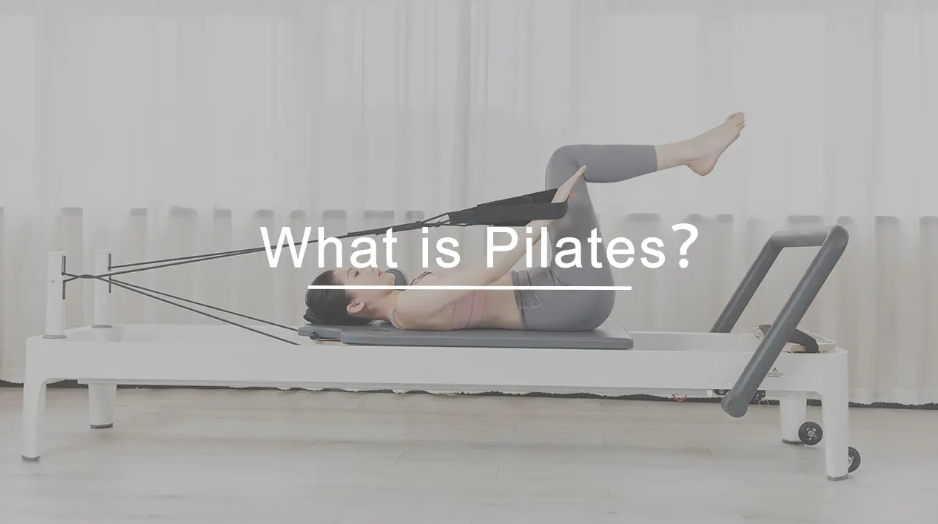
What Is Pilates?
Pilates is a movement method developed by Joseph Pilates in the early 20th century, originally used for rehabilitation and postural correction. Today, it is widely used in fitness, physiotherapy, and athletic conditioning.
The system is based on controlled movement patterns supported by breath regulation and deep core activation. Rather than focusing on external resistance alone, Pilates emphasizes how efficiently the body produces and controls force.
There are two primary equipment-based systems:
- Mat-based Pilates (no equipment required)
- Equipment-based Pilates using devices such as the pilates reformer
In professional studios, advanced systems like the classical pilates reformer machine are commonly used to preserve traditional movement mechanics while providing spring-based resistance for both support and challenge.
Core Principles of Pilates (In Depth)
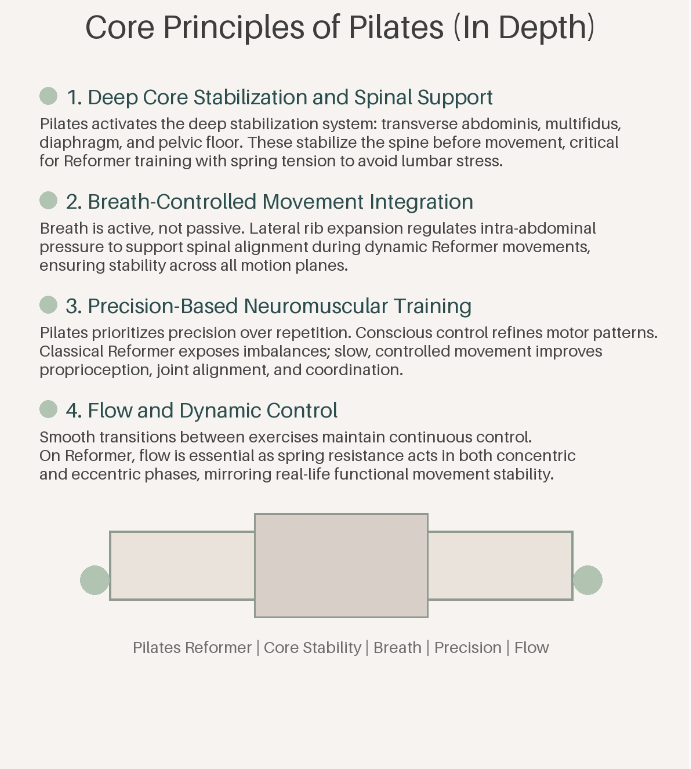
1. Deep Core Stabilization and Spinal Support
Pilates is built on activating the body’s deep stabilization system, including the transverse abdominis, multifidus, diaphragm, and pelvic floor muscles.
These muscles work together to stabilize the spine before any movement occurs. This is especially important when performing controlled resistance work on a pilates reformer machine, where unstable spring tension requires continuous core engagement.
Without this system, movement becomes compensatory, often overloading superficial muscles and placing unnecessary stress on the lumbar spine.
2. Breath-Controlled Movement Integration
Breathing in Pilates is not passive—it directly influences spinal stability and force control.
Lateral rib expansion helps regulate intra-abdominal pressure, which supports spinal alignment during dynamic movement. This becomes especially important in equipment-based training such as the pilates reformer, where resistance changes continuously throughout each motion.
Proper breathing ensures that movement is stable, efficient, and safe across all planes of motion.
3. Precision-Based Neuromuscular Training
Pilates prioritizes precision over repetition. Each movement is performed with conscious control to improve motor pattern accuracy.
This is particularly evident when using a classical pilates reformer machine, where spring resistance exposes even minor movement imbalances. The slow, controlled execution allows the nervous system to refine coordination and eliminate inefficient movement habits.
Over time, this improves proprioception, joint alignment awareness, and overall movement efficiency.
4. Flow and Dynamic Control
Flow refers to smooth transitions between exercises without unnecessary pauses or loss of control.
On a pilates reformer machine, flow becomes even more important because resistance is present throughout both concentric and eccentric phases of movement. This trains the body to maintain stability while transitioning between positions, which mirrors real-life functional movement.
Types of Pilates Training Systems
Mat Pilates
Mat Pilates is the foundation of all Pilates practice and relies entirely on bodyweight resistance.
Without external support, the body must generate its own stability, making it a highly effective method for developing core endurance and postural awareness.
However, progression is limited by resistance variability, which is why many practitioners eventually transition to equipment-based systems such as the pilates reformer for deeper training stimulus.
Reformer Pilates (Equipment-Based Training)
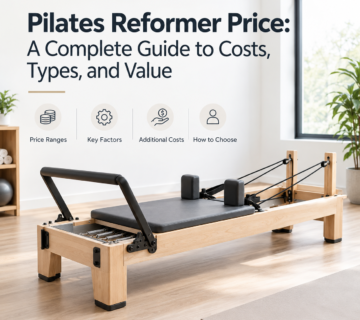
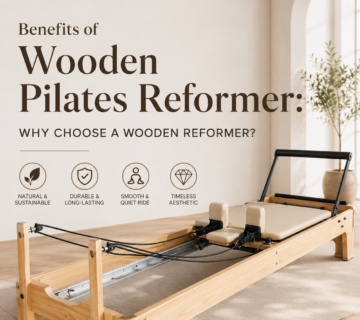
The pilates reformer is a spring-resistance training system that allows both assistance and resistance depending on configuration.
Unlike free weights, resistance on a reformer changes throughout the movement, requiring continuous neuromuscular adjustment. This makes it highly effective for improving:
- Core stability under dynamic load
- Joint alignment control
- Controlled eccentric strength
It is one of the most widely used tools in modern Pilates studios worldwide.
-
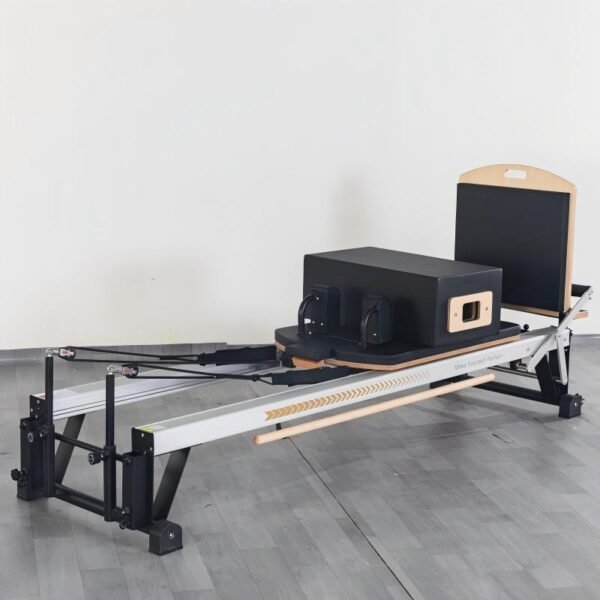
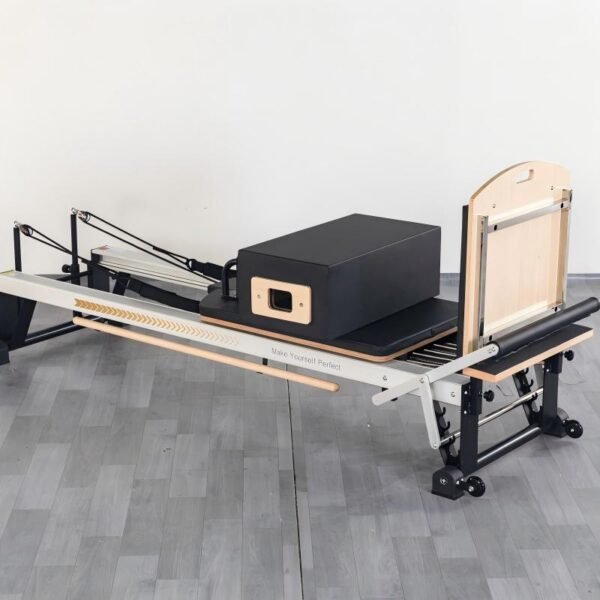
CoreFlow Y07-2 Pilates Reformer Machine for Studio & Gym
-
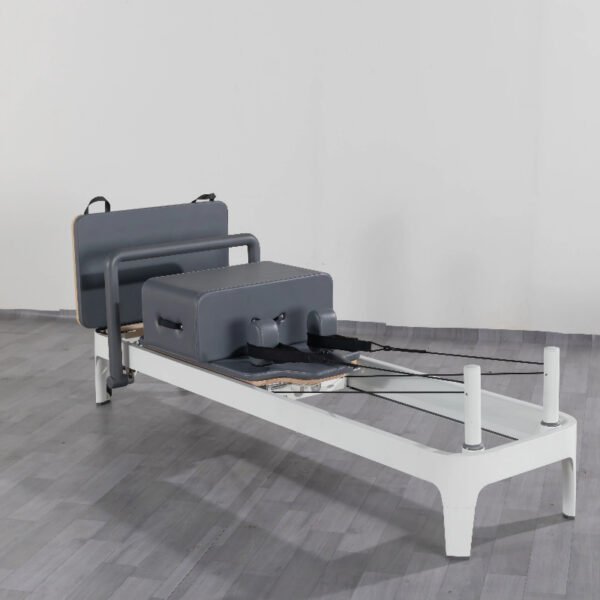
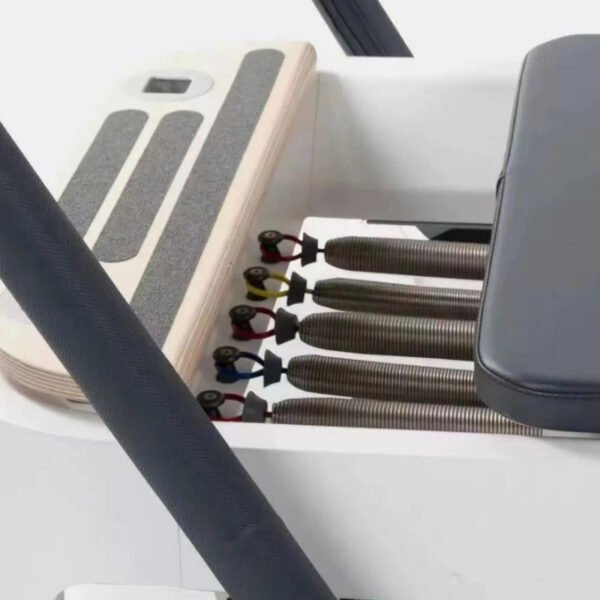
Y01-01 Aluminum Alloy Full Track Pilates Reformer
Classical Pilates Equipment System (Reformer-Based Lineage and Modern Variations)
The classical Pilates Reformer machine system is rooted in Joseph Pilates’ original training method, emphasizing precise sequencing, controlled spring resistance, and progressive movement patterns designed to build full-body control. In this traditional framework, the pilates reformer remains the central apparatus, using adjustable springs to provide both assistance and resistance, allowing practitioners to refine alignment, coordination, and core stability under dynamic load.
Within the broader Pilates equipment family, different apparatuses extend these principles for specific training goals:
The Cadillac Pilates (Trapeze Table) is a larger, more versatile system that combines a raised table with bars, springs, and straps. It is especially effective for rehabilitation, assisted stretching, and advanced strength work in multiple planes of movement. Its high level of adjustability makes it ideal for clinical Pilates settings, beginners needing support, and advanced users exploring complex progressions.
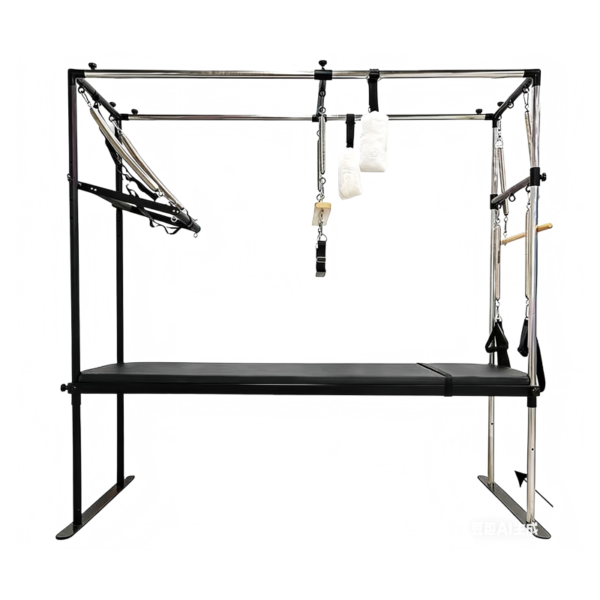
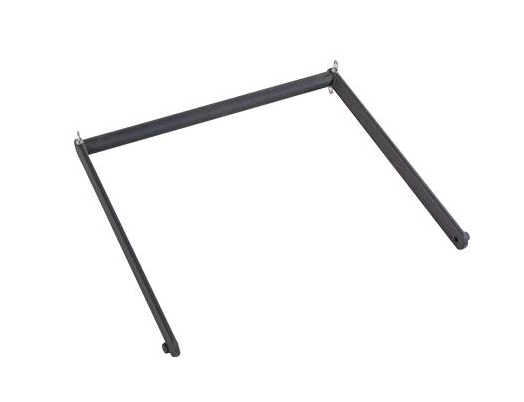
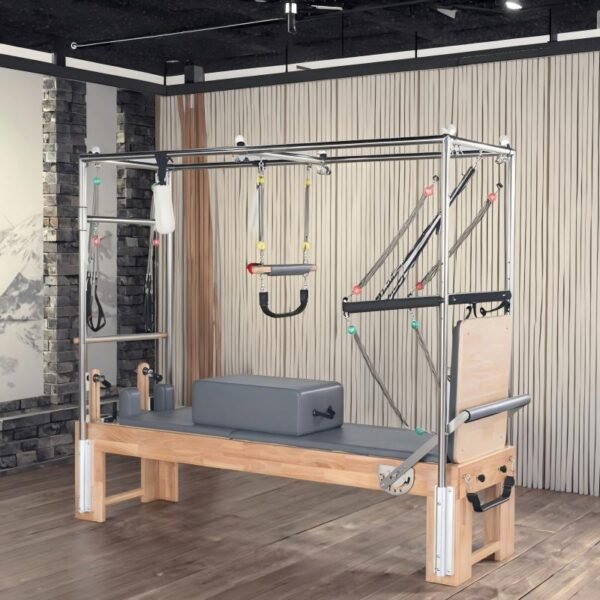
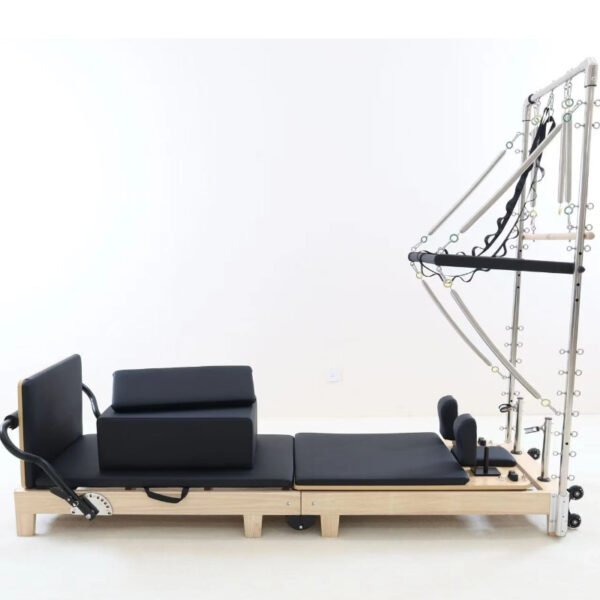
The Pilates Reformer with Tower integrates a vertical tower frame with the reformer carriage, bridging the gap between the reformer and Cadillac systems. It expands exercise variety by adding upper-body spring work, spinal articulation drills, and standing sequences. This hybrid setup is widely used in boutique studios and is suitable for both intermediate and advanced practitioners who want a more complete studio experience without multiple machines.
-
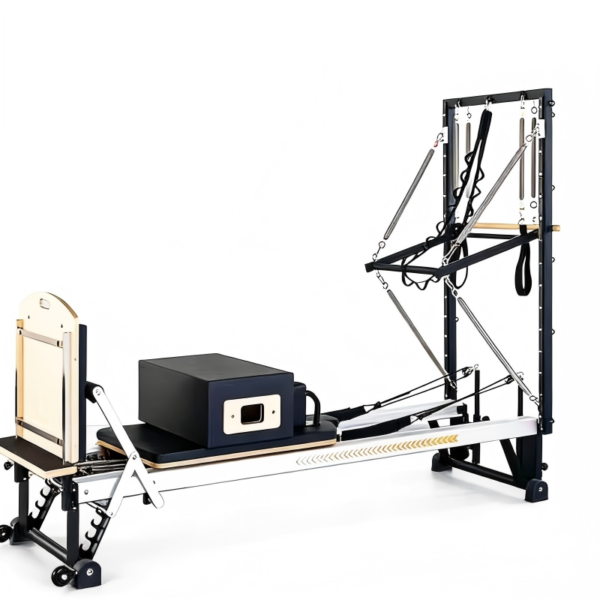
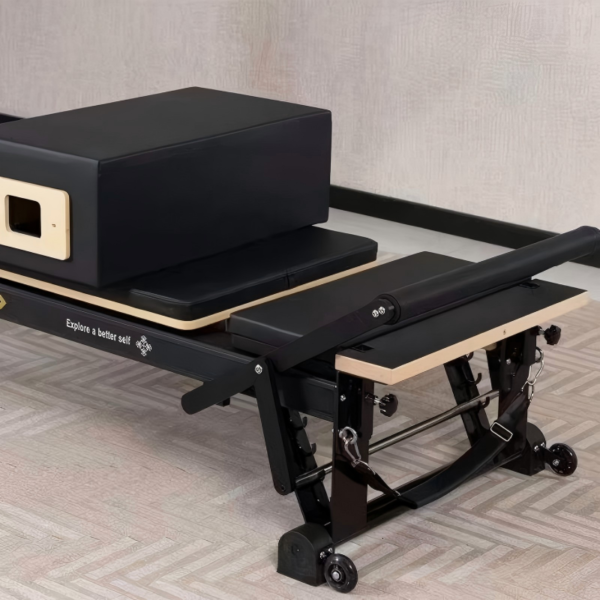
Y07-4 Pilates Reformer With Tower | Aluminum Alloy Reformer Machine
-
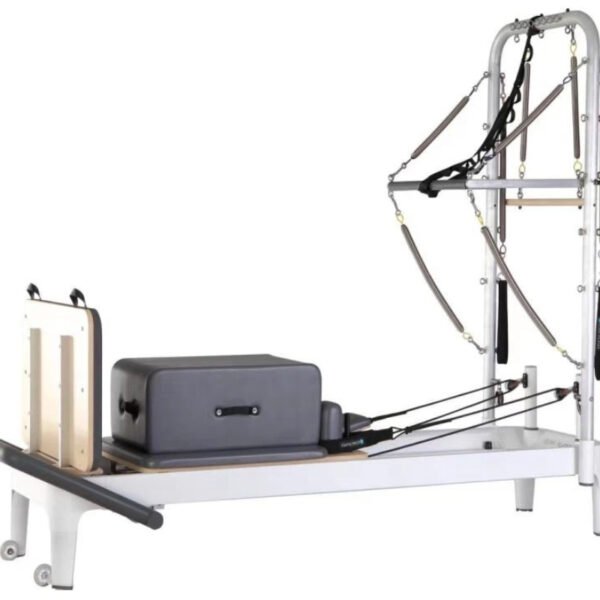
Y02-02 Pilates Reformer with Tower | Aluminum Fixed Orbit System
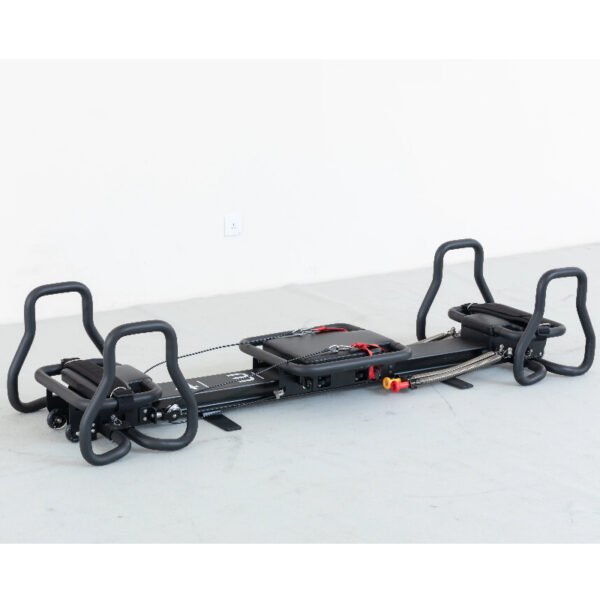
The Megaformer is a modern evolution designed for high-intensity, slow-controlled resistance training. Unlike classical systems, it emphasizes continuous tension and metabolic conditioning. It is commonly used in contemporary fitness studios and appeals to users focused on fat loss, muscular endurance, and athletic-style Pilates-inspired workouts rather than traditional technique refinement.
-
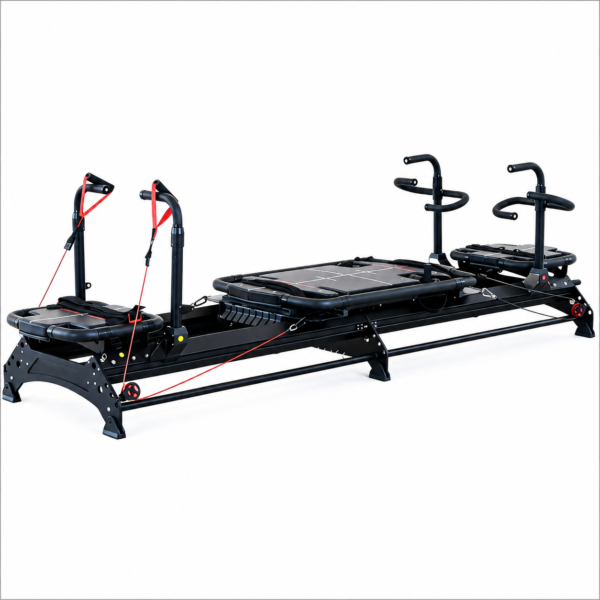
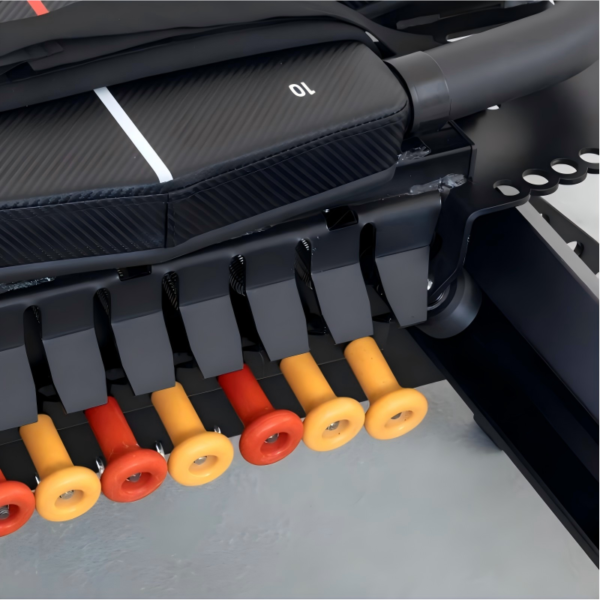
Megaformer M3K: The Unbeatable Powerhouse for Transformative High-Intensity Pilates
-
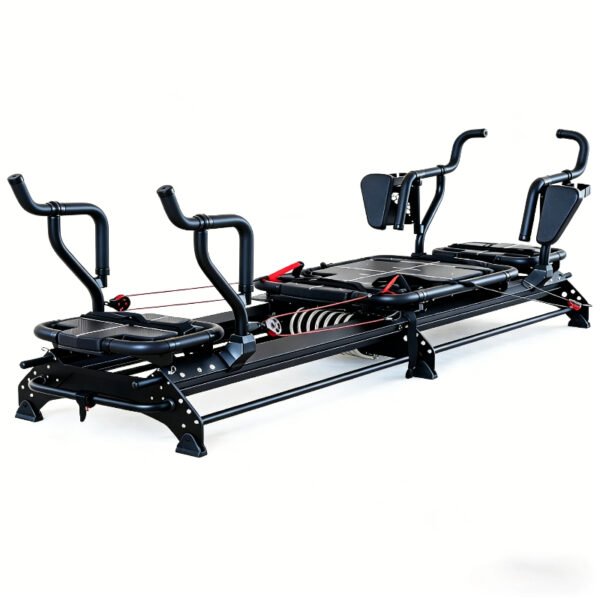
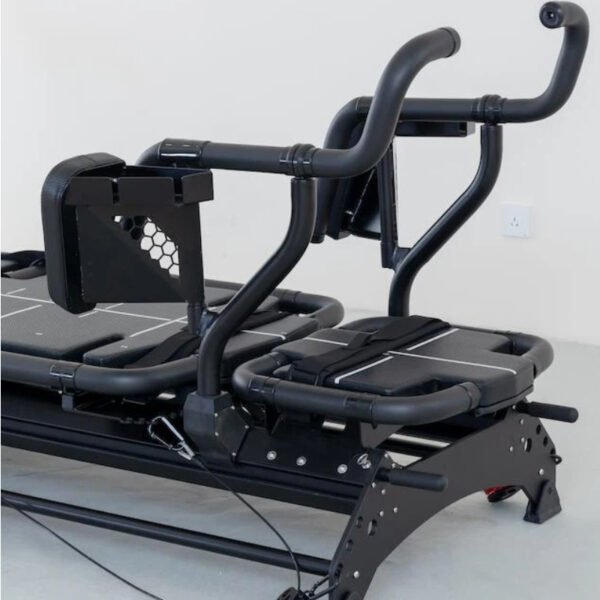
Lagree Megaformer M3K+ | Aluminum Pilates Reformer
The foldable Pilates Reformer is a space-efficient adaptation of the classic reformer, designed for home users or studios with limited space. While it maintains core spring-resistance mechanics, it prioritizes portability and storage convenience. It is best suited for beginners, home fitness enthusiasts, and users who want consistent Pilates practice without dedicating a full studio footprint.
-
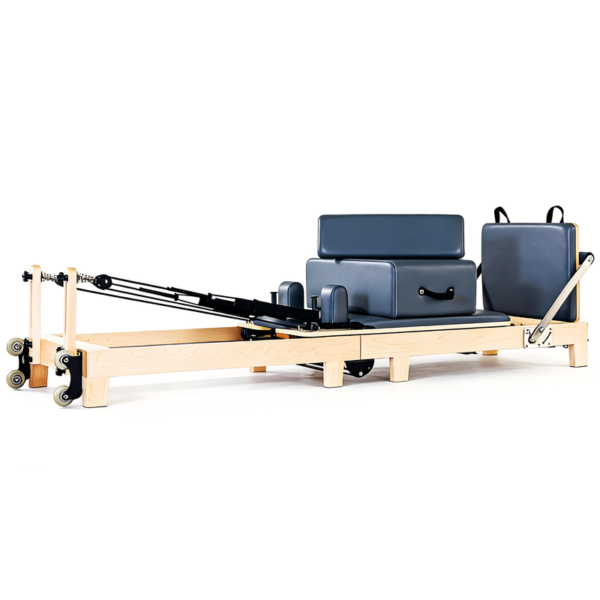
Wooden foldable Pilates reformer – CoreFlow Y09-14
-
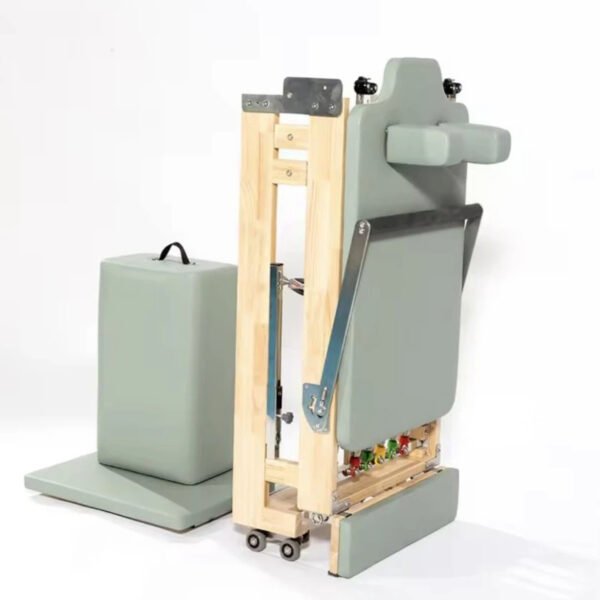

Foldable Pilates Reformer Machine – Compact & Space-Saving CoreFlow Y09-11
Together, these systems form a spectrum of Pilates equipment—from the traditional classical Pilates Reformer machine focused on precision and control, to hybrid systems like the pilates reformer with tower, rehabilitative platforms like Cadillac Pilates, performance-driven innovations like the Megaformer, and practical home solutions like the foldable Pilates Reformer. Each serves a distinct training purpose while sharing the same foundational principle: controlled resistance to improve strength, alignment, and functional movement efficiency.
Clinical and Corrective Pilates
In rehabilitation settings, Pilates is often combined with corrective movement strategies. Equipment such as the reformer and additional apparatus are used to restore functional movement patterns.
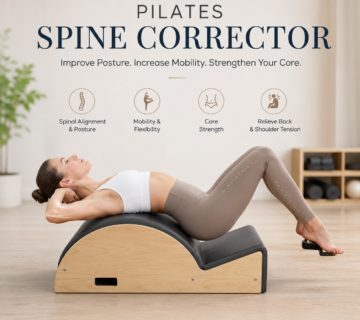
For example, spine corrector pilates exercises are frequently integrated into corrective programs to improve spinal mobility and restore natural curvature of the spine. These exercises help open the thoracic region, improve extension capacity, and counteract prolonged sitting posture.
Together with reformer-based training, these tools provide a comprehensive system for spinal health and postural correction.
Benefits of Pilates (Mechanism-Focused Explanation)
1. Postural Realignment Through Motor Reprogramming
Poor posture is not simply a structural issue—it is a learned motor pattern.
Pilates retrains the nervous system by reinforcing correct spinal alignment under controlled conditions. When practiced consistently on a pilates reformer machine, the body learns how to maintain alignment even under variable resistance.
This leads to long-term postural improvements that are neurologically sustained rather than visually forced.
2. Functional Core Strength for Load Transfer
Core strength in Pilates is defined by how efficiently force is transferred between upper and lower limbs.
Training on a pilates reformer enhances this ability because the moving carriage forces the core to stabilize dynamically. This improves performance in walking, running, lifting, and rotational sports movements.
3. Pain Reduction Through Movement Re-education
Chronic pain often results from repetitive inefficient movement patterns rather than isolated tissue damage.
Pilates addresses this by restoring proper joint mechanics and reducing compensatory movement. Exercises such as spine corrector pilates exercises are especially effective in reducing spinal compression and improving extension capacity.
4. Mobility With Active Stability
Unlike passive stretching, Pilates develops mobility while maintaining muscular control.
On equipment like the classical pilates reformer machine, muscles lengthen under controlled tension, ensuring that flexibility is paired with stability rather than instability.
5. Athletic Performance Enhancement
Athletes benefit from Pilates because it improves:
- Deceleration control
- Rotational stability
- Movement efficiency
Training on a pilates reformer machine enhances eccentric control, which is critical for injury prevention during high-speed movement transitions.
Who Should Practice Pilates?
Pilates is suitable for a wide range of individuals, especially those seeking improved movement quality rather than just muscle size.
It is particularly beneficial for:
- Office workers with postural fatigue
- Beginners building foundational strength
- Athletes improving neuromuscular efficiency
- Rehabilitation patients
- Individuals recovering from spinal imbalances
Final Thoughts
Pilates is not simply exercise—it is a structured system for improving how the body moves, stabilizes, and produces force.
Whether practiced through mat work, a pilates reformer, or a classical pilates reformer machine, the core objective remains the same: build a body that moves efficiently, safely, and with control.
Supporting tools such as spine corrector pilates exercises further enhance spinal health and postural correction, making Pilates one of the most complete movement systems available today.
FAQ
What is the difference between Pilates and Reformer Pilates?
Pilates is the overall training method, while Reformer Pilates is a specific equipment-based practice performed on a pilates reformer machine. The reformer uses spring resistance to either assist or challenge movement, making exercises more dynamic compared to mat Pilates. It also allows greater precision in alignment, strength control, and range of motion.
Is the Pilates reformer suitable for beginners?
Yes. The pilates reformer is highly adaptable for beginners because the spring resistance can be adjusted to provide support during early learning stages. This helps new users maintain correct alignment and reduce strain while developing core strength and body awareness before progressing to more advanced exercises.
What are the benefits of using a classical Pilates reformer machine?
A classical pilates reformer machine follows traditional Joseph Pilates principles, focusing on structured movement patterns and precise spring settings. It helps improve posture, core stability, and full-body coordination while maintaining consistency in training methodology. Many studios prefer the classical system for its emphasis on controlled progression and alignment integrity.
What is a spine corrector in Pilates and what exercises are done with it?
A spine corrector is a specialized Pilates apparatus designed to support spinal mobility and posture improvement. Spine corrector Pilates exercises focus on spinal extension, thoracic opening, and core engagement. These movements help counteract poor posture caused by prolonged sitting and improve overall spinal flexibility and alignment.
How often should I practice Pilates for visible results?
For most people, practicing Pilates 2–4 times per week is enough to see noticeable improvements in posture, core strength, and flexibility. Consistency is more important than intensity. When combined with equipment such as a pilates reformer machine, progress may be faster due to increased resistance control and movement precision.
: Principles, Benefits, and Training System Explained)
No comment