






Over the past few years, Pilates has continued to grow in popularity across the United States, especially among people looking for low-impact ways to improve posture, flexibility, and core strength. One variation attracting increasing attention is wall Pilates.
Unlike traditional mat workouts, wall Pilates uses a wall or wall-mounted Pilates equipment to create resistance and support during movement. The result is a workout that feels more controlled, beginner-friendly, and space-efficient for home users and studios alike.
For people who spend long hours sitting at desks, experience tight hips or back discomfort, or want an accessible fitness routine without high-impact exercise, wall Pilates offers a practical solution. It combines the core principles of Pilates—precision, breathing, alignment, and control—with the stability of a wall-based setup.
In this guide, we’ll explain what wall Pilates is, how it works, its benefits, beginner exercises, and whether it can support goals like weight loss, posture improvement, and flexibility.
What Is Wall Pilates?
Wall Pilates is a form of Pilates training that uses a wall or specialized wall-mounted Pilates equipment to support and guide movement patterns. Instead of relying entirely on body weight and floor balance, the wall creates stability and controlled resistance throughout each exercise.
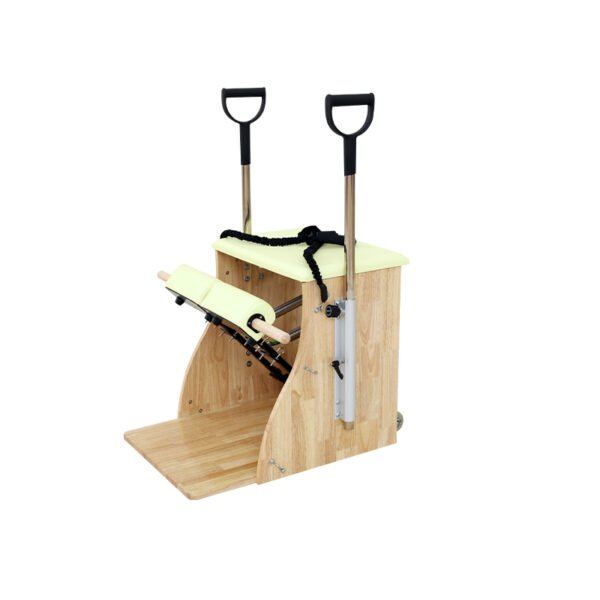
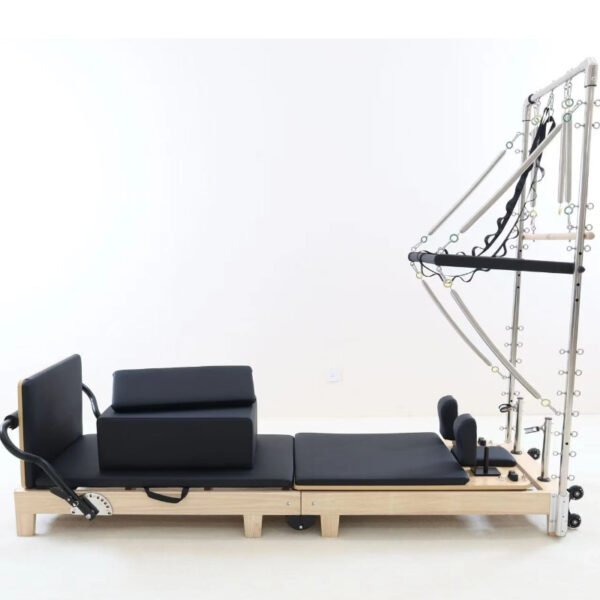
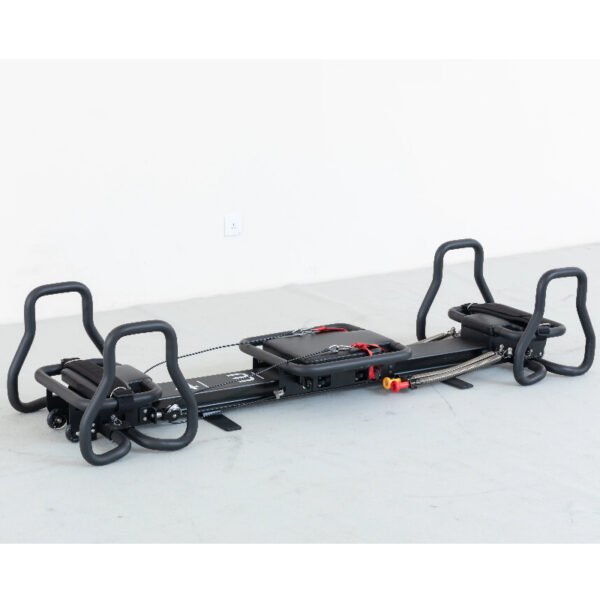
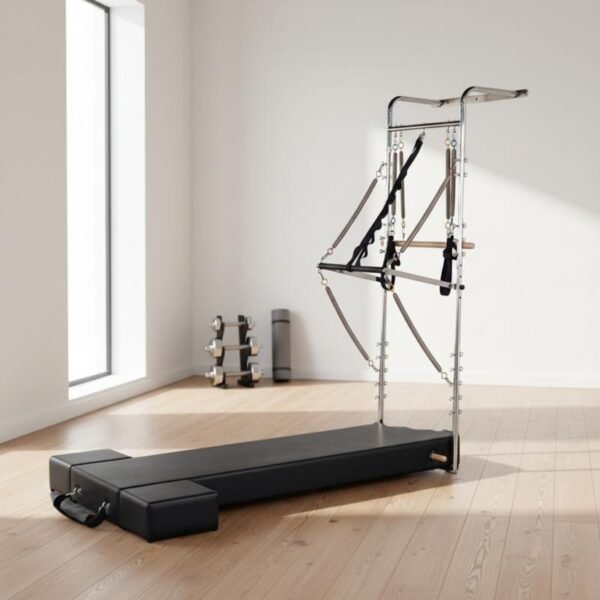
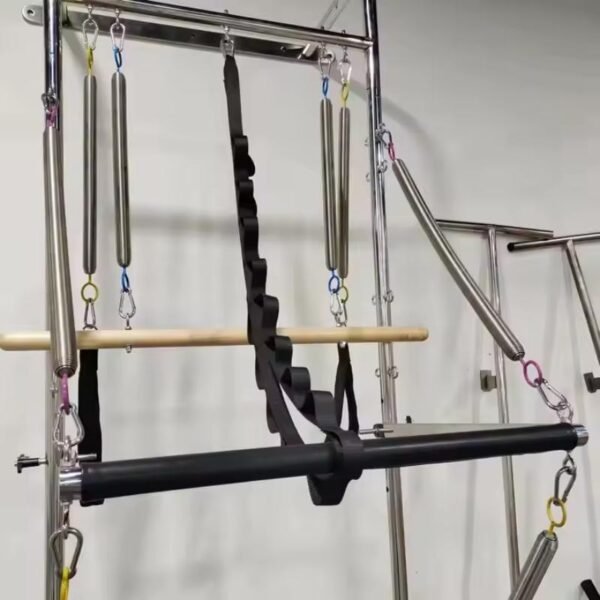
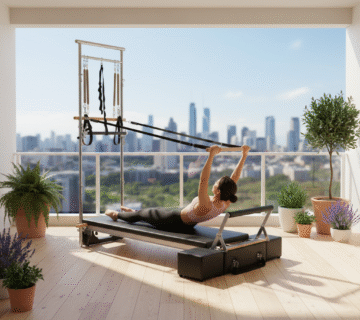
Some wall Pilates workouts only use a flat wall and a mat, while professional systems include wall towers, springboards, resistance springs, straps, and bars mounted securely to a frame. These systems allow users to perform reformer-style exercises without requiring the floor space of a traditional Pilates reformer.
The main goal of wall Pilates is to strengthen the deep core muscles while improving posture, flexibility, mobility, and muscular control.
Because movements are slow and controlled, wall Pilates is considered low impact and suitable for many fitness levels.
How Does Wall Pilates Work?
Wall Pilates works by combining controlled resistance with guided body alignment.
In a standard mat Pilates class, users stabilize themselves against gravity on the floor. With wall Pilates, the wall or spring system helps support the body, making it easier to maintain proper form while targeting specific muscle groups.
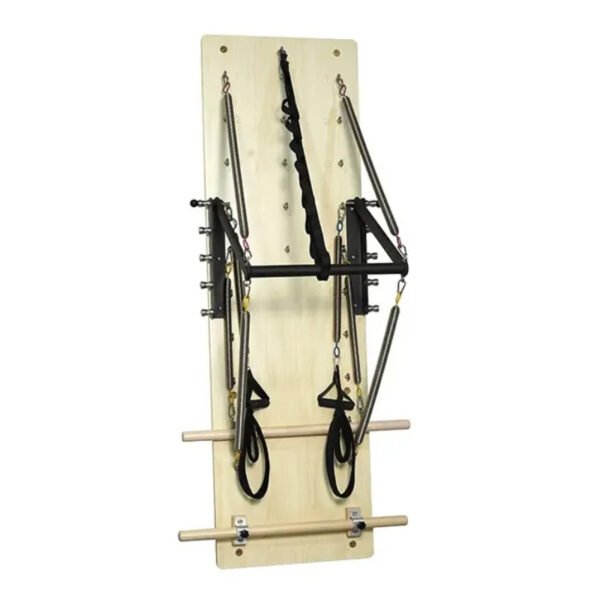
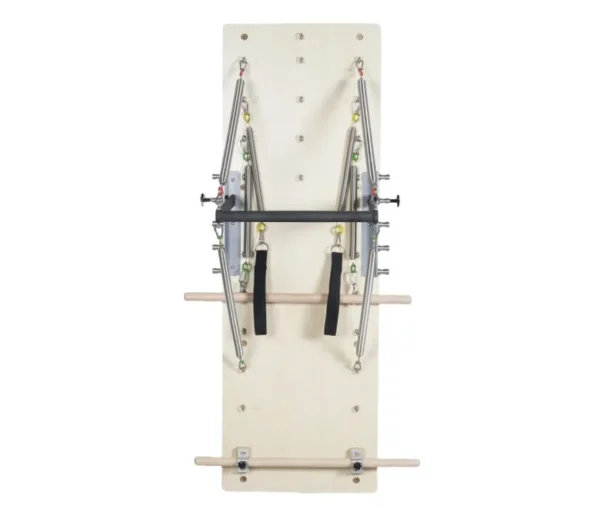
Professional wall Pilates equipment typically includes:
| Equipment Component | Function |
|---|---|
| Resistance Springs | Provide adjustable tension for strength training |
| Straps and Handles | Support arm and leg exercises |
| Wall Frame or Tower | Stabilizes movement and posture |
| Padded Surface | Improves comfort during exercises |
| Roll-Down Bar | Helps with spinal mobility and core control |
The adjustable resistance allows users to increase or decrease workout intensity depending on fitness level, making wall Pilates accessible for beginners while still challenging for advanced practitioners.
What Makes Wall Pilates Different From Traditional Pilates?
Although both methods follow the same Pilates principles, there are several key differences between wall Pilates and traditional Pilates.
| Wall Pilates | Traditional Mat Pilates |
|---|---|
| Uses wall support or mounted equipment | Primarily bodyweight exercises |
| More guided alignment for beginners | Requires more balance control |
| Adjustable spring resistance available | Limited resistance without props |
| Space-saving setup | Requires floor space or reformer |
| Lower joint impact for many exercises | Some movements may feel harder for beginners |
Traditional reformer Pilates machines are highly effective but often expensive and large. Wall Pilates systems provide a similar training style in a more compact setup, which is why they are increasingly used in home gyms, wellness studios, and rehabilitation-focused environments.
For users new to Pilates, the additional support can help improve confidence and reduce compensation patterns caused by poor posture or weak core muscles.
What Are the Benefits of Wall Pilates?
Wall Pilates offers a wide range of physical and functional benefits when practiced consistently.
1. Improves Core Strength
Pilates is widely known for targeting the deep abdominal muscles, including the transverse abdominis and pelvic stabilizers. Wall resistance helps users engage these muscles more effectively during controlled movement patterns.
A stronger core can contribute to better balance, posture, and spinal support during daily activities.
2. Supports Better Posture
Long hours of sitting can contribute to rounded shoulders, forward head posture, and lower back discomfort.
Wall Pilates encourages spinal alignment and controlled shoulder positioning. Many exercises focus on opening the chest, strengthening the upper back, and improving body awareness.
According to the American Council on Exercise, core-focused exercise programs may help improve postural stability and functional movement quality.
3. Enhances Flexibility and Mobility
Wall-supported stretches allow users to safely improve flexibility without forcing uncomfortable positions.
Exercises targeting the hips, hamstrings, chest, and spine can help reduce muscular tightness commonly associated with sedentary lifestyles.
4. Low-Impact on Joints
Unlike high-impact workouts such as running or plyometrics, wall Pilates places less stress on the knees, hips, and ankles.
This makes it appealing for:
- Beginners
- Older adults
- People returning from minor injuries
- Users seeking sustainable long-term exercise
5. May Support Weight Management
Wall Pilates is not primarily a cardio workout, but regular sessions can contribute to calorie expenditure and lean muscle development.
Research published by the National Institutes of Health suggests that resistance-based exercise can support metabolic health and body composition when combined with consistent physical activity and balanced nutrition.
Who Is Wall Pilates Best For?
Wall Pilates is suitable for a broad range of users, including:
- Beginners starting fitness routines
- Office workers with posture-related discomfort
- Home fitness users with limited space
- Pilates studios seeking compact equipment
- Athletes improving flexibility and stability
- Adults looking for low-impact training
However, individuals with existing injuries or medical conditions should consult a healthcare professional before beginning a new exercise program.
Beginner-Friendly Wall Pilates Exercises
If you are new to wall Pilates, start with simple foundational movements before progressing to advanced routines.
Wall Roll Down
This exercise helps improve spinal mobility and posture awareness.
How to perform it:
- Stand with your back against the wall
- Slowly roll the spine downward one vertebra at a time
- Engage the core throughout the movement
- Return slowly to standing
Benefits:
- Improves posture
- Mobilizes the spine
- Activates deep core muscles
Wall Bridge
The wall bridge targets the glutes, hamstrings, and lower core.
How to perform it:
- Lie on your back with feet pressed against the wall
- Lift the hips slowly upward
- Pause briefly at the top
- Lower with control
Benefits:
- Strengthens posterior chain muscles
- Supports pelvic stability
- Reduces lower-back compensation
Wall Leg Slides
This beginner exercise improves hip mobility and abdominal control.
Benefits:
- Improves lower-body coordination
- Builds core endurance
- Encourages controlled movement patterns
Chest Opener With Resistance Straps
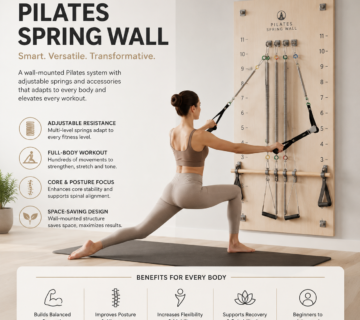
Using wall-mounted straps or spring systems can help stretch tight chest muscles caused by prolonged sitting.
Benefits:
- Improves upper-body posture
- Enhances shoulder mobility
- Reduces tension in the neck and shoulders
Can Wall Pilates Help With Weight Loss?
Wall Pilates can support weight-management goals when combined with regular physical activity and healthy nutrition habits.
Because it emphasizes muscular endurance and controlled resistance, wall Pilates may help users build lean muscle mass over time. Increased muscle mass can contribute to improved resting metabolic function.
However, results vary based on factors such as:
- Workout frequency
- Nutrition habits
- Sleep quality
- Daily activity levels
- Overall consistency
Rather than promising rapid weight loss, wall Pilates is better viewed as a sustainable long-term fitness approach.
How Often Should You Do Wall Pilates?
For most beginners, 3–4 sessions per week is a practical starting point.
A typical beginner session may last:
- 20–30 minutes for home users
- 45–60 minutes in studio environments
Many users report improvements in:
- Core awareness
- Flexibility
- Posture
- Mobility
within several weeks of consistent practice.
As with any exercise program, gradual progression tends to produce more sustainable results than excessive training volume.
Choosing the Right Wall Pilates Equipment
The quality of equipment plays a major role in safety, comfort, and long-term durability.
When evaluating wall Pilates systems, look for features such as:
- Durable stainless steel or hardwood frames
- Adjustable spring resistance
- Comfortable high-density padding
- Smooth pulley systems
- Commercial-grade hardware
- Space-efficient design
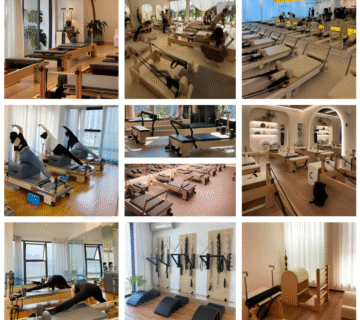
For studios, commercial-grade wall Pilates equipment can maximize functionality while saving floor space compared to large reformers.
For home users, compact wall-mounted systems provide a practical way to create a Pilates environment without dedicating an entire room to fitness equipment.
The Pilates Method Alliance also emphasizes the importance of proper instruction and quality equipment for safe Pilates practice.
Conclusion
Wall Pilates combines the principles of traditional Pilates with the support and resistance of wall-based training systems. Its low-impact nature, space-saving design, and beginner-friendly structure make it an appealing option for both home users and professional studios.
Whether the goal is improving posture, increasing flexibility, strengthening the core, or building a more consistent fitness routine, wall Pilates offers a controlled and accessible training method that fits modern lifestyles.
With the right equipment and consistent practice, wall Pilates can become a sustainable long-term approach to movement, mobility, and overall physical wellness.
FAQs
Is wall Pilates good for beginners?
Yes. Wall Pilates is generally considered beginner-friendly because the wall or spring system provides additional stability and movement guidance. Many beginners find it easier to maintain proper form compared to traditional floor exercises.
Do you need special equipment for wall Pilates?
Basic wall Pilates can be performed using only a wall and exercise mat. However, professional wall Pilates systems with springs, straps, and mounted frames provide greater exercise variety and adjustable resistance.
Can wall Pilates replace a reformer?
Wall Pilates can provide a similar resistance-training experience for many exercises, especially when using spring-based wall equipment. However, reformers and wall systems have different movement capabilities and training styles.
How long does it take to see results from wall Pilates?
Many users notice improvements in posture, flexibility, and core awareness within 4–6 weeks of consistent practice. Results depend on workout frequency, intensity, and individual fitness levels.
Is wall Pilates safe for older adults?
Because it is low impact and highly adjustable, wall Pilates may be suitable for many older adults. However, anyone with medical concerns or mobility limitations should seek professional guidance before starting a new fitness program.

No comment