
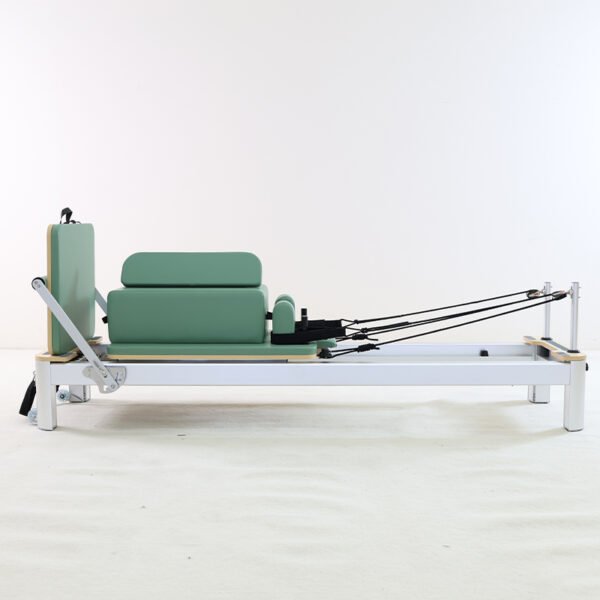
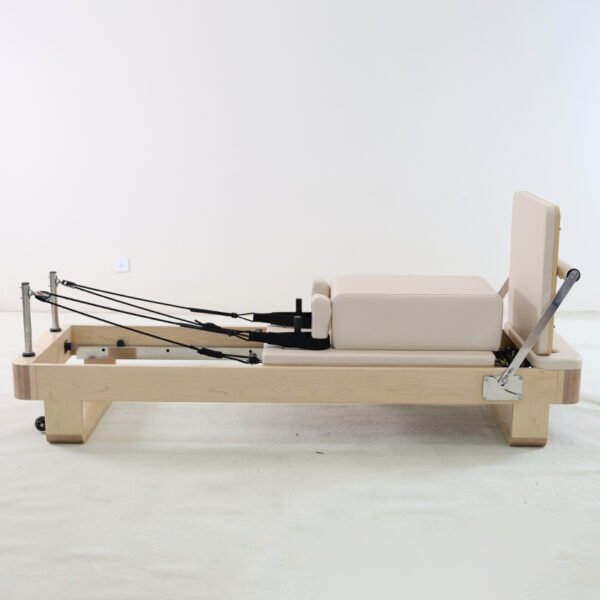






In recent years, home fitness has shifted from a “convenience option” to a long-term lifestyle choice for many people in the United States. Among Pilates enthusiasts, the Pilates Tower for Home has become one of the most practical ways to recreate studio-level training without leaving home.
Unlike bulky gym machines, a tower system offers a compact structure, adjustable resistance, and a wide range of controlled movements designed to support strength, posture, and flexibility training. It also pairs naturally with a Pilates reformer with tower, creating a more complete full-body workout system for users who want studio-style versatility at home.
This guide explains how a Pilates tower works, who it is suitable for, how to choose the right model, and what real users typically consider before making a purchase.
What Is a Pilates Tower for Home Use?
A Pilates Tower for Home is a vertical training apparatus inspired by traditional Pilates studio equipment. It typically includes:
- A vertical frame (wall-mounted or freestanding)
- Adjustable resistance springs
- Push-through bar
- Roll-down bar
- Handles and straps
Compared with a full Cadillac or large studio frame, the home version is more compact and designed for residential environments such as apartments, home gyms, or multi-use rooms.
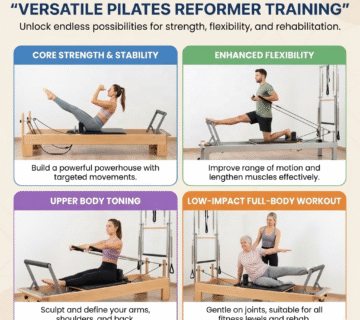
Its main purpose is to support controlled, low-impact movement patterns that focus on core strength, spinal alignment, and joint mobility.
According to the Pilates Method Alliance (PMA), Pilates-based training emphasizes “controlled movement with resistance,” which is why tower systems are widely used in both fitness and rehabilitation settings.
-
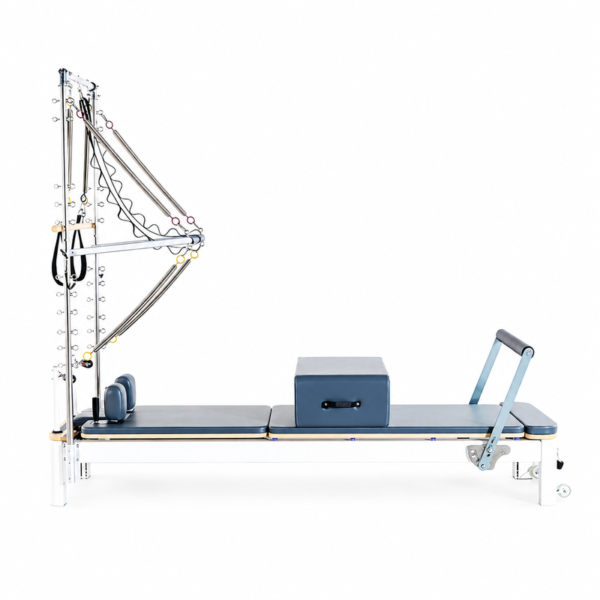
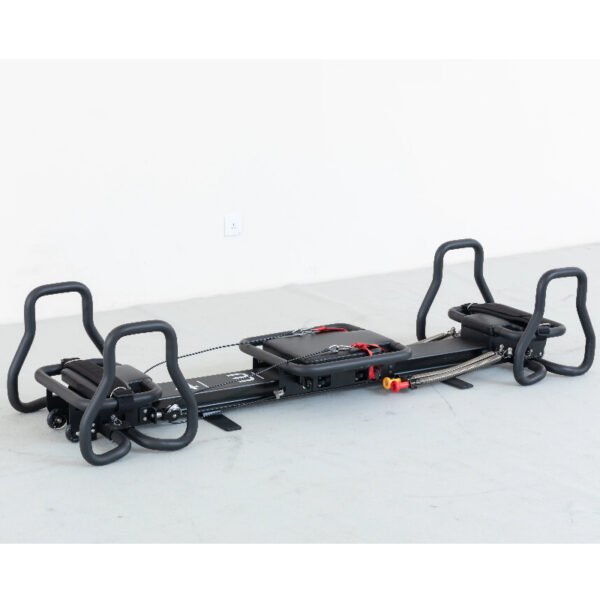
Y04-2Pilates Reformer With Tower Aluminum Machine for Studio & Home
-
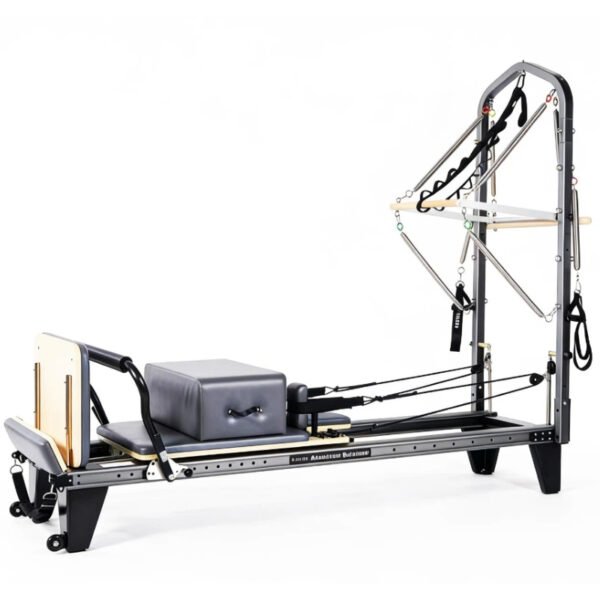
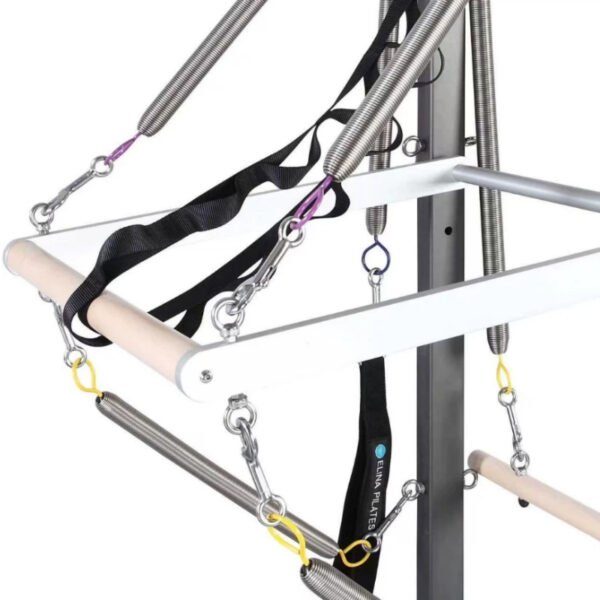
Y06-02 Aluminum Reformer with Half Tower
How Does a Pilates Tower Work?
The working principle of a Pilates tower is relatively simple but highly effective:
It uses spring-based resistance instead of weights.
When you push, pull, or stretch against the springs, your muscles must stabilize and control the movement throughout the entire range of motion.
This creates:
- Constant tension training (not just lifting and lowering)
- Improved neuromuscular control
- Low-impact joint loading
Over time, users often notice improved posture awareness and deeper core engagement, especially in movements that involve spinal articulation or shoulder stability.
Why Is the Pilates Tower for Home Becoming So Popular?
The growing demand for the Pilates Tower for Home is closely related to three lifestyle shifts in the U.S.:
- More people working from home
- Increased interest in low-impact training
- Preference for long-term home fitness investments
A report from the American Council on Exercise (ACE) has noted that Pilates continues to remain one of the most sustainable low-impact training methods for improving core stability and functional movement patterns.
Key advantages include:
- Space-efficient design
- Full-body training capability
- Suitable for all fitness levels
- Long-term durability compared to small home equipment
Benefits of Using a Pilates Tower at Home
1. Strength and Flexibility Development
A tower system allows gradual resistance progression. Instead of forcing heavy loads, it focuses on controlled tension, which helps activate deep stabilizing muscles.
Common areas improved:
- Core muscles (abdominals and lower back)
- Hip mobility
- Shoulder stability
2. Posture and Daily Comfort
Many users report that consistent training helps reduce stiffness caused by prolonged sitting, especially for remote workers.
A typical example scenario:
A user working 8–10 hours daily at a desk uses a Pilates tower 3 times per week for 20–30 minutes. After several weeks, they often report better spinal awareness and reduced shoulder tension.
3. Suitable for Limited Spaces
Most modern towers are designed for compact living environments.
Wall-mounted systems are especially useful for apartments where floor space is limited.
Pilates Tower for Home vs Pilates Reformer with Tower
Many buyers confuse these two systems, so here is a clear comparison:
| Feature | Pilates Tower for Home | Pilates Reformer with Tower |
|---|---|---|
| Movement Type | Vertical resistance | Horizontal + vertical combo |
| Space Requirement | Low to medium | Medium to high |
| Exercise Variety | Moderate | High |
| Best For | Beginners, posture training | Full studio-style training |
| Cost Range | Generally lower | Generally higher |
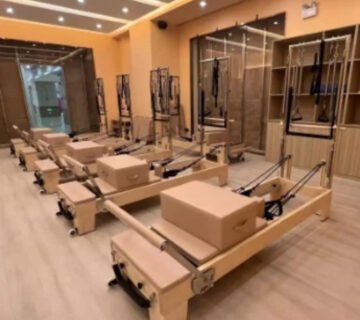
In practice, many advanced users eventually choose a Pilates reformer with tower because it offers a more complete movement library, especially for athletic conditioning and progressive training.
How to Choose the Best Pilates Tower for Home
Choosing the right system depends on more than just price. A high-quality tower should match your space, experience level, and long-term fitness goals.
Key Factors to Consider
1. Stability of Frame Structure
A stable frame ensures safe movement during pulling and stretching exercises. Steel or reinforced wood frames are commonly used in higher-quality systems.
2. Spring Resistance Quality
Springs should provide consistent tension over time. Weak or uneven resistance can affect training effectiveness.
3. Adjustability
Look for systems that offer:
- Multiple spring levels
- Adjustable bar positions
- Modular attachments
4. Installation Type
| Type | Pros | Cons |
|---|---|---|
| Wall-mounted | Space-saving | Requires installation |
| Freestanding | Flexible placement | Takes more space |
What Real Users Typically Look For
Based on customer feedback from home fitness communities and Pilates practitioners, three priorities consistently appear:
- “Does it fit in my home space?”
- “Can I use it as a beginner safely?”
- “Will it still be useful as I improve?”
This is why many users prefer brands with long-term product ecosystems, such as Core Flow, which continuously improves design stability, spring systems, and compatibility with other Pilates equipment.
What Equipment Works Well With a Pilates Tower?
A Pilates tower becomes even more effective when combined with other Pilates tools.
1. Pilates Reformer
Combining vertical and horizontal resistance creates a more complete training experience.
2. Pilates Chair
Helps improve balance, coordination, and lower-body strength.
3. Small Accessories
- Resistance bands
- Pilates rings
- Foam rollers
These accessories enhance variation without requiring additional space.
Common Home Setup Example
A typical beginner-friendly home Pilates setup might look like this:
- 1 wall-mounted Pilates tower
- 1 yoga mat for floor exercises
- 1 resistance band set
- Optional reformer upgrade later
This setup allows progressive training without overwhelming space or budget.
Conclusion
A Pilates Tower for Home is more than just a compact fitness device—it represents a long-term approach to movement, posture improvement, and sustainable training habits.
Whether you are a beginner looking for low-impact exercise or an experienced practitioner exploring studio-style training at home, a tower system offers flexibility without requiring large space or complex setup.
For users who want a more advanced system, combining or upgrading to a Pilates reformer with tower can further expand training possibilities and support long-term progression.
Ultimately, the best choice depends on your space, consistency, and long-term fitness expectations—not just the equipment itself.
FAQs
1. Is a Pilates Tower for Home good for beginners?
Yes, most systems are beginner-friendly with adjustable resistance levels and guided movement patterns.
2. How much space do I need?
A wall-mounted unit may require only the space of a yoga mat, while freestanding systems need around 2–3 square meters.
3. Can I build muscle with a Pilates tower?
It can support lean muscle development, especially in core and stabilizing muscles, but it focuses more on control and endurance than heavy hypertrophy.
4. What is better: Pilates tower or reformer?
They serve different purposes. Towers focus on vertical control and posture, while reformers provide broader full-body movement options.

No comment