
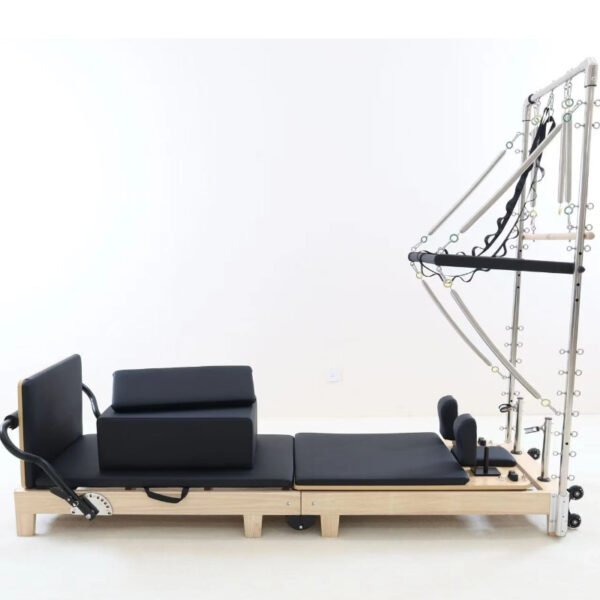
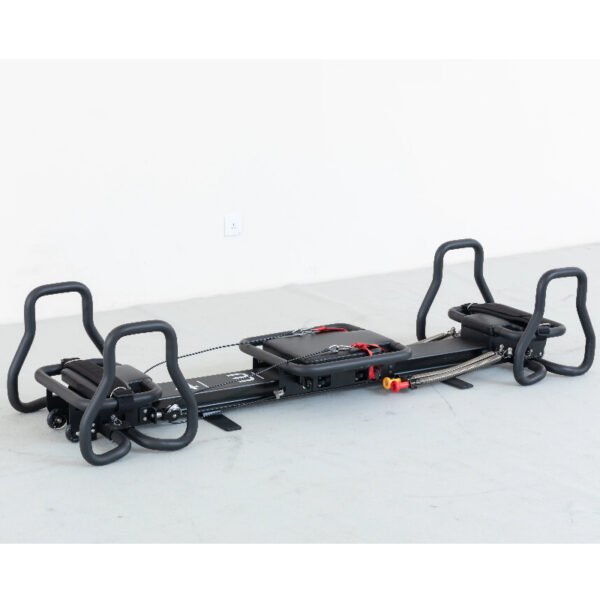






A Pilates reformer is more than a piece of fitness equipment. For many people, it becomes part of their daily workout space, while for Pilates studios, it can be one of the most frequently used pieces of equipment in the room. That makes the choice of reformer Pilates frame an important consideration.
Wooden Pilates reformers have remained popular even as aluminum and other modern frame materials have become more common. A well-built wooden Pilates reformer can offer a grounded feel, a warm appearance, and the durability needed for regular Pilates training. At the same time, aluminum reformers may be attractive to users who prioritize lighter weight, portability, or a contemporary appearance.
So, is a wood reformer right for you?
The answer depends on how and where you plan to use it. This guide explains the benefits of a pilates wood reformer, the differences between common wood types, what to look for when buying one, and how to keep a wooden reformer in good condition.
What Is a Wooden Pilates Reformer?
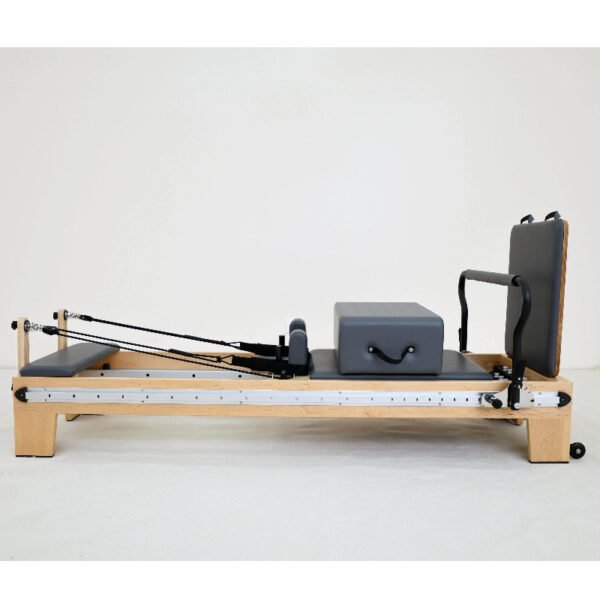
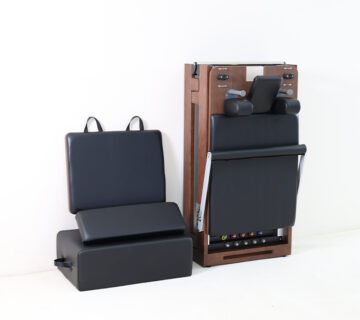
A wooden Pilates reformer is a reformer machine built around a solid wood frame rather than an aluminum or other metal frame. Like other reformers, it generally includes a moving carriage, springs, footbar, shoulder rests, ropes or straps, pulleys, and a padded carriage surface.
The main difference is the reformer Pilates frame.
Wooden frames are commonly manufactured from hardwoods such as maple, oak, or walnut. The wood needs to be properly selected, dried, finished, and engineered so that the frame can maintain its shape and structural integrity during repeated use.
During a workout, the carriage moves along the frame while the springs provide adjustable resistance. Exercises can range from basic footwork and leg presses to more demanding movements that require greater control and coordination.
Research on Reformer Pilates suggests that the training method can contribute to improvements in areas such as muscular strength, endurance, mobility, and functional performance, although results vary depending on the population and training program. For example, a randomized controlled trial published in Scientific Reports in 2025 found improvements in body composition, upper-extremity strength, muscle endurance, and some psychosomatic measures after an eight-week Reformer Pilates program.
The frame material does not create these exercise benefits by itself. Instead, it influences the machine’s stability, feel, durability, appearance, and practicality.
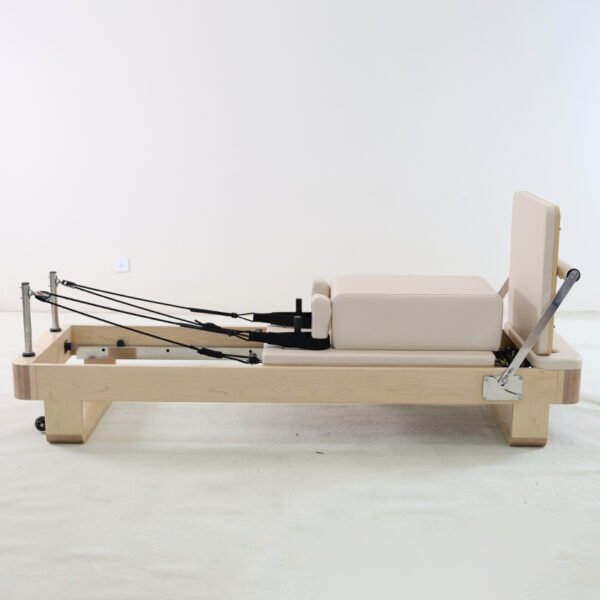
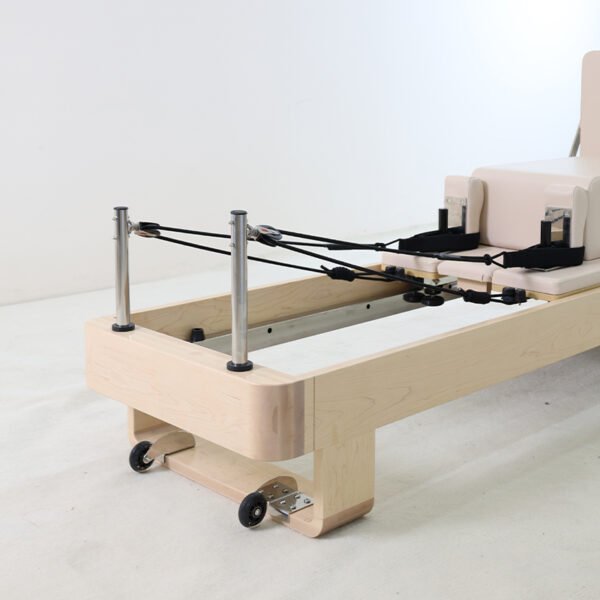
What Are the Benefits of a Wooden Pilates Reformer?
How Does a Wooden Frame Improve Stability and Durability?
One of the main reasons people choose a wood Pilates reformer is its substantial, grounded construction.
Hardwood frames are typically heavier than comparable aluminum frames. That additional mass can help the reformer remain stable on the floor when users perform movements that involve pushing, pulling, or shifting body weight.
This can be particularly useful in a studio where the reformer is used repeatedly throughout the day. A stable base may also help users feel more confident during exercises where controlled movement is important.
Durability, however, depends on more than material alone. Wood species, frame construction, joints, hardware, surface finishing, and manufacturing quality all influence how well a reformer performs over time.
Why Is Wood a Popular Choice for Pilates Studios and Homes?
Wood brings a different visual character to a Pilates environment.
A natural wood frame can make a home workout area feel more like part of the living space rather than a traditional gym. In boutique studios, it can also complement interiors that use wood, neutral colors, natural fabrics, and other wellness-oriented design elements.
For example, imagine a small home Pilates room with hardwood flooring and natural furniture. A walnut or maple reformer may blend into that environment more naturally than a large industrial-looking metal machine.
In a commercial studio, appearance can also be part of the customer experience. Many studios aim to create an environment that feels calm and premium, and the visual warmth of wood can support that design direction.
Does a Wooden Reformer Offer a More Comfortable Workout Experience?
The comfort of a reformer depends primarily on the carriage padding, upholstery, dimensions, springs, footbar, shoulder rests, and overall design. The frame material is only one part of the equation.
That said, some users prefer the solid, grounded feeling of a heavier wooden reformer. Wood can also contribute to a quieter-feeling environment when combined with well-designed rails, wheels, pulleys, and other moving components.
This matters in shared spaces. If several people are exercising at the same time, excessive mechanical noise can become distracting.
The best experience therefore comes from the complete machine rather than simply choosing wood over metal.
What Types of Wood Are Used in Pilates Reformers?
Different hardwoods can be used to manufacture Pilates reformer frames, with maple, oak, and walnut among the most recognizable choices.
The right material depends on the manufacturer’s construction method as well as the buyer’s priorities. Density, grain structure, dimensional stability, finishing quality, and appearance all matter.
For consumers, it is useful to look beyond the name of the wood. A high-quality maple frame and a poorly engineered maple frame will not necessarily perform the same way.
The manufacturing process is especially important because wood naturally responds to changes in temperature and humidity. Properly prepared and finished hardwood can provide a strong and attractive frame, but it still benefits from being kept in a reasonably stable indoor environment.
Maple Wood vs. Oak Wood vs. Walnut Wood: What Is the Difference?
| Wood Type | Typical Characteristics | Suitable For |
| Maple | Light-colored, clean appearance, relatively hard and dense | Studios and modern home spaces |
| Oak | Pronounced grain, durable appearance, classic look | Commercial studios and traditional interiors |
| Walnut | Darker, rich natural color, premium appearance | Home studios and upscale Pilates spaces |
Maple is often chosen when a light, clean aesthetic is preferred. It can work particularly well in modern interiors.
Oak has a more visible grain pattern and a classic hardwood appearance. It is a practical option for users who want a traditional wood aesthetic.
Walnut is usually selected for its darker color and distinctive appearance. It can create a more luxurious look, especially in home gyms or boutique wellness studios.
Keep in mind that the exact performance of a reformer depends on the complete frame construction rather than wood species alone.
How Do You Choose the Best Wooden Pilates Reformer?
Choosing the best wooden Pilates reformer starts with your intended use.
A person buying one machine for a home gym has different priorities from a Pilates studio purchasing ten or twenty machines. Before comparing finishes or colors, consider how frequently the equipment will be used, how much available space you have, and which exercises you expect to perform.
For example, a home user may prioritize a compact design, comfortable carriage, storage options, and appearance. A commercial studio may place more emphasis on frame durability, smooth carriage movement, adjustable components, replacement parts, and long-term service support.
If you are comparing models for a home or commercial space, you can also explore CoreFlow’s Wooden Pilates Reformer collection to compare different wood-frame configurations and designs.
What Features Should You Look for in a Wooden Reformer?
When comparing a pilates wood reformer, pay attention to the entire machine rather than just the frame.
Important features include:
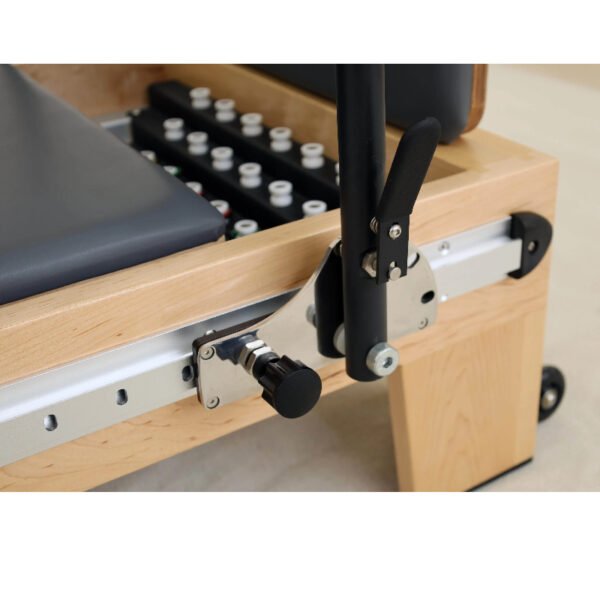
Frame construction: Look for a well-engineered hardwood frame with strong joints and consistent finishing.
Carriage movement: The carriage should move smoothly along its track without unnecessary resistance or wobbling.
Spring system: Check whether the spring resistance is adjustable and whether replacement springs are available.
Footbar adjustment: Multiple positions can make the reformer suitable for different body sizes and exercises.
Carriage padding: Adequate cushioning and durable upholstery are important for frequent use.
Ropes, straps, and pulleys: These components should operate smoothly and be easy to adjust.
Weight and dimensions: A heavier frame may provide stability but can be more difficult to move.
Warranty and support: For a commercial buyer, after-sales support and access to replacement components can be just as important as the initial purchase price.
It is also worth asking the manufacturer about the wood treatment, humidity recommendations, load specifications, quality-control process, and replacement parts.
Is a Wooden Pilates Reformer Suitable for Home and Commercial Use?
Yes, but the ideal configuration can be different for each environment.
For home Pilates, a wooden reformer can be a good fit when the buyer values stability, appearance, and a permanent or semi-permanent workout setup. A folding or space-efficient design may be more practical when the equipment needs to be stored after each workout.
For commercial Pilates studios, durability and serviceability become more important because the equipment may be used by multiple clients every day.
Consider a boutique studio with six reformers. If each machine is used for several classes per day, components such as springs, wheels, ropes, upholstery, and tracks will experience repeated cycles of use. In that situation, the quality of the entire reformer matters more than whether the frame simply looks attractive.
Reformer Pilates has also been studied in different populations. One randomized controlled trial involving adults aged 65 and older found improvements in balance, functional mobility, and lower-extremity range of motion following a 10-week Reformer Pilates intervention.
This does not mean that every user will experience the same outcome, but it illustrates why a well-designed reformer can be useful across a range of training environments.
Wooden Pilates Reformer vs. Aluminum Pilates Reformer
Both wood and aluminum can be appropriate materials for a Pilates reformer. The better choice depends on your priorities.
| Factor | Wooden Pilates Reformer | Aluminum Pilates Reformer |
| Stability | Generally heavier and more grounded | Usually lighter |
| Appearance | Warm, natural, traditional | Modern and minimalist |
| Portability | Usually less convenient to move | Often easier to move |
| Studio style | Works well with boutique or natural interiors | Fits contemporary fitness spaces |
| Maintenance | Requires attention to wood finish and environment | Generally simpler surface maintenance |
| Weight | Typically heavier | Typically lighter |
A wooden Pilates reformer may be a strong choice when stability, natural aesthetics, and a substantial feel are important.
An Aluminum Pilates Reformer may be more appropriate when portability, lighter construction, or a modern visual style is the priority.
Neither material should automatically be considered superior. Frame engineering, manufacturing quality, component durability, and proper maintenance can have a greater effect on the long-term ownership experience than material alone.
How Do You Maintain a Wooden Pilates Reformer?
A wooden reformer does not require complicated maintenance, but regular care helps preserve both its appearance and performance.
After each workout, wipe down high-contact surfaces such as the carriage, footbar, shoulder rests, and upholstery using a cleaner recommended for the specific materials. Avoid soaking the wooden frame or allowing moisture to remain on the surface.
Dust the frame regularly with a soft, dry or slightly damp cloth. If the manufacturer recommends a particular wood conditioner or protective product, follow those instructions rather than applying household furniture products without checking first.
Pay attention to the environment as well. Wood can respond to significant changes in humidity and temperature, so keeping the reformer indoors in a relatively stable environment is preferable.
For commercial studios, maintenance should also include routine inspection of springs, ropes, wheels, pulleys, fasteners, rails, and upholstery. A small problem is generally easier to address before it affects the workout experience or other components.
Why Choose a Wooden Pilates Reformer From a Manufacturer?
For buyers purchasing one reformer for home use, the machine itself is the main consideration. For studios, distributors, and fitness businesses, the manufacturer becomes equally important.
A direct manufacturer can typically provide more information about the reformer Pilates frame, material selection, production process, customization options, packaging, replacement components, and after-sales support.
This can be particularly useful for commercial buyers ordering multiple machines. Instead of evaluating a single unit, you need to consider consistency across the entire batch.
CoreFlow manufactures Pilates equipment for studios, fitness facilities, distributors, and other commercial customers, with wooden reformers available in different configurations and finishes. For businesses planning a larger order, discussing frame material, dimensions, upholstery, accessories, packaging, and customization requirements with the manufacturer before ordering can help avoid unnecessary compromises later.
Conclusion
A wooden Pilates reformer combines the traditional character of hardwood with the functionality of modern Reformer Pilates equipment. Its heavier construction can provide a stable, grounded feel, while the natural appearance makes it particularly attractive for home gyms, boutique studios, and wellness-focused interiors.
However, choosing between a wooden and an aluminum frame should not come down to material alone.
Consider the reformer’s construction, carriage movement, spring system, dimensions, comfort, maintenance requirements, expected usage, and available after-sales support. A well-designed pilates wood reformer can be a practical long-term investment, while an aluminum model may be better suited to buyers who prioritize portability and lighter construction.
The most suitable reformer is ultimately the one that matches your training needs, space, budget, and expected frequency of use.
FAQs
Are wooden Pilates reformers better than aluminum reformers?
Not necessarily. Wooden and aluminum reformers have different strengths. Wooden models are often heavier and provide a more substantial, traditional appearance, while aluminum models are generally lighter and may be easier to move.
For a permanent home setup or boutique studio, a wooden reformer may be appealing because of its stability and natural appearance. For spaces where equipment needs to be moved frequently, an aluminum reformer may be more practical.
What is the best wood for a Pilates reformer?
There is no single best wood for every buyer.
Maple, oak, and walnut can all be suitable for Pilates reformer frames when properly engineered and finished. Maple tends to provide a lighter appearance, oak offers a more pronounced grain, and walnut is known for its darker, richer appearance.
The quality of the frame construction, wood preparation, joints, hardware, and finishing process is usually more important than simply choosing one species.
How long does a wooden Pilates reformer last?
The lifespan of a wooden Pilates reformer depends on its construction quality, frequency of use, maintenance, environment, and replacement of wear components.
A reformer used occasionally at home will generally experience less wear than one used for several classes every day in a commercial studio. Springs, ropes, wheels, upholstery, and other moving or high-contact components may require maintenance or replacement before the main frame does.
Following the manufacturer’s maintenance instructions and inspecting the reformer regularly can help support reliable long-term use.
Is a wooden Pilates reformer good for home use?
Yes. A wooden reformer can work particularly well in a home environment when stability and appearance are important. Before purchasing, make sure you have enough room for the full range of movement around the machine and consider whether you need a folding or movable design.
Is a wooden Pilates reformer good for a Pilates studio?
It can be. Wooden reformers are often well suited to studios that want a stable machine with a natural, premium appearance. For commercial use, however, buyers should pay close attention to construction quality, component durability, warranty coverage, replacement parts, and manufacturer support.
Does wood make a Pilates reformer quieter?
The overall noise level depends on the complete design of the reformer, including the carriage wheels, rails, pulleys, springs, and how well the machine is maintained. A heavier wooden frame can contribute to a solid, grounded feel, but it should not be assumed that every wooden reformer will automatically be quieter than every aluminum model.



No comment