



Pilates has become a popular part of fitness routines for people who want stronger muscles, better posture, and a more defined physique without relying entirely on traditional weightlifting. From mat-based workouts at home to studio sessions using specialized equipment, Pilates offers different ways to challenge the body while improving movement control.
But does Pilates tone your body, or is it simply a way to improve flexibility?
The answer is yes, Pilates can help develop stronger, more defined muscles, particularly when you practice consistently and gradually increase the challenge of your workouts. However, visible muscle definition depends on several factors, including your starting fitness level, nutrition, overall activity, and body composition.
Understanding what Pilates can realistically achieve will help you build a routine that suits your goals, whether you are a beginner, a regular gym-goer, or someone looking for a low-impact approach to strength training.
Does Pilates Tone Your Body?
Yes, Pilates can help tone your body by strengthening muscles, improving muscular endurance, and developing better control over your movements. Exercises often require you to stabilize your torso while moving your arms and legs, creating a coordinated, full-body workout.
The word “toning” is commonly used to describe muscles that look firmer or more defined. It is not a separate physiological process. Muscle development contributes to this appearance, while body fat levels also influence how visible your muscles are.
Pilates can support muscle development through controlled bodyweight movements, sustained positions, and resistance from springs or other equipment. However, Pilates alone does not guarantee significant fat loss or a particular body shape.
A 2022 systematic review published in the Journal of Bodywork and Movement Therapies examined nine studies on Pilates and body composition in healthy individuals. Although some studies reported improvements, the authors concluded that the evidence remained uncertain because results varied and high-quality research was limited. This distinction matters: Pilates has useful strength and movement benefits, but its effects on visible body composition should not be overstated.
How Does Pilates Help Build Strength and Define Muscles?
Pilates challenges muscles through controlled movement, resistance, and stabilization. During a single exercise, your abdominal muscles may help stabilize your torso while your glutes, legs, or shoulders perform the primary movement.
For example, a Pilates bridge activates the glutes and hamstrings while challenging core stability. A plank variation requires the shoulders, abdominals, and hip muscles to work together.
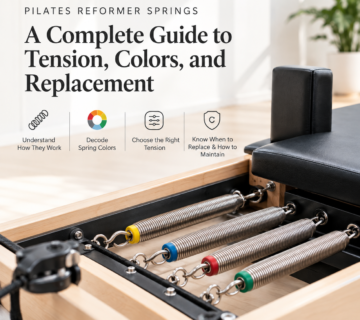
Over time, regular practice can improve muscular endurance, coordination, and strength. To continue progressing, you may need to increase the difficulty of an exercise, adjust the spring resistance on a reformer, or choose a more demanding variation.
Pilates can contribute to a stronger, more defined appearance, although people seeking substantial muscle growth may benefit from adding progressive resistance training.
Can Pilates Help You Achieve a Leaner Appearance?
Pilates may contribute to a leaner-looking physique, but the result depends on more than the exercises themselves.
Regular sessions can build muscle endurance and support an active lifestyle. If Pilates replaces prolonged inactivity, it may also increase your overall daily movement. However, visible changes in body fat depend on the balance between energy intake and expenditure, as well as individual factors such as genetics, sleep, and activity levels.
For example, someone who works at a desk all day might use Pilates to build a consistent exercise habit, improve trunk strength, and move more comfortably. Adding regular walks and balanced meals may help support broader body-composition goals.
It is also important to understand that you cannot choose where your body loses fat. Abdominal exercises strengthen the muscles around your midsection, but they do not specifically burn belly fat.
What Are the Main Benefits of Pilates for Body Toning?
Pilates offers several benefits that can complement a body-toning routine. Its emphasis on controlled movement makes it useful for people who want to develop strength while working on posture, mobility, balance, and body awareness.
The results vary according to exercise selection, resistance, training frequency, and individual ability. Rather than focusing only on appearance, consider how your body performs and feels as your training progresses.
How Does Pilates Strengthen Your Core?
Core strength is one of the best-known benefits of Pilates. Your core includes more than your abdominal muscles; it also involves muscles around your pelvis, back, and trunk that help stabilize your body.
Exercises such as the hundred, dead bug variations, and controlled leg movements challenge these muscles to maintain stability while other parts of the body move.
A stronger core can help you maintain better control during everyday activities, from carrying groceries to getting up from a chair. It can also support more controlled movement during other forms of exercise.
However, core training alone does not guarantee visible abdominal muscles. Muscle definition in that area also depends on body composition and individual anatomy.
Can Pilates Improve Posture, Flexibility, and Muscle Endurance?
Yes. Pilates combines strength exercises with deliberate movement and flexibility work, helping you practice coordination and control across different ranges of motion.
For people who spend long hours sitting at a computer, Pilates can provide an opportunity to move the spine, hips, shoulders, and legs in ways that may be missing from their daily routine. Exercises that strengthen the back and trunk may also help support postural control.
A systematic review and meta-analysis published in 2020 examined ten studies of mat Pilates. It did not find that mat Pilates was superior to comparison conditions for the body-composition measures studied. This does not mean Pilates has no value; it highlights why improvements in mobility, strength, and body composition should be evaluated separately.
Which Muscle Groups Does Pilates Target?
Pilates can engage muscles throughout the body, although the emphasis depends on the exercise and equipment used.
| Muscle group | Examples of Pilates exercises | Potential benefit |
| Abdominals and trunk | The hundred, plank variations | Core stability and endurance |
| Glutes and hamstrings | Bridges, footwork, hip extension | Hip strength and control |
| Quadriceps and calves | Reformer footwork, standing leg work | Lower-body strength and endurance |
| Back muscles | Swimming, pulling straps | Trunk control and back endurance |
| Shoulders and arms | Arm springs, straps, plank variations | Upper-body strength and stability |
A balanced routine should train more than the abdominal muscles. Including exercises for the hips, legs, back, and upper body can help you develop more balanced strength and movement control.
How Long Does It Take for Pilates to Tone Your Body?
There is no universal timeline for visible results. Some people notice improvements in movement control, exercise tolerance, or flexibility within the first several weeks. Changes in muscle definition may take longer and depend on training consistency, resistance, nutrition, and starting fitness level.
As a practical starting point, you could follow a structured Pilates program for eight to twelve weeks and assess your progress along the way. This is a planning window, not a guarantee that your appearance will change within that period.
Look beyond the mirror when evaluating progress. You might notice that exercises feel easier, your balance improves, or you can complete more repetitions with better control. These are meaningful signs of progress even when changes in body shape are subtle.
How Often Should You Do Pilates to See Results?
For many beginners, two or three Pilates sessions per week provide a manageable starting routine. This allows time to practice technique while leaving room for recovery and other forms of exercise.
Your schedule can be adjusted as your strength, confidence, and fitness improve. For example:
Beginner: Two 20- to 30-minute sessions per week, focusing on technique and foundational movements.
Intermediate: Three 30- to 45-minute sessions per week, with a mix of core, upper-body, and lower-body exercises.
Experienced: Three or more sessions as appropriate, varying resistance, exercise selection, and intensity while allowing adequate recovery.
These are practical examples rather than universal prescriptions. Your ideal frequency depends on your health, experience, and the intensity of your sessions.
If your primary goal is muscle development, make sure your routine offers sufficient resistance and progressive challenge. Combining Pilates with other strength exercises may help address goals that Pilates alone does not fully meet.
Does Mat Pilates or Reformer Pilates Tone Your Body Better?
Both mat Pilates and reformer Pilates can help develop strength and muscular endurance. Neither is automatically better for everyone; the right choice depends on your goals, experience, budget, and access to equipment.
| Feature | Mat Pilates | Reformer Pilates |
| Main resistance | Body weight and gravity | Adjustable spring resistance, body weight, and gravity |
| Equipment | Usually a mat and small accessories | Reformer machine and optional accessories |
| Exercise options | Foundational and advanced floor exercises | A wide range of supported, resisted, and moving exercises |
| Progression | Change leverage, range of motion, repetitions, and exercise difficulty | Adjust springs, positioning, range of motion, and exercise difficulty |
| Best suited for | Home workouts, portability, and accessible practice | Studio training, varied resistance, and equipment-based exercise |
Mat Pilates is a convenient option if you prefer working out at home with minimal equipment. It can be challenging when exercises are performed with appropriate technique and progression.
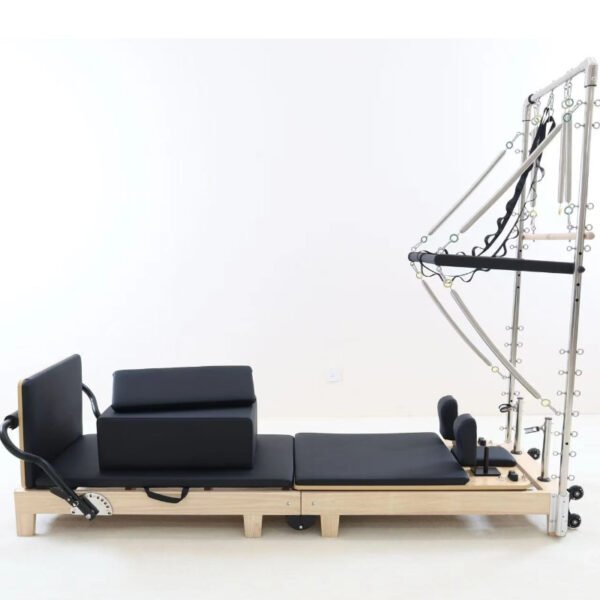
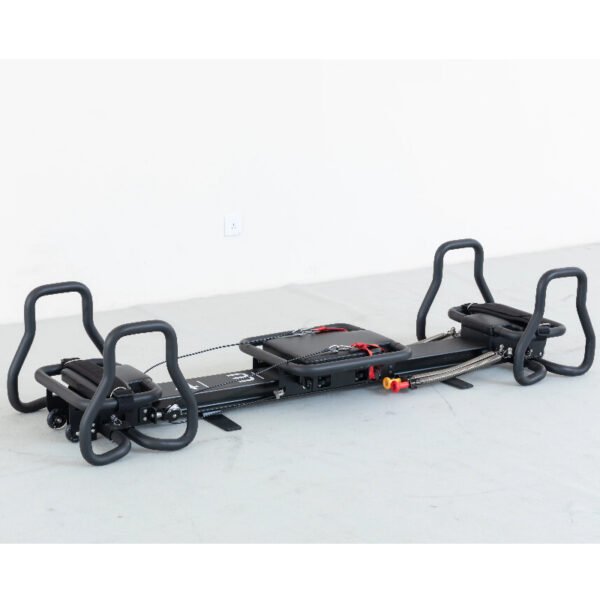
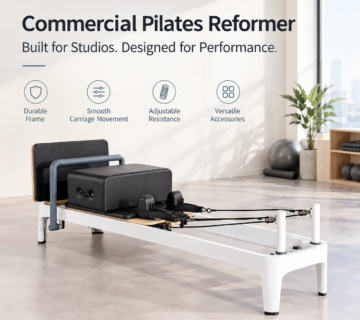
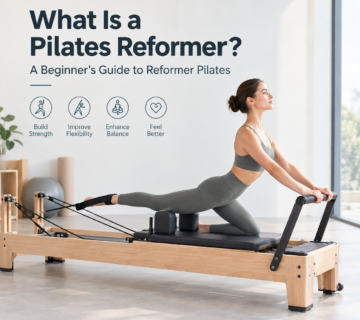
Reformer Pilates uses a moving carriage, straps, and springs to provide adjustable resistance. This can make it easier to modify exercises for different ability levels or introduce additional resistance when an exercise becomes too easy. The reformer does not automatically produce better toning results; the quality and progression of the training still matter.
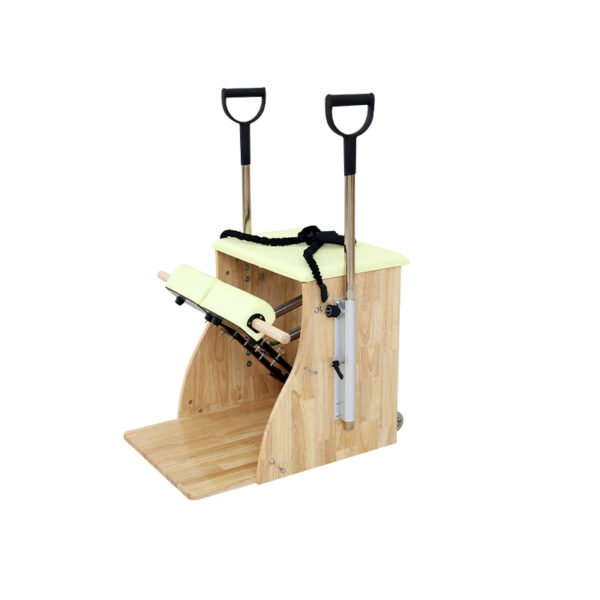
For studio owners and fitness businesses choosing professional equipment, exploring different types of Pilates Reformer machines can help identify options suited to class formats, instructor preferences, and client needs.
What Is the Best Way to Use Pilates for Body Toning?
The most effective approach is to build a sustainable routine that challenges your muscles, includes different movement patterns, and fits your lifestyle. Instead of relying on one exercise or a short-term program, focus on gradually improving your strength, control, and consistency.
A well-rounded plan can include mat or reformer sessions, additional resistance training when appropriate, regular walking or other aerobic activity, and enough recovery between demanding workouts.
Which Pilates Exercises Are Best for Full-Body Toning?
You do not need dozens of exercises to get started. A selection of movements that target different muscle groups can provide a useful foundation.
The hundred: Challenges abdominal endurance and coordinated breathing.
Pilates bridge: Works the glutes and hamstrings while engaging the core.
Plank variations: Challenge the abdominals, shoulders, and stabilizing muscles.
Leg circles: Train hip control while requiring trunk stability.
Reformer footwork: Challenges the legs and hips against spring resistance.
Reformer rowing or pulling-strap exercises: Work the upper body and back while encouraging controlled movement.
Beginners should start with variations they can perform comfortably and with good technique. On a reformer, spring settings and exercise selection should be appropriate for your experience and the guidance of a qualified instructor.
As exercises become easier, progression might involve increasing resistance, improving range of motion, slowing the movement for greater control, or selecting a more demanding variation. More resistance is not always better if it compromises technique.
How Do Diet, Recovery, and Consistency Affect Your Results?
Your training routine is only one part of the process. Nutrition, sleep, and recovery influence how well your body adapts to exercise.
Nutrition: Eat balanced meals that provide sufficient protein, carbohydrates, healthy fats, vitamins, and minerals. Protein supports muscle repair and development, while carbohydrates help fuel exercise. If reducing body fat is one of your goals, a sustainable approach to food intake is generally more useful than extreme dieting.
Recovery: Muscles need time to adapt between challenging sessions. Prioritize adequate sleep, vary workout intensity when necessary, and allow additional recovery if you experience persistent soreness or fatigue.
Consistency: A realistic schedule that you can maintain is usually more useful than an intense routine you abandon after a few weeks. Track progress through exercise control, strength, mobility, and how you feel during daily activities, rather than relying solely on body weight.
A balanced exercise plan: Pilates can work alongside walking, cycling, swimming, or traditional strength training. If your goal is substantial muscle growth, progressive resistance training may be an important addition. If you primarily want better core control, mobility, and muscular endurance, Pilates may be a central part of your routine.
The key is to match your training approach to your individual goals and make adjustments as you progress.
Conclusion
So, does Pilates tone your body? Yes, Pilates can help strengthen muscles, improve muscular endurance, and contribute to a more defined appearance over time. It can also support better movement control, flexibility, balance, and core stability.
However, the results depend on how you train and what you combine Pilates with. Visible muscle definition is influenced by body composition, nutrition, genetics, and overall activity, so no single exercise method can guarantee a particular physique.
Start with a manageable schedule, learn the movements properly, and gradually increase the challenge as your ability improves. Whether you choose mat Pilates, reformer sessions, or a combination of Pilates and resistance training, consistency and realistic expectations will help you get more out of your workouts.
FAQs
Does Pilates Tone Your Body Without Lifting Weights?
Yes. Pilates can build strength and muscular endurance using body weight, gravity, and, in reformer workouts, spring resistance. You do not necessarily need conventional dumbbells or barbells to make progress. However, if your goal is substantial muscle growth or maximal strength, adding progressive weight training may be beneficial.
Can You Get a Toned Body by Doing Pilates Every Day?
Daily Pilates may suit some experienced practitioners when sessions are appropriately varied in intensity, but it is not necessary to practice every day to see benefits. Beginners may prefer two or three sessions per week and increase frequency as they adapt. Allow time for recovery, especially after challenging workouts, and avoid pushing through pain or persistent fatigue.
Is Reformer Pilates More Effective Than Mat Pilates for Body Toning?
Not necessarily. Both can challenge muscles and improve strength, depending on exercise selection and progression. Reformer Pilates offers adjustable spring resistance and a wider range of equipment-based movements, while mat Pilates is accessible and requires little equipment. Choose the format that best fits your needs, preferences, and ability to train consistently.

No comment