






Pilates has become one of the most popular fitness methods worldwide thanks to its ability to improve core strength, flexibility, posture, and overall body awareness. While many people associate Pilates with boutique studios and professional instructors, a common question remains: can you do pilates at home?
The answer is absolutely yes. With the right approach, space, and equipment, home Pilates can be just as effective as studio training. Whether you’re a beginner looking for a simple workout routine or an experienced practitioner interested in creating a dedicated pilates home plan, home-based Pilates offers convenience, flexibility, and long-term value.
In this guide, we’ll explore how to start Pilates at home, what equipment you may need, and whether investing in a home Pilates reformer is worth it.
Can You Do Pilates at Home Successfully?
Many people wonder whether home workouts can provide the same benefits as studio sessions. The good news is that Pilates adapts extremely well to home environments.
Pilates focuses on controlled movement, breathing, and body alignment rather than large gym equipment or heavy weights. This means beginners can start with simple mat exercises while gradually progressing to more advanced training methods.
Consistency is often easier when practicing at home. Without travel time or studio schedules, users can fit workouts into their daily routines more easily. Whether your goal is improving posture, increasing flexibility, strengthening your core, or enhancing athletic performance, a well-structured home Pilates program can deliver excellent results.
Learning how to do pilates at home starts with mastering basic movements and gradually adding resistance and equipment as your skills improve. With proper technique and regular practice, home Pilates can become a highly effective long-term fitness solution.
What Do You Need to Start Pilates at Home?
One of the biggest advantages of Pilates is that it doesn’t require a large investment to get started.
A comfortable exercise mat, adequate floor space, and access to online classes or instruction can be enough for beginners. As your practice develops, you may choose to add resistance tools and specialized equipment to increase workout variety and challenge.
Creating a dedicated workout area helps improve consistency. Even a small corner of a living room or spare bedroom can become an effective Pilates space.
Do You Need Professional Pilates Equipment?
Professional equipment is not required when starting Pilates. Many beginners achieve excellent results using only bodyweight exercises and a mat.
However, professional equipment can expand exercise options, improve resistance training, and provide additional support for proper movement patterns. As your experience grows, equipment can help you progress more efficiently.
What Basic Equipment Can Improve Your Home Practice?
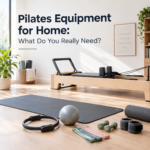
Popular pilates equipment for home includes resistance bands, Pilates rings, small exercise balls, and foam rollers. These tools are affordable and versatile.
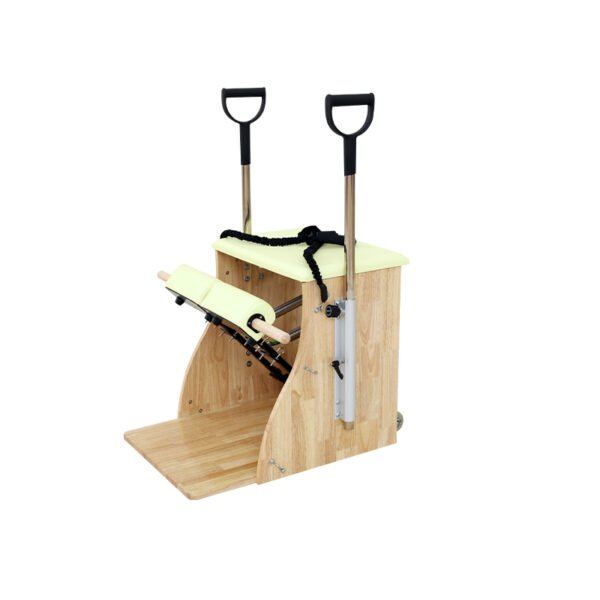
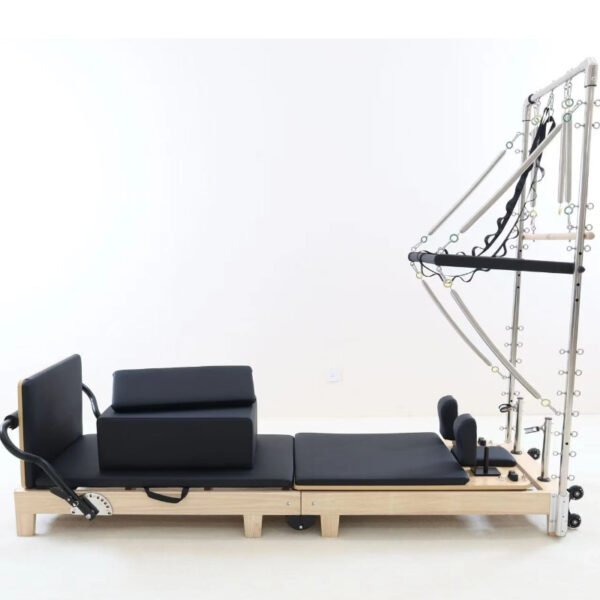
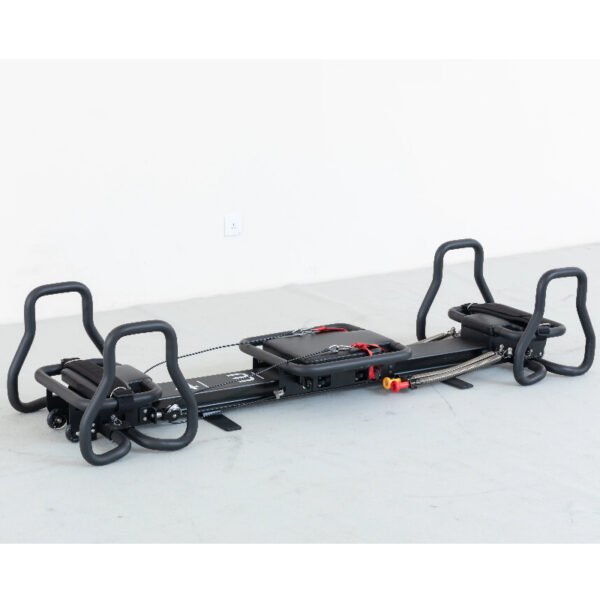
For users seeking a more comprehensive workout, pilates machines for the home such as reformers offer professional-level training opportunities. Many modern reformers are designed specifically for home environments, combining functionality with compact storage solutions.
What Are the Benefits of Doing Pilates at Home?
Home Pilates offers numerous physical and practical benefits.
One major advantage is convenience. You can train whenever your schedule allows without commuting to a studio or booking classes. This often leads to greater consistency and better long-term results.
Home Pilates can also be cost-effective. While studio memberships require ongoing payments, purchasing quality at home pilates equipment can provide years of use.
Another benefit is personalization. Users can progress at their own pace, focus on specific fitness goals, and create routines that fit their lifestyle.
Is Home Pilates Effective for Strength and Flexibility?
Yes. Regular Pilates training strengthens the core, glutes, back, and stabilizing muscles while improving flexibility and mobility.
Whether using a mat or reformer, Pilates challenges muscles through controlled movement and resistance, making it highly effective for overall fitness.
Can Home Pilates Help Improve Posture and Core Stability?
Absolutely. Pilates is well known for developing deep core strength and promoting proper alignment.
Consistent practice can improve posture, reduce muscular imbalances, and enhance body awareness, making everyday movements more efficient and comfortable.
How Can Beginners Start Pilates at Home Safely?
Beginners should start with basic exercises and focus on learning proper breathing, alignment, and movement control.
Following guided instruction from qualified teachers can help prevent common mistakes and ensure exercises are performed correctly. It is also important to progress gradually rather than attempting advanced movements too quickly.
A structured pilates home plan that includes two to four sessions per week is often ideal for beginners. Consistency matters more than workout intensity during the early stages.
What Common Mistakes Should You Avoid?
Common mistakes include moving too quickly, neglecting breathing techniques, and focusing on repetitions rather than movement quality.
Poor alignment and excessive tension in the neck or shoulders can also reduce effectiveness and increase discomfort.
How Often Should You Practice Pilates at Home?
Most beginners see noticeable improvements by practicing two to four times per week.
More experienced users may train four to six times weekly depending on their goals and recovery needs.
Should You Invest in a Home Pilates Reformer?
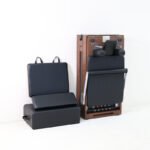
As Pilates experience grows, many users consider purchasing a foldable pilates reformer.
A reformer adds adjustable spring resistance, supports hundreds of exercise variations, and creates a more comprehensive full-body workout. It is often considered one of the best home pilates equipment investments for serious practitioners.
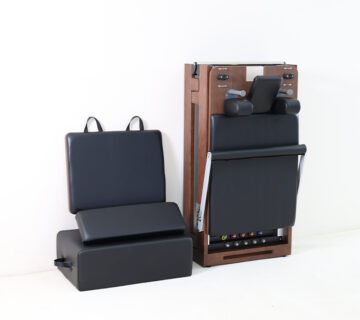
Modern home reformers are designed with compact footprints and foldable storage options, making them practical even for smaller living spaces.
CoreFlow offers high-quality reformers specifically designed for home use, combining durability, smooth performance, and space-saving convenience.
Is a Pilates Reformer Worth It for Home Use?
For users committed to regular Pilates practice, a reformer can significantly expand training possibilities and improve long-term results.
It provides greater resistance options, supports progressive strength development, and allows users to perform a wider range of exercises safely.
What Features Should You Look for in a Home Pilates Reformer?
Look for a stable frame, smooth carriage movement, adjustable resistance, comfortable padding, and easy storage solutions.
Foldable designs are particularly useful for home environments where space is limited. CoreFlow’s home reformers are engineered to provide professional-level performance while remaining practical for everyday use.
Conclusion
So, can you do pilates at home successfully? Absolutely. Whether you begin with simple mat exercises or invest in professional pilates equipment home use, home Pilates can deliver impressive results for strength, flexibility, posture, and overall wellness.
The key is consistency, proper technique, and choosing equipment that matches your goals. For users looking to elevate their home workouts, CoreFlow offers reliable reformers and Pilates equipment designed to bring studio-quality training into the comfort of your home.
FAQs
Can you do Pilates at home without equipment?
Yes. Many Pilates exercises require only a mat and your body weight, making Pilates highly accessible for beginners.
How many times a week should I do Pilates at home?
Most people benefit from practicing Pilates two to four times per week, while advanced users may train more frequently.
Is a Pilates reformer better than mat Pilates for home workouts?
Both are effective. Mat Pilates is excellent for beginners and convenience, while a reformer provides additional resistance, exercise variety, and progression opportunities.

No comment