






If you’re curious about what is pilates good for, this holistic mind-body workout delivers far-reaching advantages for people of all ages, genders and fitness levels. As a low-impact training system, Pilates centers on controlled movements and mindful breathing, standing out from intense gym exercises. It builds physical capability while soothing mental tension, catering to fitness enthusiasts, office workers, athletes and rehabilitation users alike. Whether you prefer mat workouts or professional gear training, exploring the core benefits of pilates will help you understand why it remains a top choice for long-term health and wellness.
What Is Pilates and Why Is It So Beneficial for the Human Body?
Pilates is a gentle, technique-focused exercise method that combines stretching, strengthening and breathwork to align the body and activate deep muscles. Many ask what is pilates good for, and its core value lies in fixing muscular imbalances caused by sedentary lifestyles and bad posture. It puts minimal strain on joints, making it accessible to nearly everyone. By prioritizing movement quality over repetition, it boosts blood circulation, enhances joint mobility and eases persistent body stiffness. It also trains body coordination and spatial awareness, gradually restoring physical vitality. For both daily health maintenance and athletic performance improvement, it lays a solid, sustainable foundation for the human body.
What Are the Physical Benefits of Pilates for Strength, Flexibility, Posture, and Core Stability?
Pilates builds functional, lean strength instead of bulky muscle mass, with the core as its primary focus. It engages abdominal, spinal and pelvic muscles comprehensively, greatly enhancing core stability to support daily movements and reduce back discomfort. Regular practice noticeably boosts full-body flexibility, releasing tight hips, hamstrings and upper body tension from prolonged sitting. It rewires muscle memory to correct slouching and rounded shoulders, helping you maintain an upright, natural posture effortlessly. The training also strengthens small stabilizer muscles across limbs, improving overall balance and motor control. Additionally, benefits of pilates for men are prominent here: it complements heavy strength training, relieves muscle tightness and lowers the risk of sports injuries effectively.
How Does Pilates Improve Mental Health, Stress Relief, and Mind-Body Connection?
Pilates creates a powerful link between body and mind through synchronized movement and breathing. Focusing on every stretch and contraction pulls your focus away from daily worries, acting as a natural stress reliever. The mindful practice calms racing thoughts, eases mental fatigue and regulates mood. As you grow more aware of your body’s sensations, the mind-body connection grows stronger day by day. Many practitioners experience improved sleep quality after consistent training. More than just physical exercise, it serves as a peaceful escape from busy routines, nurturing emotional calm and mental resilience for a balanced lifestyle.
Can Pilates Help with Weight Loss, Body Toning, and Long-Term Body Shaping Results?
A common question is is pilates good for weight loss. While it is not a high-calorie-burning cardio workout for rapid fat reduction, it aids healthy weight management when paired with a balanced diet and active lifestyle. Its greatest strength is body toning: it tightens loose tissues, defines body lines and sculpts a graceful physique. By increasing lean muscle mass, it elevates basal metabolism to keep weight stable long-term. Unlike fleeting workout effects, the improved muscle tone and posture from regular practice deliver lasting shaping results, letting you enjoy a fitter and more confident figure all year round.
How Do Pilates Equipment and Machines Enhance the Benefits of Pilates Training?
Professional Pilates equipment elevates training efficiency with adjustable resistance and ergonomic support. These tools guide users to perform movements with correct form, cutting down injury risks and maximizing muscle engagement. Among them, the benefits of pilates reformer are widely recognized; its spring resistance and sliding platform enable deeper stretches and targeted strength work that mat exercises cannot easily achieve. Equipment suits all skill levels, allowing gradual intensity progression. It expands the range of possible movements, activates more muscle groups and reduces pressure on sensitive joints, helping practitioners reach their fitness goals faster and more safely.
Pilates Reformer and Resistance-Based Training Benefits
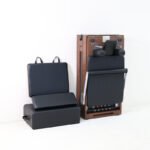
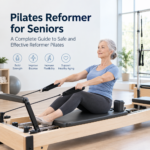
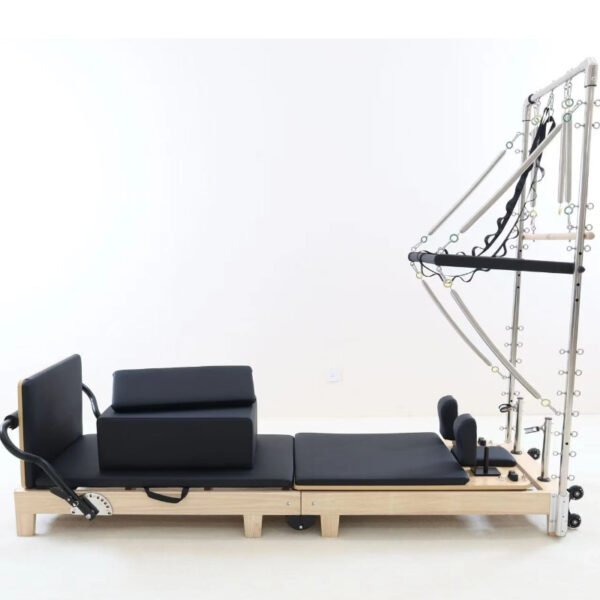
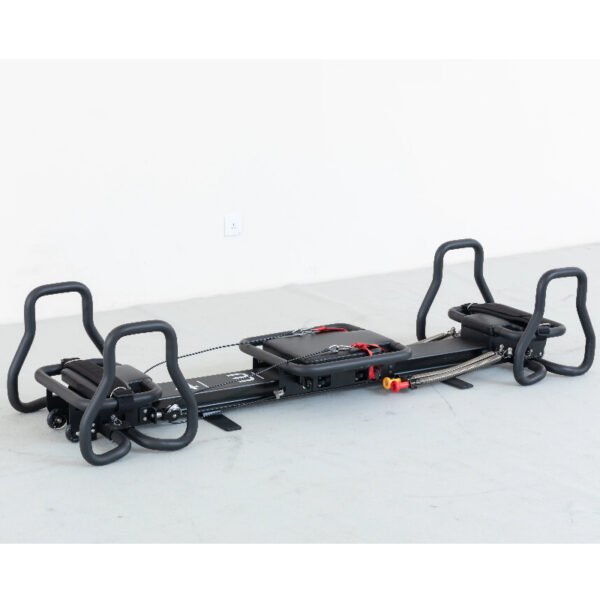
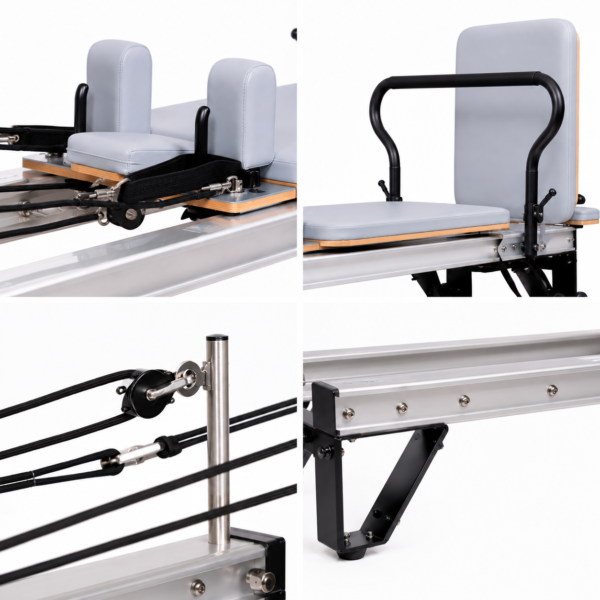
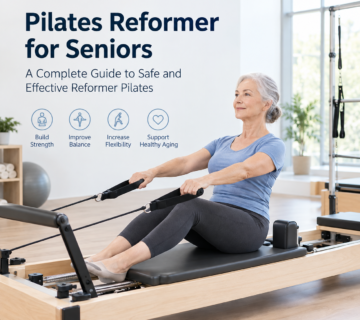
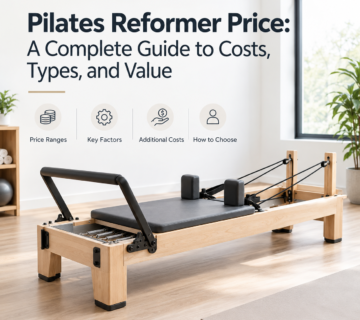
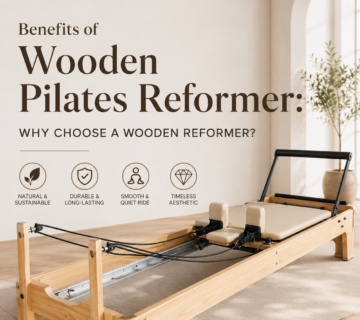
The Pilates Reformer is the signature apparatus of Pilates training. Equipped with adjustable springs and a movable carriage, it delivers customizable resistance for full-body workouts. Every pushing, pulling and sliding movement challenges muscles in a controlled way, building endurance and lean strength without overloading joints. It reinforces proper spinal alignment and core engagement throughout sessions. Suitable for beginners to advanced trainees, it refines movement precision and deepens training intensity, unlocking more training possibilities than mat workouts alone.
-
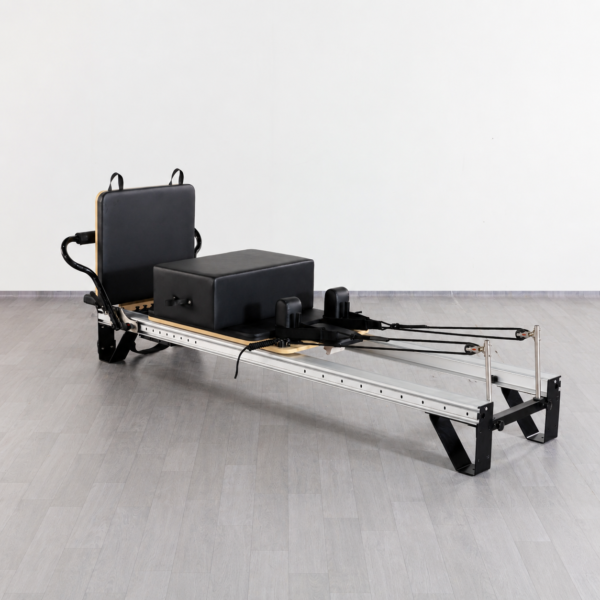
C05-01 Aluminum Pilates Reformer | Commercial Studio Equipment
-
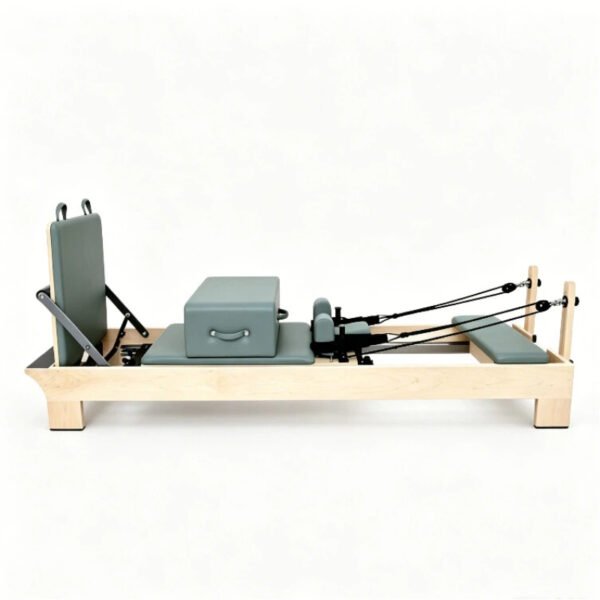
Wooden Pilates Reformer | CoreFlow C09-03
Pilates Chair for Strength and Balance Development
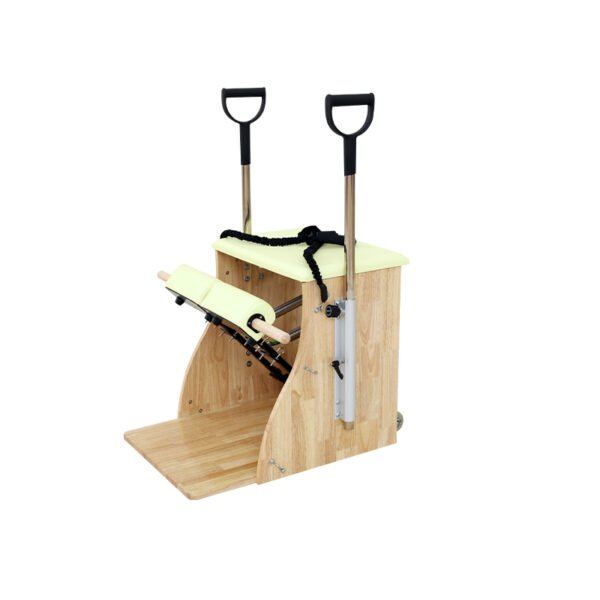
Compact and user-friendly, the Pilates Chair targets lower body muscles, deep core and balance abilities. Its unique resistance mechanism tones legs and glutes effectively, while seated and standing moves force continuous body stabilization. It is ideal for improving daily balance and functional strength. Taking up little space, it works well for home training and targeted part workouts. It is also a great supplementary tool for athletes to refine body control and ease muscle fatigue after intense exercise.
-
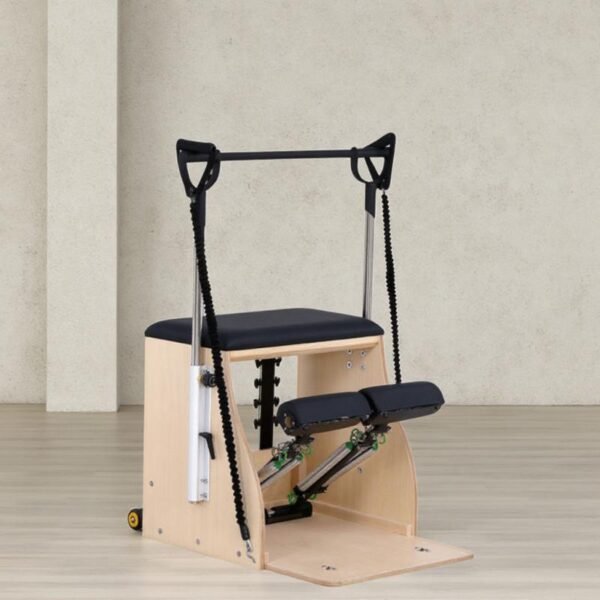

Maple Wunda Chair: The Ultimate Classic for Pilates Stability Training
-
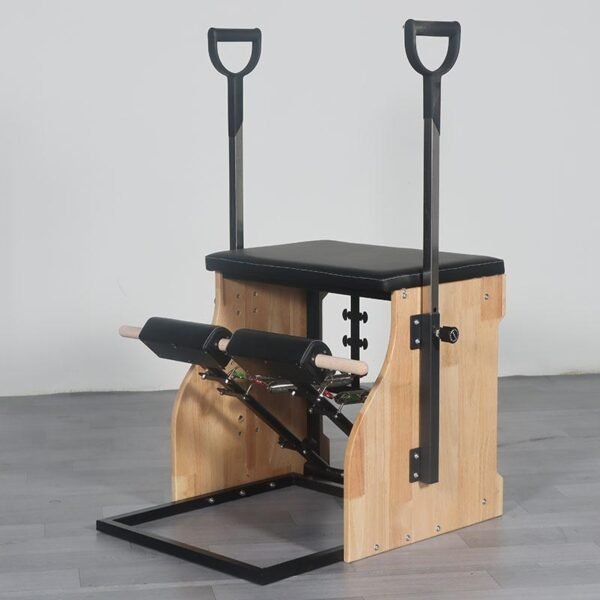
Pilates Chair – Premium Oak Wunda Chair
Pilates Tower and Wall Unit for Full-Body Activation
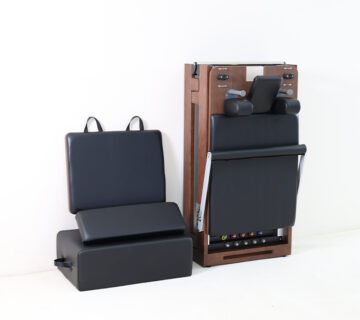
Pilates Tower and Wall Unit rely on fixed frames, straps and springs to deliver all-round training. They excel at stretching tight chest, back and shoulder muscles, and effectively correct spinal misalignment. These devices activate deep stabilizer muscles across the torso and limbs, combining strengthening, stretching and posture correction in one workout. They are popular in professional studios for rehabilitation and advanced training, helping users achieve comprehensive body activation and maintain long-term physical balance.
Mat Pilates vs Equipment-Based Pilates: Key Differences
Mat Pilates uses only body weight for resistance, requiring no extra gear and easy to practice anywhere. It is perfect for beginners to learn basic moves, breathing techniques and core awareness. Equipment-based Pilates adds adjustable resistance and motion support, enabling deeper muscle stimulation and more diverse exercises. It offers better form guidance to prevent mistakes and injuries. Most fitness lovers combine the two styles: mat practice builds a solid foundation, while equipment training accelerates progress and targets specific fitness needs.
Conclusion
Overall, the benefits of pilates span physical fitness, mental wellness and body shaping, making it an inclusive workout for everyone. It boosts strength and flexibility, fixes posture, relieves stress and supports healthy body management. Whether you try mat Pilates, make use of the Pilates Reformer, or take it as a supplementary workout, you will see steady positive changes. For men and women, beginners and seasoned exercisers, it is a sustainable way to pursue lifelong wellness. Stick to regular practice, and you will gain a stronger body and calmer mind.
FAQs
What are the main benefits of Pilates for beginners?
Pilates is extremely beginner-friendly with low joint impact. It helps new learners master standard breathing and basic body control, relieves stiffness from sitting for long hours and corrects poor posture. It gently builds core strength and flexibility without injury risks, and alleviates mild neck and back pain. It also eases workout anxiety and cultivates a mindful exercise habit, letting beginners adapt quickly and enjoy the changes brought by training.
How often should I do Pilates to see results?
Practicing 3 to 4 times per week is the ideal frequency to see obvious progress. Most people will feel reduced body tension and improved mood within 2 to 3 weeks. Noticeable changes in muscle tone, flexibility and core strength usually appear after 4 to 6 weeks of consistent training. Even two short sessions a week can maintain wellness and ease daily fatigue. Consistency matters more than long single workouts for lasting effects.
Is Pilates better than gym workouts for overall fitness?
The answer depends on your personal fitness goals. Traditional gym workouts focus more on explosive strength and muscle mass gain, while Pilates shines in functional strength, flexibility, posture adjustment and mental relaxation. Benefits of pilates for men also include easing soreness from heavy gym training and improving athletic flexibility. The two can complement each other perfectly. You may choose according to your needs, or combine them to achieve more balanced overall fitness.

No comment