






Pilates has evolved from a niche exercise method into one of the world’s fastest-growing low-impact fitness practices. Whether you’re building a home gym, opening a Pilates studio, or upgrading your current equipment, choosing the right Pilates machine can significantly influence your training experience and long-term results.
Unlike mat Pilates, a Pilates reformer machine introduces adjustable spring resistance, a moving carriage, and multiple attachment points that allow hundreds of exercises targeting strength, flexibility, balance, posture, and core stability. Today’s market also includes specialized equipment such as the Megaformer Pilates machine, Pilates Chair, Cadillac Reformers, and pilates reformer with Tower, each designed for different training goals.
Interest in home Pilates continues to rise. According to the Sports & Fitness Industry Association (SFIA), participation in home-based fitness activities has remained well above pre-2020 levels, while organizations such as the American College of Sports Medicine (ACSM) continue to recognize resistance-based functional exercise as an important part of healthy aging and long-term wellness. These trends have encouraged more consumers to invest in high-quality Pilates fitness machines for personal use rather than relying solely on studio memberships.
Whether you’re looking for a compact Pilates machine for home, planning to buy a Pilates reformer machine for a commercial studio, or simply comparing different equipment types, this guide will help you make an informed decision.
In this article, you’ll learn:
What a Pilates machine actually is
The different types of Pilates equipment
How reformers compare with Megaformers
Which machine is best for home use
What features matter most before buying
Typical price ranges in 2026
Expert buying tips to avoid common mistakes
What Is the Best Pilates Machine?
The “best” Pilates machine depends on your available space, training goals, experience level, and budget.
| User Type | Recommended Machine | Why It’s a Good Fit |
| Beginners | Foldable Pilates Reformer | Easy to learn, compact, affordable |
| Home Gym Owners | Aluminum Pilates Reformer Machine | Durable, quiet, low maintenance |
| Small Apartments | Foldable Pilates Reformer | Stores vertically to save space |
| Professional Studios | Commercial Pilates Reformer | Built for daily, high-volume use |
| Rehabilitation Clinics | Reformer with Tower | Supports assisted stretching and rehabilitation |
| High-Intensity Fitness Enthusiasts | Megaformer Pilates Machine | Challenging, endurance-focused workouts |
For most users, a quality Pilates reformer machine offers the best balance of versatility, comfort, and long-term value. It supports everyone from complete beginners to experienced practitioners and can grow with your fitness journey.
What Is a Pilates Machine?
A Pilates machine is specialized fitness equipment designed to enhance traditional Pilates exercises through adjustable resistance and guided movement.
While many people use the term “Pilates machine” to refer specifically to a reformer, it actually describes several different pieces of equipment developed from Joseph Pilates’ original exercise method.
The moving carriage, spring system, straps, and adjustable foot bar work together to create resistance that challenges muscles throughout the entire range of motion. This allows users to build strength while improving flexibility, coordination, balance, and body awareness.
Unlike conventional weight-training equipment, Pilates machines emphasize controlled movement rather than momentum. Every repetition encourages proper alignment and deep core activation.
This makes Pilates equipment popular among:
Beginners
Professional athletes
Office workers
Seniors
Postpartum mothers (with medical approval)
Physical rehabilitation patients under professional supervision
Many physical therapists and certified Pilates instructors value reformer training because resistance can be adjusted precisely for each individual’s ability.
The Main Types of Pilates Machines
Not every Pilates machine serves the same purpose. Understanding the differences can help you invest in equipment that matches your fitness goals.
1. Pilates Reformer Machine
The Pilates reformer is the most recognizable and versatile Pilates machine available today.
It features:
Sliding carriage
Adjustable spring resistance
Shoulder blocks
Foot bar
Ropes and pulleys
Users can perform well over 500 different exercises targeting every major muscle group.
A reformer is suitable for:
Full-body strength training
Core stability
Posture improvement
Flexibility
Athletic conditioning
Daily home workouts
For most buyers, a Pilates reformer machine offers the greatest value because it supports beginners and advanced users alike.
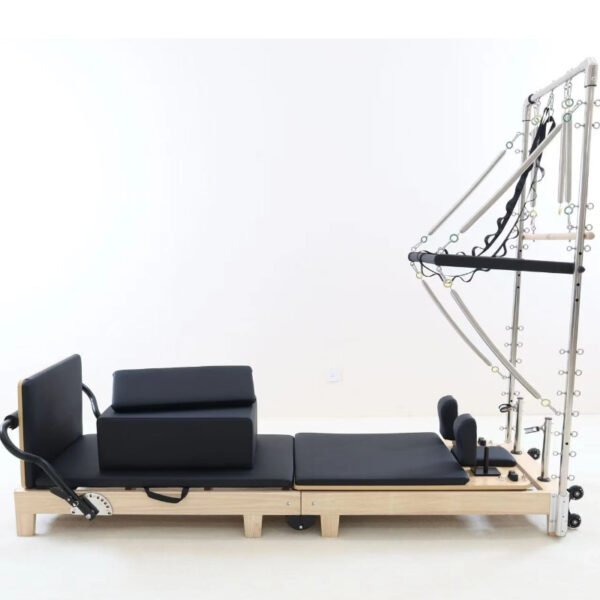
2. Pilates Reformer with Tower
A Reformer with Tower combines a traditional reformer with a vertical frame that adds springs, push-through bars, and additional exercise options.
Compared with a standard reformer, this design allows for:
Greater exercise variety
Assisted stretching
Rehabilitation programs
Upper-body strengthening
Improved spinal mobility
Many boutique studios choose this option because one machine can replace several standalone pieces of equipment.
3. Cadillac Pilates
The Cadillac Pilates is one of the largest pieces of Pilates equipment.
Originally designed for rehabilitation, it includes:
Overhead frame
Hanging straps
Roll-down bars
Push-through bars
Multiple spring attachments
Because of its versatility, the Cadillac is commonly found in rehabilitation clinics and professional studios rather than residential gyms.
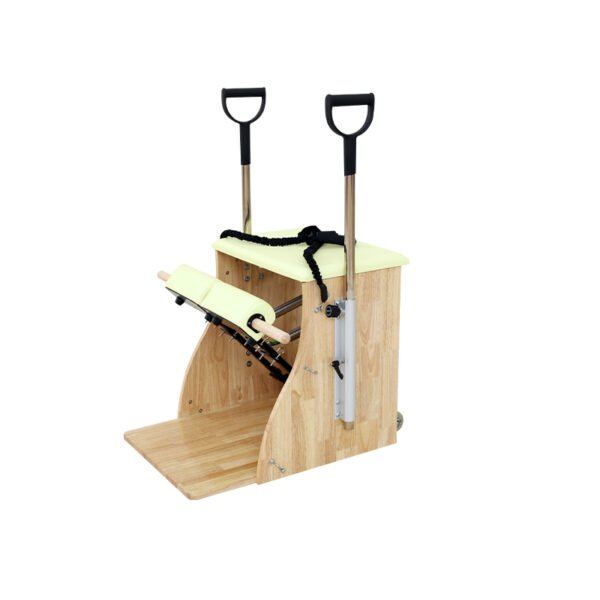
4. Pilates Chair
Despite its compact appearance, the Pilates Chair delivers surprisingly challenging workouts.
It focuses on:
Lower-body strength
Balance
Functional movement
Core control
Single-leg stability
Its small footprint makes it a useful addition to a home gym with limited space.
5. Ladder Barrel
The Ladder Barrel is primarily used for:
Spinal mobility
Flexibility
Back extension
Shoulder mobility
Athletic stretching
Rather than serving as a primary workout machine, it complements reformer training.
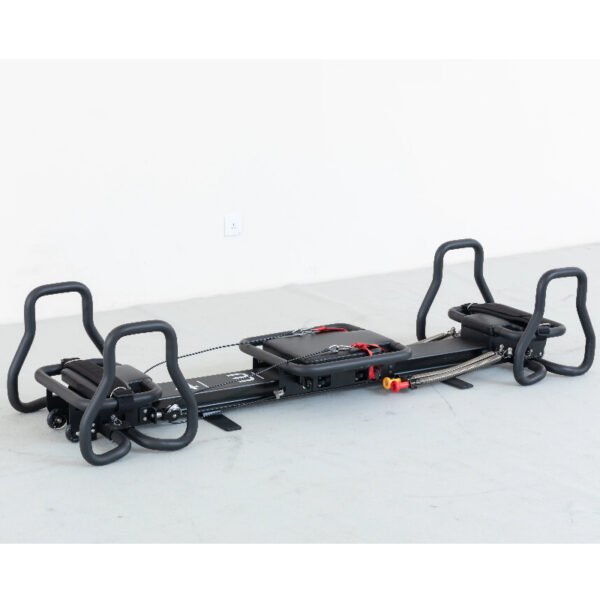
6. Megaformer Pilates Machine
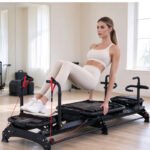
The Megaformer Pilates machine is often confused with a traditional reformer, but the workout experience is quite different.
Developed for high-intensity interval-style resistance training, a Megaformer typically includes:
Longer carriage
More resistance options
Multiple platforms
Slower movement under higher tension
Continuous muscular engagement
Instead of classical Pilates Reformer, Megaformer workouts emphasize muscular endurance, cardiovascular conditioning, and time-under-tension training.
Although both machines share similar designs, they serve different audiences.
Pilates Machine vs. Pilates Reformer Machine: What’s the Difference?
One of the most common questions buyers ask is whether a Pilates machine and a Pilates reformer machine are the same thing.
The answer is both yes and no.
A Pilates reformer machine is one type of Pilates machine—but not every Pilates machine is a reformer.
Here’s a simple comparison.
| Equipment | Best For | Home Use | Beginner Friendly |
| Pilates Reformer | Full-body training | Excellent | Yes |
| Reformer with Tower | Home & Studio | Very Good | Yes |
| Cadillac | Rehabilitation | Limited | Moderate |
| Pilates Chair | Strength & Balance | Excellent | Moderate |
| Ladder Barrel | Flexibility | Good | Moderate |
| Megaformer Pilates Machine | High-intensity fitness | Limited | Best after learning proper technique |
For most consumers, investing in a quality Pilates reformer machine provides the broadest range of exercises while requiring less space than purchasing multiple machines.
Why Are Pilates Machines More Popular Than Ever?
The popularity of Pilates has grown steadily over the past decade, but several recent trends have accelerated demand for Pilates fitness machines.
More People Are Working Out at Home
Flexible work schedules have encouraged many people to build dedicated home gyms.
Rather than commuting to a fitness center several times a week, many users now prefer equipment that allows them to exercise whenever it fits their schedule.
A well-designed Pilates machine for home offers a full-body workout without requiring multiple pieces of equipment.
Low-Impact Exercise Appeals to More Age Groups
Unlike high-impact sports that place repeated stress on joints, reformer Pilates provides adjustable resistance with controlled movement.
This makes it attractive for:
Younger adults seeking strength and mobility
Busy professionals dealing with poor posture
Older adults looking to maintain balance and functional fitness
Athletes incorporating recovery sessions into their training
For example, someone who spends eight hours a day at a desk may notice improved posture and reduced stiffness after several weeks of consistent reformer training, especially when exercises focus on core stability and spinal alignment.
Studios Continue to Expand Their Services
Many Pilates studios are also broadening their offerings by incorporating reformers, Towers, Chairs, and even Megaformer Pilates machines to serve different client goals.
Rather than relying on one class format, studios increasingly offer beginner sessions, athletic conditioning, rehabilitation-focused instruction, and small-group classes using different types of equipment.
This flexibility has made commercial Pilates fitness machines an attractive long-term investment for studio owners
Best Pilates Machine for Home: How to Choose the Right Model
A growing number of people are investing in a Pilates machine for home, not only to save on studio memberships but also to enjoy the flexibility of working out on their own schedule. The right machine can provide years of effective training, but the best choice depends on your available space, fitness goals, and budget.
Unlike commercial studios, most home users need equipment that balances performance with practicality. A machine that’s too large may dominate the room, while one that’s too basic may limit your progress after only a few months.
Before you buy a Pilates reformer machine, consider the following factors.
1. Measure Your Available Space First
One of the biggest mistakes first-time buyers make is measuring only the machine itself.
A reformer needs additional clearance around it so you can safely get on and off, extend your arms and legs during exercises, and adjust accessories comfortably.
As a general guideline:
| Machine Type | Machine Size | Recommended Workout Space |
| Foldable Pilates Reformer | 85–95 in × 22–28 in | Approximately 8 ft × 4 ft |
| Standard Home Reformer | 90–100 in × 24–30 in | Approximately 10 ft × 5 ft |
| Commercial Pilates Reformer | 95–105 in × 27–30 in | Approximately 11 ft × 6 ft |
| Reformer with Tower | Similar footprint with added height | At least 8–9 ft ceiling height |
Many manufacturers list only the product dimensions, but the workout area is equally important. Leaving at least 20–24 inches (50–60 cm) of clearance on each side and additional space at both ends allows for a more comfortable exercise experience.
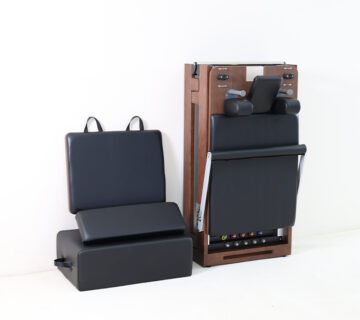
If your home gym doubles as a guest room or office, a foldable reformer can be an excellent solution. Many modern designs stand upright or slide under a bed when not in use, helping maximize floor space without sacrificing workout quality.
2. Think About Your Fitness Goals
Not every Pilates machine is designed for the same type of training.
Ask yourself:
Are you primarily interested in improving posture?
Do you want full-body strength training?
Are you recovering from an injury with professional guidance?
Are you training for athletic performance?
For general fitness, a standard Pilates reformer machine offers the greatest versatility. It supports everything from beginner core exercises to advanced strength and mobility work.
If your goal is intense muscular endurance with minimal rest between movements, a Megaformer Pilates machine may be more appropriate. However, beginners often find a traditional reformer easier to learn because movements emphasize precision and control rather than continuous high-intensity effort.
3. Choose High-Quality Materials
The frame material directly affects stability, longevity, and maintenance requirements.
Common options include:
Aluminum Alloy
Advantages:
Lightweight
Rust resistant
Excellent structural strength
Minimal maintenance
Smooth carriage movement
Aluminum pilates reformer have become increasingly popular for both home and commercial use because they combine durability with a modern appearance.
Hardwood
Premium hardwood frames, often made from maple or oak, provide:
Outstanding stability
Elegant furniture-quality appearance
Long service life
Excellent vibration absorption
Many boutique Pilates studios choose hardwood reformers because they complement upscale interior designs while standing up to years of daily use.
4. Evaluate the Spring System
The springs determine how resistance feels during every exercise.
A quality reformer typically includes:
Four to six color-coded springs
Multiple resistance levels
Smooth transitions
Durable steel construction
Having several resistance options allows the same machine to accommodate beginners, experienced practitioners, and even multiple family members with different fitness levels.
5. Don’t Overlook Comfort
You’ll likely spend hundreds of hours on your reformer over its lifetime.
Look for features such as:
High-density padding
Adjustable headrest
Comfortable shoulder blocks
Quiet carriage wheels
Non-slip foot bar
Adjustable rope system
These details may seem minor in a showroom, but they significantly affect comfort during longer workouts.
6. Consider Warranty and Customer Support
A quality Pilates machine is a long-term investment.
Reputable manufacturers often provide:
Structural frame warranties
Spring replacement support
Replacement parts availability
Technical assistance
Assembly guidance
Reliable after-sales service becomes especially important for commercial studios, where equipment downtime can interrupt scheduled classes.
How Much Space Do You Need for a Pilates Machine?
One of the most frequently searched questions online is:
“How much space do I need for a Pilates reformer?”
The answer depends on the type of machine, but there are several practical guidelines that work for most homes.
While the reformer itself typically measures around 8 feet long, you’ll also need space to move freely around the machine.
A comfortable setup usually includes:
Approximately 24 inches behind the machine
Around 20–24 inches on each side
Enough room at the front to stand comfortably
If you’re planning to perform exercises beside the reformer or use accessories such as a jump board or box, allowing a little extra clearance makes the experience much more enjoyable.
Sample Room Sizes
| Room Size | Recommended Equipment |
| Small Apartment | Foldable Pilates Machine |
| Spare Bedroom | Standard Home Reformer |
| Dedicated Home Gym | Full-Length Reformer |
| Commercial Studio | Multiple Commercial Reformers |
If ceiling height is limited, avoid purchasing a Reformer with Tower unless you have sufficient vertical clearance.
A useful tip from experienced instructors is to tape the machine’s dimensions on your floor before purchasing. Walking around that outline for a few days provides a realistic sense of how the equipment will fit into your space.
Pilates Reformer Machine vs. Megaformer Pilates Machine
Although these machines look similar, they create very different workout experiences.
| Feature | Pilates Reformer Machine | Megaformer Pilates Machine |
| Training Style | Classical Pilates | High-intensity resistance training |
| Workout Pace | Slow and controlled | Slow under constant tension with minimal rest |
| Primary Goal | Core strength, posture, flexibility | Strength endurance and muscular conditioning |
| Resistance | Spring-based | Heavier spring resistance |
| Beginner Friendly | Excellent | Moderate |
| Learning Curve | Easy to moderate | More challenging |
| Typical Location | Homes and Pilates studios | Specialized Lagree studios |
| Exercise Variety | Hundreds of Pilates exercises | Lagree-specific movements |
For most households, a Pilates reformer machine offers greater versatility and is easier to integrate into a long-term fitness routine.
A Megaformer Pilates machine is better suited to users who specifically enjoy high-intensity, low-impact workouts and have access to qualified instruction.
How Much Does a Pilates Machine Cost in 2026?
Prices vary considerably depending on materials, features, and intended use.
| Machine Category | Typical Price Range (USD) | Best For |
| Entry-Level Home Reformer | $700–$1,200 | Beginners |
| Mid-Range Home Reformer | $1,500–$3,000 | Most home users |
| Premium Wood Reformer | $3,000–$4,500 | Luxury home gyms |
| Commercial Pilates Reformer | $3,500–$6,000+ | Professional studios |
| Reformer with Tower | $4,000–$7,000 | Studios & rehabilitation |
| Megaformer Pilates Machine | $8,000+ | Boutique fitness studios |
While lower-priced models may seem appealing, it’s worth considering the long-term value. A well-built reformer can last for many years with proper maintenance, making it a worthwhile investment for those who practice Pilates regularly.
For studio owners, commercial-grade machines often offer a lower total cost of ownership over time thanks to their durability, serviceability, and longer warranties.
Real-World Buying Scenario
Imagine two buyers:
Sarah, a marketing manager working from home, wants to improve her posture and reduce lower back discomfort caused by long hours at a desk. She has a spare bedroom measuring approximately 10 × 11 feet. A foldable aluminum Pilates machine for home gives her enough workout space while allowing the room to remain multifunctional.
Michael, who is opening a boutique Pilates studio, expects multiple classes every day. He needs commercial reformers with heavy-duty rails, durable upholstery, replaceable parts, and a manufacturer capable of providing ongoing support as his business grows. In his case, investing in commercial-grade equipment offers better long-term value than choosing residential models.
These examples highlight an important point: the “best” Pilates machine depends on how and where it will be used—not simply on price.
Where to Buy a Pilates Reformer Machine
Once you’ve decided which type of Pilates machine best fits your needs, the next step is choosing a reliable supplier. While there are countless options available online, not all manufacturers offer the same level of quality, support, or long-term value.
Whether you’re purchasing a single Pilates machine for home or outfitting an entire studio, consider the following purchasing channels.
Buy Directly from the Manufacturer
Buying directly from a manufacturer often provides the best overall value, particularly for commercial buyers.
Advantages include:
Factory-direct pricing
Product customization
Better warranty support
Replacement parts availability
Direct technical assistance
Bulk purchase discounts
For studio owners, working directly with a manufacturer also simplifies future expansion. Matching upholstery, springs, accessories, and replacement parts are typically easier to source than when buying through third-party retailers.
Purchase from Authorized Dealers
If you’re buying a single reformer for home use, authorized dealers are another excellent option.
Look for retailers that offer:
Professional assembly services
Product demonstrations
Financing options
Local customer support
Verified customer reviews
Avoid purchasing from sellers that provide little information about warranty coverage or replacement parts.
What Should You Look for Before You Buy a Pilates Reformer Machine?
Many first-time buyers focus almost entirely on price, but the initial cost is only one part of the overall investment.
Before you buy a Pilates reformer machine, evaluate these key factors:
Build Quality
A well-constructed reformer should feel solid during every movement. Check for:
Precision-engineered rails
Reinforced frame construction
High-quality upholstery
Durable carriage wheels
Commercial-grade springs
Weight Capacity
Always choose a machine that comfortably exceeds the expected user weight.
Higher weight capacities generally indicate stronger structural engineering and improved long-term durability.
Expandability
Can the machine grow with your training?
Some reformers support optional accessories such as:
Jump boards
Sitting boxes
Platform extenders
Towers
Mat conversion kits
These additions expand exercise variety without requiring another machine.
After-Sales Service
Eventually, every reformer will require maintenance.
Choose suppliers that provide:
Readily available replacement springs
Spare wheels
Upholstery replacement
Technical documentation
Responsive customer support
Reliable after-sales service often becomes more valuable than small differences in purchase price.
Why Professional Studios Choose Commercial Pilates Machines
Commercial studios operate under very different conditions than home users.
A residential reformer may be used three or four times each week.
A studio reformer could easily be used eight to ten hours every day.
Because of this, commercial equipment should prioritize:
Heavy-duty aluminum or hardwood construction
Commercial-grade bearings
High-density upholstery
Smooth dual-track systems
Long-term structural durability
Easy maintenance
Replaceable wear components
Many studio owners also value manufacturers that offer OEM and private-label services, allowing them to create a consistent brand identity across multiple locations.
At Core Flow, for example, commercial reformers are designed with durable aluminum dual-track systems, precision-engineered components, and customizable branding options for Pilates studios, distributors, and fitness businesses worldwide. Studio packages can also include complementary equipment such as Reformers with Towers, Chairs, Barrels, and Cadillac systems, helping businesses build a complete Pilates training environment from a single supplier.
Common Mistakes to Avoid When Buying a Pilates Machine
Choosing the right Pilates machine is a significant investment. Avoiding these common mistakes can save both money and frustration.
Buying Based Only on Price
An inexpensive reformer may seem attractive initially, but lower-quality materials often wear more quickly, resulting in higher maintenance costs over time.
Instead of focusing solely on purchase price, consider durability, warranty, and expected service life.
Ignoring Room Dimensions
Some buyers discover after delivery that they cannot comfortably perform exercises around the machine.
Always measure both:
Machine dimensions
Recommended workout space
Taking a few minutes to plan your layout can prevent costly returns.
Choosing the Wrong Machine Type
Not everyone needs a Megaformer Pilates machine.
If your goal is improving posture, flexibility, and overall strength, a traditional Pilates reformer machine is usually the better starting point.
Conversely, if you’re opening a boutique fitness studio centered on high-intensity classes, a Megaformer may better match your business model.
Overlooking Warranty Coverage
A comprehensive warranty reflects a manufacturer’s confidence in its products.
Look for coverage on:
Structural frame
Springs
Carriage system
Wheels
Upholstery
Understanding what is—and isn’t—included can help you make a more informed purchasing decision.
How to Maintain Your Pilates Machine
Regular maintenance helps extend the life of your investment while ensuring smooth, safe operation.
Fortunately, most Pilates fitness machines require only simple routine care.
Daily
Wipe upholstery after each workout
Remove dust from rails
Inspect ropes and straps
Weekly
Clean carriage tracks
Check spring connections
Tighten visible hardware if needed
Monthly
Inspect wheels for wear
Check alignment
Examine pulleys for smooth movement
Annually
Depending on usage frequency, consider replacing springs according to the manufacturer’s recommendations.
Commercial studios should schedule more frequent inspections because equipment experiences significantly heavier use than residential machines.
With proper care, a premium reformer can provide many years of reliable performance.
Expert Tips for Choosing the Best Pilates Machine
After comparing hundreds of reformers across home and commercial categories, several purchasing principles consistently stand out.
Buy for the Next Five Years, Not the Next Five Months
Many beginners underestimate how quickly their skills improve.
Choosing a machine with adjustable resistance and expansion options allows it to grow alongside your abilities.
Prioritize Stability
A heavier, well-engineered reformer often provides smoother movement and greater confidence during advanced exercises.
Consider Noise Levels
For apartments and shared living spaces, quiet carriage wheels and precision bearings make workouts more enjoyable for everyone.
Think Beyond Today’s Workout
The best Pilates machine for home isn’t necessarily the one with the lowest price—it’s the one you’ll still enjoy using several years from now.
Comfort, smooth movement, and reliable construction all contribute to long-term satisfaction.
Is a Pilates Machine Worth the Investment?
For many people, the answer is yes.
Consider this example.
Suppose a local reformer Pilates class costs $35 per session.
Attending just two classes each week totals approximately:
$70 per week
$280 per month
More than $3,300 per year
For individuals who practice consistently, purchasing a high-quality Pilates reformer machine can become cost-effective over time while offering additional benefits such as:
Flexible scheduling
Greater privacy
Unlimited practice
Family use
No commuting
For studio owners, commercial reformers represent the foundation of a long-term business investment, helping deliver consistent client experiences while supporting years of daily operation.
Conclusion
Finding the best Pilates machine isn’t about choosing the most expensive model—it’s about selecting equipment that aligns with your goals, available space, and long-term training plans.
For most individuals, a Pilates reformer machine remains the most versatile choice. It supports hundreds of exercises, accommodates all experience levels, and delivers an effective full-body workout that emphasizes strength, flexibility, posture, and core stability.
If your priority is creating a functional home gym, a foldable or compact Pilates machine for home can provide exceptional convenience without sacrificing performance.
For commercial studios, investing in durable, professional-grade Pilates fitness machines with dependable after-sales support helps ensure reliable performance for years to come.
Finally, before you buy a Pilates reformer machine, take the time to compare build quality, available space, warranty coverage, and long-term service options. A thoughtful purchase today can support countless workouts tomorrow.
FAQS
1. What is the best Pilates machine for beginners?
A standard Pilates reformer machine with adjustable spring resistance is generally the best option for beginners because it offers excellent versatility and allows exercises to progress as skills improve.
2. Is a Pilates reformer machine worth buying for home use?
If you practice Pilates regularly, owning a Pilates machine for home can provide long-term value by eliminating travel time, offering flexible workouts, and reducing ongoing class expenses.
3. What’s the difference between a Pilates reformer machine and a Megaformer Pilates machine?
A reformer focuses on traditional Pilates principles, emphasizing controlled movement, alignment, flexibility, and core strength. A Megaformer Pilates machine supports higher-intensity, endurance-focused workouts with greater resistance and continuous muscular engagement.
4. How much space do I need for a Pilates machine?
Most home reformers require a workout area of approximately 10 × 5 feet, while foldable models can fit comfortably in smaller spaces.
5. How long does a Pilates reformer machine last?
A well-built reformer can last well over a decade with proper maintenance. Commercial machines designed for heavy daily use often feature replaceable components that further extend their service life.
6. What should I consider before I buy a Pilates reformer machine?
Focus on build quality, frame material, spring system, warranty, available space, weight capacity, and customer support rather than price alone.
7. Can seniors use Pilates machines safely?
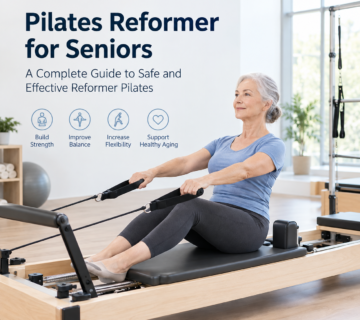
Many seniors use reformers because spring resistance can be adjusted to individual ability levels. Those with medical conditions should consult a healthcare professional before beginning any new exercise program.
8. Which frame material is better: aluminum or wood?
Both are excellent choices. Aluminum is lightweight, corrosion-resistant, and easy to maintain, while hardwood offers a premium appearance and exceptional stability.
9. Can Pilates help improve posture?
Yes. Regular reformer training strengthens the muscles that support the spine and encourages better body alignment, which may contribute to improved posture over time when combined with proper technique.
10. Are Pilates fitness machines suitable for commercial studios?
Absolutely. Commercial-grade Pilates fitness machines are specifically engineered for frequent daily use and are widely used in Pilates studios, rehabilitation clinics, wellness centers, and fitness clubs.
11. Where is the best place to buy a Pilates reformer machine?
For long-term value, purchasing directly from a reputable manufacturer or an authorized dealer often provides better warranty support, replacement parts, and customer service than generic online marketplaces.
12. Can I lose weight using a Pilates machine?
A Pilates machine can support weight management by building lean muscle, improving overall fitness, and increasing activity levels. Results depend on factors such as workout consistency, nutrition, and overall lifestyle.

No comment