

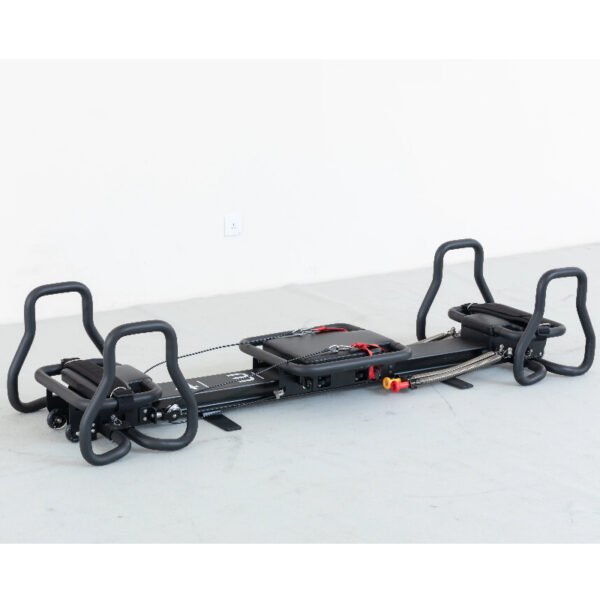






As Lagree-style fitness continues gaining popularity across North America, studio owners and equipment buyers are increasingly comparing two well-known machines: the Xformer and the Megaformer.
At first glance, these machines appear very similar. Both use spring resistance, moving carriages, and slow, controlled movements designed to challenge strength, endurance, and core stability. However, when making a commercial investment, the differences between the two can significantly affect training outcomes, maintenance costs, instructor education, and long-term profitability.
If you’re researching xformer vs megaformer, opening a new boutique fitness studio, or exploring alternatives to traditional Pilates reformers, understanding how these machines compare can help you make a more informed purchasing decision.
In this guide, we’ll break down the design, functionality, costs, and practical applications of each machine while examining which option may be the better fit for modern fitness facilities.
What Is an Xformer in the Pilates Equipment Industry?
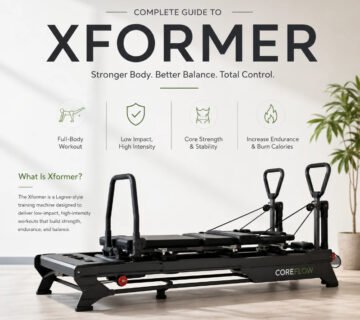
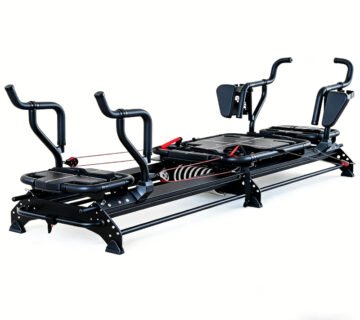
The Xformer machine is a resistance-based training apparatus developed to support high-intensity, low-impact workouts inspired by the Lagree methodology.
Like traditional reformers, the machine features a sliding carriage and spring-loaded resistance system. However, the design places greater emphasis on muscular endurance, time under tension, and full-body conditioning rather than classical Pilates principles.
Many boutique studios appreciate the Xformer because it offers:
- Adjustable spring resistance
- Dynamic movement patterns
- Compact commercial footprint
- Challenging strength-focused programming
- Lower-impact training suitable for various fitness levels
The modern xformer pilates machine often incorporates ergonomic updates, smoother carriage systems, and user-friendly adjustments designed for high-volume commercial environments.
In practical use, studio operators frequently report that new members adapt quickly to Xformer workouts due to the machine’s intuitive platform design and straightforward spring setup.
For fitness entrepreneurs entering the Lagree-inspired market, the Xformer is often considered a flexible option that balances performance and operational efficiency.
What Is a Megaformer and Why Is It Widely Used in Studios?
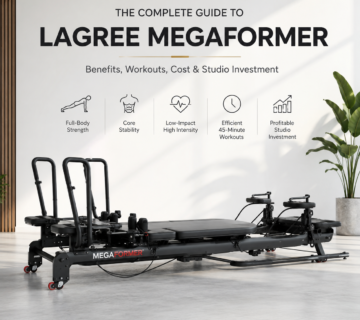
The Megaformer was created by fitness entrepreneur and inventor Sebastien Lagree as the primary machine used within the Lagree training system.
Today, the lagree megaformer remains one of the most recognizable pieces of equipment in boutique fitness.
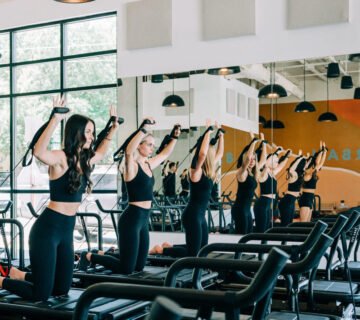
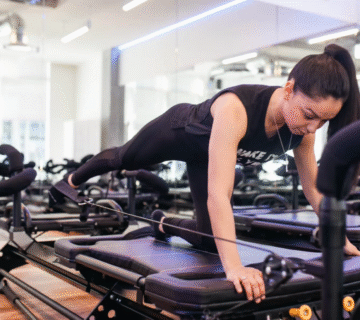
Unlike traditional Pilates reformers, Megaformer workouts emphasize:
- Continuous muscular tension
- Slow movement tempo
- Minimal momentum
- Full-body strength development
- Cardiovascular conditioning
Many consumers mistakenly refer to these workouts as megaformer pilates, although Lagree training and classical Pilates are considered separate exercise systems.
One of the most widely recognized models is the m3 megaformer, which helped establish the machine’s popularity among boutique fitness studios. Later generations introduced design enhancements such as larger platforms, improved carriage mechanics, and more exercise variations.
According to information published by the Lagree Fitness Official Website, Lagree workouts are designed to combine strength, endurance, balance, flexibility, and core training into a single workout format.
For many premium studios, the Megaformer has become both a training tool and a brand differentiator.
-
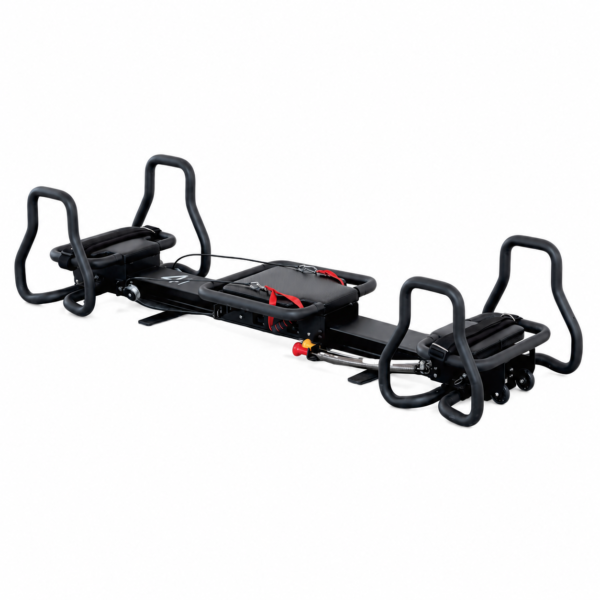
Lagree Pilates Machine | Aluminum Alloy Lagree Micro for Studio & Home
-
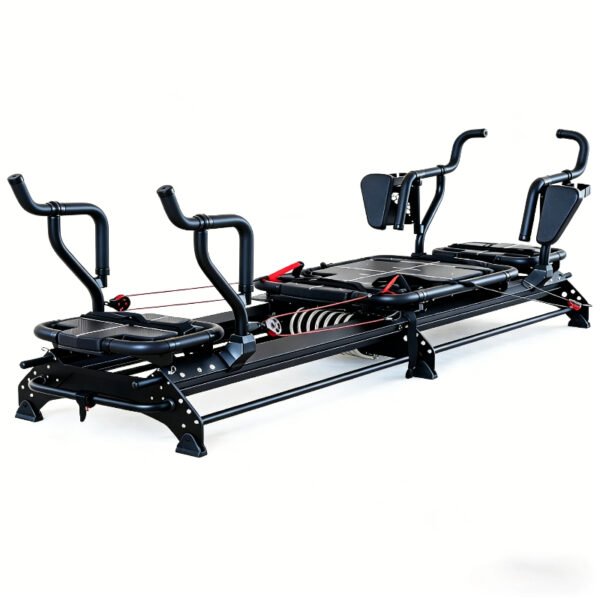
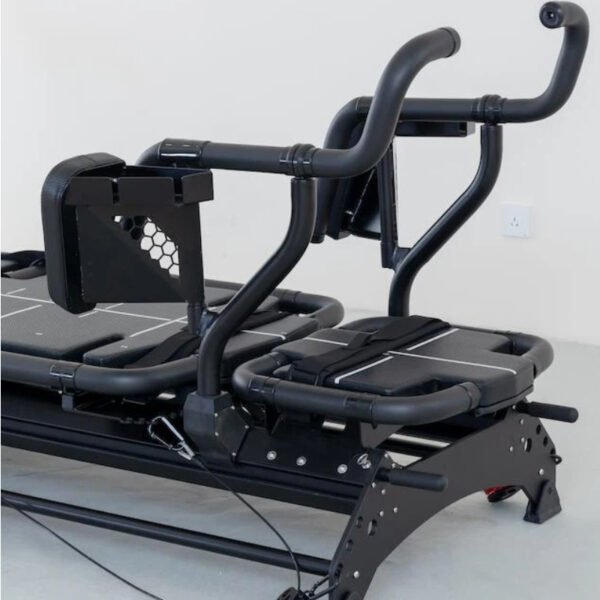
Lagree Megaformer M3K+ | Aluminum Pilates Reformer
Xformer vs Megaformer: Key Structural and Functional Differences
Although the two machines share similar concepts, important differences exist in design philosophy, user experience, and commercial application.
Comparison Table
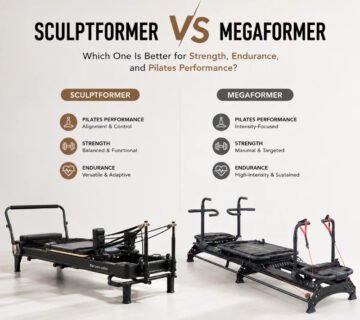
| Feature | Xformer | Megaformer |
|---|---|---|
| Training Style | Lagree-inspired resistance training | Official Lagree Method training |
| Learning Curve | Moderate | Moderate to Advanced |
| Equipment Cost | Generally lower | Generally higher |
| Studio Licensing Requirements | Usually none | May involve Lagree-related requirements |
| Maintenance Complexity | Relatively straightforward | More specialized components |
| Brand Recognition | Growing | Established global recognition |
| Exercise Variety | Extensive | Extensive |
| Commercial Scalability | High | High |
Design and Mechanics
The Megaformer is engineered specifically around the Lagree methodology. Every platform, handle, and carriage movement is optimized for the workout sequences developed by Lagree Fitness.
The Xformer takes a broader approach, incorporating similar resistance principles while allowing studios greater flexibility in programming.
User Experience
In real-world studio settings, instructors often report that first-time clients focus less on machine branding and more on workout quality.
Members generally notice:
- Smooth carriage movement
- Stability during transitions
- Resistance consistency
- Exercise variety
When these factors are properly delivered, overall satisfaction remains high regardless of machine choice.
Commercial Flexibility
One advantage frequently cited by studio owners is the ability to customize programming on Xformer-style equipment without being tied to a specific training framework.
Meanwhile, studios built around official Lagree branding may prefer the Megaformer because it aligns directly with the established methodology and consumer expectations.
Which Machine Is Better for Pilates Studios and Gym Owners?
The answer largely depends on your business model.
Choose an Xformer If:
- You want greater programming flexibility.
- You plan to blend Pilates, strength training, and functional fitness.
- Budget efficiency is a major consideration.
- You operate multiple locations and need scalable equipment solutions.
Choose a Megaformer If:
- You are building a dedicated Lagree studio.
- Brand recognition is important in your local market.
- You want to market official Lagree-style training.
- Your instructors already have Lagree-specific experience.
A growing number of fitness operators are also evaluating alternative commercial reformers that deliver similar training benefits while providing more customization opportunities and factory-direct pricing.
For equipment distributors and studio developers, evaluating supplier support, warranty coverage, and replacement-part availability can be just as important as the machine itself.
Xformer vs Megaformer: Cost, Durability, and Manufacturer Considerations
For many buyers, cost is one of the deciding factors when comparing xformer vs megaformer.
Cost Comparison
While prices vary by model, configuration, and region, prospective buyers frequently search:
“how much is a lagree megaformer?”
Commercial-grade Megaformers can represent a significant investment, particularly when equipping an entire studio. Costs may also include shipping, instructor education, and ongoing maintenance.
Similarly, searches for megaformer for sale often reveal a limited secondary market due to strong demand and relatively low turnover among successful studios.
Durability Factors
When evaluating any commercial Pilates equipment, buyers should consider:
- Frame construction quality
- Aluminum versus steel components
- Carriage bearing systems
- Upholstery durability
- Spring lifespan
- Availability of replacement parts
Choosing the Right Manufacturer
Industry experience suggests that long-term equipment success often depends on the manufacturer rather than the machine category alone.
Before purchasing, consider:
| Evaluation Factor | Why It Matters |
|---|---|
| Manufacturing Experience | Consistency and quality control |
| Warranty Coverage | Reduced ownership risk |
| OEM/ODM Capabilities | Branding flexibility |
| Parts Availability | Faster repairs |
| Customer Support | Improved operational uptime |
| Production Capacity | Reliable studio expansion |
For commercial buyers planning multiple studio locations, partnering directly with an experienced Pilates equipment manufacturer can sometimes provide greater value than focusing solely on a specific machine brand.
Conclusion
The debate surrounding xformer vs megaformer is less about determining a universally “better” machine and more about finding the right fit for your business goals.
The Megaformer offers strong brand recognition and direct alignment with the Lagree methodology, making it attractive for studios seeking an established training identity.
The Xformer provides flexibility, scalability, and often a more adaptable platform for operators who want to create their own programming and control equipment costs.
Ultimately, successful studios are built on more than equipment alone. Instructor expertise, member experience, facility design, and equipment reliability all contribute to long-term growth.
For studio owners, distributors, and commercial buyers, evaluating the complete ownership experience—from manufacturing quality to after-sales support—will usually produce the best investment outcome.
FAQs
What is the main difference between Xformer and Megaformer machines?
The primary difference is that the Megaformer was specifically designed for the Lagree Method, while the Xformer uses similar resistance-training principles but often provides greater programming flexibility and broader commercial applications.
Which equipment is more suitable for commercial Pilates studios?
It depends on the studio’s positioning. Dedicated Lagree studios may benefit from Megaformer equipment, while multi-disciplinary fitness studios often prefer Xformer-style machines due to their versatility and cost efficiency.
What factors should buyers consider when choosing a Pilates reformer manufacturer?
Buyers should evaluate manufacturing experience, quality certifications, warranty coverage, spare-part availability, customization capabilities, production capacity, and after-sales support. These factors often have a greater impact on long-term return on investment than the machine model alone.

No comment