
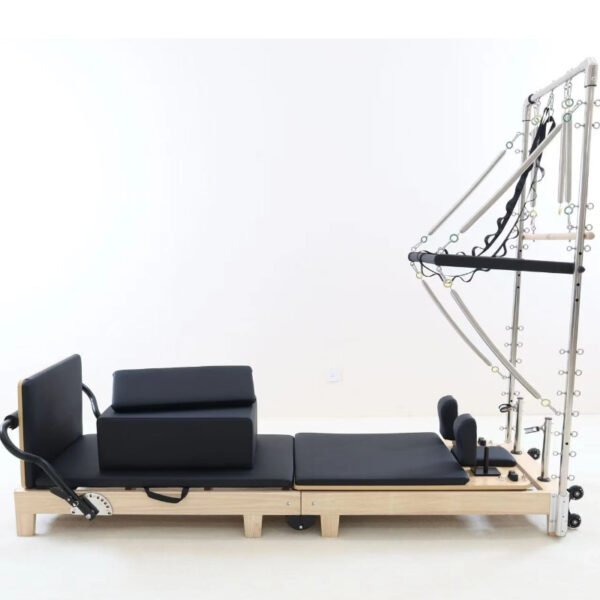
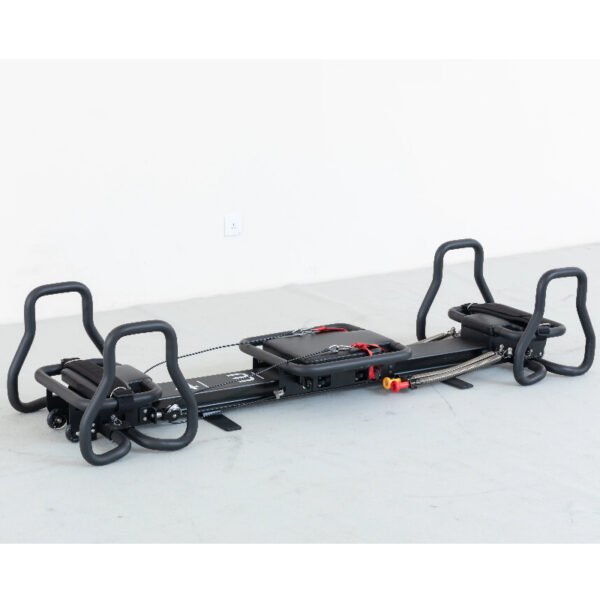






The boutique fitness industry has experienced remarkable growth over the past decade, with consumers increasingly seeking workouts that combine strength training, cardiovascular conditioning, and functional movement without placing excessive stress on the joints. Among the equipment driving this trend, the Xformer has become one of the most talked-about machines in Lagree-inspired studios.
If you’ve searched “what is Xformer”, you’ve probably noticed comparisons with the Megaformer and traditional Pilates Reformers. Although these machines share some similarities, they are designed for different training experiences and fitness goals.
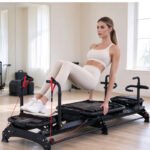
An Xformer Pilates machine is engineered to deliver a high-intensity, low-impact workout that emphasizes slow, controlled movement, continuous muscle engagement, and progressive resistance. Unlike conventional gym equipment that often isolates individual muscles, the Xformer encourages multiple muscle groups to work together, improving strength, balance, coordination, and endurance in a single session.
Whether you’re a fitness enthusiast looking for a new challenge, someone returning to exercise after an injury, or a Pilates studio owner researching commercial equipment, understanding how the Xformer works can help you determine whether it’s the right investment.
In this guide, you’ll learn:
What the Xformer is and how it works
The history behind its development
The differences between Xformer, Megaformer, and Pilates Reformers
The benefits of Xformer training
Who it’s best suited for
What to consider before purchasing one
What Is Xformer?
The Xformer is a specialized resistance training machine developed for Lagree-style workouts, a fitness method that combines elements of strength training, muscular endurance, cardiovascular conditioning, flexibility, and core stability.
Unlike traditional Pilates equipment, the Xformer is specifically designed to maximize time under tension (TUT)—a proven training principle that keeps muscles working continuously throughout each movement rather than relying on momentum.
At first glance, the machine resembles a Pilates Reformer because both feature a sliding carriage and adjustable springs. However, the workout experience is significantly different.
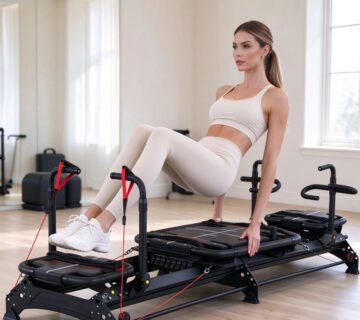
During an Xformer workout, users perform slow, controlled movements while the carriage glides against spring resistance. Because the carriage is intentionally unstable, nearly every exercise requires continuous activation of the core and stabilizing muscles.
Instead of emphasizing flexibility or rehabilitation, as many traditional Pilates classes do, Xformer workouts focus on:
Building lean muscle
Improving muscular endurance
Increasing core strength
Enhancing balance and stability
Raising heart rate without high-impact jumping
This combination allows participants to perform a full-body workout in approximately 40–50 minutes while minimizing stress on the knees, hips, ankles, and lower back.
One of the reasons the Xformer Pilates machine has gained popularity among boutique fitness studios is its ability to accommodate users with different experience levels. Spring resistance can be adjusted for beginners, while advanced users can challenge themselves with slower tempos, increased instability, and more demanding exercise variations.
How Does the Xformer Pilates Machine Work?
The effectiveness of the Xformer comes from its unique combination of mechanical design and movement principles rather than simply adding heavier resistance.
Its primary components include:
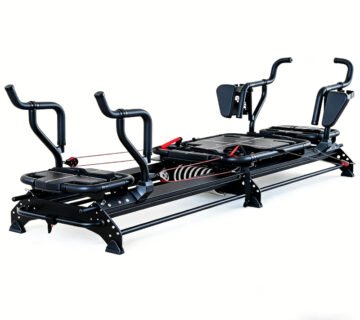
A moving carriage
Adjustable resistance springs
Front and rear platforms
Handlebars
Foot straps
Shoulder blocks
Stable support rails
Unlike conventional weight machines, resistance on the Xformer changes throughout each movement because the spring tension continuously interacts with body position and leverage.
The Science Behind Xformer Training
Instead of performing fast repetitions, users are encouraged to move slowly—often taking four seconds to push and another four seconds to return.
This slow tempo creates:
Continuous muscle contraction
Increased metabolic stress
Greater muscle fiber recruitment
Improved neuromuscular control
Sports scientists commonly refer to this principle as Time Under Tension (TUT), which has been widely studied as an effective strategy for developing muscular endurance and strength when paired with progressive overload.
Rather than isolating one muscle group, nearly every Xformer exercise activates multiple areas simultaneously.
For example, a simple reverse lunge may involve:
Glutes
Quadriceps
Hamstrings
Core stabilizers
Hip abductors
Calves
Shoulders
Grip strength
Because users are constantly balancing on the moving carriage, even small stabilizing muscles become highly engaged.
Why Low Impact Doesn’t Mean Easy
Many beginners assume low-impact exercise is synonymous with low intensity.
The Xformer proves otherwise.
Although there’s no jumping or heavy external weights, the slow movement speed significantly increases muscular fatigue.
Participants often experience:
Trembling muscles
Elevated heart rate
Increased calorie expenditure
Significant post-workout muscle fatigue
without the repetitive joint impact commonly associated with running or plyometric training.
This makes Xformer training particularly attractive for individuals who want challenging workouts while protecting their joints.
Where Did the Xformer Come From?
The rise of boutique fitness created demand for equipment that could deliver challenging full-body workouts while fitting into increasingly compact studio spaces.
Although the Megaformer revolutionized the Lagree fitness industry, many studio owners found early models large, heavy, and expensive to purchase, transport, and maintain.
To address these challenges, manufacturers introduced the Xformer as a more compact alternative.
The primary objectives behind its development included:
Reducing overall machine footprint
Lowering transportation costs
Simplifying maintenance
Improving accessibility for beginners
Allowing studios to fit more machines into limited floor space
Rather than completely redesigning the Lagree workout philosophy, the Xformer preserved its defining characteristics:
Continuous resistance
Slow movement
Core engagement
Full-body muscular endurance
Low-impact exercise
while offering a machine that was easier to install and manage.
Today, Xformer-style equipment can be found in:
Boutique fitness studios
Pilates centers
Functional training gyms
Personal training facilities
Premium home gyms
As demand for low-impact strength training continues to grow, many equipment manufacturers have also introduced commercial alternatives inspired by the original Xformer concept, giving studio owners more options based on budget, available space, and business needs.
Why Is the Xformer Becoming So Popular?
Several industry trends have contributed to the rapid growth of Xformer training.
1. Consumers Want Joint-Friendly Strength Training
More people are looking for workouts that improve strength without placing excessive stress on their joints.
The Xformer delivers challenging resistance training while minimizing impact, making it attractive to adults of various ages and fitness levels.
2. Boutique Fitness Is Expanding
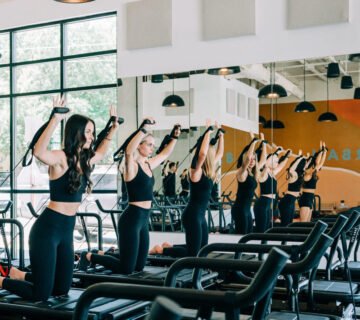
Boutique studios continue to attract members seeking specialized, instructor-led experiences rather than traditional gym workouts. Compact equipment like the Xformer allows studios to maximize class capacity while maintaining a premium training environment.
3. Functional Fitness Is a Priority
Modern fitness programs increasingly emphasize movements that improve everyday performance rather than focusing solely on aesthetics. Xformer workouts train multiple muscle groups simultaneously, helping users develop balance, coordination, stability, and functional strength that can transfer to daily activities.
4. Efficient Full-Body Workouts
Busy professionals often prefer workouts that deliver comprehensive results in less than an hour. A typical Xformer session combines resistance training, core work, and cardiovascular conditioning into a single class, making it an efficient option for those with limited time.
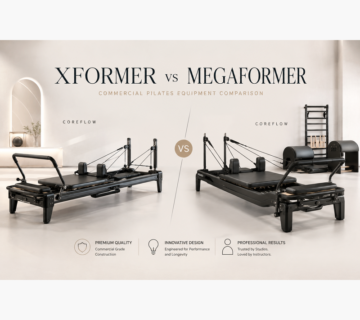
Xformer vs Megaformer: What’s the Difference?
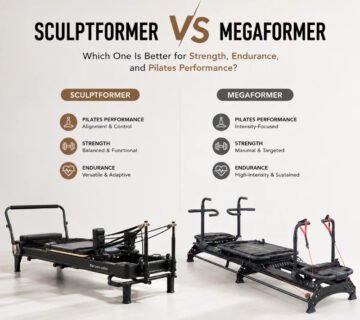
When researching the Xformer, one of the most common questions is how it compares to the Megaformer. Since both machines are used for Lagree-style workouts, they’re often mistaken for being identical. In reality, while they share similar training principles, they differ in size, design, resistance systems, learning curve, and intended users.
Both machines emphasize slow, controlled movements, continuous muscle tension, and low-impact strength training, but each offers a distinct training experience.
For studio owners, understanding these differences is especially important because equipment selection affects class capacity, maintenance costs, and the overall member experience.
Similarities Between Xformer and Megaformer
Both machines are designed to:
Deliver full-body workouts
Combine strength and cardio into one session
Improve core stability
Build muscular endurance
Use spring-based resistance
Minimize joint impact
Support hundreds of exercise variations
Whether using an Xformer or Megaformer, users spend much of the workout balancing on a moving carriage while controlling resistance through slow, precise movements.
This approach increases time under tension, one of the defining characteristics of Lagree training.
Key Differences
Although the training philosophy is similar, several design differences set the two machines apart.
| Feature | Xformer | Megaformer |
| Overall Size | Compact footprint | Larger commercial footprint |
| Weight | Lighter | Heavier |
| Studio Space | Ideal for smaller studios | Requires more floor space |
| Learning Curve | Easier for beginners | Slightly more technical |
| Resistance System | Simplified spring configuration | More resistance combinations |
| Maintenance | Lower maintenance requirements | More moving components |
| Transportation | Easier to ship and install | Higher logistics costs |
| Best For | Mixed-level classes, boutique studios | Advanced Lagree studios |
Training Experience
One noticeable difference is the overall feel of each workout.
The Megaformer generally provides a wider range of movement and greater instability, allowing experienced users to perform highly advanced exercises that demand exceptional control and coordination.
The Xformer, by comparison, delivers a smoother and more approachable experience while still creating significant muscular fatigue. For most users—especially beginners and intermediate participants—the difference in workout effectiveness is relatively small, provided exercises are performed with proper technique and intensity.
Many instructors also appreciate that the Xformer allows new clients to build confidence more quickly, reducing the intimidation that some first-time users feel on larger Lagree machines.
Which Machine Is Better?
Rather than asking which machine is objectively better, it’s more useful to ask which one better matches your goals.
An Xformer may be the better choice if you:
Own a boutique fitness studio with limited space
Teach mixed-level classes
Want lower maintenance costs
Need easier installation and transportation
Serve beginners and intermediate members
A Megaformer may be more suitable if you:
Operate a dedicated Lagree studio
Focus on advanced athletes
Offer highly specialized Lagree programming
Have sufficient studio space and budget
For many commercial studios, the Xformer strikes an excellent balance between performance, accessibility, and operational efficiency.
Xformer vs Traditional Pilates Reformer
Another common misconception is that the Xformer is simply another type of Pilates Reformer.
While they may look similar, they were created for different training philosophies and produce different workout experiences.
Traditional Pilates Reformers were originally developed to improve body awareness, posture, flexibility, controlled movement, and rehabilitation.
The Xformer evolved from the Lagree Method, which combines Pilates-inspired movement with elements of resistance training and muscular endurance.
Major Differences
| Feature | Xformer | Traditional Pilates Reformer |
| Training Style | Lagree-inspired strength training | Classical or contemporary Pilates |
| Workout Intensity | High | Moderate |
| Primary Goal | Strength, endurance, muscle conditioning | Mobility, flexibility, posture |
| Cardio Demand | Moderate to high | Low |
| Resistance | Heavy spring loading | Moderate spring resistance |
| Time Under Tension | Very high | Moderate |
| Core Engagement | Constant | Constant |
| Suitable For | Fitness training | Rehabilitation and Pilates practice |
Workout Focus
A Pilates Reformer class often emphasizes:
Breathing techniques
Controlled movement patterns
Spinal alignment
Flexibility
Balance
Rehabilitation
An Xformer class focuses more on:
Muscle fatigue
Progressive overload
Functional strength
Cardiovascular endurance
Full-body conditioning
Athletic performance
Neither approach is inherently superior—they simply serve different purposes.
Someone recovering from surgery may benefit more from a traditional Pilates program, while someone seeking a challenging full-body workout may prefer the Xformer.
Which Machine Should You Choose?
Your choice depends on your personal goals.
Choose an Xformer if you want to:
Build lean muscle
Improve athletic performance
Burn more calories
Increase muscular endurance
Experience challenging full-body workouts
Choose a Pilates Reformer if you want to:
Improve flexibility
Enhance posture
Recover from injury (under professional guidance)
Learn traditional Pilates techniques
Develop body awareness and controlled movement
For studio owners, many facilities successfully offer both options, allowing members to choose classes based on their fitness objectives.
Benefits of Xformer Training
The growing popularity of the Xformer is driven not only by its innovative design but also by the wide range of physical benefits it offers. By combining resistance training, core activation, balance work, and cardiovascular conditioning, the Xformer provides an efficient full-body workout suitable for a variety of fitness levels.
1. Builds Functional Strength
Unlike traditional weight machines that isolate individual muscles, Xformer exercises require multiple muscle groups to work together.
Movements such as lunges, planks, and presses simultaneously engage the legs, core, shoulders, back, and stabilizing muscles. This integrated approach develops functional strength, making everyday activities—such as lifting, climbing stairs, or carrying groceries—feel easier and more efficient.
2. Improves Core Stability
Nearly every movement on the Xformer requires continuous core engagement to control the moving carriage.
Over time, users often experience:
Better posture
Improved balance
Greater spinal stability
Enhanced body control
A stronger core also supports better movement mechanics during sports and daily activities.
3. Increases Muscular Endurance
The slow, controlled tempo used in Xformer training keeps muscles under tension for extended periods.
Instead of focusing solely on lifting heavier loads, this method challenges muscles to sustain effort over time, helping improve muscular endurance and reduce fatigue during prolonged physical activity.
4. Delivers a Low-Impact Workout
One of the Xformer’s greatest advantages is that it provides a demanding workout without repetitive impact on the joints.
Because movements are smooth and controlled, the knees, hips, and ankles experience less stress than during activities such as running or jumping. This makes the Xformer an appealing option for individuals seeking a joint-friendly way to build strength.
5. Supports Cardiovascular Fitness
Although the Xformer isn’t a traditional cardio machine, continuous full-body movement with minimal rest can elevate heart rate throughout the session.
As a result, participants often improve both muscular endurance and cardiovascular fitness in a single workout, making classes highly time-efficient.
6. Enhances Balance and Coordination
The moving carriage constantly challenges stability, requiring the body to make small adjustments throughout each exercise.
These adjustments help improve:
Balance
Coordination
Joint stability
Neuromuscular control
Such improvements are valuable not only for athletes but also for older adults looking to maintain functional movement and reduce the risk of falls.
7. Suitable for Progressive Training
Whether you’re a beginner or an experienced athlete, the Xformer allows workouts to be adjusted through spring resistance, tempo, range of motion, and exercise complexity.
This scalability enables users to continue progressing as their strength and fitness improve, making the Xformer a long-term training solution rather than equipment that is quickly outgrown.
Who Should Use an Xformer?
One of the biggest strengths of the Xformer is its versatility. By adjusting spring resistance, movement tempo, and exercise complexity, the machine can accommodate a wide range of fitness levels and training goals.
Whether you’re just starting your fitness journey or you’re an experienced athlete looking for a new challenge, the Xformer offers scalable workouts that can evolve with your progress.
Beginners
New exercisers often worry that Lagree-style workouts will be too difficult.
Fortunately, the Xformer is highly adaptable. Instructors can reduce spring resistance, simplify movement patterns, and focus on proper alignment before introducing more advanced exercises.
Because the movements are controlled rather than explosive, beginners have more time to develop balance, coordination, and confidence.
Pilates Enthusiasts
For individuals already familiar with Pilates, the Xformer provides an opportunity to increase workout intensity without abandoning the principles of controlled movement and core engagement.
Many Pilates practitioners enjoy adding Xformer classes to improve:
Muscular endurance
Lower-body strength
Upper-body conditioning
Athletic performance
while maintaining excellent body awareness.
Athletes
Competitive athletes frequently use low-impact resistance training to supplement their primary sport.
The Xformer helps athletes improve:
Core stability
Balance
Joint control
Single-leg strength
Movement efficiency
These qualities can transfer to sports such as running, tennis, golf, skiing, cycling, and team sports.
Busy Professionals
Many people struggle to find time for separate strength and cardio sessions.
A typical 40–50 minute Xformer class combines resistance training, core work, balance exercises, and cardiovascular conditioning into one efficient workout, making it an excellent option for professionals with demanding schedules.
Older Adults
As people age, maintaining muscle mass, balance, and mobility becomes increasingly important.
Because Xformer workouts are low-impact and highly customizable, they can be an effective option for healthy older adults who want to improve strength without excessive joint stress. As with any new exercise program, individuals with medical conditions should consult a healthcare professional before beginning training.
Is an Xformer Right for Pilates Studios?
For studio owners, choosing equipment is about more than workout quality—it also involves maximizing floor space, controlling operating costs, and meeting the needs of diverse clients.
The Xformer addresses many of these considerations, making it an attractive option for boutique fitness businesses.
Efficient Use of Studio Space
Compared with larger Lagree machines, the Xformer typically has a more compact footprint. This allows studios to fit more machines into the same training area while maintaining comfortable spacing between participants.
Greater class capacity can improve scheduling flexibility and increase revenue potential without expanding the studio.
Appeals to a Wider Audience
Many fitness studios serve members with varying levels of experience.
The Xformer is well suited to:
First-time participants
Intermediate exercisers
Experienced fitness enthusiasts
Personal training clients
Small-group classes
This versatility enables studios to offer a broader range of programming without requiring multiple types of specialized equipment.
Lower Maintenance Costs
Commercial fitness equipment experiences heavy daily use.
Machines with simpler mechanical systems can reduce:
Routine servicing
Downtime
Replacement part expenses
Long-term maintenance costs
When evaluating commercial equipment, it’s also worth considering factors such as warranty coverage, availability of replacement parts, and after-sales technical support.
Choosing a Reliable Manufacturer
Not all Xformer-style equipment is built to the same commercial standards.
When selecting equipment for a studio, consider:
Structural durability
Frame materials
Smooth carriage movement
Spring quality
Safety certifications
OEM/ODM customization options
Warranty terms
Manufacturer experience
Technical support and spare parts availability
Working with an experienced commercial Pilates equipment manufacturer can help ensure consistent product quality and long-term operational reliability.
Buying Considerations Before Choosing an Xformer Machine
Before purchasing an Xformer or similar commercial training machine, it’s important to evaluate more than just the initial price.
1. Available Space
Measure your studio or home gym carefully.
In addition to the machine itself, allow adequate clearance around each unit so instructors and users can move safely during dynamic exercises.
2. Intended Users
Ask yourself:
Is the equipment for commercial or home use?
Will beginners be using it?
Will advanced athletes require higher training intensity?
Understanding your primary users helps determine which machine configuration best fits your needs.
3. Build Quality
Look for features such as:
Heavy-duty frame construction
Smooth carriage rails
Durable upholstery
Commercial-grade springs
Anti-slip platforms
Corrosion-resistant finishes
High-quality materials generally provide better long-term durability in busy training environments.
4. Warranty and After-Sales Service
Commercial fitness equipment is a long-term investment.
Before purchasing, review:
Warranty coverage
Replacement part availability
Technical support
Assembly guidance
Shipping arrangements
Reliable after-sales service can significantly reduce downtime and maintenance costs over the life of the equipment.
5. Total Cost of Ownership
The purchase price is only one part of the investment.
Also consider:
Shipping
Installation
Maintenance
Replacement springs
Instructor training
Future expansion plans
Taking a long-term perspective can help you select equipment that delivers better overall value rather than simply choosing the lowest upfront price.
Conclusion
If you’ve been asking “What is Xformer?”, the answer goes beyond simply describing another piece of Pilates equipment.
The Xformer represents a modern approach to low-impact, high-intensity functional fitness. By combining spring-based resistance, slow controlled movement, and continuous muscle engagement, it delivers a workout that develops strength, muscular endurance, balance, and core stability in a single session.
Compared with the Megaformer, the Xformer offers a more compact and accessible solution for many boutique fitness studios while maintaining the key principles of Lagree-style training. Compared with a traditional Pilates Reformer, it places greater emphasis on muscular conditioning and athletic performance, making it an excellent choice for individuals seeking a more challenging fitness experience.
For studio owners, selecting high-quality commercial equipment from a trusted manufacturer is just as important as choosing the right training method. Durable construction, dependable after-sales support, and equipment designed for long-term commercial use can contribute to a better experience for both instructors and clients.
Whether you’re exploring a new workout or planning to equip a professional Pilates studio, understanding the strengths of the Xformer will help you make a more informed decision.
FAQS
1. What is an Xformer used for?
The Xformer is designed for Lagree-inspired workouts that combine strength training, muscular endurance, core stability, and low-impact cardiovascular conditioning. It enables users to perform hundreds of full-body exercises using adjustable spring resistance.
2. Is the Xformer the same as a Megaformer?
No. Although both machines support Lagree-style training, the Xformer is generally more compact and easier to accommodate in boutique studios. The Megaformer often offers a larger footprint and more advanced resistance configurations for experienced users.
3. Is an Xformer suitable for beginners?
Yes. The Xformer can be adapted for beginners by adjusting spring resistance and simplifying exercise variations. Certified instructors can modify workouts to match different fitness levels while maintaining proper technique.
4. What’s the difference between an Xformer and a Pilates Reformer?
A traditional Pilates Reformer primarily focuses on posture, flexibility, rehabilitation, and controlled movement. The Xformer emphasizes strength development, muscular endurance, and high-intensity, low-impact functional training.
5. How many calories can you burn during an Xformer workout?
Calorie expenditure varies depending on workout intensity, body weight, age, and fitness level. Many participants report that a typical 40–50 minute Xformer class provides both significant muscular fatigue and cardiovascular challenge, though individual results will vary.
6. Is the Xformer good for weight loss?
The Xformer can support weight management when combined with a balanced diet and regular exercise. Its combination of resistance training and cardiovascular conditioning helps increase overall energy expenditure while promoting lean muscle development.
7. Can an Xformer be used at home?
Yes, provided there is sufficient space and users receive proper instruction. However, commercial-grade Xformer machines are more commonly found in professional studios because of their size, durability, and advanced features.
8. What should I consider before buying an Xformer Pilates machine?
Consider your available space, intended users, equipment quality, warranty, maintenance requirements, after-sales support, and total cost of ownership. For commercial facilities, partnering with an experienced Pilates equipment manufacturer can help ensure reliable performance and long-term value.

No comment