






One of the most common questions among beginners is: Is Pilates cardio?
The answer isn’t as straightforward as a simple yes or no. Pilates is traditionally known for improving core strength, posture, flexibility, and body control, but many modern Pilates workouts can also elevate your heart rate and contribute to cardiovascular fitness.
As Pilates continues to grow in popularity across fitness studios, rehabilitation centers, and home gyms, many people wonder whether it can replace traditional cardio exercises such as running, cycling, or rowing.
In this guide, we’ll explore how Pilates affects your cardiovascular system, compare Pilates vs cardio, discuss whether Reformer Pilates counts as cardio, and explain how different Pilates equipment can help create a more heart-pumping workout.
Is Pilates Cardio? The Short Answer Explained
The short answer is:
Pilates can be cardio, but it depends on how it is performed.
Traditional Mat Pilates was originally developed by Joseph Pilates to improve strength, flexibility, breathing, and body awareness. While it challenges muscles and coordination, it does not always elevate heart rate enough to qualify as moderate or vigorous cardiovascular exercise.
However, certain forms of Pilates can create a cardio effect:
- Reformer Pilates circuits
- Jump board workouts
- High-intensity Pilates flows
- Pilates chair training
- Fast-paced group Pilates classes
According to the American Heart Association, moderate-intensity cardio exercise generally raises your heart rate to about 50–70% of your maximum heart rate.
Some modern Pilates classes reach this range, especially when exercises are performed continuously with minimal rest.
Therefore, when people ask:
“Is Pilates cardio or strength?”
The most accurate answer is:
Pilates is primarily a strength and mobility practice, but it can also provide cardiovascular benefits depending on workout intensity.
What Makes an Exercise a Cardio Workout?
Cardiovascular exercise (often called aerobic exercise) refers to activities that increase heart rate and breathing for an extended period.
Examples include:
| Exercise | Typical Cardio Intensity |
|---|---|
| Running | High |
| Cycling | Moderate to High |
| Swimming | Moderate to High |
| Rowing | Moderate to High |
| Brisk Walking | Moderate |
| Traditional Pilates | Low to Moderate |
| Jump Board Pilates | Moderate |
Health experts at the Centers for Disease Control and Prevention (CDC) recommend adults get at least 150 minutes of moderate-intensity aerobic activity each week.
An exercise is generally considered cardio when it:
- Elevates heart rate
- Increases oxygen consumption
- Uses large muscle groups continuously
- Sustains movement for several minutes
Traditional Pilates may not always meet these criteria, but advanced Pilates formats often do.
How Does Pilates Improve Cardiovascular Fitness?
Even when Pilates isn’t classified as pure cardio, it can still improve cardiovascular health in several ways.
1. Improved Breathing Efficiency
Pilates emphasizes controlled breathing patterns that help improve lung function and oxygen utilization.
Research published by the National Library of Medicine has shown that regular Pilates participation may improve respiratory muscle strength and overall physical endurance.
2. Better Muscular Endurance
Many Pilates exercises require continuous muscle engagement.
The longer muscles can work without fatigue, the easier daily physical activities become, reducing cardiovascular strain during movement.
3. Increased Workout Density
Modern Pilates classes often reduce rest periods and combine multiple exercises into flowing sequences.
This keeps the heart rate elevated for longer periods.
Real-World Example
A 45-minute Reformer Pilates class may include:
- Leg presses
- Lunges
- Planks
- Jump board intervals
- Core circuits
By moving continuously between exercises, participants often maintain moderate heart-rate levels similar to brisk walking or light cycling.
This is why many fitness professionals increasingly recommend combining Pilates and cardio for balanced fitness development.
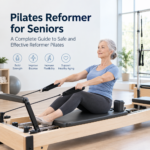
Is Reformer Pilates Cardio?
Reformer Pilates can absolutely provide cardiovascular benefits.
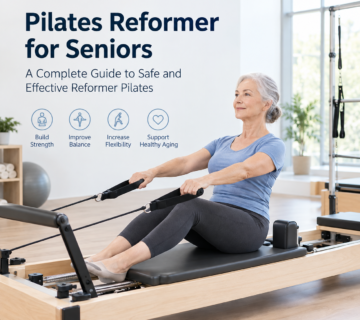
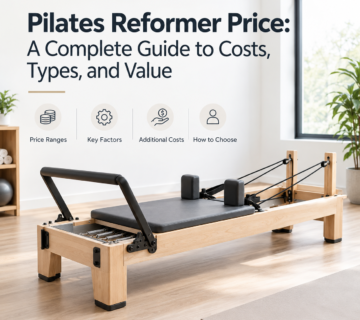
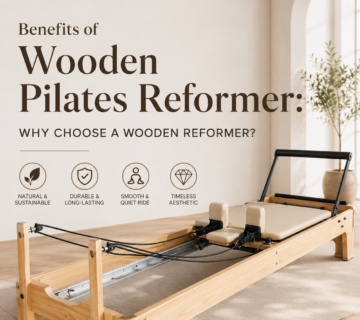
The Pilates Reformer uses springs to create resistance while supporting smooth, continuous movement.
Whether Reformer Pilates qualifies as cardio depends largely on:
- Workout pace
- Exercise selection
- Rest periods
- Instructor programming
Lower-Intensity Reformer Sessions
Focus on:
- Mobility
- Stretching
- Rehabilitation
- Core control
These classes generally stay below traditional cardio intensity.
Higher-Intensity Reformer Sessions
May include:
- Jump board intervals
- Dynamic lunges
- Squat series
- Plank sequences
- Athletic training circuits
These workouts can elevate heart rate significantly and increase calorie expenditure.
Many studio members report wearing heart-rate monitors and reaching moderate cardio zones during advanced Reformer classes.
Therefore, if you’re wondering:
“Is Pilates cardio or strength training?”
Reformer Pilates often delivers both.
It develops muscular strength while simultaneously improving cardiovascular endurance.
Which Pilates Equipment Provides the Best Cardio Workout?
Not all Pilates equipment creates the same cardiovascular demand.
Here’s how the most popular equipment compares.
| Equipment | Cardio Potential | Strength Potential |
|---|---|---|
| Reformer | Moderate | High |
| Reformer with Tower | Moderate | Very High |
| Pilates Chair | Moderate to High | High |
| Jump Board | High | Moderate |
| Mat Pilates | Low to Moderate | Moderate |
Pilates Reformer
The Reformer remains the most versatile Pilates machine.
By combining resistance training with continuous movement, it can create a workout that blends strength and cardio.
For studio owners, it’s often the foundation of a complete pilates and cardio workout program.
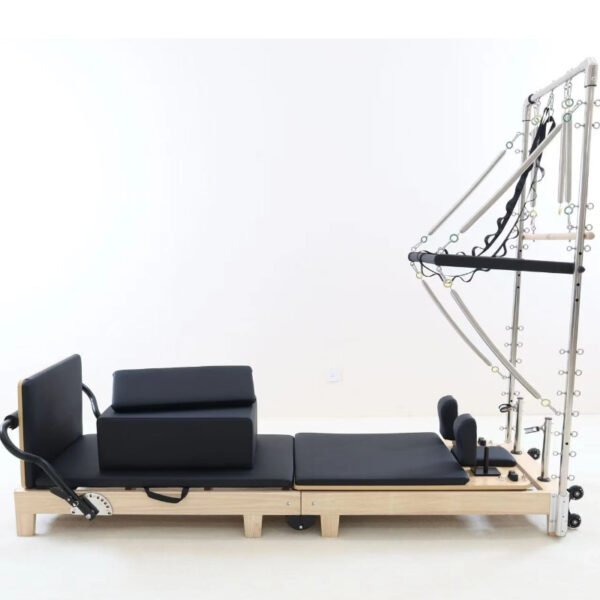
Pilates Reformer with Tower
The Tower adds vertical exercises, standing movements, and upper-body resistance work.
This increases exercise variety and can raise overall workout intensity.
Many instructors use Tower circuits to keep clients moving continuously, enhancing cardiovascular demand.
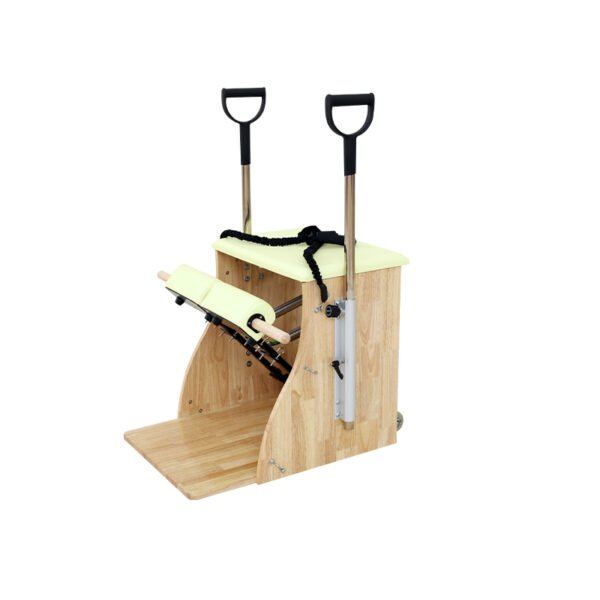
Pilates Chair
The Pilates Chair is one of the most physically demanding pieces of Pilates equipment.
Exercises often involve:
- Standing balance work
- Single-leg training
- Plyometric-style movements
- Functional strength exercises
Because of its upright positioning, the Chair frequently produces higher heart-rate responses than traditional Mat Pilates.
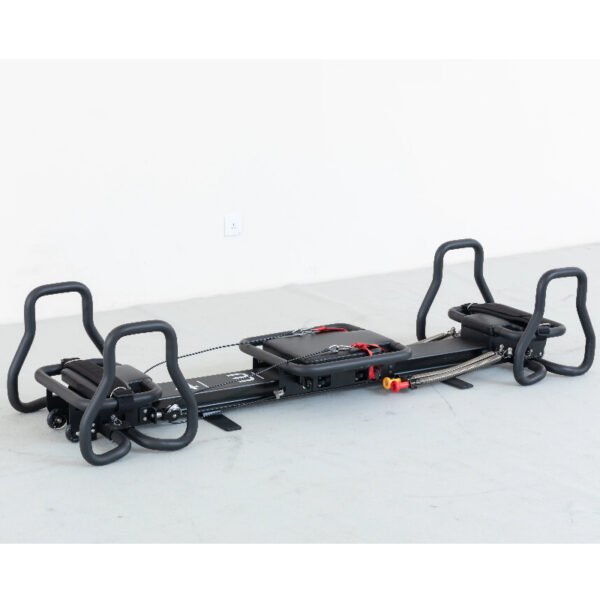
Pilates Jump Board
If your goal is cardio-focused Pilates, the Jump Board is often the best option.
The Jump Board attaches to a Reformer and allows users to perform jumping movements while lying down.
Benefits include:
- Increased heart rate
- Reduced joint impact
- Improved endurance
- Higher calorie burn
For many users, Jump Board workouts feel similar to cycling or rowing intervals while maintaining the controlled movement principles of Pilates.
Pilates vs Traditional Cardio: Which Is Better for Your Fitness Goals?
When discussing Pilates vs cardio, it’s important to understand that they serve different purposes.
| Goal | Pilates | Traditional Cardio |
|---|---|---|
| Core Strength | Excellent | Limited |
| Flexibility | Excellent | Limited |
| Posture | Excellent | Limited |
| Endurance | Moderate | Excellent |
| Calorie Burn | Moderate | High |
| Joint Friendliness | Excellent | Variable |
| Injury Prevention | Excellent | Moderate |
Traditional cardio exercises generally burn more calories during a workout.
Pilates, however, develops movement quality, stability, flexibility, and muscular endurance.
For most people, the ideal solution isn’t choosing one or the other.
Instead, combining Pilates and cardio often delivers the best long-term health outcomes.
Pilates Before or After Cardio?
A common question is:
Should you do Pilates before or after cardio?
The answer depends on your primary goal.
Choose Pilates Before Cardio If:
- You want to improve movement quality
- You’re focusing on flexibility
- You’re working on core activation
- You’re preparing for running or sports training
Choose Pilates After Cardio If:
- Cardio performance is your priority
- You’re training for endurance events
- You want Pilates to aid recovery and mobility
For many recreational exercisers, alternating sessions throughout the week may provide the greatest benefit.
A typical weekly schedule could include:
- Monday: Reformer Pilates
- Tuesday: Cycling
- Wednesday: Strength Training
- Thursday: Pilates
- Friday: Running
- Weekend: Active Recovery
This creates a balanced approach to pilates and cardio workout programming.
How to Make Your Pilates Workout More Cardio-Focused
If your goal is to increase cardiovascular benefits, consider these strategies.
Increase Exercise Tempo
Perform transitions more efficiently while maintaining proper form.
Reduce Rest Time
Keep moving between exercises to maintain an elevated heart rate.
Add Jump Board Training
Jump Board intervals are among the most effective cardio-focused Pilates exercises.
Use Full-Body Circuits
Combine:
- Legs
- Core
- Upper body
- Balance exercises
into continuous movement patterns.
Incorporate Standing Exercises
Standing lunges, squats, and chair work typically demand more cardiovascular effort than lying exercises.
Track Heart Rate
Using a wearable device can help determine whether you’re reaching moderate-intensity zones.
Conclusion
So, is Pilates cardio?
The answer depends on the style of Pilates you’re practicing.
Traditional Pilates is primarily a strength, mobility, and body-conditioning method. However, modern forms such as Reformer Pilates, Jump Board workouts, and Pilates Chair training can elevate heart rate enough to provide meaningful cardiovascular benefits.
Rather than viewing Pilates vs cardio as competing forms of exercise, many fitness professionals recommend combining both. Pilates improves movement quality, core strength, flexibility, and posture, while traditional cardio enhances aerobic endurance and calorie expenditure.
For those seeking a balanced fitness routine, integrating Pilates and cardio can be one of the most effective approaches to long-term health and performance.
FAQs
Is Pilates enough cardio to stay healthy?
It depends on the type of Pilates and workout intensity. Some high-intensity Reformer and Jump Board classes may contribute significantly toward weekly aerobic activity recommendations. However, many people still benefit from additional cardiovascular exercise such as walking, cycling, or swimming.
Does Reformer Pilates burn more calories than Mat Pilates?
Generally, yes. Reformer Pilates often incorporates greater resistance, larger movement ranges, and additional equipment such as Jump Boards, which can increase overall energy expenditure.
What Pilates equipment is best for cardio training?
The Pilates Jump Board is often considered the most cardio-focused option. Reformer Pilates and Pilates Chair workouts can also provide substantial cardiovascular benefits when programmed with minimal rest and continuous movement patterns.
Is Pilates cardio or strength?
Pilates is primarily a strength and movement-conditioning system. However, certain Pilates formats can also deliver moderate cardiovascular benefits, making it both a strength and cardio workout depending on how it is performed.
Can I combine Pilates and cardio in the same workout?
Absolutely. Many fitness enthusiasts combine Reformer Pilates with walking, cycling, rowing, or interval training to create a well-rounded exercise routine that supports strength, endurance, flexibility, and overall health.

No comment