






A popularidade do reformer Pilates transformou a indústria moderna de fitness. Antes associado principalmente a clínicas de reabilitação e atletas profissionais, o reformer Pilates agora é uma oferta central em estúdios boutique de fitness, centros de bem-estar, academias e clínicas de fisioterapia. De acordo com o Global Wellness Institute, a economia global do bem-estar continua a se expandir, com consumidores investindo cada vez mais em saúde preventiva, movimento funcional e exercícios de baixo impacto. O Pilates se beneficiou significativamente dessa tendência, particularmente as aulas de reformer em estúdio que combinam força, mobilidade, flexibilidade e consciência corporal.
Para proprietários de estúdios, essa demanda crescente cria uma importante oportunidade de negócio—mas também levanta uma questão importante: Como escolher a máquina de reformer Pilates de estúdio certa?
Diferente de equipamentos projetados para treinos ocasionais em casa, um reformer Pilates profissional deve ter desempenho consistente em múltiplas aulas todos os dias, acomodando clientes de diferentes idades, habilidades e níveis de condicionamento físico. Um reformer de estúdio de alta qualidade pode melhorar a experiência do cliente, reduzir custos de manutenção e apoiar o crescimento de longo prazo do seu estúdio.
Este guia explica tudo o que você precisa saber para escolher a máquina de reformer Pilates de estúdio certa, incluindo os principais recursos a avaliar, como os reformers Pilates comerciais diferem dos modelos para casa e quais tipos de equipamento funcionam melhor para diferentes ambientes de estúdio.
O Que é uma Máquina de Reformer Pilates de Estúdio?
Uma máquina de reformer Pilates de estúdio é um aparelho de Pilates de grau comercial, especificamente projetado para uso profissional em estúdios de Pilates, clínicas de reabilitação, clubes de fitness e centros de bem-estar.
Embora reformers para casa e reformers comerciais possam parecer semelhantes à primeira vista, eles são projetados para padrões de uso muito diferentes.
Um reformer residencial pode ser usado várias vezes por semana por uma ou duas pessoas. Em contraste, um reformer de estúdio de Pilates pode operar de oito a dez horas por dia, atendendo dezenas de clientes em sessões privadas e aulas em grupo. Esse nível de uso exige construção significativamente mais resistente, mecânica mais suave e componentes projetados para durabilidade de longo prazo.
A maioria dos reformers Pilates de qualidade de estúdio inclui recursos como:
Estruturas de alumínio de alta resistência ou madeira nobre
Sistemas de carro de precisão para movimento suave
Resistência de molas de grau comercial
Apoios de pés e apoios de ombro ajustáveis
Estofamento de alta densidade para conforto
Revestimento premium resistente ao suor e produtos de limpeza
Plataformas antiderrapantes para exercícios em pé
Compatibilidade com acessórios como jump boards, towers e caixas
Esses recursos ajudam os instrutores a oferecer uma experiência de treino consistente, reduzindo o tempo de inatividade causado por manutenção ou reparos.
Reformer de Estúdio vs. Reformer para Casa
A comparação a seguir destaca algumas das diferenças mais importantes.
| Característica | Reformer Pilates para Casa | Máquina de Reformer Pilates de Estúdio |
| Uso Diário | Ocasional | Uso comercial contínuo |
| Estrutura | Leve | Alumínio ou madeira nobre de grau comercial |
| Capacidade de Peso | Moderada | Maior capacidade para diversos usuários |
| Acessórios | Limitados | Suporte completo para acessórios comerciais |
| Durabilidade | Residencial | Projetado para anos de uso intenso |
| Manutenção | Menor demanda de uso | Construído para ciclos frequentes de manutenção |
| Garantia | Garantia residencial | Opções de garantia comercial |
Um reformer Pilates para estúdio não é simplesmente uma versão mais forte de uma máquina para casa. É um investimento em equipamentos que apoiam as operações do negócio, a eficiência do instrutor e a satisfação do cliente.
Por exemplo, imagine um estúdio boutique com seis reformers realizando seis aulas por dia. Cada carro pode percorrer milhares de vezes a cada semana. Componentes comerciais—incluindo rolamentos, rodas, cordas, molas e estofamento—devem manter um desempenho suave sob uso constante. Escolher equipamentos projetados para essa carga de trabalho ajuda a minimizar interrupções e protege a experiência geral do cliente.
Por Que Vale a Pena Investir em uma Máquina de Reformer Pilates de Estúdio?
Abrir ou expandir um estúdio de Pilates envolve muitas decisões financeiras. Embora os reformers comerciais representem um dos maiores investimentos em equipamentos, eles também estão entre os mais importantes.
Em vez de ver um reformer Pilates profissional como uma despesa única, muitos proprietários de estúdios de sucesso o consideram um ativo comercial de longo prazo.
1. Melhor Experiência do Cliente
Os clientes notam rapidamente a diferença entre equipamentos comerciais premium e máquinas de qualidade inferior.
Um carro suave, resistência consistente das molas, operação silenciosa e acolchoamento confortável contribuem para uma melhor experiência de aula. Pequenos detalhes—como a facilidade com que o carro desliza ou a estabilidade da estrutura durante exercícios em pé—podem influenciar como os clientes percebem a qualidade do seu estúdio.
Experiências positivas geralmente incentivam renovações de planos e indicações boca a boca.
2. Maior Durabilidade para Uso de Alta Frequência
Estúdios comerciais operam de forma muito diferente dos ambientes domésticos.
Um reformer de estúdio pode atender dezenas de usuários todos os dias, tornando a durabilidade essencial.
Reformers comerciais de alta qualidade geralmente incluem:
Estruturas reforçadas
Sistemas de rodas projetados com precisão
Conjuntos de cordas premium
Molas comerciais de longa duração
Estofamento de alta resistência
Esses componentes são projetados para suportar uso repetido, mantendo um desempenho consistente.
Embora todo equipamento exija manutenção regular, investir em construção de grau comercial pode reduzir a frequência de reparos ao longo do tempo.
3. Melhor Retorno sobre o Investimento
Equipamentos de Pilates comerciais geralmente têm um preço de compra mais alto do que os modelos residenciais, mas podem proporcionar melhor valor de longo prazo.
Em vez de substituir equipamentos de qualidade inferior após apenas alguns anos, muitos estúdios preferem máquinas projetadas para serviço comercial prolongado.
Menores custos de manutenção, menos interrupções nas aulas e maior satisfação do cliente podem contribuir para um desempenho comercial mais forte a longo prazo.
4. Maior Versatilidade de Treino
Os estúdios de Pilates de hoje atendem uma gama diversificada de clientes.
Seus instrutores podem trabalhar com:
Iniciantes
Idosos
Atletas profissionais
Pacientes em reabilitação
Clientes no pré e pós-natal
Entusiastas do fitness
Um reformer Pilates para estúdio de alta qualidade oferece resistência ajustável, múltiplas posições de apoio de pés e compatibilidade com acessórios que facilitam a modificação de exercícios para diferentes populações.
Essa flexibilidade permite que um único equipamento suporte centenas de variações de exercícios.
5. Aparência Profissional do Estúdio
O equipamento também influencia a imagem da sua marca.
Se os clientes visitam um estúdio boutique de luxo ou uma clínica de reabilitação, eles frequentemente associam equipamentos limpos e modernos a profissionalismo e qualidade.
Muitos proprietários de estúdios escolhem reformers de madeira nobre premium por sua aparência clássica ou reformers de alumínio por sua estética contemporânea e resistência à corrosão.
O equipamento certo ajuda a criar um ambiente para o qual os clientes gostam de voltar.
Cenário Real de Estúdio
Considere dois novos estúdios de Pilates abrindo em bairros semelhantes.
O Estúdio A compra reformers de grau residencial para reduzir os custos iniciais.
O Estúdio B investe em reformers de grau comercial projetados especificamente para aulas de alta frequência.
Durante o primeiro ano, ambos os estúdios podem ter desempenho semelhante. No entanto, à medida que o volume de aulas aumenta, o Estúdio B geralmente tem maior probabilidade de se beneficiar de uma operação mais suave do equipamento, menos interrupções de manutenção e maior confiança do instrutor.
Embora cada negócio seja diferente, escolher equipamentos projetados para uso comercial pode apoiar a eficiência operacional de longo prazo à medida que o número de membros cresce.
Como Escolher a Máquina de Reformer Pilates de Estúdio Certa
Escolher a máquina de reformer Pilates de estúdio certa envolve muito mais do que comparar preços. Cada estúdio tem diferentes objetivos de negócio, espaço disponível, perfil de clientes e formatos de aula, então o reformer “melhor” depende de como você planeja usá-lo.
Antes de fazer uma compra, considere os seguintes fatores para garantir que seu investimento apoie tanto seus clientes quanto seu negócio a longo prazo.
1. Comece com o Modelo de Treino do Seu Estúdio
A primeira pergunta não é “Qual reformer é o melhor?”—é “Como o equipamento será usado?”
Diferentes modelos de estúdio exigem diferentes tipos de reformers.
| Tipo de Estúdio | Equipamento Recomendado |
| Aulas em grupo boutique | Reformers comerciais padrão com estruturas duráveis |
| Estúdio de treino privado | Reformer com Tower para maior variedade de exercícios |
| Clínica de reabilitação | Cadillac ou Reformer com Tower |
| Centro de bem-estar de hotel ou corporativo | Reformers de alumínio com manutenção fácil |
| Estúdio pequeno ou sala multiuso | Reformers comerciais dobráveis |
Por exemplo, um estúdio boutique que oferece oito aulas de reformer diariamente precisa de equipamentos que enfatizem durabilidade e ajustes rápidos entre clientes. Uma clínica de reabilitação, por outro lado, pode se beneficiar mais de equipamentos que apoiem alongamento assistido e exercícios corretivos.
Escolher equipamentos com base no seu modelo de negócio ajuda a maximizar tanto a eficiência do instrutor quanto a satisfação do cliente.
2. Escolha o Material Certo da Estrutura
Uma das maiores decisões é comprar um reformer Pilates de qualidade de estúdio de madeira ou alumínio.
Ambos os materiais têm bom desempenho em ambientes comerciais, mas cada um oferece vantagens diferentes.
Reformers de Madeira Nobre
Madeiras premium como bordo ou carvalho continuam populares entre estúdios boutique porque oferecem:
Excelente estabilidade
Estética tradicional do Pilates
Aparência premium
Forte suporte estrutural
Muitos estúdios de Pilates de luxo escolhem reformers de madeira porque complementam designs de interiores sofisticados.
Reformers de Alumínio
Reformers Pilates profissionais modernos usam cada vez mais estruturas de alumínio de grau aeronáutico.
As vantagens incluem:
Construção leve
Excelente resistência à corrosão
Limpeza fácil
Aparência contemporânea
Transporte e instalação simplificados
Para estúdios localizados em climas úmidos ou regiões costeiras, o alumínio pode exigir menos manutenção a longo prazo do que a madeira natural.
Em vez de perguntar qual material é “melhor”, considere qual combina melhor com o ambiente do seu estúdio, sua marca e suas expectativas de manutenção.
3. Avalie o Sistema de Molas
O sistema de molas é um dos componentes mais importantes de qualquer reformer de estúdio.
Molas de alta qualidade proporcionam:
Resistência suave
Tensão consistente
Melhor controle
Maior vida útil
Muitos fabricantes comerciais usam aço de piano importado ou aço de mola de engenharia alemã porque esses materiais são projetados para manter a resistência ao longo de milhares de repetições.
Ao comparar equipamentos, faça perguntas como:
Quantas molas estão incluídas?
Quais níveis de resistência estão disponíveis?
As molas podem ser substituídas individualmente?
Com que frequência o fabricante recomenda inspeção?
Inspeções rotineiras das molas são consideradas prática padrão em estúdios de Pilates comerciais, independentemente do fabricante.
4. Procure um Sistema de Carro Suave
Os clientes frequentemente julgam um reformer pela sensação do carro durante o movimento.
Um carro de alta qualidade deve:
Deslizar suavemente
Produzir ruído mínimo
Sentir-se estável em toda a amplitude de movimento
Retornar consistentemente sob a resistência das molas
Reformers comerciais normalmente usam rolamentos de precisão ou conjuntos de rodas de alta qualidade que reduzem o atrito e proporcionam uma experiência de treino mais silenciosa.
Isso pode parecer um pequeno detalhe, mas um movimento mais suave ajuda os instrutores a ensinar exercícios com maior precisão, criando uma experiência mais premium para os clientes.
5. Considere a Capacidade de Peso e a Estabilidade
Seus clientes variarão significativamente em altura, peso, flexibilidade e capacidade atlética.
Um reformer Pilates para estúdio comercial deve fornecer estabilidade suficiente para:
Exercícios em pé
Movimentos dinâmicos
Condicionamento atlético
Instrução para iniciantes
Sessões de reabilitação
Olhe além da capacidade de peso publicada.
Considere também:
Rigidez da estrutura
Estabilidade do carro
Resistência do apoio de pés
Construção dos blocos de ombro
Aderência da plataforma
Um reformer estável ajuda os instrutores a se concentrarem no ensino em vez de se preocuparem com o movimento do equipamento.
6. Verifique os Recursos de Ajuste
Cada aula inclui clientes com diferentes proporções corporais.
Quanto mais ajustável for o equipamento, mais fácil será acomodar a todos com segurança.
Recursos de ajuste úteis incluem:
Múltiplas posições do apoio de pés
Cordas ajustáveis
Apoio de cabeça ajustável
Posicionamento do apoio de ombro
Configurações da gear bar
Ajuste do comprimento das cordas
Esses recursos melhoram tanto o conforto quanto a precisão dos exercícios.
Estúdios que atendem iniciantes se beneficiam especialmente de reformers que permitem ajustes rápidos entre as aulas.
7. Pense na Manutenção Antes de Comprar
A manutenção é frequentemente negligenciada durante o processo de compra.
Equipamentos comerciais contêm componentes móveis que eventualmente exigem inspeção ou substituição.
Pergunte aos fabricantes sobre:
Cordas de reposição
Molas
Rodas
Rolamentos
Estofamento
Componentes do apoio de pés
Pergunte também com que rapidez as peças de reposição podem ser fornecidas.
Alguns dias de inatividade podem não parecer significativos até forçarem cancelamentos de aulas ou mudanças de horário.
Um suporte pós-venda confiável é tão valioso quanto o próprio equipamento.
8. Considere o Crescimento Futuro
Muitos estúdios começam com quatro ou seis reformers antes de expandir.
Escolher equipamentos que permitam compras futuras correspondentes ajuda a manter uma aparência consistente e uma experiência de treino uniforme à medida que seu negócio cresce.
Perguntas que valem a pena fazer incluem:
Este modelo ainda estará disponível no próximo ano?
Acessórios correspondentes podem ser comprados posteriormente?
O fabricante oferece outros equipamentos de Pilates comerciais?
Há serviços de personalização disponíveis para marca ou estofamento?
Planejar com antecedência geralmente reduz custos durante futuras expansões.
9. Compare o Custo Total de Propriedade—Não Apenas o Preço de Compra
O menor preço de compra nem sempre representa o melhor valor.
Em vez disso, considere o custo total ao longo da vida útil do equipamento.
| Consideração | Por Que é Importante |
| Preço de compra | Investimento inicial |
| Vida útil esperada | Maior vida útil pode melhorar o valor |
| Peças de reposição | Menor tempo de inatividade e manutenção mais fácil |
| Garantia | Ajuda a proteger seu investimento |
| Frete | Importante para compradores internacionais |
| Suporte ao cliente | Resolução mais rápida de problemas |
| Valor de revenda | Equipamentos de qualidade geralmente retêm melhor o valor |
Muitos proprietários de estúdios experientes avaliam equipamentos ao longo de cinco a dez anos, em vez de focar apenas no custo inicial de compra.
10. Compre de um Fabricante Comercial Experiente
Finalmente, considere a experiência do fabricante.
Um fornecedor especializado em equipamentos de Pilates para estúdio normalmente entende as necessidades práticas de instrutores e proprietários de estúdios melhor do que empresas focadas principalmente em produtos de fitness residenciais.
Ao avaliar fabricantes, procure evidências como:
Anos de experiência em produção
Referências de projetos comerciais
Certificações internacionais
Processos de controle de qualidade
Capacidades de OEM e ODM
Disponibilidade de peças de reposição
Suporte técnico após a entrega
Se você está comprando várias máquinas para uma instalação comercial, também pode ser benéfico trabalhar diretamente com um fabricante em vez de através de múltiplos intermediários. Fornecedores diretos de fábrica podem frequentemente oferecer opções de personalização mais flexíveis, configurações de produto consistentes e suporte de longo prazo para estúdios em expansão.
Ao avaliar cuidadosamente esses fatores antes de comprar, você estará em uma posição mais forte para selecionar um reformer Pilates profissional que ofereça desempenho confiável, apoie seus instrutores e proporcione uma excelente experiência para os clientes por muitos anos.
Melhores Máquinas de Reformer Pilates de Estúdio para Diferentes Necessidades de Estúdio
Não existem dois estúdios de Pilates exatamente iguais. Um estúdio boutique em Nova York pode priorizar estética elegante e aulas em grupo de alta frequência, enquanto uma clínica de reabilitação pode precisar de equipamentos que apoiem alongamento assistido e exercícios corretivos. Da mesma forma, um novo estúdio com espaço limitado terá prioridades diferentes de uma grande instalação comercial de treinamento.
Em vez de procurar uma única “melhor” máquina de reformer Pilates de estúdio, é mais prático escolher equipamentos que correspondam ao seu estilo de ensino, perfil de clientes, espaço disponível e objetivos de negócio de longo prazo.
Abaixo estão quatro reformers de grau comercial que se adequam a diferentes ambientes profissionais de estúdio.
| Modelo | Melhor Para | Principais Vantagens |
| Reformer Pilates de Alumínio Y04-01 | Estúdios boutique de Pilates | Estrutura leve de alumínio, carro de trilho completo, desempenho comercial suave |
| Reformer Pilates com Tower Y07-4 | Estúdios que oferecem aulas diversificadas | Reformer e tower combinados para maior variedade de exercícios |
| Cadillac Pilates C09-07 | Clínicas de reabilitação & treinamento de instrutores | Máxima versatilidade para exercícios de Pilates assistidos e avançados |
| Reformer Pilates Dobrável Y09-14 | Estúdios pequenos & espaços multiuso | Desempenho comercial com armazenamento que economiza espaço |
Reformer Pilates de Alumínio Y04-01
Melhor para Estúdios Boutique e Aulas Comerciais de Alta Frequência
Para estúdios que realizam múltiplas aulas de reformer todos os dias, durabilidade e consistência são frequentemente as maiores prioridades. O Reformer Pilates de Alumínio Y04-01 é projetado com esses requisitos em mente.
Sua estrutura de alumínio de grau aeronáutico oferece um excelente equilíbrio entre resistência e peso. Comparado com estruturas tradicionais de madeira, o alumínio é naturalmente resistente à ferrugem e corrosão, tornando-o particularmente adequado para ambientes úmidos ou estúdios onde o equipamento é limpo com frequência ao longo do dia.
Outra vantagem é o carro de trilho completo, que proporciona uma maior amplitude de movimento. Isso permite que os instrutores acomodem confortavelmente usuários de diferentes alturas, apoiando uma biblioteca de exercícios mais ampla.
Outros recursos notáveis incluem:
Sistema de carro projetado com precisão para movimento suave e silencioso
Resistência de molas de grau comercial
Estofamento de alta densidade para conforto do cliente
Revestimento premium de microfibra
Aparência moderna e minimalista adequada para estúdios contemporâneos
Para negócios boutique de Pilates que valorizam tanto desempenho quanto estética, este modelo representa um excelente equilíbrio entre funcionalidade e durabilidade de longo prazo.
Se você está comparando modelos comerciais para instalações profissionais, também pode explorar a coleção completa da CoreFlow de equipamentos Reformer Pilates Comercial para avaliar diferentes materiais de estrutura, configurações e opções prontas para estúdio.
Reformer Pilates com Tower Y07-4
Melhor para Estúdios que Oferecem Treinamento Abrangente de Pilates
Muitos proprietários de estúdios eventualmente descobrem que os clientes querem mais do que aulas tradicionais de reformer.
Sessões de alongamento, exercícios de reabilitação, condicionamento atlético e educação de instrutores frequentemente exigem equipamentos adicionais. Comprar uma tower separada, no entanto, aumenta tanto os custos de investimento quanto os requisitos de espaço.
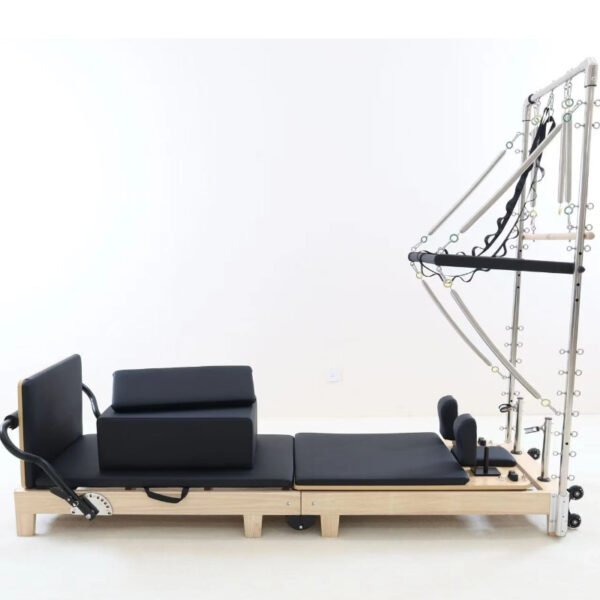
O Reformer Pilates com Tower Y07-4 combina dois sistemas essenciais de Pilates em uma única unidade comercial.
A tower integrada expande a gama de exercícios disponíveis ao introduzir resistência baseada em molas de múltiplas direções. Isso facilita para os instrutores projetarem programas que atendam iniciantes enquanto também desafiam clientes avançados.
Aplicações típicas em estúdio incluem:
Instrução privada
Treinamento semi-privado
Educação de movimento funcional
Programas de reabilitação
Treinamento de desempenho atlético
Cursos de certificação de instrutores
Em vez de ocupar um valioso espaço do estúdio com múltiplas máquinas, um sistema integrado suporta centenas de variações de exercícios.
Estúdios que planejam expandir suas ofertas de serviços sem aumentar significativamente sua área de equipamentos frequentemente acham este estilo de reformer particularmente prático.
Cadillac Pilates C09-07
Melhor para Clínicas de Reabilitação e Programas Avançados de Pilates
Entre todos os aparelhos tradicionais de Pilates, o Cadillac continua sendo um dos mais versáteis.
Originalmente desenvolvido para apoiar reabilitação e terapia de movimento, os sistemas Cadillac permitem que instrutores guiem clientes através de exercícios assistidos que seriam difíceis ou impossíveis em um reformer padrão.
O Cadillac Pilates C09-07 é especialmente adequado para:
Clínicas de fisioterapia
Centros de reabilitação
Programas de fitness para idosos
Escolas de certificação de instrutores
Educação profissional de Pilates
Especialistas em exercícios corretivos
Sua estrutura elevada suporta molas suspensas, barras de empurrar, funções de trapézio e exercícios de alongamento assistido que acomodam clientes com diferentes níveis de mobilidade.
Essa versatilidade permite que instrutores criem programas altamente individualizados enquanto progridem gradualmente os clientes em direção a maior força, estabilidade e confiança.
Para estúdios que trabalham com clientes pós-reabilitação ou indivíduos se recuperando de lesões, a flexibilidade do equipamento pode ser tão importante quanto a durabilidade.
Mesmo estúdios focados principalmente em fitness podem optar por adicionar um Cadillac para ampliar suas ofertas de serviços e atrair clientes que buscam instrução mais especializada.
Reformer Pilates Dobrável Y09-14
Melhor para Estúdios Pequenos e Espaços Comerciais Flexíveis
Espaço limitado não significa necessariamente comprometer equipamentos profissionais.
Muitos novos negócios de Pilates começam em estúdios boutique compactos, clínicas de bem-estar ou instalações de fitness compartilhadas onde cada metro quadrado importa.
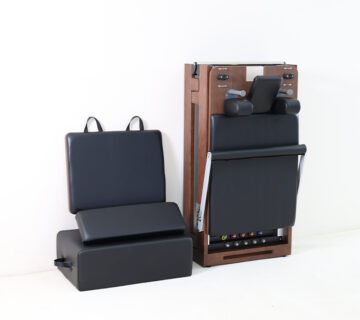
O Reformer Pilates Dobrável Y09-14 é projetado especificamente para essas situações.
Diferente dos reformers dobráveis residenciais que priorizam a portabilidade em detrimento da durabilidade, este modelo mantém construção de grau comercial enquanto permite armazenamento mais conveniente quando não está em uso.
As principais vantagens incluem:
Design dobrável para melhor eficiência de espaço
Construção de estrutura de grau comercial
Movimento suave do carro
Adequado para estúdios boutique
Fácil realocação entre salas quando necessário
Essa flexibilidade permite que proprietários de estúdios maximizem o uso do espaço disponível sem dedicar permanentemente uma sala inteira ao treinamento com reformers.
Para negócios ainda avaliando a demanda local, reformers comerciais dobráveis também podem fornecer flexibilidade operacional adicional à medida que os horários das aulas evoluem.
Qual Reformer Pilates de Estúdio é o Certo para Você?
Não há uma resposta universal porque cada negócio opera de forma diferente.
As recomendações a seguir fornecem um ponto de partida simples.
| Se sua prioridade é… | Modelo Recomendado |
| Aulas diárias de reformer em grupo | Reformer Pilates de Alumínio Y04-01 |
| Oferecer a maior variedade de aulas | Reformer Pilates com Tower Y07-4 |
| Reabilitação e instrução especializada | Cadillac Pilates C09-07 |
| Economizar espaço no estúdio | Reformer Pilates Dobrável Y09-14 |
Em vez de perguntar qual reformer é o “melhor”, pergunte qual apoia melhor seus instrutores, seus clientes e sua estratégia de negócio de longo prazo.
Muitos estúdios de Pilates de sucesso também constroem sua linha de equipamentos gradualmente. Por exemplo, um novo estúdio boutique pode começar com seis reformers de alumínio para aulas em grupo e, posteriormente, adicionar um reformer com tower para sessões privadas e um Cadillac para reabilitação ou educação de instrutores. Essa abordagem em etapas permite que o estúdio expanda suas ofertas de serviços sem substituir equipamentos existentes.
Ao selecionar equipamentos que se alinham com suas necessidades operacionais, em vez de simplesmente seu orçamento inicial, você estará melhor posicionado para criar um ambiente de treinamento profissional que possa crescer junto com seu negócio.
Quais Recursos Você Deve Procurar em uma Máquina de Reformer Pilates de Estúdio Comercial?
Nem todo reformer comercial oferece o mesmo nível de qualidade. Embora a aparência seja importante, o desempenho de longo prazo depende dos componentes escondidos sob a estrutura.
Ao avaliar reformers de estúdio, preste muita atenção aos seguintes recursos:
| Recurso | Por Que é Importante |
| Estrutura de grau comercial | Fornece estabilidade durante uso de alta frequência e suporta cargas de trabalho mais pesadas. |
| Sistema de carro de precisão | Garante movimento suave, silencioso e desempenho consistente. |
| Sistema de molas de alta qualidade | Oferece resistência confiável e maior vida útil. |
| Apoio de pés ajustável | Acomoda usuários de diferentes alturas e posições de exercício. |
| Estofamento durável | Resiste ao suor, produtos químicos de limpeza e desgaste diário. |
| Plataforma antiderrapante para exercícios em pé | Melhora a segurança durante exercícios em pé e de transição. |
| Sistema de ajuste de cordas | Permite que instrutores personalizem rapidamente exercícios para diferentes clientes. |
| Compatibilidade com acessórios | Suporta jump boards, caixas, towers e outros acessórios de Pilates. |
Além desses recursos técnicos, vale a pena avaliar a facilidade de manutenção do reformer. Componentes como molas, cordas, rodas e estofamento naturalmente se desgastam com o tempo, então escolher equipamentos com peças de reposição prontamente disponíveis pode reduzir o tempo de inatividade e ajudar a manter as aulas funcionando sem problemas.
Finalmente, não negligencie a experiência do usuário. Operação silenciosa, deslizamento suave do carro, acolchoamento confortável e ajustes intuitivos contribuem para um ambiente mais profissional—qualidades que os clientes frequentemente notam, mesmo que não consigam identificar imediatamente o motivo.
Onde Você Pode Comprar uma Máquina de Reformer Pilates de Estúdio de Alta Qualidade?
Depois de identificar o tipo de reformer que melhor se adapta ao seu estúdio, o próximo passo é escolher um fornecedor confiável. Embora existam muitas empresas vendendo equipamentos de Pilates online, nem todos os fabricantes fornecem o mesmo nível de qualidade de produto, suporte técnico ou serviço pós-venda.
Para proprietários de estúdios, comprar equipamentos comerciais é um investimento de longo prazo. O objetivo não é simplesmente encontrar o menor preço, mas selecionar um parceiro que possa apoiar seu negócio à medida que ele cresce.
Compre Diretamente de um Fabricante Especializado
Muitos proprietários de estúdios experientes preferem comprar diretamente de fabricantes especializados em equipamentos de Pilates para estúdio.
A compra direta de fábrica pode oferecer várias vantagens, incluindo:
Preços mais competitivos ao reduzir custos de intermediários
Qualidade consistente do produto em pedidos maiores
Opções de personalização para cores, estofamento, logotipos e marca
Melhor comunicação durante a produção e o envio
Mais fácil acesso a peças de reposição e suporte técnico
Se você está abrindo um estúdio boutique ou comprando múltiplos reformers, trabalhar diretamente com um fabricante experiente também pode simplificar futuras expansões, garantindo que máquinas adicionais correspondam ao seu equipamento existente.
Avalie Mais do que as Especificações do Produto
Antes de fazer um pedido, faça perguntas além do folheto do produto.
Por exemplo:
Que tipo de garantia está incluída?
Molas, cordas e rodas de reposição estão prontamente disponíveis?
O fabricante fornece orientação de montagem?
Como os reformers são embalados para envio internacional?
Quais inspeções de qualidade são concluídas antes do envio?
O equipamento pode ser personalizado para marca comercial?
As respostas a essas perguntas frequentemente revelam tanto sobre um fornecedor quanto as próprias especificações.
Considere o Suporte de Longo Prazo
Mesmo os reformers Pilates profissionais da mais alta qualidade exigem manutenção rotineira ao longo de sua vida útil.
Um fabricante que oferece suporte pós-venda ágil pode ajudar a minimizar o tempo de inatividade se componentes de reposição forem necessários.
Para estúdios comerciais operando em horários completos, acesso rápido a assistência técnica e peças de reposição pode ser tão valioso quanto o próprio equipamento original.
Leia Feedback de Clientes e Estudos de Caso
Sempre que possível, revise depoimentos de clientes, fotos de instalação ou estudos de caso de estúdios antes de tomar uma decisão de compra.
Procure feedback que discuta:
Durabilidade do equipamento após uso prolongado
Desempenho suave do carro
Experiência de atendimento ao cliente
Qualidade do envio
Facilidade de montagem
Confiabilidade de longo prazo
Embora cada negócio tenha experiências diferentes, feedback positivo consistente de múltiplos clientes comerciais pode fornecer confiança adicional durante o processo de compra.
Conclusão
Escolher a máquina de reformer Pilates de estúdio certa é sobre muito mais do que selecionar equipamentos atraentes. É um investimento em seus instrutores, seus clientes e o sucesso de longo prazo do seu estúdio.
Ao longo deste guia, exploramos as diferenças entre reformers para casa e comerciais, os recursos que mais importam e os fatores que influenciam as decisões de compra. De materiais de estrutura e sistemas de molas a suporte de manutenção e escalabilidade futura, cada detalhe contribui para a experiência geral de propriedade.
Também analisamos quatro soluções comerciais projetadas para diferentes necessidades de estúdio:
Reformer Pilates de Alumínio Y04-01 para estúdios boutique que realizam aulas de reformer em alto volume.
Reformer Pilates com Tower Y07-4 para instalações que oferecem programas de treinamento mais abrangentes.
Cadillac Pilates C09-07 para reabilitação, exercícios corretivos e educação de instrutores.
Reformer Pilates Dobrável Y09-14 para estúdios onde maximizar o espaço é uma prioridade.
Não existe um único reformer ideal para todos os negócios. A escolha certa depende do formato da sua aula, espaço disponível, perfil de clientes, orçamento e planos de desenvolvimento de longo prazo.
À medida que a indústria do Pilates continua a crescer, investir em equipamentos comerciais duráveis e bem projetados pode ajudar a criar um ambiente de aprendizado mais profissional, melhorar a satisfação do cliente e apoiar o crescimento sustentável do negócio por muitos anos.
PERGUNTAS FREQUENTES
Qual é a diferença entre uma máquina de reformer Pilates de estúdio e um reformer para casa?
Uma máquina de reformer Pilates de estúdio é construída para ambientes comerciais onde o equipamento pode ser usado em múltiplas aulas todos os dias. Comparados aos reformers para casa, os modelos comerciais geralmente apresentam estruturas mais fortes, sistemas de molas de maior qualidade, mecanismos de carro mais suaves e estofamento mais durável. Eles são projetados para suportar uso frequente, mantendo um desempenho consistente.
Quantas máquinas de reformer Pilates um novo estúdio deve comprar?
O número ideal depende do seu modelo de negócio e espaço disponível.
Muitos estúdios boutique começam com 4–6 reformers para sessões privadas ou semi-privadas. Estúdios focados em aulas de reformer em grupo frequentemente começam com 8–12 máquinas, permitindo acomodar mais membros enquanto mantêm espaçamento confortável entre os equipamentos.
Em vez de comprar o número máximo imediatamente, muitos estúdios de sucesso expandem gradualmente à medida que o número de membros cresce.
Qual é a vida útil média de uma máquina de reformer Pilates de estúdio comercial?
Um reformer comercial de alta qualidade pode frequentemente fornecer 10 anos ou mais de serviço confiável quando mantido adequadamente.
A manutenção rotineira normalmente inclui inspeção de molas, cordas, rodas, rolamentos e estofamento. A vida útil real depende da frequência de uso, práticas de manutenção e qualidade geral da construção.
Reformers Pilates de alumínio são melhores do que reformers de madeira para estúdios comerciais?
Ambos os materiais têm bom desempenho em ambientes comerciais, mas oferecem vantagens diferentes.
Reformers de madeira são frequentemente escolhidos por sua aparência tradicional e estabilidade natural, tornando-os populares em estúdios boutique com estética clássica.
Reformers de alumínio são geralmente mais leves, resistentes à corrosão e mais fáceis de manter, tornando-os uma excelente opção para estúdios comerciais modernos ou instalações localizadas em climas úmidos.
A melhor escolha depende das preferências de design do seu estúdio, requisitos de manutenção e necessidades operacionais.
Vale a pena ter um reformer com tower em um estúdio de Pilates?
Para muitos estúdios, sim.
Um reformer Pilates com tower expande a gama de exercícios disponíveis sem exigir uma unidade de tower separada. Isso o torna adequado para instrução privada, reabilitação, condicionamento atlético e treinamento de instrutores.
Estúdios que buscam diversificar suas ofertas de aulas frequentemente descobrem que um reformer com tower proporciona excelente valor de longo prazo.
Reformers Pilates dobráveis podem ser usados em estúdios comerciais?
Sim, desde que sejam especificamente projetados para uso comercial.
Diferente de muitos reformers dobráveis residenciais, os modelos dobráveis comerciais são projetados para manter estabilidade e durabilidade, oferecendo a flexibilidade de economizar espaço quando as aulas não estão em sessão.
Eles podem ser uma excelente escolha para estúdios boutique, centros de bem-estar, hotéis e instalações de fitness multiuso onde a utilização eficiente do espaço é importante.
Com que frequência um reformer Pilates comercial deve ser mantido?
Embora os cronogramas de manutenção variem de acordo com o fabricante e a frequência de uso, a maioria dos estúdios deve inspecionar seus reformers regularmente.
É uma boa prática:
Verificar as molas quanto a sinais de desgaste ou tensão reduzida.
Inspecionar cordas e alças quanto a desfiamento.
Limpar os trilhos do carro e as rodas para garantir movimento suave.
Apertar o hardware visível, se necessário.
Seguir o cronograma de manutenção recomendado pelo fabricante.
A manutenção preventiva não só prolonga a vida útil do equipamento, mas também ajuda a proporcionar uma experiência mais segura e consistente para os clientes.

No comment