






Lagree and Reformer Pilates are two of the most popular equipment-based fitness methods today, often grouped together but designed for very different training experiences. Both build strength, flexibility, and core stability using specialized machines, yet they diverge sharply in intensity, movement speed, resistance style, and intended outcomes. Whether you’re seeking low-impact rehabilitation, balanced full-body strength, or a high-intensity, muscle-burning workout, understanding their unique traits will help you pick the right fit. This guide breaks down their definitions, core differences, benefits, and ideal users—with insights from CoreFlow, your trusted provider of high-quality Pilates Reformer equipment, to help you make an informed choice.
What Is Lagree Fitness?
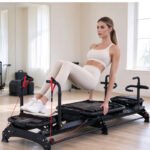
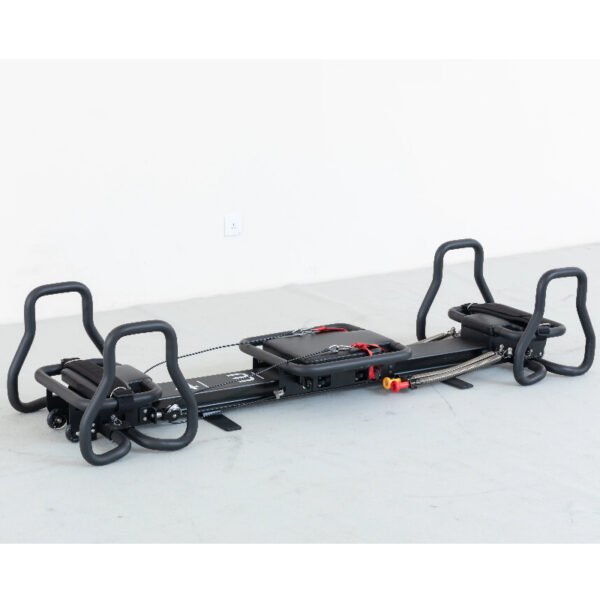
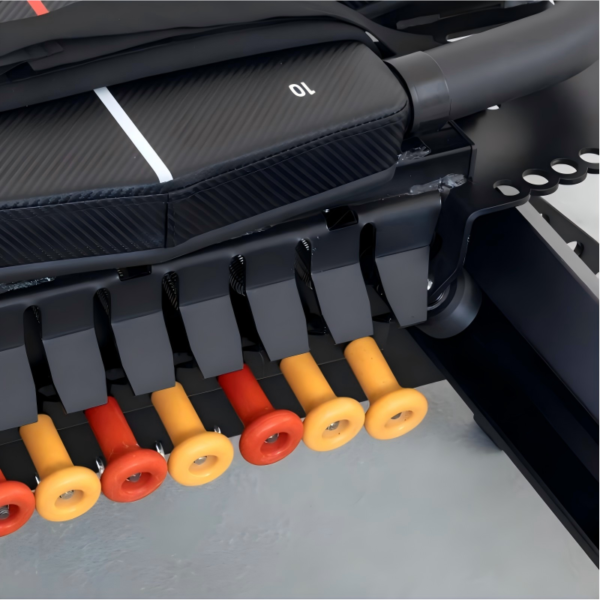
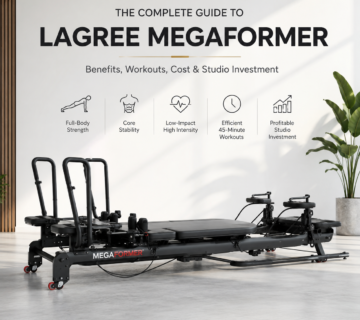
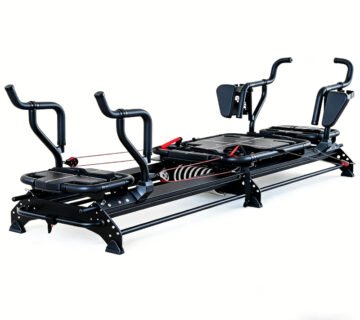
Lagree Fitness is a high-intensity, low-impact workout method developed by Sebastian Lagree, blending Pilates core principles with strength training and cardio elements. It uses the Megaformer, a specialized machine with double the springs of traditional Pilates Reformers for maximum intensity. Lagree focuses on slow, controlled movements with sustained muscle tension, engaging up to 600 muscles at once to boost endurance, burn calories, and sculpt lean muscle. Unlike Reformer Pilates, it prioritizes muscle fatigue and quick transitions between exercises, delivering efficient results in 40–45 minute sessions. While distinct from Reformer Pilates, it complements CoreFlow’s mission to support diverse fitness journeys with versatile equipment solutions.
-
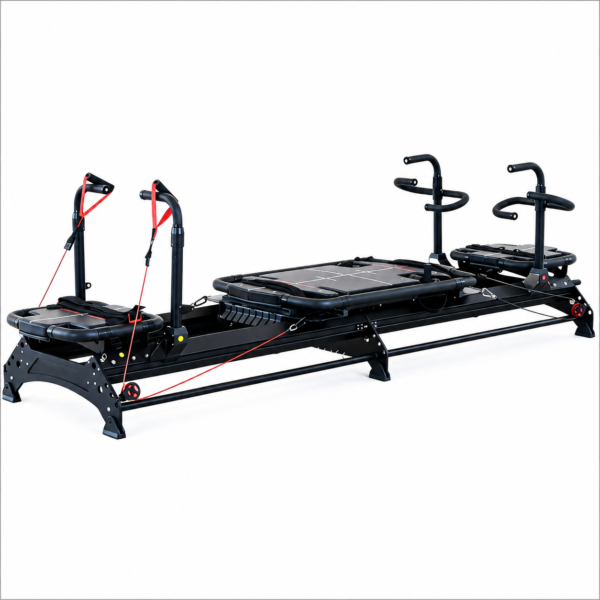
Megaformer M3K: The Unbeatable Powerhouse for Transformative High-Intensity Pilates
-
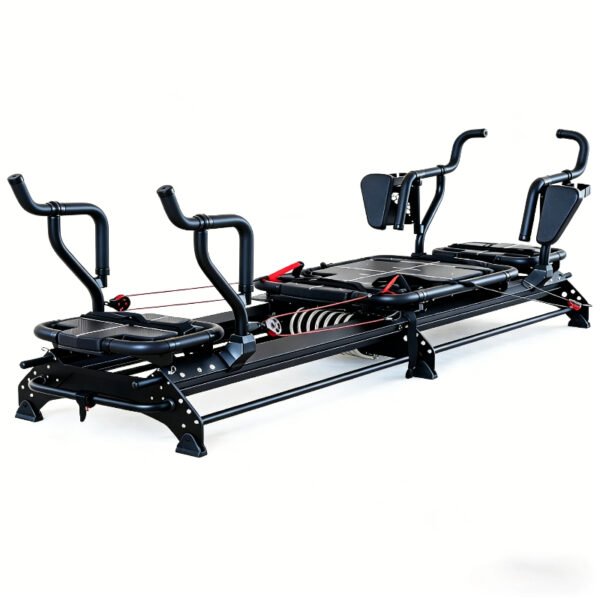
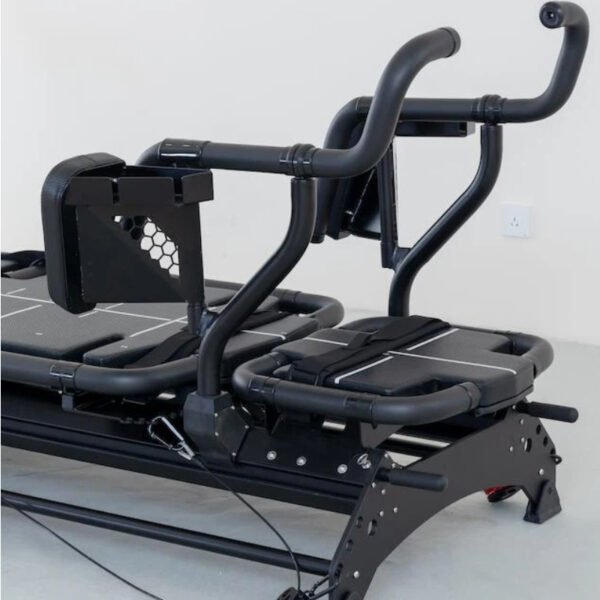
Lagree Megaformer M3K+ | Aluminum Pilates Reformer
What Is Reformer Pilates?
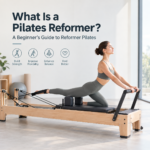
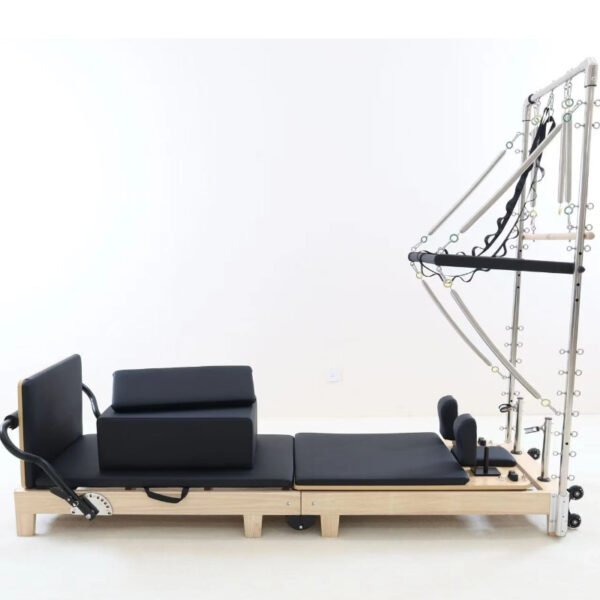
Reformer Pilates, developed by Joseph Pilates, is a gentle yet effective method centered on precise, controlled movements using a Pilates Reformer—an apparatus with a sliding carriage, adjustable springs, ropes, and a footbar. It emphasizes core strength, flexibility, posture alignment, and mind-body connection, following six key principles: concentration, control, center, flow, precision, and breathing. Suitable for all fitness levels, it offers low-impact, full-body training that targets every major muscle group without straining joints. CoreFlow, a leading provider of Pilates Reformer equipment, crafts high-quality, customizable Reformers that enhance this practice, supporting both beginners and seasoned practitioners in achieving their fitness goals.
-
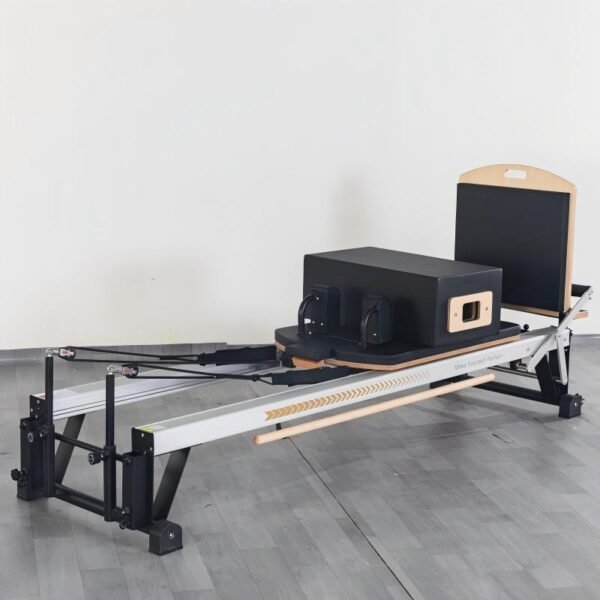
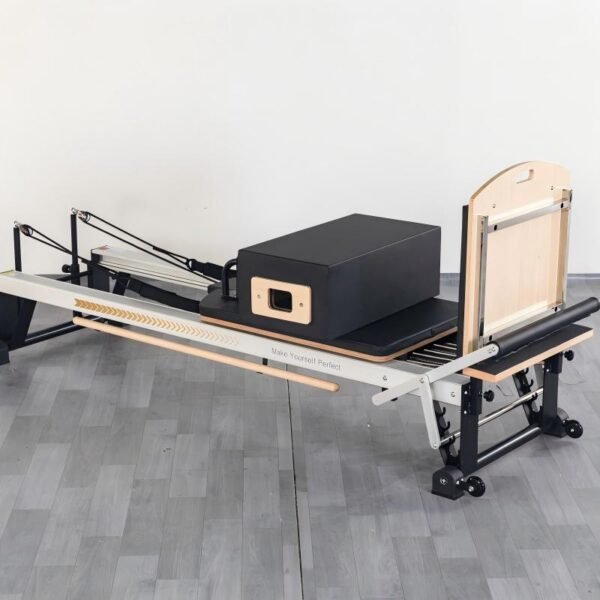
CoreFlow Y07-2 Pilates Reformer Machine for Studio & Gym
-
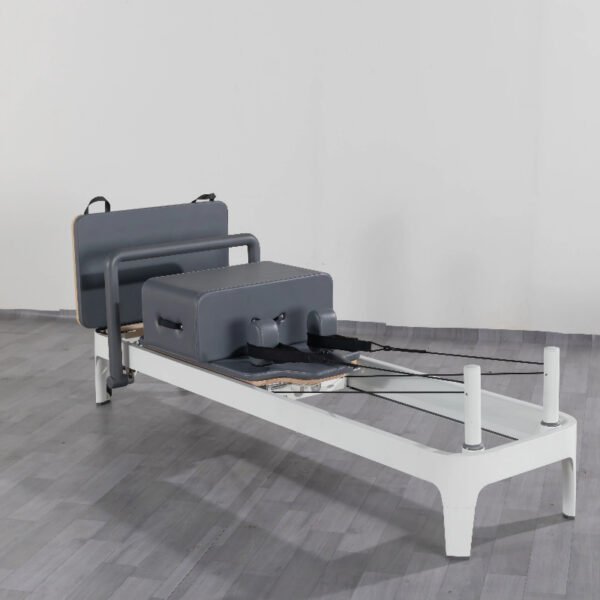
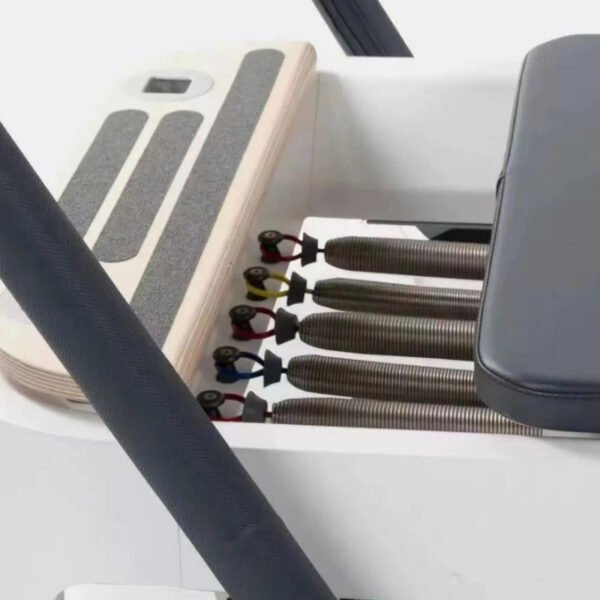
Y01-01 Aluminum Alloy Full Track Pilates Reformer
What Are the Key Differences Between Lagree and Reformer Pilates?
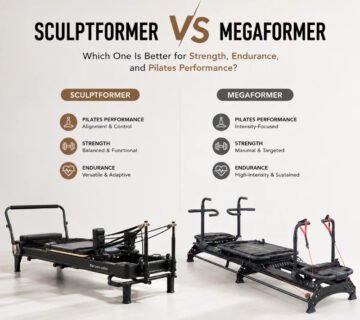
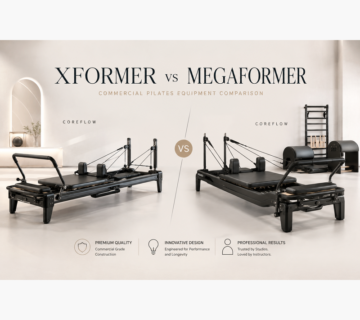
The primary differences between Lagree and Reformer Pilates lie in equipment, intensity, pace, and focus. Lagree uses the Megaformer, a more complex machine with extra springs for higher resistance, while Reformer Pilates relies on the classic Pilates Reformer—like those crafted by CoreFlow—with adjustable springs for customizable tension. Lagree is high-intensity, focusing on muscle fatigue and sustained tension with quick transitions, while Reformer Pilates is moderate-intensity, prioritizing form, alignment, and rhythmic, controlled movements. Lagree targets full-body muscle engagement for calorie burn and endurance, while Reformer Pilates emphasizes core stability, flexibility, and balanced muscle development. Additionally, Lagree sessions are shorter (40–45 mins) but more intense, while Reformer Pilates sessions (45–60 mins) are slower and more meditative, aligning with CoreFlow’s focus on accessible, effective Pilates Reformer equipment for all needs.
Which Workout Is Better for Your Fitness Goals?
Choosing between Lagree and Reformer Pilates depends on your fitness goals. If you want high-intensity, time-efficient workouts to burn calories, build muscle endurance, and sculpt a lean physique, Lagree is ideal—it delivers quick results through sustained tension and full-body engagement. For those prioritizing core strength, flexibility, posture correction, or low-impact rehabilitation, Reformer Pilates is better, as it focuses on precise movements and gentle resistance. Athletes may use Reformer Pilates (with CoreFlow’s Pilates Reformer) to improve performance and prevent injury, while those seeking a challenging, calorie-burning workout may prefer Lagree. Both methods build core strength, but Reformer Pilates offers versatility for all levels, while Lagree caters to those ready for intense training. CoreFlow’s Pilates Reformer equipment supports Reformer Pilates practitioners, ensuring safe, effective sessions tailored to individual goals.
Is Lagree or Reformer Pilates Better for Beginners?
Reformer Pilates is far better for beginners than Lagree. Its moderate intensity, focus on form, and adjustable resistance (via CoreFlow’s Pilates Reformer springs) allow new practitioners to learn proper alignment gradually, reducing injury risk. The Reformer provides support for the body, offering immediate feedback to refine movements, making it accessible for those new to equipment-based fitness. Lagree’s high intensity, sustained muscle tension, and quick transitions can overwhelm beginners, leading to poor form or burnout. CoreFlow recommends Reformer Pilates for beginners, as its gentle progression and emphasis on mind-body connection build a strong foundation—our Pilates Reformer equipment is designed to support new users, with customizable features to adapt to growing skill levels.
Conclusion
Lagree and Reformer Pilates both offer valuable fitness benefits but cater to different needs and goals. Lagree excels for high-intensity, time-efficient muscle sculpting and endurance, while Reformer Pilates shines for core strength, flexibility, posture improvement, and low-impact training. For beginners and those seeking balanced, sustainable fitness, Reformer Pilates—supported by CoreFlow’s high-quality Pilates Reformer equipment—is the ideal choice. No matter which you choose, both methods prioritize core health and full-body wellness.CoreFlow is here to enhance your Reformer Pilates journey with top-tier, customizable equipment, ensuring you get the most out of every session.
FAQs
Is Lagree harder than Reformer Pilates?
Yes, Lagree is significantly harder than Reformer Pilates. Lagree uses higher resistance (via the Megaformer’s extra springs), sustained muscle tension, and quick transitions to create a high-intensity workout that pushes muscles to fatigue. Reformer Pilates, by contrast, is moderate-intensity, focusing on controlled movements and adjustable resistance—like that offered by CoreFlow’s Pilates Reformer—making it more accessible and less physically demanding, especially for beginners.
Can Lagree replace traditional Pilates?
No, Lagree cannot replace traditional Pilates (including Reformer Pilates). While both build core strength, they serve different purposes: Lagree prioritizes high-intensity, calorie-burning, and muscle endurance, while traditional Pilates focuses on alignment, flexibility, mind-body connection, and low-impact rehabilitation. Many practitioners use both, but those seeking posture correction or injury recovery will still benefit from traditional Reformer Pilates—supported by CoreFlow’s Pilates Reformer equipment.
How often should you do Lagree or Reformer Pilates for best results?
For Lagree, 2–3 sessions per week are ideal. Its high intensity requires 48 hours of recovery between sessions to avoid overtraining. For Reformer Pilates, 3–4 sessions per week yield the best results—its low-impact nature allows for more frequent practice, with consistent sessions building core strength, flexibility, and posture over time. CoreFlow recommends starting with 2–3 sessions weekly for beginners (focused on Reformer Pilates) and adjusting based on your fitness level and goals.

No comment