








MegaReformer Pilates has surged in popularity as a dynamic, high-intensity fitness method that blends classic mind-body movement with resistance-driven, low-impact intensity. Often linked to megaformer pilates fitness trends, this workout redefines conventional reformer training, catering to modern fitness goals like lean muscle building, sustainable fat burn, and long-term postural health. Unlike slow, gentle stretching routines, it delivers a challenging full-body sweat while protecting joints, making it a favorite among fitness enthusiasts seeking balanced strength and mobility. This guide breaks down everything you need to know about this powerful workout style, from core mechanics and unique differences to key benefits, common moves, and safety tips for all skill levels.
What Is MegaReformer Pilates and How Does It Work?
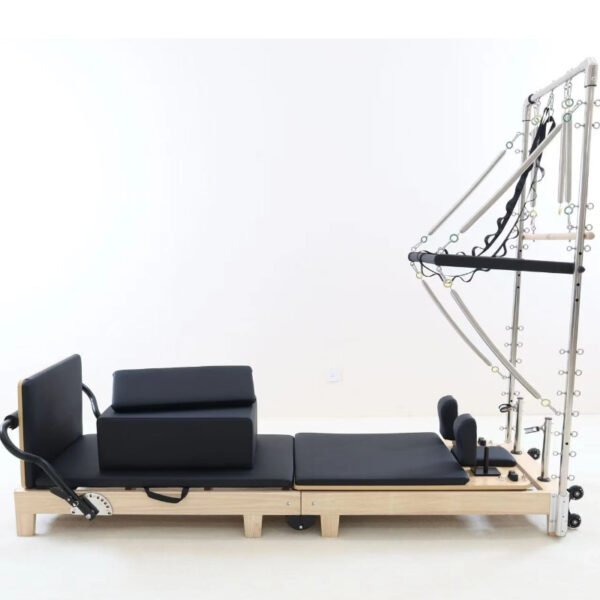
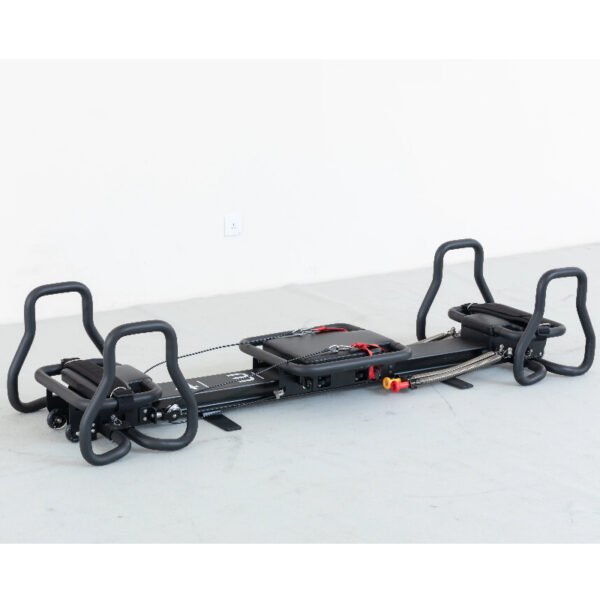
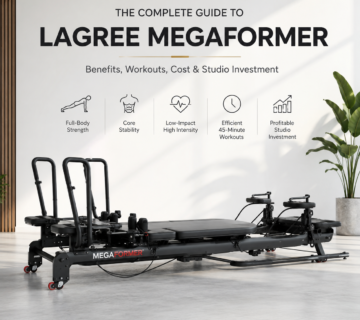
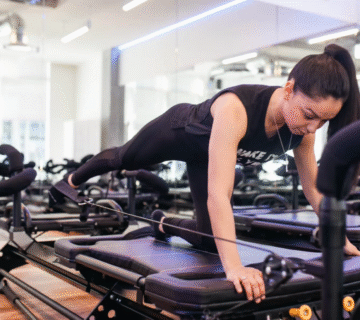
MegaReformer Pilates is an advanced high-intensity reformer workout designed to combine continuous micro-movements, adjustable spring resistance, and unstable platform work to engage every muscle group simultaneously. Rooted in controlled, intentional motion, it uses a specialized megaformer machine with sliding carriages, resistance straps, and padded support to keep muscles under constant tension throughout each session. Unlike static holds, its slow, repetitive movements boost muscular endurance and boost total-body exertion. Understanding what is megaformer pilates unlocks why it stands out: it merges Pilates’ core-focused fundamentals with high-cardio elements to elevate effort without harsh impact. This constant muscle engagement also directly impacts calories burned megaformer pilates totals, turning each session into an efficient metabolic workout for all body types.

How Is MegaReformer Pilates Different from Traditional Pilates Reformer Training?
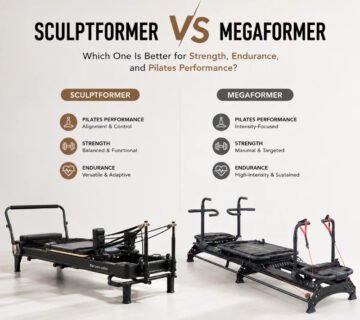
The key divide lies in intensity, pace, and equipment design, especially when comparing lagree megaformer vs pilates reformer setups. Traditional Pilates reformer focuses on slow, precise isolated movements, breathwork, and gentle muscle lengthening with moderate resistance, prioritizing recovery and foundational mobility. In contrast, MegaReformer Pilates maintains non-stop, high-tempo micro-movements with heavier, layered spring resistance for continuous muscle fatigue. Traditional reformer sessions emphasize rest between sets, while megaformer training eliminates downtime to amplify cardiovascular strain. The specialized megaformer machine features a longer, more unstable carriage for deeper stabilizer engagement. While classic reformer builds subtle strength, this high-energy variant ramps up calorie burn, muscular definition, and functional stamina, creating vastly different physical outcomes for regular practitioners.
What Are the Key Benefits of MegaReformer Pilates for Strength, Fat Loss, and Posture?
MegaReformer Pilates delivers multifaceted physical benefits spanning functional strength, effective fat loss, and corrected posture. Its constant resistance builds lean, toned muscle across the core, glutes, limbs, and back, boosting overall functional strength without bulky muscle growth. Steady continuous movement significantly increases calories burned megaformer pilates, supporting consistent fat loss and healthy body composition when paired with balanced nutrition. For posture, targeted work on weak upper back muscles, tight hips, and rounded shoulders counteracts sedentary desk lifestyles, aligning the spine and reducing muscular imbalances. Many participants notice transformative megaformer pilates before and after changes, including tighter core definition, improved spinal alignment, and reduced overall body sluggishness. Additionally, the low-impact structure protects knees and hips, enhancing joint flexibility. It also stabilizes deep core muscles, boosts circulation, and elevates mental focus through mindful movement, supporting both physical and mental wellness long-term.
What Kind of Exercises Can You Do in a MegaReformer Pilates Workout?
A typical MegaReformer Pilates workout features a versatile mix of full-body moves tailored to constant tension and stabilizer activation. Core staples include sliding carriage planks, reformer lunges, glute bridge presses, and lateral leg sweeps that target lower body muscles intensely. Upper body exercises include resistance strap rows, chest presses, and tricep extensions to balance strength across the torso. Dynamic spinal stretches, side body bends, and controlled twisting motions enhance flexibility and spinal mobility. Most routines flow seamlessly between lower-body, core, and upper-body sequences with no rest breaks. Every exercise leverages the machine’s adjustable springs to modify difficulty, ensuring each movement challenges slow-twitch and fast-twitch muscles alike, maximizing the fitness and fat-burning perks of regular megaformer pilates sessions.
Who Should Practice MegaReformer Pilates and How to Choose the Right Machine Safely?
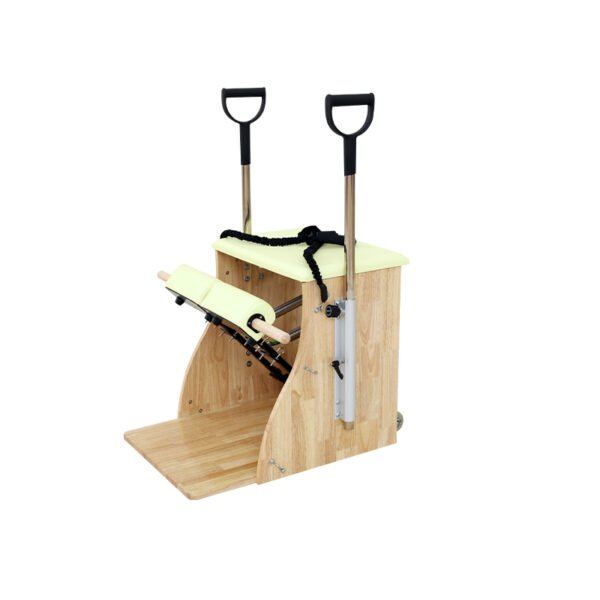
MegaReformer Pilates suits active adults, intermediate fitness lovers, and those transitioning from traditional reformer training, though modifications make it accessible for adaptable new learners. It is ideal for anyone targeting toning, fat reduction, posture correction, and low-impact cardio. Those with chronic joint injuries or severe mobility limitations should consult a doctor first before starting. When selecting a megaformer machine, prioritize sturdy frame construction, adjustable spring tension, padded non-slip surfaces, and secure carriage locks for safety. Compare specs when reviewing lagree megaformer vs pilates reformer equipment to match your skill level: beginner-friendly models offer lighter resistance, while premium machines support high-intensity daily training. Always ensure proper machine adjustment and professional instructor guidance to avoid strain, especially when practicing new moves to prevent overexertion and injury.
Conclusion
MegaReformer Pilates proves to be a well-rounded, high-efficiency workout that bridges the gap between gentle Pilates and high-intensity fitness. Its unique combination of constant resistance, low-impact movement, and full-body engagement delivers tangible rewards: improved strength, efficient fat loss, better posture, and enhanced flexibility. From understanding what is megaformer pilates to recognizing its differences from traditional reformer training, it’s clear this method offers distinct advantages for modern fitness goals. With visible megaformer pilates before and after results and impressive calories burned megaformer pilates per session, it is a sustainable long-term workout option. With proper machine selection and guided practice, it can be adapted for diverse fitness levels, making it a timeless addition to any wellness routine.
FAQs
Is MegaReformer Pilates suitable for beginners?
Yes, beginners can practice MegaReformer Pilates with professional instructor support and modified low-resistance settings. Trainers can slow movement pace, reduce spring tension, and simplify complex moves to build foundational strength and proper form gradually. New learners should start with shorter sessions to build stamina, avoid overexertion, and master basic alignment before advancing to high-intensity sequences. This gradual approach helps beginners enjoy the benefits of megaformer pilates without injury.
How many times per week should I do MegaReformer Pilates for results?
For noticeable strength, toning, and fat-loss results, 3 to 4 sessions per week is ideal. Consistent weekly practice boosts calories burned megaformer pilates over time, accelerates body composition changes, and builds muscular endurance. Beginners can start with 2 weekly sessions to allow muscle recovery, while advanced users can add extra light sessions for faster progress. Pairing regular workouts with proper hydration and nutrition amplifies visible megaformer pilates before and after improvements.
Can MegaReformer Pilates help improve core strength and back pain?
Absolutely. MegaReformer Pilates deeply activates deep transverse abdominis, obliques, and lower back stabilizers that traditional workouts often neglect. Its controlled spinal movements correct muscular imbalances, decompress the spine, and strengthen weak supportive back muscles. By improving core stability and posture, it eases chronic upper and lower back pain caused by sitting, poor alignment, or weak core strength. Regular practice builds long-term spinal resilience and functional core strength for daily movement.


No comment