

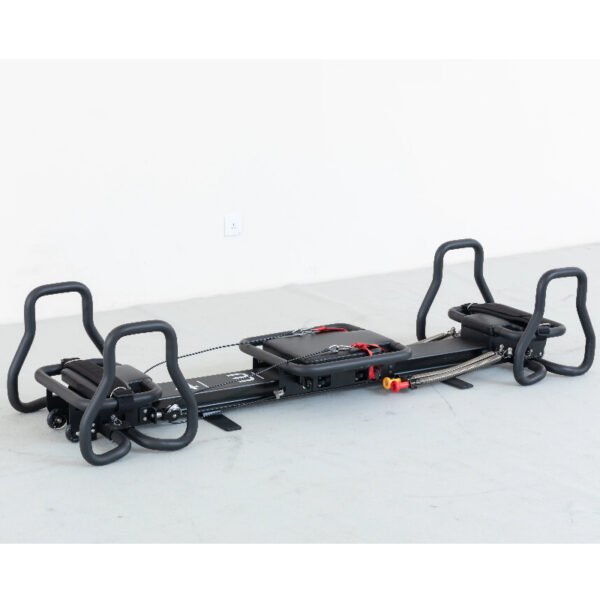






Il Pilates è diventato uno dei metodi di fitness a basso impatto più popolari al mondo, attirando tutti, dai principianti e impiegati agli atleti d'élite e ai pazienti in riabilitazione. Che tu abbia visto una lezione di Pilates nella tua palestra locale o notato celebrità che si allenano su un reformer, potresti chiederti: cos'è il Pilates e perché è diventato così popolare?
A differenza di molti programmi di allenamento ad alta intensità, il Pilates si concentra sulla qualità del movimento piuttosto che sulla quantità. Ogni esercizio è progettato per migliorare forza, flessibilità, postura, equilibrio e consapevolezza corporea, esercitando uno stress minimo sulle articolazioni. Questa combinazione unica rende il Pilates adatto a persone di quasi tutte le età e livelli di fitness.
Secondo l'American College of Sports Medicine (ACSM), i programmi di esercizio a basso impatto che enfatizzano il controllo muscolare, la flessibilità e il movimento funzionale possono contribuire a migliorare le prestazioni fisiche e la salute muscoloscheletrica a lungo termine. Il Pilates è in linea con queste raccomandazioni, rendendolo un'opzione eccellente per le persone che cercano un fitness sostenibile piuttosto che risultati a breve termine.
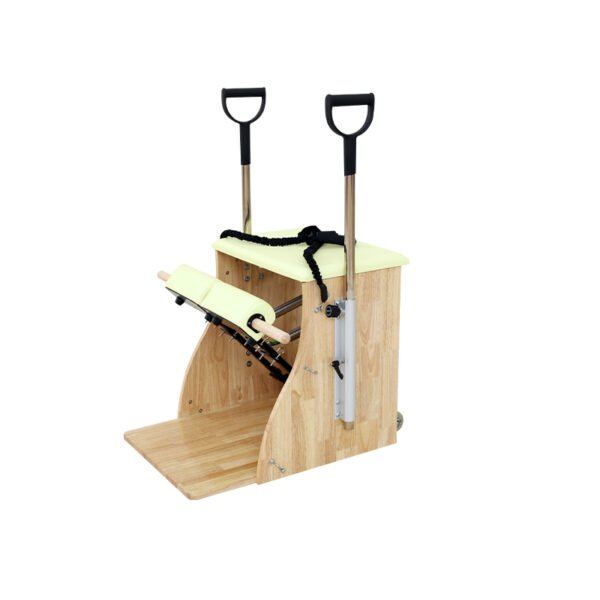
Oggi, il Pilates è praticato in più di 100 paesi e si è evoluto in due forme principali: il Pilates tradizionale su tappetino e il Pilates su reformer basato su attrezzatura. Gli studi moderni di Pilates incorporano anche attrezzature specializzate, tra cui reformer, tower, chair e barrel, consentendo ai praticanti di personalizzare gli allenamenti per la riabilitazione, le prestazioni atletiche o il benessere generale.
In questa guida completa imparerai:
Cos'è il Pilates e come funziona
La storia dietro il metodo Pilates
A cosa serve il Pilates
Cos'è il Pilates su reformer
Cosa fa realmente un reformer nel Pilates
Le differenze tra Pilates su tappetino e su reformer
Chi dovrebbe praticare il Pilates
Come i principianti possono iniziare in sicurezza
Che tu stia considerando la tua prima lezione di Pilates o pensando di investire in un reformer per casa o per uso commerciale, questa guida ti aiuterà a prendere decisioni informate.
Cos'è il Pilates?
Il Pilates è un sistema di esercizi a basso impatto che combina movimento controllato, respirazione, allenamento della forza, flessibilità e consapevolezza corporea per migliorare la funzione fisica generale. Fu sviluppato da Joseph Pilates all'inizio del XX secolo ed era originariamente conosciuto come Contrology, riflettendo la sua convinzione che la mente dovesse controllare consapevolmente ogni movimento del corpo.
A differenza dell'allenamento della forza tradizionale che spesso isola i singoli muscoli, il Pilates si concentra su schemi di movimento integrati. Ogni esercizio recluta più gruppi muscolari simultaneamente, enfatizzando al contempo un allineamento corretto e una respirazione controllata.
Fondamentalmente, il Pilates rafforza il "powerhouse" del corpo, un termine usato da Joseph Pilates per descrivere i muscoli che circondano l'addome, la parte bassa della schiena, i fianchi e il pavimento pelvico. Oggi, questi muscoli sono comunemente indicati come core.
Poiché i movimenti vengono eseguiti lentamente e deliberatamente, il Pilates migliora:
Stabilità del core
Postura
Mobilità articolare
Equilibrio
Flessibilità
Resistenza muscolare
Coordinazione
Uno dei motivi per cui il Pilates è diventato così ampiamente raccomandato è la sua adattabilità. Gli esercizi possono essere modificati per principianti assoluti, anziani, atleti professionisti e individui che si stanno riprendendo da un infortunio.
A differenza degli allenamenti che si basano su pesi pesanti o movimenti esplosivi, il Pilates enfatizza la precisione rispetto all'intensità, rendendolo accessibile senza sacrificare l'efficacia.
La Storia del Pilates
Comprendere le origini del Pilates aiuta a spiegare perché rimane rilevante a più di un secolo dalla sua creazione.
Joseph Pilates nacque in Germania nel 1883. Da bambino soffriva di asma, rachitismo e febbre reumatica, il che lo motivò a studiare anatomia, arti marziali, ginnastica, yoga, pugilato e varie discipline del movimento.
Durante la Prima Guerra Mondiale, Joseph Pilates fu internato in Inghilterra, dove lavorò con soldati feriti. Non potendo accedere ad attrezzature per esercizi convenzionali, iniziò ad attaccare molle ai letti d'ospedale, permettendo ai pazienti di rafforzare i muscoli rimanendo supportati.
Questi dispositivi di riabilitazione a molla si sono infine evoluti in ciò che oggi riconosciamo come il moderno Pilates Reformer.
Dopo la guerra, Joseph Pilates si trasferì a New York con sua moglie Clara e aprì uno studio vicino a diverse compagnie di danza. I ballerini professionisti abbracciarono rapidamente il suo metodo perché li aiutava a riprendersi dagli infortuni migliorando al contempo forza e qualità del movimento.
Col tempo, atleti, artisti, fisioterapisti e professionisti del fitness hanno adottato il Pilates, trasformandolo in uno dei sistemi di movimento più rispettati al mondo.
Oggi, sebbene l'attrezzatura sia diventata più avanzata, la filosofia originale di Joseph Pilates rimane invariata:
"La forma fisica è il primo requisito per la felicità."
La sua enfasi sul movimento consapevole, la respirazione efficiente e lo sviluppo muscolare equilibrato continua a definire l'insegnamento moderno del Pilates.
I Sei Principi del Pilates
Sebbene il Pilates si sia evoluto nel corso dei decenni, le sue fondamenta si basano ancora su sei principi fondamentali. Questi principi distinguono il Pilates da molte altre forme di esercizio e aiutano i praticanti a massimizzare sia la sicurezza che l'efficacia.
| Principio | Perché è Importante |
| Concentrazione | Concentrati completamente su ogni movimento per migliorare la consapevolezza corporea e la tecnica. |
| Controllo | Ogni movimento viene eseguito con intenzione piuttosto che con slancio. |
| Centratura | Attiva i muscoli del core per stabilizzare il corpo durante ogni esercizio. |
| Precisione | La tecnica corretta è più importante che eseguire molte ripetizioni. |
| Respiro | La respirazione coordinata supporta l'efficienza del movimento e l'attivazione del core. |
| Fluidità | Gli esercizi si susseguono senza intoppi per creare un movimento equilibrato e continuo. |
Questi principi incoraggiano la qualità rispetto alla quantità. Invece di affrettare le ripetizioni, il Pilates insegna ai praticanti a muoversi deliberatamente mantenendo un allineamento corretto.
Per i principianti, imparare presto questi principi porta spesso a miglioramenti più rapidi e riduce il rischio di schemi di movimento compensatori.
Come Funziona il Pilates?
Il Pilates funziona allenando il corpo a muoversi in modo più efficiente.
Piuttosto che concentrarsi solo sui muscoli visibili, il Pilates attiva i muscoli stabilizzatori profondi che supportano la colonna vertebrale, il bacino e le articolazioni durante il movimento quotidiano.
Molte persone passano ore sedute alla scrivania, alla guida o a guardare gli schermi. Col tempo, queste abitudini possono contribuire a:
Muscoli del core deboli
Spalle curve
Flessori dell'anca accorciati
Mobilità spinale limitata
Postura scorretta
Il Pilates affronta questi squilibri rafforzando i muscoli sottoutilizzati e migliorando la mobilità nelle aree che sono diventate rigide.
Durante una tipica sessione di Pilates, gli esercizi spesso combinano:
Attivazione del core
Respirazione controllata
Movimento coordinato degli arti
Articolazione spinale
Stabilizzazione articolare
Questo approccio integrato aiuta a migliorare gli schemi di movimento che si trasferiscono nella vita quotidiana.
Per esempio:
Un impiegato che soffre di fastidi alla parte bassa della schiena può trarre beneficio da esercizi di Pilates che rafforzano i muscoli addominali profondi migliorando al contempo la mobilità toracica.
Un corridore può usare il Pilates per migliorare la stabilità dell'anca e ridurre gli infortuni da stress ripetitivo.
Un golfista può migliorare il controllo rotatorio attraverso una maggiore forza del core.
Poiché il Pilates enfatizza il movimento funzionale piuttosto che l'allenamento muscolare isolato, molte persone notano miglioramenti anche fuori dallo studio, tra cui una postura migliore da seduti, un equilibrio migliorato quando camminano e una maggiore facilità nello svolgere le attività quotidiane.
La ricerca pubblicata su riviste di riabilitazione sottoposte a revisione paritaria ha dimostrato che i programmi di esercizi basati sul Pilates possono contribuire a miglioramenti nel dolore lombare cronico, nella resistenza del core, nella flessibilità e nel movimento funzionale se praticati costantemente sotto un'istruzione appropriata.
A Cosa Serve il Pilates?
Una delle domande più comuni che i principianti pongono è: "A cosa serve il Pilates?" La risposta dipende dai tuoi obiettivi personali, ma il Pilates è ampiamente riconosciuto per migliorare la forza del core, la postura, la flessibilità, l'equilibrio e la qualità generale del movimento.
A differenza di molti programmi di allenamento che si concentrano principalmente sul bruciare calorie o sul costruire grandi muscoli, il Pilates allena il corpo a muoversi in modo efficiente. Rafforzando i muscoli stabilizzatori profondi e migliorando la consapevolezza corporea, supporta migliori prestazioni nelle attività quotidiane e in altre forme di esercizio.
Esploriamo i benefici più significativi in maggiore dettaglio.
1. Costruisce un Core Più Forte
Quando le persone pensano al Pilates, spesso pensano agli esercizi addominali. Sebbene il Pilates rafforzi sicuramente gli addominali, il suo concetto di core va molto oltre.
Il core nel Pilates include:
Trasverso dell'addome
Retto dell'addome
Obliqui
Muscoli del pavimento pelvico
Diaframma
Multifido
Muscoli della parte bassa della schiena
Muscoli glutei
Insieme, questi muscoli stabilizzano la colonna vertebrale e il bacino durante il movimento.
Un core più forte può aiutare a:
Migliorare la postura
Aumentare l'efficienza nei sollevamenti
Ridurre lo sforzo non necessario sulla parte bassa della schiena
Migliorare le prestazioni atletiche
Migliorare l'equilibrio durante le attività quotidiane
A differenza dei crunch tradizionali, il Pilates insegna al core a funzionare come un sistema stabilizzante in tutto il corpo.
2. Migliora la Postura
Gli stili di vita moderni spesso comportano lunghe ore seduti alla scrivania, a lavorare su laptop o a guardare gli smartphone.
Queste abitudini portano comunemente a:
Spalle curve
Postura della testa in avanti
Muscoli pettorali accorciati
Muscoli della parte superiore della schiena deboli
Allineamento spinale scorretto
Il Pilates pone una forte enfasi sul posizionamento spinale e sull'equilibrio muscolare.
Invece di limitarsi a rafforzare un gruppo muscolare, il Pilates incoraggia i muscoli antagonisti a lavorare insieme, aiutando a ripristinare un allineamento più naturale.
Molti principianti notano miglioramenti nel modo in cui stanno in piedi, si siedono e camminano dopo alcune settimane di pratica costante.
Una postura migliorata può anche ridurre la tensione muscolare non necessaria che si sviluppa da cattive abitudini di movimento.
3. Aumenta la Flessibilità Senza Stiramenti Eccessivi
La flessibilità non significa semplicemente toccarsi le punte dei piedi.
Una flessibilità sana significa che le tue articolazioni possono muoversi comodamente attraverso la loro piena gamma di movimento rimanendo stabili.
Il Pilates combina stretching controllato con allenamento della forza, aiutando i muscoli a diventare sia più forti che più lunghi.
A differenza delle routine di stretching aggressive, il Pilates enfatizza la flessibilità attiva, sviluppando forza mentre si allungano i muscoli.
Questo approccio può aiutare a:
Migliorare la mobilità dell'anca
Aumentare la mobilità della spalla
Ridurre la rigidità muscolare
Migliorare la mobilità spinale
Supportare schemi di movimento sani
Poiché la flessibilità si sviluppa insieme alla forza, molti praticanti sperimentano una mobilità migliorata senza sentirsi instabili.
4. Supporta un Migliore Equilibrio e Coordinazione
L'equilibrio diminuisce naturalmente con l'età, ma può anche essere influenzato da stili di vita sedentari.
Il Pilates sfida la stabilità in più posizioni richiedendo al corpo di controllare il movimento dal centro verso l'esterno.
Molti esercizi coinvolgono:
Stabilità su una gamba sola
Spostamenti di peso controllati
Movimento rotatorio
Azioni coordinate della parte superiore e inferiore del corpo
Questi schemi di movimento migliorano la comunicazione tra cervello e muscoli.
Un migliore equilibrio può giovare a:
Anziani
Atleti ricreativi
Ballerini
Corridori
Chiunque voglia ridurre il rischio di cadute
5. Aiuta a Ridurre il Fastidio alla Schiena
Il fastidio alla parte bassa della schiena è uno dei motivi più comuni per cui le persone iniziano a praticare Pilates.
Muscoli del core deboli e postura scorretta spesso aumentano lo stress sulla colonna lombare.
Il Pilates non si limita a rafforzare la schiena: insegna all'intero core a supportare il movimento spinale in modo più efficace.
Diversi studi clinici suggeriscono che i programmi di Pilates adeguatamente supervisionati possono migliorare la funzione e ridurre i sintomi nelle persone con dolore lombare cronico non specifico.
Tuttavia, chiunque soffra di dolore persistente dovrebbe prima consultare un professionista sanitario qualificato prima di iniziare un programma di esercizi.
6. Migliora le Prestazioni Atletiche
Molti atleti professionisti incorporano il Pilates nei loro programmi di allenamento.
Sport come:
Tennis
Golf
Corsa
Nuoto
Calcio
Pallacanestro
richiedono tutti un movimento efficiente piuttosto che la sola forza bruta.
Il Pilates può migliorare:
Stabilità del core
Mobilità dell'anca
Controllo rotatorio
Stabilità articolare
Efficienza del movimento
Consapevolezza corporea
Questi miglioramenti possono tradursi in migliori prestazioni riducendo al contempo i movimenti non necessari che contribuiscono all'affaticamento.
7. Supporta il Benessere Mentale
Il Pilates è spesso descritto come movimento consapevole perché ogni esercizio richiede concentrazione e respirazione controllata.
A differenza degli allenamenti frenetici, il Pilates incoraggia i praticanti a concentrarsi su:
Ritmo del respiro
Posizionamento del corpo
Movimento fluido
Controllo muscolare
Molte persone riferiscono di sentirsi mentalmente rinfrescate dopo una sessione di Pilates.
Sebbene il Pilates non debba essere considerato un trattamento per l'ansia o la depressione, l'attività fisica regolare combinata con la respirazione consapevole può contribuire a migliorare l'umore e ridurre lo stress quotidiano.
8. Incoraggia il Movimento Sano a Lungo Termine
Forse il più grande beneficio del Pilates è che insegna abilità di movimento che continui a usare fuori dallo studio.
Piuttosto che allenarsi solo per una sessione di workout, il Pilates migliora il modo in cui il tuo corpo funziona nella vita quotidiana.
Potresti notare benefici mentre:
Porti la spesa
Sali le scale
Sei seduto alla scrivania
Giochi con i bambini
Viaggi
Pratichi altri sport
Col tempo, questi piccoli miglioramenti possono avere un impatto significativo sulla qualità generale della vita.
Cosa Fa il Pilates per il Tuo Corpo?
Se ti stai chiedendo "Cosa fa il Pilates per il tuo corpo?", la risposta va oltre la costruzione della forza.
Il Pilates migliora il funzionamento dell'intero corpo migliorando la coordinazione tra muscoli, articolazioni e sistema nervoso.
La pratica regolare può aiutare il tuo corpo:
| Area | Benefici Potenziali |
| Core | Maggiore stabilità e forza |
| Colonna vertebrale | Migliore allineamento e mobilità |
| Muscoli | Miglior tono e resistenza |
| Articolazioni | Schemi di movimento più sani |
| Flessibilità | Aumento della gamma di movimento |
| Equilibrio | Migliore coordinazione e stabilità |
| Respirazione | Migliore consapevolezza del respiro |
| Postura | Allineamento corporeo più efficiente |
A differenza di alcuni programmi di esercizi che si concentrano principalmente sull'aspetto, il Pilates enfatizza il movimento funzionale che supporta le attività quotidiane.
Molti praticanti notano anche benefici secondari, tra cui:
Migliore consapevolezza corporea
Movimento più efficiente
Maggiore fiducia nelle attività fisiche
Riduzione della tensione muscolare dopo lunghi periodi seduti
I risultati variano a seconda della costanza, del livello di fitness e degli obiettivi individuali, ma la maggior parte dei principianti inizia a notare miglioramenti nella qualità del movimento prima di cambiamenti visivi drammatici.
Chi Dovrebbe Provare il Pilates?
Uno dei più grandi punti di forza del Pilates è la sua adattabilità.
Poiché gli esercizi possono essere modificati per diverse abilità, il Pilates è adatto a un'ampia varietà di persone.
Può essere particolarmente utile per:
Principianti
Il Pilates introduce il movimento controllato senza richiedere livelli di fitness avanzati.
Impiegati
Lunghe ore di seduta spesso contribuiscono a una postura scorretta e a fianchi rigidi. Il Pilates può aiutare a ripristinare la mobilità e rafforzare i muscoli che supportano un allineamento sano.
Anziani
Gli esercizi a basso impatto rendono il Pilates un'opzione interessante per mantenere forza, flessibilità ed equilibrio con meno stress sulle articolazioni.
Atleti
Molti atleti usano il Pilates come allenamento incrociato per migliorare la stabilità del core, l'efficienza del movimento e il recupero.
Neomamme
Dopo aver ricevuto il nulla osta medico, alcune donne scelgono programmi di Pilates post-parto progettati per ricostruire la stabilità del core e la forza del pavimento pelvico.
Pazienti in Riabilitazione
I fisioterapisti a volte incorporano esercizi basati sul Pilates nei programmi di riabilitazione per determinate condizioni muscoloscheletriche sotto supervisione professionale.
Chi Dovrebbe Consultare un Professionista Sanitario Prima di Iniziare il Pilates?
Sebbene il Pilates sia generalmente considerato sicuro per la maggior parte degli adulti sani, ci sono situazioni in cui la guida professionale è importante.
Consulta il tuo medico o fisioterapista prima di iniziare il Pilates se hai:
Chirurgia recente
Lesioni acute alla schiena o al collo
Osteoporosi grave
Instabilità articolare significativa
Condizioni cardiovascolari non controllate
Gravidanza ad alto rischio
Dolore persistente durante il movimento
Lavorare con un istruttore di Pilates certificato può anche aiutare a garantire che gli esercizi siano modificati in modo appropriato per le tue esigenze individuali.
Cos'è il Reformer Pilates?
Con la crescente popolarità del Pilates, il Pilates Reformer è diventato una delle tendenze fitness in più rapida crescita a livello mondiale. Mentre il Pilates su tappetino rimane un'eccellente introduzione al metodo, il reformer Pilates aggiunge attrezzature specializzate che espandono la varietà, la precisione e l'efficacia di ogni allenamento.
Quindi, cos'è il reformer Pilates?
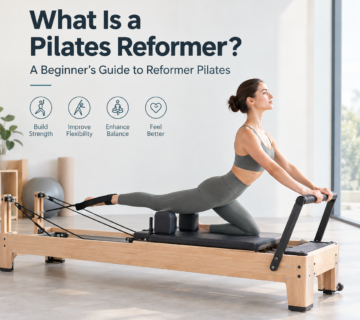
Il reformer Pilates è una forma di Pilates eseguita su una macchina appositamente progettata chiamata Pilates Reformer. Invece di fare affidamento esclusivamente sul peso corporeo, il reformer utilizza una resistenza a molla regolabile per fornire sia assistenza che sfida durante ogni esercizio.
A differenza delle macchine per pesi tradizionali che si muovono su percorsi fissi, un reformer consente al corpo di muoversi naturalmente mantenendo un allineamento corretto. La resistenza regolabile lo rende adatto a principianti assoluti, atleti esperti, anziani e individui che partecipano a programmi di riabilitazione.
Uno dei maggiori vantaggi del reformer Pilates è la sua versatilità. Una singola macchina può essere utilizzata per eseguire centinaia di esercizi, mirando a quasi tutti i principali gruppi muscolari migliorando al contempo coordinazione, flessibilità, equilibrio e postura.
Poiché la resistenza proviene da molle piuttosto che da pesi pesanti, i movimenti rimangono fluidi e controllati, riducendo l'impatto non necessario sulle articolazioni.
Oggi, il reformer Pilates è ampiamente utilizzato in:
Studi Pilates boutique
Centri fitness commerciali
Cliniche di fisioterapia
Strutture di allenamento sportivo professionistico
Palestre domestiche
Molti istruttori preferiscono anche i reformer perché consentono ai clienti di progredire gradualmente semplicemente regolando la resistenza delle molle piuttosto che aumentare drasticamente l'intensità dell'allenamento.
Cos'è un Reformer nel Pilates?
Un'altra domanda comune tra i principianti è:
"Cos'è un reformer nel Pilates?"
Un reformer Pilates è una macchina per esercizi specializzata progettata per migliorare forza, flessibilità, postura, equilibrio e controllo del corpo attraverso una resistenza controllata.
Sebbene i reformer moderni varino nell'aspetto, la maggior parte condivide gli stessi componenti essenziali e principi di movimento.
A differenza delle attrezzature da palestra convenzionali che isolano i singoli muscoli, il reformer incoraggia schemi di movimento a corpo intero, permettendo a più gruppi muscolari di lavorare insieme durante ogni esercizio.
Le molle regolabili del reformer creano resistenza in entrambe le direzioni del movimento.
Ciò significa che i muscoli lavorano sia durante la fase di spinta che di ritorno di un esercizio, migliorando il controllo muscolare piuttosto che fare affidamento sullo slancio.
La macchina supporta anche un allineamento corretto, rendendo molti movimenti più facili da imparare rispetto a un tappetino, consentendo allo stesso tempo agli utenti avanzati di eseguire esercizi molto più impegnativi.
-
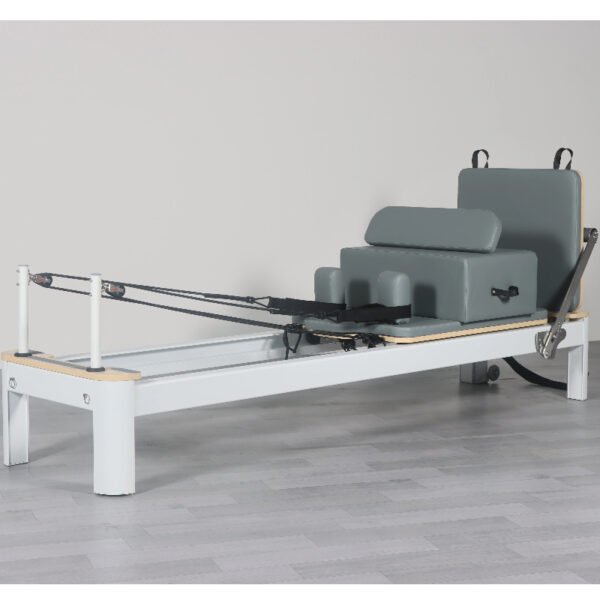
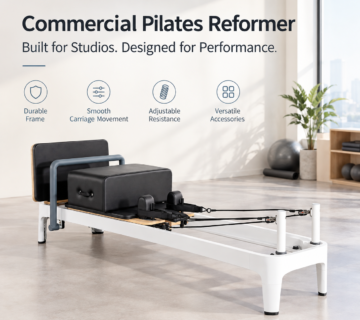
Aluminum Pilates Reformer Y04-01 | Full Track Commercial Pilates Equipment
-
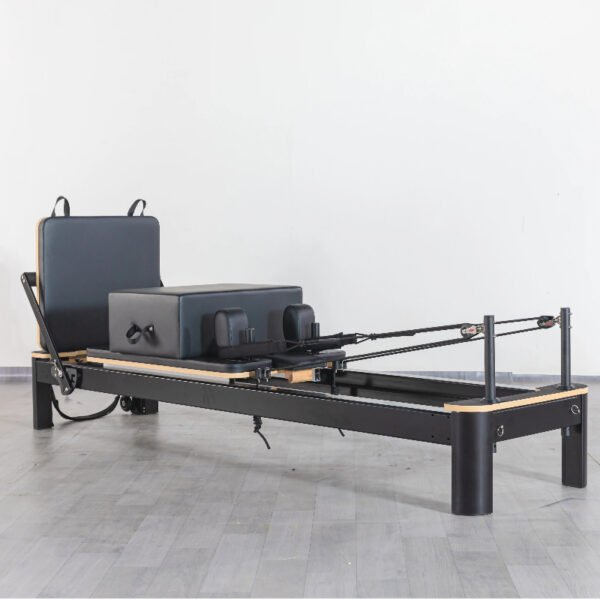
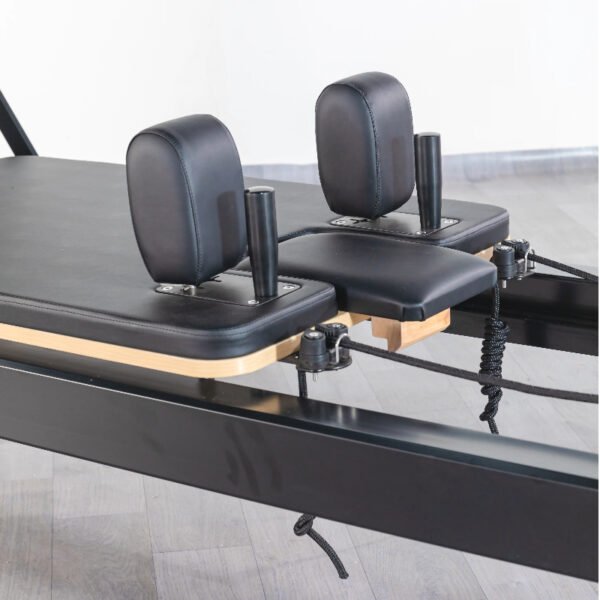
Y04 Aluminum Pilates Reformer Machine | Pilates Reformer Wholesale
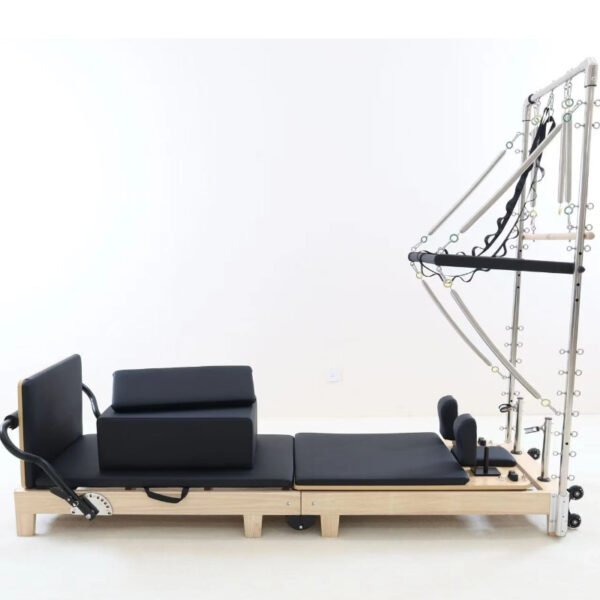
Parti Principali di un Reformer Pilates
Comprendere i componenti del reformer aiuta i principianti ad apprezzare come funziona l'attrezzatura.
| Componente | Funzione |
| Carrello | Piattaforma scorrevole dove vengono eseguiti la maggior parte degli esercizi |
| Molle | Forniscono resistenza regolabile per diversi livelli di fitness |
| Footbar | Utilizzato per esercizi di spinta, in piedi e per le gambe |
| Blocchi Spalla | Aiutano a stabilizzare la parte superiore del corpo durante il movimento |
| Corde e Cinghie | Collegano mani e piedi alla resistenza per esercizi della parte superiore e inferiore del corpo |
| Poggiatesta | Supporta il corretto allineamento del collo |
| Carrucole | Permettono un movimento multidirezionale fluido |
| Piattaforma in Piedi | Fornisce stabilità durante gli esercizi in piedi |
Molti reformer commerciali includono anche accessori opzionali come:
Jump board
Sedili (sitting box)
Accessori per tower
Cinghie per i piedi
Estensori per piattaforma
Questi accessori aumentano significativamente la varietà degli esercizi e rendono il reformer adatto a utenti con diversi obiettivi di allenamento.
Come Funziona un Reformer Pilates?
Il reformer Pilates funziona attraverso un sistema di molle regolabili, piuttosto che con la sola gravità.
Mentre spingi o tiri il carrello, le molle creano una resistenza fluida e costante.
Questo design offre diversi vantaggi:
Resistenza Regolabile
Diverse combinazioni di molle consentono di personalizzare gli allenamenti per principianti, anziani, atleti o clienti in riabilitazione.
Gamma Completa di Movimento
Il carrello scorrevole incoraggia il movimento naturale promuovendo al contempo la mobilità articolare.
Impegno Muscolare Continuo
Poiché la resistenza esiste durante tutto il movimento, i muscoli rimangono attivi sia durante la fase di estensione che di ritorno.
Migliore Consapevolezza Corporea
Il carrello in movimento fornisce un feedback immediato se la postura o l'allineamento iniziano a cambiare, aiutando gli utenti a migliorare la qualità del movimento.
Perché il Reformer Pilates è Così Popolare?
Nell'ultimo decennio, il reformer Pilates ha registrato una notevole crescita globale.
Diversi fattori contribuiscono alla sua popolarità.
1. Adatto a Quasi Ogni Livello di Fitness
I principianti apprezzano il supporto della macchina, mentre i praticanti esperti possono aumentare la resistenza delle molle per creare allenamenti più impegnativi.
2. Allenamento a Basso Impatto
A differenza della corsa o degli esercizi di salto, il reformer Pilates esercita uno stress relativamente basso su ginocchia, fianchi e caviglie.
3. Altamente Versatile
Un singolo reformer supporta centinaia di esercizi mirati a:
Gambe
Braccia
Schiena
Core
Spalle
Glutei
4. Apprendimento Progressivo
Gli esercizi diventano sempre più impegnativi senza richiedere complicati cambi di attrezzatura.
5. Allenamenti Full-Body Efficienti
La maggior parte delle sessioni su reformer coinvolge più gruppi muscolari simultaneamente, rendendo gli allenamenti sia efficienti in termini di tempo che altamente funzionali.
Pilates su Tappetino vs. Reformer Pilates
Molti principianti si chiedono se dovrebbero iniziare con il Pilates su tappetino o investire in un reformer.
La risposta dipende dai tuoi obiettivi, esperienza, spazio disponibile e budget.
Entrambi i metodi seguono gli stessi principi del Pilates ma forniscono diverse esperienze di allenamento.
| Caratteristica | Pilates su Tappetino | Reformer Pilates |
| Attrezzatura | Tappetino da esercizio | Macchina reformer Pilates |
| Resistenza | Peso corporeo | Resistenza a molla regolabile |
| Adatto ai Principianti | Sì | Sì |
| Varietà di Esercizi | Moderata | Estesa |
| Supporto Muscolare | Limitato | Alto |
| Sfida per il Core | Alta | Alta |
| Allenamento della Flessibilità | Eccellente | Eccellente |
| Progressione della Forza | Solo peso corporeo | Resistenza regolabile |
| Uso Domestico | Molto comodo | Richiede attrezzatura |
| Allenamento in Studio | Comune | Opzione più popolare |
Quale è Migliore?
La buona notizia è che nessun metodo è oggettivamente "migliore".
Invece, si completano a vicenda.
Il Pilates su tappetino potrebbe essere ideale se:
Sei completamente nuovo al Pilates
Preferisci allenarti a casa
Hai un budget limitato
Vuoi imparare le basi
Il Reformer Pilates potrebbe essere ideale se:
Vuoi più varietà di esercizi
Preferisci sessioni guidate in studio
Hai bisogno di resistenza regolabile
Ti stai riprendendo da determinati infortuni sotto supervisione professionale
Vuoi progredire oltre l'allenamento per principianti
Molti praticanti esperti combinano regolarmente entrambi i metodi per godere dei benefici di ciascuno.
Come Scegliere il Reformer Pilates Giusto
Se hai deciso che il reformer Pilates si adatta ai tuoi obiettivi, scegliere la macchina giusta è un investimento importante.
Non tutti i reformer sono progettati per lo stesso ambiente o utente.
Per Uso Domestico
Gli utenti domestici spesso danno priorità a:
Design pieghevoli per risparmiare spazio
Funzionamento silenzioso
Movimento fluido del carrello
Resistenza a molla regolabile
Facile assemblaggio
Imbottitura confortevole
Un reformer pieghevole può essere un'ottima soluzione per appartamenti o stanze polifunzionali dove lo spazio è limitato.
Per Studi Pilates
Gli studi commerciali richiedono in genere attrezzature in grado di resistere all'uso frequente quotidiano.
Le considerazioni importanti includono:
Telaio in alluminio o legno di qualità commerciale
Sistemi a molla di alta qualità
Rivestimento durevole
Footbar e corde regolabili
Cuscinetti del carrello fluidi
Facile manutenzione
Supporto di garanzia a lungo termine
Investire in attrezzature di livello professionale aiuta a offrire un'esperienza coerente ai clienti riducendo al contempo i costi di manutenzione a lungo termine.
Scegliere un Produttore Affidabile
Quando si valutano i reformer Pilates, vale anche la pena considerare il produttore dietro l'attrezzatura.
Cerca fornitori che offrano:
Costruzione di qualità commerciale
Certificazioni di sicurezza internazionali
Opzioni di personalizzazione OEM/ODM
Assistenza post-vendita affidabile
Copertura di garanzia
Disponibilità di parti di ricambio
Per studi, distributori e aziende del fitness, collaborare con un produttore esperto può fornire un valore a lungo termine migliore rispetto a concentrarsi esclusivamente sul prezzo di acquisto iniziale.
In quanto produttore professionale di attrezzature Pilates, CoreFlow offre un'ampia gamma di reformer Pilates commerciali e domestici, inclusi reformer pieghevoli, reformer con tower, reformer in legno e reformer in alluminio progettati per soddisfare le esigenze di studi, palestre, distributori e utenti domestici in tutto il mondo.
Come i Principianti Possono Iniziare con il Pilates
Uno dei più grandi equivoci sul Pilates è che devi essere flessibile o in forma prima di iniziare. In realtà, il Pilates è progettato per incontrarti dove sei. Gli esercizi possono essere modificati per diverse età, abilità e livelli di fitness, rendendolo un'opzione accessibile per quasi tutti.
Se sei nuovo al Pilates, questi passaggi pratici ti aiuteranno a costruire una solida base.
1. Inizia con le Basi
Prima di tentare esercizi avanzati, concentrati sull'apprendimento dei principi fondamentali del Pilates:
Allineamento della colonna vertebrale neutra
Attivazione del core
Respirazione corretta
Movimento controllato
Transizioni fluide
Padroneggiare queste basi renderà gli esercizi più impegnativi più sicuri ed efficaci.
2. Scegli il Tipo Giusto di Pilates
Per la maggior parte dei principianti, ci sono due eccellenti punti di partenza:
Pilates su tappetino: Ideale se vuoi imparare le basi con un'attrezzatura minima.
Reformer Pilates: Ottimo se preferisci istruzioni guidate, resistenza regolabile e supporto aggiuntivo durante i movimenti.
Molti principianti trovano il reformer Pilates più facile perché la macchina fornisce feedback e assistenza incoraggiando al contempo un allineamento corretto.
3. Pratica con Costanza
La costanza è più importante della durata dell'allenamento.
Un buon programma per principianti è:
2–3 sessioni a settimana
30–60 minuti per sessione
Man mano che la tua forza e fiducia migliorano, puoi aumentare gradualmente la frequenza o incorporare sia sessioni su tappetino che su reformer nella tua routine.
4. Concentrati sulla Tecnica, Non sulla Velocità
A differenza degli allenamenti ad alta intensità, il Pilates premia la precisione.
Invece di affrettare le ripetizioni:
Muoviti lentamente.
Respira naturalmente.
Mantieni una postura corretta.
Attiva il core durante ogni movimento.
Eseguire meno ripetizioni con una buona tecnica è più vantaggioso che fare molte ripetizioni con una forma scorretta.
5. Impara da un Istruttore Qualificato
Se possibile, inizia con un istruttore di Pilates certificato che possa:
Correggere la tua postura
Modificare gli esercizi in base alle tue capacità
Spiegare le tecniche di respirazione
Aiutare a prevenire schemi di movimento compensatori
Anche poche sessioni guidate professionalmente possono migliorare significativamente i tuoi progressi a lungo termine.
Errori Comuni dei Principianti da Evitare
Come ogni nuovo programma di fitness, il Pilates ha una curva di apprendimento. Evitare questi errori comuni può aiutarti a ottenere risultati migliori riducendo al contempo il rischio di fastidi.
Trattenere il Respiro
La respirazione è una parte fondamentale di ogni esercizio di Pilates.
Una respirazione corretta aiuta a:
Stabilizzare il core
Migliorare l'efficienza del movimento
Ridurre la tensione muscolare non necessaria
Se noti che stai trattenendo il respiro, rallenta e concentrati di nuovo sul tuo ritmo respiratorio.
Usare lo Slancio Invece del Controllo
Il Pilates riguarda il movimento controllato, non la velocità.
Oscillare le gambe o usare lo slancio riduce l'impegno muscolare e rende gli esercizi meno efficaci.
Pensa a ogni ripetizione come fluida e deliberata.
Ignorare l'Attivazione del Core
Molti principianti credono erroneamente che "core" significhi contrarre solo i muscoli addominali.
Nel Pilates, l'attivazione del core coinvolge l'attivazione coordinata dell'addome, del pavimento pelvico, del diaframma e dei muscoli della parte bassa della schiena.
Imparare questa connessione richiede pratica, ma è uno dei più grandi punti di forza del metodo.
Confrontarsi con gli Altri
Il Pilates è altamente individualizzato.
Ogni praticante progredisce a un ritmo diverso a seconda dell'età, della mobilità, dell'allenamento precedente e degli obiettivi personali.
Concentrati sul migliorare la tua qualità di movimento piuttosto che eguagliare le prestazioni di qualcun altro.
Saltare il Recupero
Il riposo fa parte del progresso.
Concedi ai tuoi muscoli il tempo di recuperare tra le sessioni, specialmente durante le prime settimane.
Quanto Tempo Ci Vuole per Vedere i Risultati?
I risultati variano a seconda della costanza, del livello di fitness, dell'alimentazione e dello stile di vita generale.
Tuttavia, molti principianti riferiscono di notare miglioramenti in:
Entro 2–4 Settimane
Migliore postura
Maggiore consapevolezza corporea
Migliore flessibilità
Maggiore fiducia nell'esecuzione degli esercizi
Entro 6–8 Settimane
Migliore forza del core
Migliore equilibrio
Maggiore resistenza muscolare
Schemi di movimento più fluidi
Dopo Diversi Mesi
Con la pratica regolare, molte persone sperimentano:
Migliore condizione fisica generale
Postura migliorata nella vita quotidiana
Maggiore efficienza del movimento
Maggiore flessibilità
Maggiore forza funzionale
I cambiamenti visibili nella composizione corporea dipendono da molti fattori, tra cui la dieta e l'attività fisica totale, ma il Pilates costante può contribuire a migliorare il tono muscolare e la forma fisica generale.
Come diceva Joseph Pilates:
"In 10 sedute sentirai la differenza, in 20 vedrai la differenza e in 30 avrai un corpo completamente nuovo."
Sebbene le esperienze individuali varino, questa citazione riflette l'importanza della costanza piuttosto che delle soluzioni rapide.
Conclusione
Quindi, cos'è il Pilates?
Il Pilates è molto più di una tendenza fitness. È un sistema di movimento completo che combina forza, flessibilità, equilibrio, postura, respirazione e controllo consapevole in un unico allenamento a basso impatto.
Che il tuo obiettivo sia migliorare la forza del core, ridurre gli effetti delle lunghe ore alla scrivania, migliorare le prestazioni atletiche o semplicemente muoverti più comodamente nella vita quotidiana, il Pilates offre un approccio sostenibile che può adattarsi alle tue esigenze individuali.
Per i principianti, il Pilates su tappetino fornisce un'eccellente introduzione al metodo, mentre il reformer Pilates offre una versatilità aggiuntiva attraverso la resistenza regolabile e il movimento assistito dall'attrezzatura. Entrambi gli approcci seguono gli stessi principi e possono completarsi a vicenda man mano che la tua pratica si evolve.
Se stai pianificando di allestire una palestra domestica o gestire uno studio Pilates professionale, investire in un reformer di alta qualità può elevare la tua esperienza di allenamento. Scegliere attrezzature durevoli e ben progettate garantisce prestazioni fluide, affidabilità a lungo termine e un ambiente di allenamento più sicuro.
In definitiva, il miglior programma di Pilates è quello che puoi praticare con costanza. Concentrandoti sulla tecnica corretta, sulla progressione graduale e sul movimento regolare, sarai sulla buona strada per godere dei benefici fisici e mentali a lungo termine che hanno reso il Pilates un metodo di esercizio affidabile per più di un secolo.
FAQ
1. A cosa serve il Pilates?
Il Pilates aiuta a migliorare la forza del core, la postura, la flessibilità, l'equilibrio, la coordinazione e la consapevolezza corporea. Può anche supportare una migliore qualità del movimento nelle attività quotidiane e completare altre forme di esercizio.
2. Cos'è il reformer Pilates?
Il reformer Pilates viene eseguito su una macchina specializzata che utilizza molle regolabili per fornire resistenza e supporto. Consente una maggiore varietà di esercizi rispetto al Pilates su tappetino ed è adatto sia ai principianti che ai praticanti avanzati.
3. Cos'è un reformer nel Pilates?
Un Pilates Reformer è un'attrezzatura con un carrello scorrevole, molle, corde e un footbar. Crea una resistenza controllata per aiutare gli utenti a eseguire centinaia di esercizi per tutto il corpo in modo sicuro ed efficace.
4. Cosa fa il Pilates per il tuo corpo?
Il Pilates rafforza il core, migliora la postura, aumenta la flessibilità, migliora l'equilibrio, promuove una migliore consapevolezza corporea e supporta schemi di movimento più sani nella vita quotidiana.
5. Il Pilates è adatto ai principianti?
Sì. Il Pilates è ampiamente considerato adatto ai principianti perché gli esercizi possono essere modificati per diversi livelli di fitness e abilità fisiche.
6. Con quale frequenza dovrei fare Pilates?
La maggior parte dei principianti trae beneficio da 2–3 sessioni a settimana, mentre i praticanti più esperti possono scegliere di praticare 4–5 volte a settimana a seconda dei loro obiettivi.
7. Il Pilates può aiutare con la perdita di peso?
Il Pilates supporta la gestione del peso costruendo massa magra, migliorando la forma fisica generale e aumentando l'efficienza del movimento quotidiano. Per una significativa perdita di peso, è più efficace se combinato con una dieta equilibrata e regolare esercizio cardiovascolare.
8. Il Pilates è meglio dello yoga?
Nessuno dei due è intrinsecamente migliore. Lo yoga enfatizza flessibilità, meditazione e posizioni statiche, mentre il Pilates si concentra maggiormente sulla forza del core, il movimento controllato, la postura e il fitness funzionale.
9. Ho bisogno di un reformer per praticare Pilates?
No. Molti esercizi efficaci di Pilates richiedono solo un tappetino da esercizio. Un reformer espande la varietà degli esercizi e fornisce resistenza regolabile, ma non è essenziale per iniziare.
10. Il Pilates su tappetino è efficace quanto il reformer Pilates?
Sì. Entrambe le forme seguono gli stessi principi e possono dare risultati eccellenti. Il reformer Pilates offre più opzioni di resistenza e varietà di esercizi, mentre il Pilates su tappetino è economico, accessibile e altamente efficace per sviluppare la forza del core.
11. Gli anziani possono fare Pilates?
In molti casi, sì. Poiché il Pilates è a basso impatto e altamente adattabile, è una scelta popolare per gli anziani. Le persone con condizioni mediche dovrebbero consultare il proprio medico prima di iniziare un nuovo programma di esercizi.
12. Il Pilates può migliorare la postura?
Sì. Il Pilates enfatizza l'allineamento spinale, la stabilità del core e lo sviluppo muscolare equilibrato, tutti elementi che contribuiscono a una postura più sana nel tempo.
13. Il Pilates è considerato allenamento della forza?
Il Pilates sviluppa forza e resistenza muscolare utilizzando il peso corporeo o la resistenza a molla. Sebbene differisca dal sollevamento pesi tradizionale, è ampiamente riconosciuto come una forma efficace di allenamento funzionale della forza.
14. Quanto tempo ci vuole per vedere i risultati del Pilates?
Molte persone notano un miglioramento della postura, della flessibilità e della consapevolezza corporea entro poche settimane. Miglioramenti più significativi nella forza e nella qualità del movimento diventano spesso evidenti dopo 6–8 settimane di pratica costante.
15. Cosa dovrei cercare quando acquisto un reformer Pilates?
Considera l'uso previsto, il materiale del telaio, la qualità delle molle, la scorrevolezza del carrello, la regolabilità, gli accessori disponibili, la garanzia e l'assistenza post-vendita. Gli utenti domestici possono preferire modelli pieghevoli, mentre gli studi generalmente traggono vantaggio da reformer di qualità commerciale progettati per un uso frequente.

No comment