
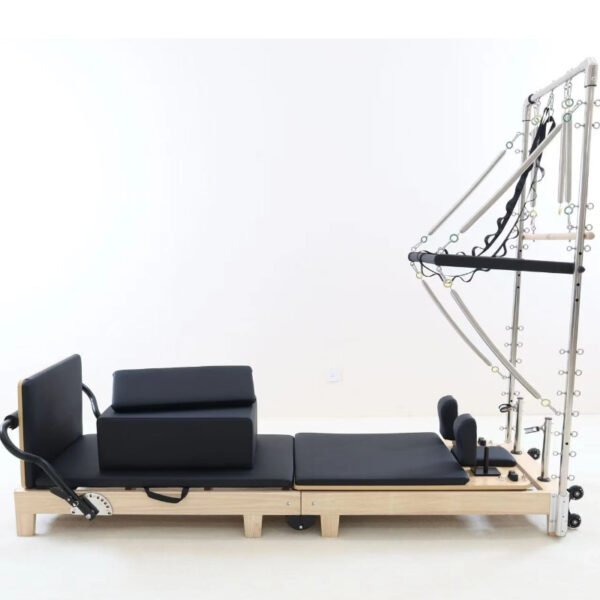
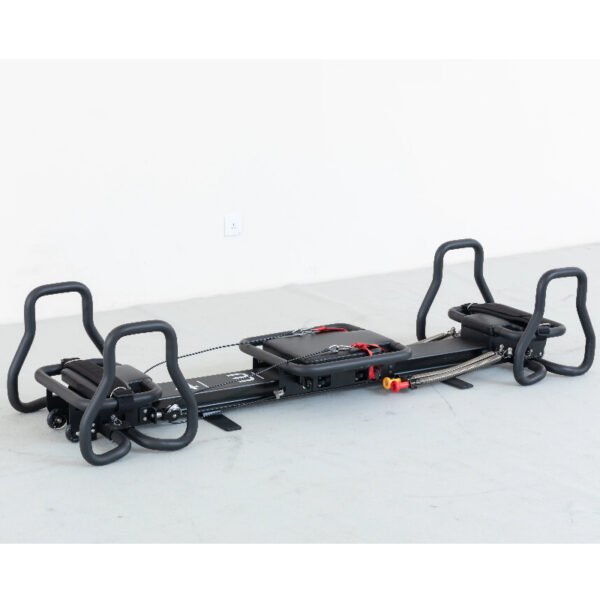






If you’ve been exploring ways to differentiate your Pilates studio or expand your equipment offering, Lagree Pilates has likely come up more than once. It’s often mentioned alongside traditional reformer Pilates—but the two are not the same.
For studio owners and commercial buyers, understanding what Lagree really is (and how it compares to Pilates) goes beyond fitness trends. It directly impacts your equipment investment, pricing strategy, and long-term positioning.
This guide breaks down what Lagree Pilates is, how the equipment works, and what it means from a business perspective—especially if you’re targeting the growing boutique fitness market.💡
What Is Lagree Pilates and Why Is It Growing So Fast?
Lagree Pilates is a high-intensity, low-impact training method designed to build strength, endurance, and core stability in a single session. Workouts are performed slowly, with continuous muscle engagement, which creates a very different experience compared to traditional Pilates.
Unlike classic reformer Pilates, where movements are often segmented and restorative, Lagree sessions are structured to keep muscles under tension almost the entire time. This is what gives clients that “shaking” fatigue feeling—and why many report faster visible results.🔥
Growth-wise, Lagree fits perfectly into the boutique fitness model. According to IBISWorld, consumers are increasingly choosing specialized, results-driven workouts over general gym memberships. Lagree studios benefit from this shift because they offer something that feels both exclusive and effective.
In practical terms, studio owners are seeing:
Higher class demand during peak hours📈
Strong repeat bookings🔁
Willingness from clients to pay premium prices💰
Who Created the Lagree Method and What Makes It Unique?
The Lagree Method was developed by Sébastien Lagree, who wanted to combine the core principles of Pilates with strength training intensity.
What sets Lagree apart isn’t just the equipment—it’s the training philosophy:
- Movements are deliberately slow🐢
- Transitions are seamless, with almost no rest
- Multiple muscle groups are engaged at once
This is why comparisons like lagree vs pilates or pilates vs lagree often come down to intensity and training goals. Pilates leans more toward control and alignment, while Lagree pushes muscular endurance and fatigue.
What Equipment Is Required for Lagree Pilates Studios?
What Is a Megaformer and How Does It Drive Studio Demand?
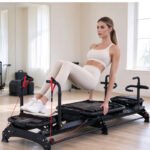
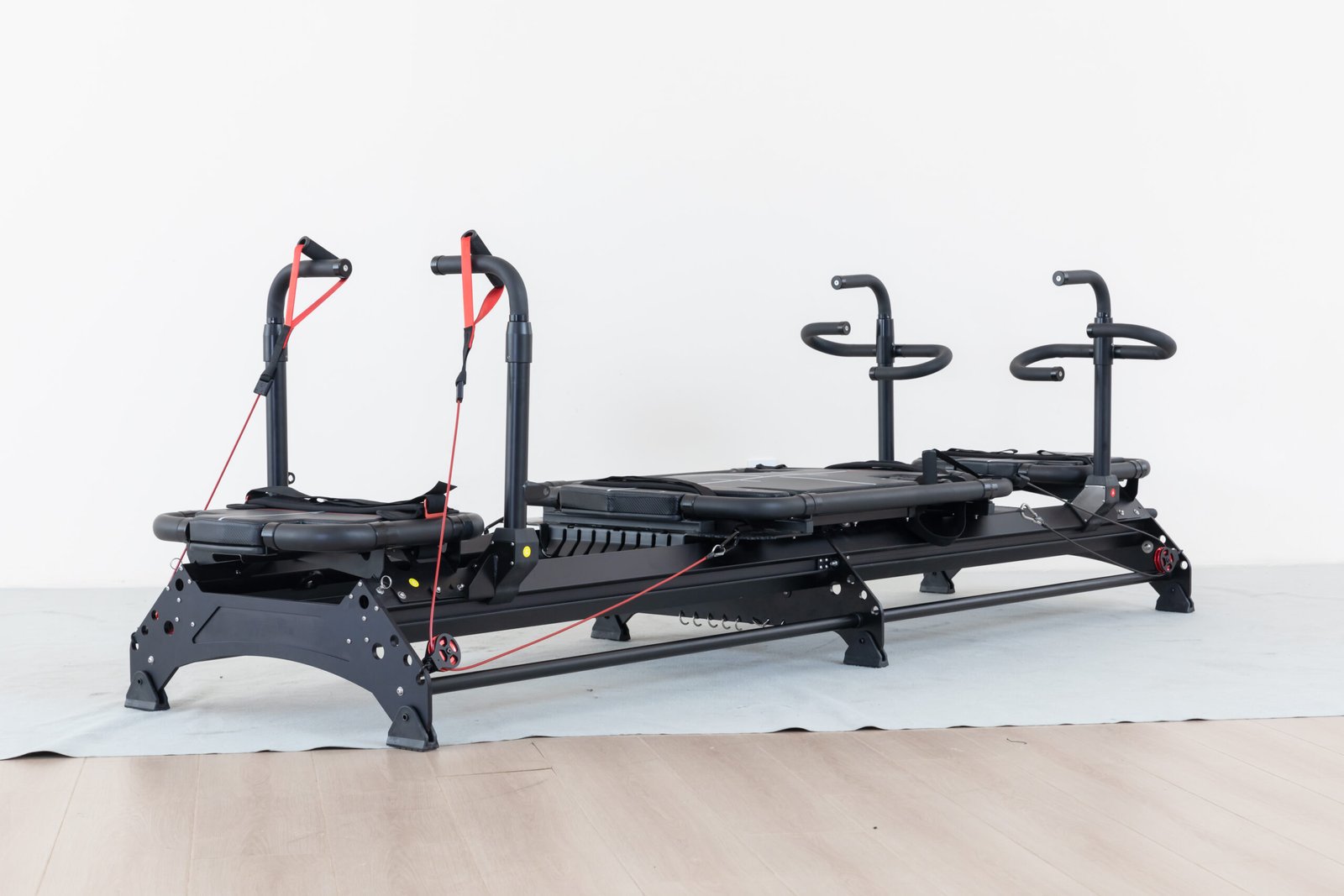
At the center of every Lagree studio is the Megaformer. It may look similar to a Pilates reformer at first glance, but it’s built for a completely different style of training.
The Megaformer uses a combination of springs and cables to create constant resistance, allowing users to move slowly while keeping tension on the muscles the entire time.⚙️
From a business perspective, the machine itself becomes part of the marketing. Clients often seek out studios specifically because they want to try Lagree on a Megaformer.
If you’re evaluating equipment options, a commercial-grade lagree reformer can give you a clearer idea of how these machines are designed for studio use.⚠️
Can Traditional Pilates Reformers Be Used for Lagree Training?
This is one of the most common questions when comparing a lagree pilates reformer setup with a standard Pilates studio.
Technically, some movements can be adapted—but in practice, it’s not ideal.
Traditional reformers:
Don’t provide the same level of resistance
Aren’t designed for continuous, high-tension sequences
Limit the range of Lagree-specific exercises
That’s why most studios that want to offer authentic Lagree classes invest in dedicated machines like the Megaformer rather than trying to modify existing equipment.
Why Should Studios Invest in Lagree Equipment?
How Does Lagree Increase Client Retention and Revenue?
From a studio operator’s perspective, Lagree stands out because it naturally encourages consistency.
Clients often feel challenged after their first class, but they also notice results relatively quickly. That combination tends to drive repeat bookings.
In real-world studio scenarios:
Many clients attend 2–3 times per week📅
Membership retention improves over time📊
Referrals increase as clients share their experience🤝
This isn’t just about fitness—it’s about creating a product that keeps people coming back.
What Makes Lagree Classes More Profitable Than Traditional Pilates?
Lagree classes are typically positioned at a premium price point, and there are a few reasons for that:
| Factor | Traditional Pilates | Lagree |
| Perceived Intensity | Moderate | High |
| Class Pricing | Standard | Premium |
| Session Efficiency | Moderate | High |
| Revenue Potential | Stable | Higher |
Because sessions are slightly shorter and highly efficient, studios can run more classes per day—while maintaining strong demand.
For many operators, this translates into better revenue per square foot compared to a traditional reformer-only model.
Lagree vs Pilates Equipment: What Should Buyers Consider?
What Are the Key Differences in Design and Resistance Systems?
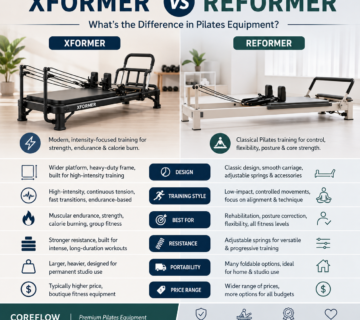
| Feature | Pilates Reformer | Lagree Machine |
| Resistance | Springs | Springs + cables |
| Training Style | Controlled, segmented | Continuous tension |
| Intensity | Lower | Higher |
| Use Case | Rehab, flexibility | Strength, endurance |
Understanding this difference between lagree and pilates helps avoid a common mistake—assuming the machines are interchangeable.
Which Equipment Is Better for Your Target Market?
It really comes down to your audience.
If your clients are beginners, rehab-focused, or older adults, traditional reformers still make sense.
If you’re targeting younger, fitness-driven clients looking for intensity and fast results, Lagree is often the better fit.
Many studios today are moving toward hybrid models, offering both options to cover a wider customer base.🎯
How to Choose the Right Lagree or Pilates Equipment Supplier?
What Features Should Commercial Buyers Look For?
When sourcing equipment, focus on what will hold up under daily studio use:
- Strong frame construction
- Smooth carriage movement
- Reliable resistance system
- Easy maintenance
These details may not be obvious at first, but they directly impact client experience and long-term costs.
Why Manufacturing Quality and Customization Matter?
For growing studios or distributors, customization can be a practical advantage.
Being able to align equipment with your brand—colors, finishes, even layout—helps create a more cohesive studio environment. At the same time, high manufacturing standards reduce downtime and ensure consistent performance.
In a competitive market, those details can make a noticeable difference.
Conclusion
Lagree Pilates isn’t just another variation of Pilates—it’s a distinct training system with its own equipment, audience, and business model.
For studio owners, understanding the nuances of lagree vs reformer and pilates vs lagree is key to making the right investment. Done well, Lagree can help position your studio as a premium offering, attract a dedicated client base, and improve overall profitability.🚀
FAQs
Can a Pilates studio add Lagree equipment to expand services?
Yes, and many do. Adding Lagree allows studios to attract a different segment of clients without replacing their existing Pilates offerings.
What is the ROI of investing in Lagree-style machines?
ROI depends on pricing, utilization, and location, but many studios find that premium class pricing and strong retention help offset the initial investment relatively quickly.
How many machines does a Lagree studio need to start?
A typical starting point is 8–12 machines, but smaller studios can begin with fewer units and scale as demand grows.

No comment