
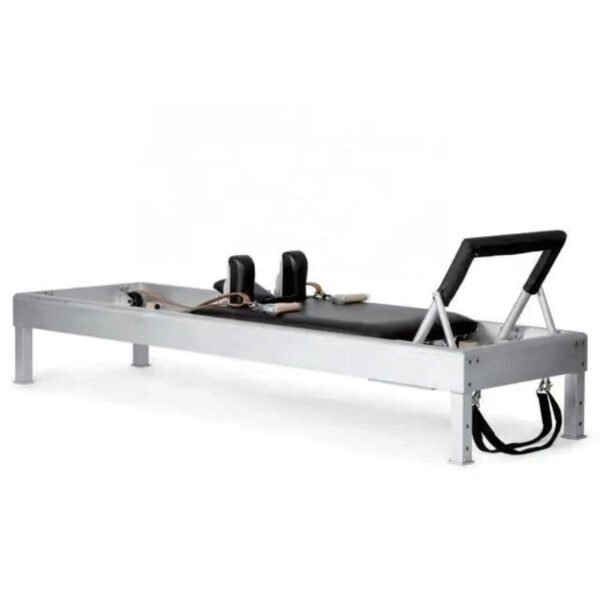
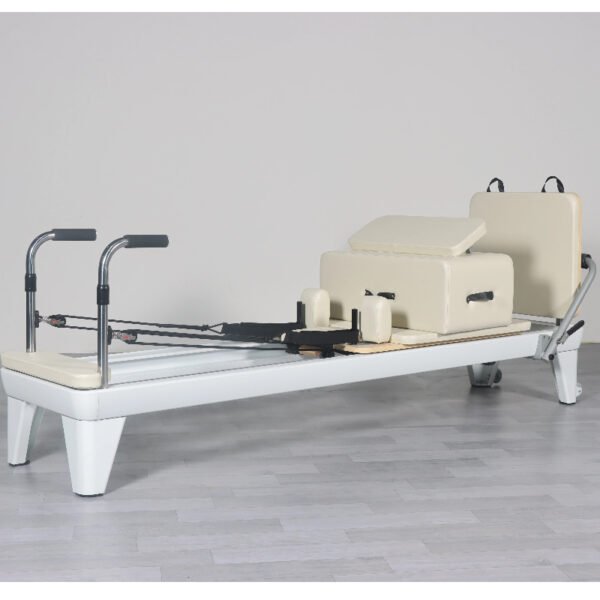
The comparison of Xformer vs Reformer has become increasingly common as modern Pilates-inspired fitness continues to evolve. While both machines use spring resistance and sliding platforms to create low-impact, full-body workouts, they are designed for different training experiences and fitness goals. Traditional Pilates Reformers focus on controlled movement, posture, flexibility, and core strength, while Xformer-style machines emphasize higher-intensity, strength-based workouts with faster transitions and endurance training.
Understanding the differences between these two systems is important for home users, fitness studios, and Pilates enthusiasts looking to choose the right equipment. In this guide, we’ll compare design, functionality, portability, pricing, and workout experience while also exploring how CoreFlow Pilates equipment supports professional and home training environments.
What Is a Pilates Reformer and Why Is It So Popular?
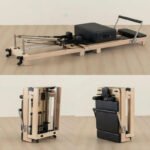
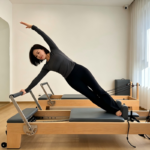
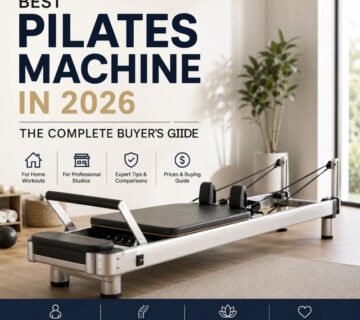
The Pilates Reformer is one of the most widely used Pilates machines in the world. It features a sliding carriage, adjustable springs, straps, and a footbar that allow users to perform controlled resistance-based exercises for the entire body.
Its popularity comes from its versatility. Reformers support strength training, flexibility improvement, rehabilitation, posture correction, and core stabilization in one low-impact system. Exercises can be adapted for beginners, athletes, seniors, and rehabilitation clients, making the reformer suitable for nearly all fitness levels.
Another reason for its popularity is smooth, controlled movement. Unlike high-impact workouts, reformer exercises reduce stress on joints while still building strength and endurance. CoreFlow Pilates Reformers are designed with durable frames, smooth carriage systems, and ergonomic features that support both home users and professional studios.
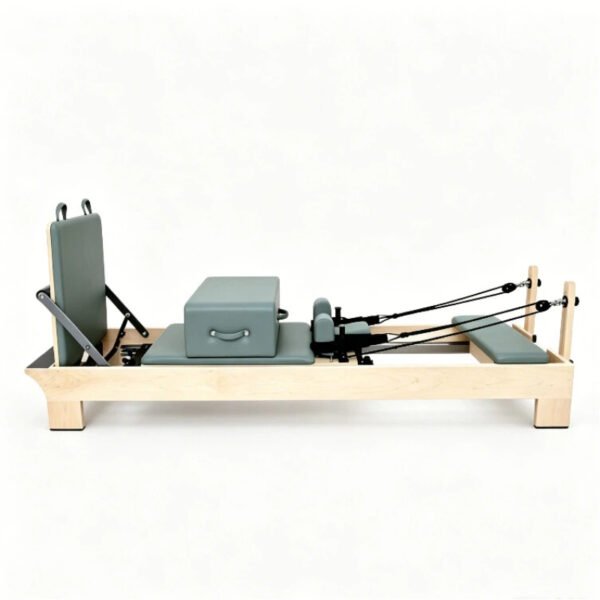
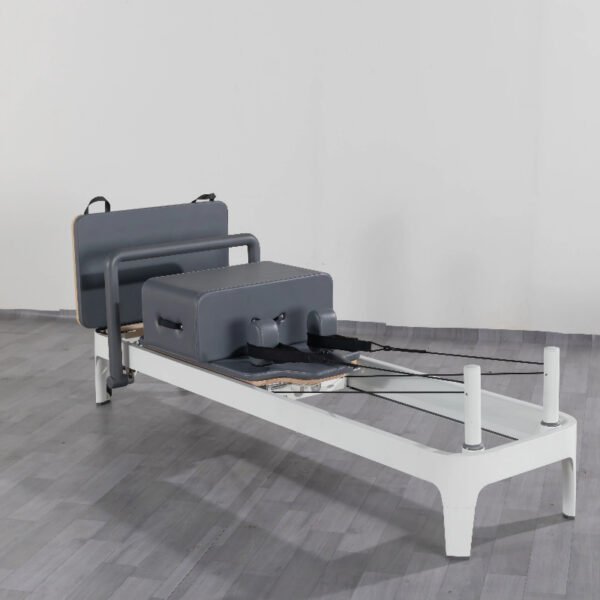
What Is an Xformer and How Does It Differ From Traditional Equipment?
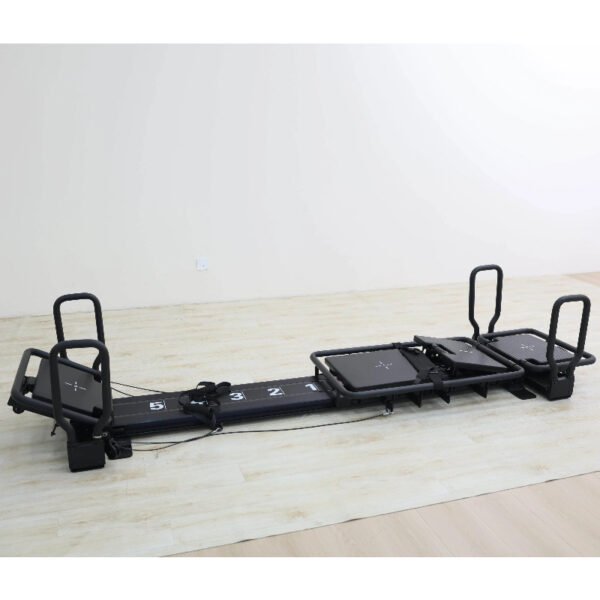
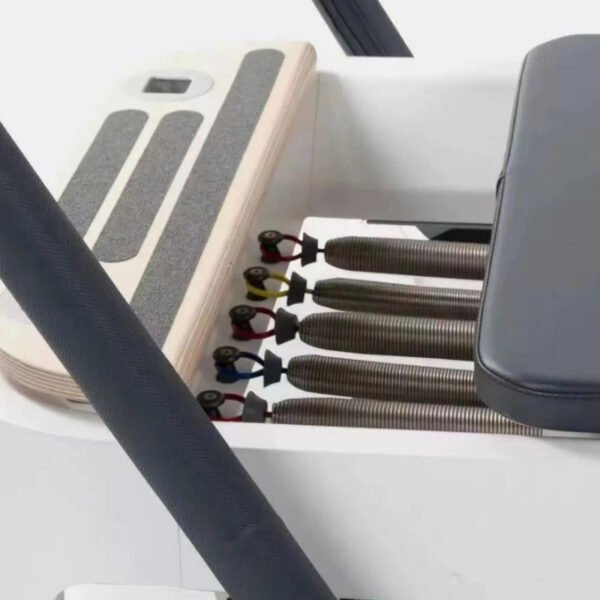
An Xformer is a modern fitness machine inspired by Pilates equipment but designed for more intense, fitness-focused training. While it shares similarities with a traditional reformer, it typically emphasizes muscular endurance, high-intensity resistance work, and continuous movement patterns.
Xformer-style workouts often involve slower movements under constant tension, challenging muscles for longer periods with minimal rest between exercises. This creates a more cardio-strength hybrid experience compared to traditional Pilates training.
The machine itself may feature wider platforms, heavier spring resistance, and designs optimized for fast transitions between exercises. While traditional reformers focus heavily on alignment and controlled Pilates technique, Xformer systems are generally more fitness-oriented and physically demanding.
This makes them popular in boutique fitness studios that combine Pilates-inspired movement with high-intensity training concepts.
Xformer vs Reformer: What Are the Key Differences in Design and Function?
The biggest difference in Xformer vs Reformer is training philosophy. Traditional reformers prioritize precision, posture, flexibility, and core engagement, while Xformer-style machines focus more on muscular endurance and intensity.
In terms of design, reformers usually feature smoother carriage movement, adjustable spring systems, and classic Pilates accessories such as towers or jump boards. They are built to support a wide variety of rehabilitation and flexibility exercises.
Xformer machines often use stronger resistance and larger platforms designed for athletic-style workouts. Exercises are generally faster-paced in transition and involve continuous muscle engagement with less emphasis on classical Pilates technique.
Functionally, reformers are more versatile for rehabilitation, posture correction, and long-term Pilates practice, while Xformer systems are often preferred for calorie-burning, endurance-focused group fitness training.
Which Is Better for Home Use, Studio Training, and Portability?
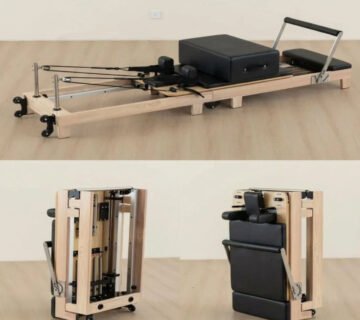
For home use, traditional Pilates Reformers are often the better option because they provide a more balanced and beginner-friendly workout experience. Many models, including foldable CoreFlow Reformers, are specifically designed to save space while maintaining professional functionality.
In professional studios, both machines can be effective depending on the business model. Classical Pilates studios typically prefer reformers because they support a broader range of exercises and client needs. Boutique fitness studios focused on high-intensity group workouts may prefer Xformer-style systems.
Regarding portability, foldable reformers are generally more practical for home environments. Xformer-style machines are often larger, heavier, and intended for permanent studio setups due to their commercial fitness focus.
Xformer vs Reformer: Pricing, Training Experience, and Fitness Results
Price is another major factor when comparing Xformer vs Reformer. Traditional reformers are available across a wider range of budgets, from affordable foldable home models to premium commercial studio machines. Xformer-style equipment is usually positioned as high-end boutique fitness equipment and may cost more due to specialized design and limited manufacturing availability.
The training experience also differs significantly. Reformers provide controlled, low-impact workouts that improve posture, flexibility, and total-body strength. Xformer workouts are generally more intense and physically demanding, emphasizing muscular fatigue and endurance.
Both systems can deliver strong fitness results, but the ideal choice depends on personal goals. Users seeking balanced Pilates training, rehabilitation, and long-term flexibility often benefit more from a reformer. Those focused on high-intensity strength and calorie-burning workouts may prefer Xformer-style training.
Conclusion
When comparing Xformer vs Reformer, both systems offer effective full-body workouts but serve different fitness purposes. Traditional Pilates Reformers focus on controlled movement, flexibility, posture, and core strength, while Xformer-style machines emphasize intensity, endurance, and fitness-focused resistance training.
For most home users and Pilates studios, a high-quality Pilates Reformer from CoreFlow provides greater versatility, accessibility, and long-term value. Whether for rehabilitation, strength training, or professional studio instruction, reformers remain one of the most adaptable and effective Pilates equipment choices available today.
FAQs
Is an Xformer just a modern version of a Reformer?
Not exactly. While inspired by the reformer, the Xformer is designed for more intense, endurance-focused workouts and differs in both training style and machine design.
Which equipment is better for beginners starting Pilates at home?
A traditional Pilates Reformer is usually better for beginners because it supports controlled movement, adjustable resistance, and beginner-friendly exercise progressions.
Do Xformers and Reformers provide the same workout benefits?
They share some similarities, but reformers focus more on flexibility, posture, and balanced strength, while Xformer systems emphasize muscular endurance and high-intensity fitness training.

No comment