
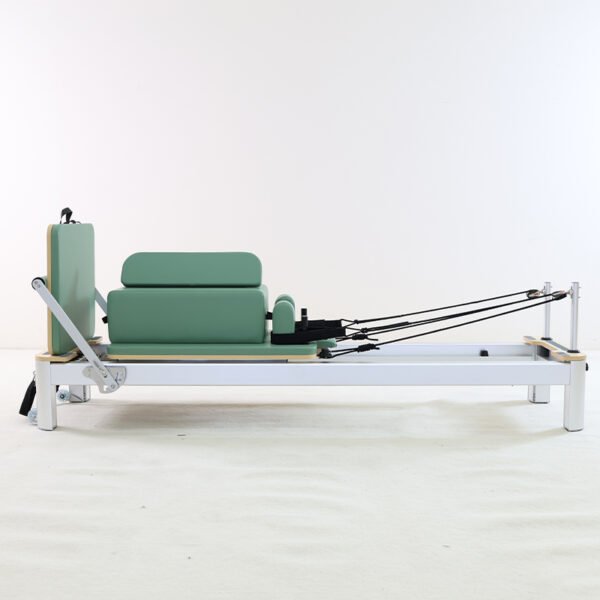
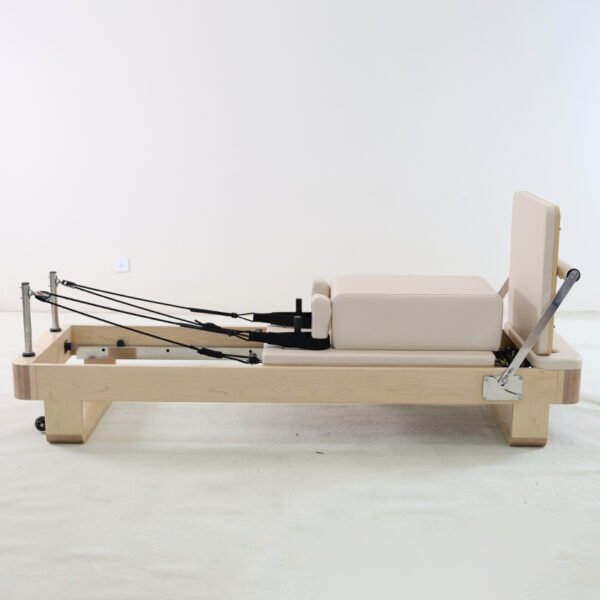






Pilates reformers have become one of the most popular pieces of fitness equipment for both home workouts and professional studios. From beginners looking for low-impact exercise to studio owners building commercial Pilates spaces, one question appears consistently:
How much does a Pilates reformer cost?
The answer varies depending on build quality, frame material, resistance system, accessories, and intended use. In today’s U.S. market, most Pilates reformers range from several hundred dollars for entry-level foldable models to around $5,000 for premium and commercial-grade equipment.
For many buyers, pricing can feel confusing at first. Some reformers look similar online but differ greatly in stability, durability, and long-term performance. Understanding what affects cost helps buyers avoid overspending while still choosing equipment that fits their training goals.
This guide explains average Pilates reformer prices, the factors that influence cost, differences between home and commercial models, and practical buying advice for both beginners and studio owners.
-
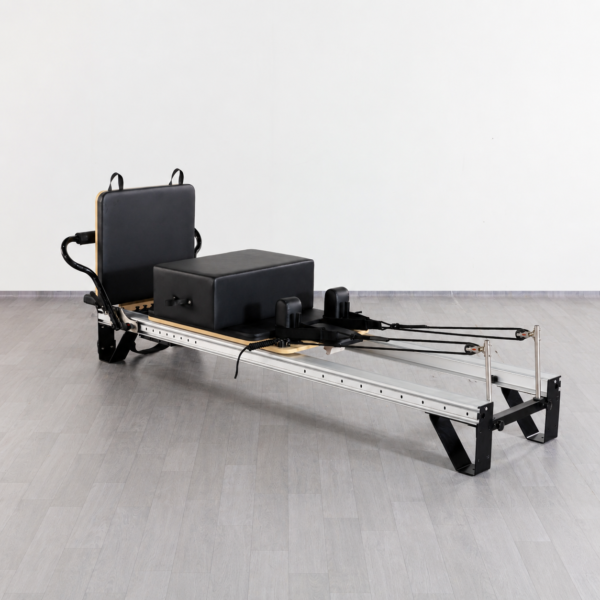
C05-01 Aluminum Pilates Reformer | Commercial Studio Equipment
-
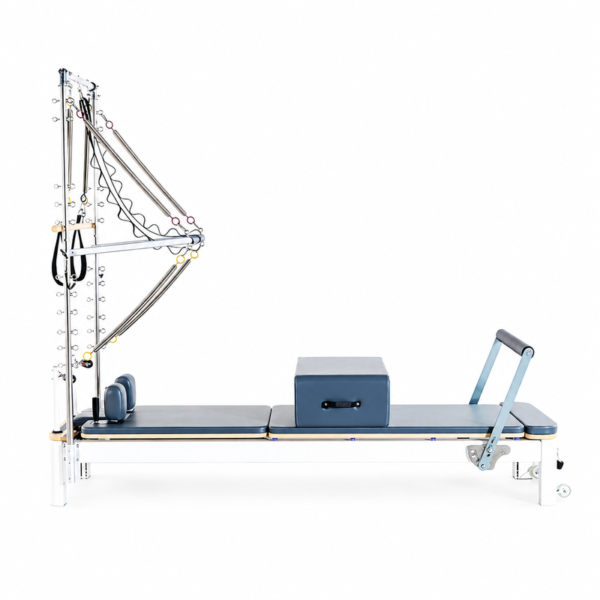
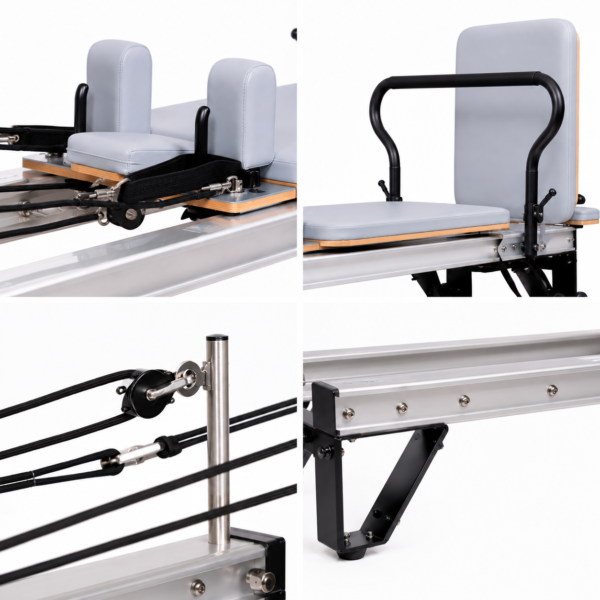
Y04-2Pilates Reformer With Tower Aluminum Machine for Studio & Home
How Much Does a Pilates Reformer Cost on Average?
Most Pilates reformers sold in the United States fall into three major price categories.
| Reformer Type | Typical Price Range | Best For |
|---|---|---|
| Budget Home Reformers | $300–$1,000 | Beginners and occasional home workouts |
| Mid-Range Reformers | $1,000–$3,000 | Regular home users |
| Premium & Commercial Reformers | $1,000–$5,000 | Advanced home users, trainers, and studios |
Entry-level reformers are typically designed for light residential use and space-saving convenience. Mid-range models offer stronger construction and smoother movement systems for users who train consistently. Premium and commercial reformers provide professional-grade durability and advanced functionality for high-frequency use.
According to the Pilates Method Alliance, Pilates participation has continued growing in North America as more consumers seek low-impact strength and mobility training. This rising demand has expanded the reformer market significantly, creating more choices across different price levels.
For most buyers wondering “how much is a reformer Pilates machine,” the most realistic pricing expectations are:
- Beginners often spend under $1,500
- Consistent home users usually choose the $1,500–$3,000 range
- Studios and advanced users commonly invest between $3,000–$5,000
Why Are Pilates Reformers Expensive?
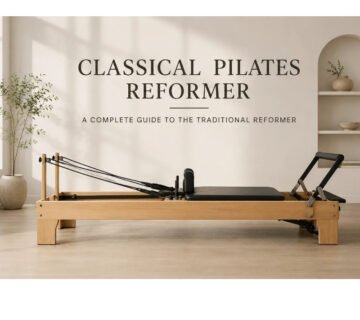
Compared to standard fitness equipment, Pilates reformers require more specialized engineering and manufacturing precision.
A quality reformer includes:
- Sliding carriage systems
- Resistance springs
- Adjustable foot bars
- Shoulder blocks
- Upholstered platforms
- Durable frame construction
These components must work together smoothly while supporting controlled resistance movements and body alignment.
Commercial-grade reformers are especially expensive because they are built for repeated daily use by multiple users. Stronger frames, thicker upholstery, and reinforced spring systems all increase production costs.
Additionally, many premium reformers include ergonomic upgrades and accessory compatibility that improve workout versatility and long-term comfort.
What Factors Affect Pilates Reformer Pricing?
Frame Material and Construction
Frame quality is one of the biggest factors affecting reformer cost.
Budget reformers often use lightweight aluminum or thinner steel frames to reduce manufacturing expenses. These machines may work well for casual use but can feel less stable during advanced movements.
Higher-end reformers typically use:
- Reinforced steel
- Aircraft-grade aluminum
- Solid maple wood
- Commercial-grade hardware systems
Heavier-duty construction generally improves durability, stability, and overall movement quality.
Real-World Example
A home user practicing Pilates twice a week may find a lightweight foldable reformer sufficient. However, a small Pilates studio running multiple sessions daily usually requires a stronger commercial-grade machine to handle constant use.
Resistance System and Springs
Spring quality directly affects workout performance.
Lower-cost reformers often include fewer resistance options and lighter-duty springs. Mid-range and premium models typically provide:
- Smoother resistance transitions
- Multiple spring settings
- Better movement control
- Longer-lasting spring systems
For experienced users, spring consistency can make workouts feel significantly more controlled and comfortable.
Included Accessories
Accessories can substantially increase total pricing.
Some reformers include accessories in the base package, while others sell them separately.
Common accessories include:
- Jump boards
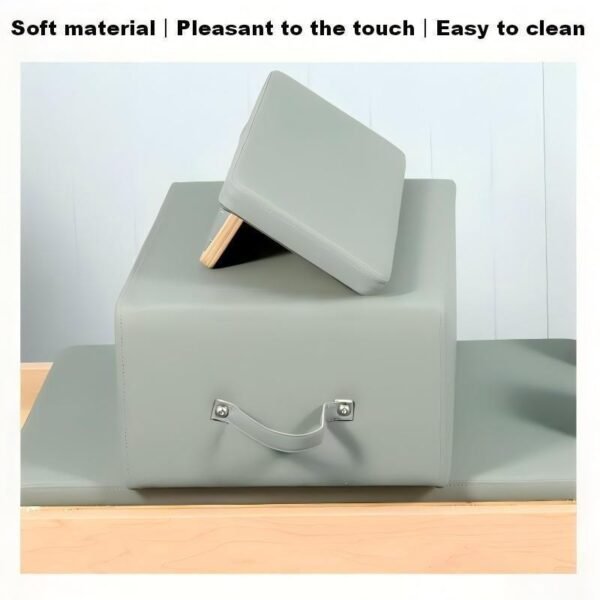
- Pilates boxes
- Foot straps
- Hand loops
- Tower attachments
| Accessory | Typical Additional Cost |
|---|---|
| Jump Board | $100–$400 |
| Pilates Box | $150–$500 |
| Tower Attachment | $1,000–$2,500 |
| Extra Springs | $50–$200 |
Before buying, it is important to compare what is actually included with each reformer package.
Home vs Commercial Use
Home reformers and commercial reformers are built for different environments.
Home reformers prioritize:
- Compact size
- Foldable storage
- Lower pricing
- Residential convenience
Commercial reformers prioritize:
- Maximum durability
- Higher weight capacities
- Daily studio use
- Long-term reliability
While commercial models cost more upfront, studios often prefer them because they reduce maintenance and replacement costs over time.
-
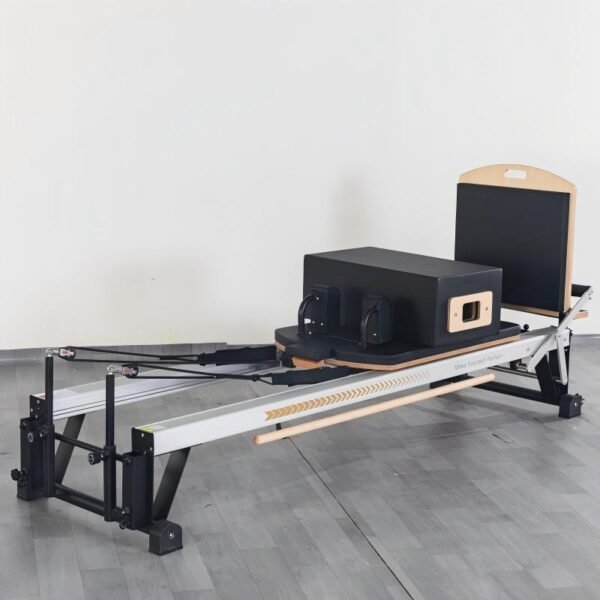
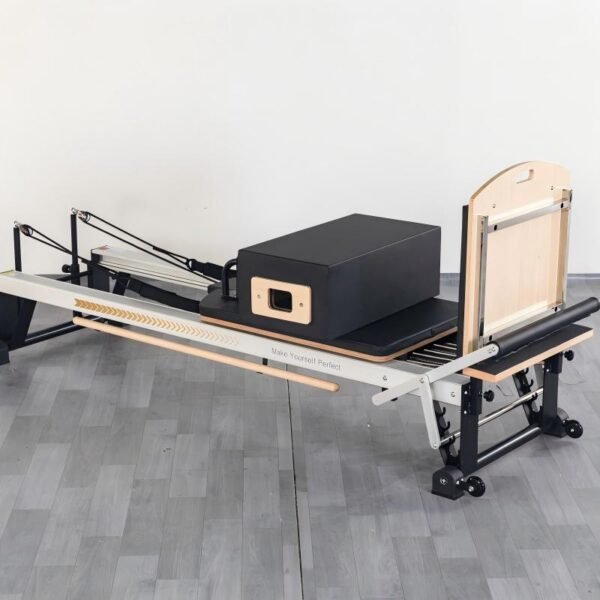
CoreFlow Y07-2 Pilates Reformer Machine for Studio & Gym
-
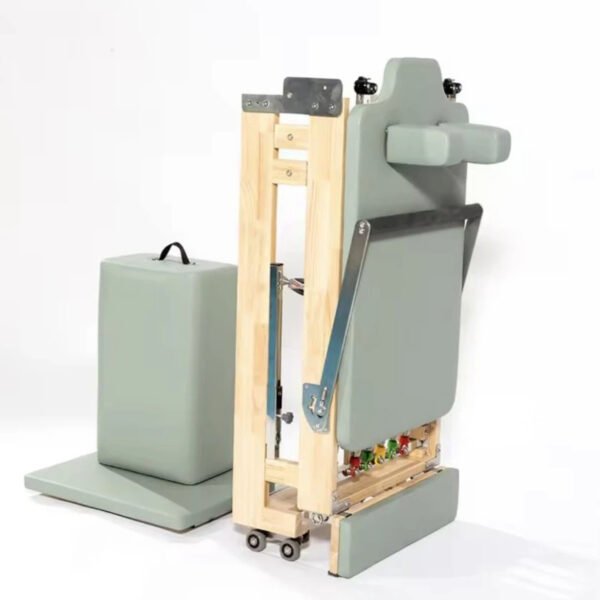
Foldable Pilates Reformer Machine – Compact & Space-Saving CoreFlow Y09-11
Budget Pilates Reformers ($300–$1,000)
Budget reformers are popular among beginners entering Pilates for the first time.
These models commonly feature:
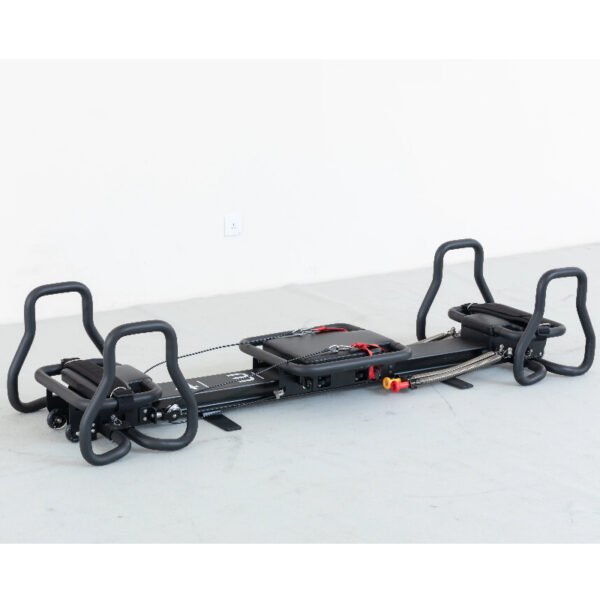
- Foldable frames
- Basic resistance systems
- Lightweight construction
- Compact storage designs
They are usually best suited for:
- Occasional workouts
- Small apartments
- Beginner-level Pilates practice
However, lower-cost reformers may have limitations in stability, carriage smoothness, and long-term durability.
Are Budget Reformers Worth It?
For casual users training a few times weekly, budget reformers can provide a practical starting point. Buyers planning more frequent use may eventually prefer stronger mid-range models.
Mid-Range Reformers ($1,000–$3,000)
Mid-range reformers are often considered the best value for regular home users.
They typically include:
- Stronger steel or wood frames
- Better carriage systems
- Improved padding and comfort
- Adjustable foot bars
- More resistance options
These reformers are popular among:
- Dedicated home practitioners
- Pilates instructors
- Small boutique studios
Many users upgrading from entry-level equipment notice a major improvement in movement smoothness and overall stability within this price range.
Premium and Commercial Reformers ($1,000–$5,000)
Premium and commercial Pilates reformers are designed for users who need greater durability, smoother movement, and more professional-level functionality than entry-level home models. In today’s market, many high-quality reformers for advanced home use and light commercial environments fall within the $1,000–$5,000 price range.
These reformers typically include:
- Reinforced steel or hardwood frames
- Smoother carriage tracking systems
- Multiple spring resistance settings
- Higher weight capacities
- Adjustable foot bars and shoulder rests
- Thicker commercial-grade padding
- Compatibility with accessories like jump boards and towers
For home users who practice Pilates several times a week, premium reformers often provide noticeably better stability and comfort during workouts. Small Pilates studios and personal training spaces also commonly choose machines in this price range because they balance performance and budget more effectively than ultra-high-end commercial systems.
In real-world use, a mid-to-premium reformer around $2,000–$3,500 is often considered the sweet spot for long-term value. These models generally offer professional-level movement quality without the significantly higher cost of fully customized studio equipment.
Higher-end commercial reformers closer to the $4,000–$5,000 range may include:
- Tower or Cadillac conversion systems
- Extra accessory bundles
- Upgraded upholstery materials
- Enhanced warranty coverage
- Heavy-duty components built for frequent daily sessions
For most buyers, the best option is not necessarily the most expensive reformer, but the one that matches workout frequency, available space, and long-term fitness goals.
Is a Foldable Pilates Reformer Worth Buying?
Foldable reformers have become increasingly popular among home users with limited workout space.
Benefits include:
- Easier storage
- Lower price points
- Apartment-friendly sizing
- Better portability
Potential trade-offs may include:
- Reduced stability
- Smaller carriage size
- Lower weight capacity
- Fewer advanced adjustments
For beginners and intermediate users, foldable reformers often provide enough functionality without requiring a dedicated Pilates room.
Should You Buy a New or Used Pilates Reformer?
Used reformers can provide significant savings, especially for home buyers.
Before purchasing used equipment, inspect:
- Spring condition
- Upholstery wear
- Carriage movement
- Rail alignment
- Frame stability
Home users may benefit from purchasing lightly used reformers locally. Studios, however, often prefer new equipment because warranty coverage and consistent equipment quality matter more in commercial environments.
When Is the Best Time to Buy a Pilates Reformer?
Seasonal promotions can help reduce costs considerably.
Many retailers offer discounts during:
- Black Friday sales
- New Year fitness promotions
- Memorial Day events
- End-of-season inventory clearances
Buying directly from manufacturers can also help buyers avoid additional retailer markups.
Some companies additionally offer:
- Financing options
- Studio bundle pricing
- Free shipping promotions
- Accessory packages
How Long Does a Pilates Reformer Last?
Lifespan depends heavily on build quality and maintenance habits.
| Reformer Type | Average Lifespan |
|---|---|
| Budget Home Reformer | 3–7 years |
| Mid-Range Reformer | 8–15 years |
| Premium Commercial Reformer | 10–20+ years |
Routine maintenance helps extend equipment life significantly.
Recommended maintenance includes:
- Cleaning rails regularly
- Inspecting springs for wear
- Tightening bolts periodically
- Replacing worn straps and ropes
- Protecting upholstery from moisture
The American Council on Exercise (ACE) notes that proper equipment maintenance plays an important role in exercise safety and long-term performance.
What Is the Best Pilates Reformer for Home Use?
The best home reformer depends on several factors:
- Workout frequency
- Budget
- Available space
- Fitness goals
- Experience level
For many home users, mid-range reformers provide the strongest balance between durability, comfort, and affordability.
Beginners usually do not need fully commercial-grade systems immediately. Starting with a quality mid-range reformer often provides enough functionality for years of consistent training.
Conclusion
So, how much does a Pilates reformer cost?
Most Pilates reformers today range from approximately $300 to $5,000, depending on build quality, features, and intended usage. Budget models work well for beginners and occasional workouts, while mid-range and premium reformers offer stronger construction and smoother performance for long-term use.
For home users, choosing the right reformer is less about buying the most expensive machine and more about matching equipment quality to actual workout habits and available space. For studios, investing in durable commercial-grade equipment can improve client experience while reducing long-term maintenance costs.
By understanding pricing tiers, materials, accessories, and usage needs, buyers can make a more informed decision and choose a Pilates reformer that delivers both performance and long-term value.
FAQs
Why are Pilates reformers more expensive than regular gym equipment?
Pilates reformers use specialized resistance systems, sliding carriage mechanisms, and reinforced frames that require more advanced engineering than standard fitness machines.
Is a budget Pilates reformer good enough for beginners?
For occasional home workouts, budget reformers can work well for beginners. Users practicing more frequently may eventually prefer stronger mid-range models with better stability.
What is the average cost of a good home Pilates reformer?
Most quality home reformers fall between $1,000 and $3,000, depending on frame quality, resistance systems, and included accessories.
Are commercial Pilates reformers worth the higher price?
For studios and high-frequency use, commercial reformers often provide better durability, smoother movement, and longer service life.
How much space do you need for a Pilates reformer?
Most reformers require approximately 7–8 feet of floor space plus additional room around the machine for safe movement and exercise transitions.

No comment