






Pilates has become one of the fastest-growing fitness methods in the United States and other English-speaking countries. From boutique studios in Los Angeles to home gyms in suburban neighborhoods, more people are asking the same question: Is Pilates good for you?
The short answer is yes — for many people, Pilates can support better posture, stronger core muscles, improved flexibility, and more balanced movement patterns. Unlike high-impact workouts that may place stress on joints, Pilates focuses on controlled movements, breathing, alignment, and muscle engagement.
In particular, interest in reformer Pilates has surged in recent years. Many beginners want to know: is reformer Pilates good for you compared to regular mat Pilates or gym workouts? The answer often depends on your fitness goals, physical condition, and the quality of the equipment you use.
This guide explores the science-backed benefits of Pilates, who can benefit most from it, and how professional equipment such as reformers and Pilates chairs can improve the training experience.
What Is Pilates?
Pilates is a low-impact exercise system created by Joseph Pilates in the early 20th century. It combines strength, flexibility, breathing, coordination, and body awareness into one training method.
Unlike traditional weight training that often isolates muscles, Pilates emphasizes full-body movement and controlled muscle activation. Most Pilates exercises focus heavily on the core, including the abdominal muscles, lower back, hips, and pelvic floor.
Today, Pilates training generally falls into two categories:
- Mat Pilates
- Equipment-based Pilates, including reformer Pilates
While mat Pilates only requires a floor mat, equipment-based Pilates uses specialized machines that add resistance and movement assistance.
Among these machines, the Pilates reformer is considered the most versatile and widely used option.
Is Pilates Good for You?
For many people, Pilates can provide both short-term and long-term physical benefits when practiced consistently and correctly.
According to research published by the National Library of Medicine, Pilates training may help improve flexibility, muscular endurance, balance, and posture in healthy adults. Some studies also suggest benefits for lower back discomfort and mobility in sedentary populations.
Rather than focusing only on calorie burn, Pilates trains the body to move more efficiently. This is one reason why physical therapists, athletes, office workers, and older adults often include Pilates in their wellness routines.
Common Benefits of Pilates
| Potential Benefit | How Pilates Helps |
|---|---|
| Core Strength | Activates deep abdominal and stabilizing muscles |
| Posture Improvement | Encourages spinal alignment and body awareness |
| Flexibility | Combines strength with controlled stretching |
| Joint-Friendly Exercise | Low-impact movements reduce stress on joints |
| Balance and Coordination | Improves neuromuscular control |
| Stress Reduction | Breathing techniques may support relaxation |
Because Pilates movements are highly controlled, many users report feeling stronger without the joint strain associated with some high-intensity workouts.
Is Reformer Pilates Good for You?
One of the most searched questions online today is: is reformer Pilates good for you?
For many users, reformer Pilates offers advantages that standard mat Pilates may not fully provide.
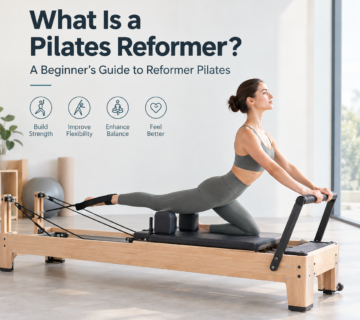
A Pilates reformer uses springs, straps, pulleys, and a sliding carriage to create adjustable resistance. This allows exercises to be modified for beginners, advanced users, rehabilitation settings, or athletic performance training.
Why Many People Prefer Reformer Pilates
1. Better Movement Support for Beginners
The reformer helps guide body alignment during exercise. Beginners often find it easier to understand posture and movement mechanics using a reformer compared to mat-only workouts.
2. Adjustable Resistance
Unlike fixed gym machines, reformers use spring resistance that can be adjusted for different strength levels and movement goals.
3. Full-Body Training
Reformer Pilates simultaneously engages multiple muscle groups while improving stability and coordination.
4. Lower Impact on Joints
Because many exercises are performed lying down or with supported body positions, reformer Pilates may feel gentler on knees, hips, and ankles.
For people recovering from sedentary lifestyles, desk-related posture issues, or mild mobility limitations, reformer training can feel more approachable than traditional strength workouts.
Can Pilates Help Improve Posture?
Poor posture has become increasingly common due to long hours spent sitting, working on computers, and using mobile devices.
Pilates emphasizes spinal alignment, shoulder positioning, pelvic stability, and core engagement. Over time, many users notice improved posture awareness in daily life.
Exercises performed on a reformer may further improve alignment because the machine encourages controlled movement patterns instead of momentum-based exercise.
This is one reason why Pilates is frequently recommended for office workers and individuals experiencing muscular tightness from prolonged sitting.
Does Pilates Build Strength?
Yes — although Pilates strength training looks different from traditional weightlifting.
Pilates focuses more on muscular endurance, control, stabilization, and balanced development rather than maximum muscle size.
Users often notice improvements in:
- Core stability
- Glute activation
- Hip strength
- Shoulder stability
- Back support muscles
Reformer Pilates can increase training intensity through spring resistance, making workouts more challenging without requiring heavy external weights.
Many athletes also use Pilates as supplemental training to improve movement efficiency and reduce injury risk.
Is Pilates Good for Weight Loss?
Pilates alone may not burn calories as aggressively as high-intensity cardio workouts, but it can still support healthy weight management when combined with proper nutrition and consistent activity.
Pilates may contribute to:
- Increased muscle engagement
- Better movement quality
- Improved consistency in exercise habits
- Reduced sedentary behavior
- Better body awareness
Reformer Pilates classes, especially dynamic sessions, can elevate heart rate more than traditional mat classes.
However, results vary depending on workout intensity, frequency, diet, sleep, and overall lifestyle habits.
Who Can Benefit Most From Pilates?
One reason Pilates continues growing globally is its adaptability.
Beginners
Pilates movements can usually be modified for different fitness levels. Reformer equipment may help beginners learn proper movement mechanics more safely.
Office Workers
People who sit for long periods often experience tight hips, rounded shoulders, and weak core muscles. Pilates training may help improve mobility and posture awareness.
Older Adults
Low-impact exercise options are often attractive for aging populations. Pilates may support balance, flexibility, and controlled movement patterns.
Athletes
Many professional athletes use Pilates for mobility, injury prevention, and core stabilization.
Home Fitness Users
With the rise of home wellness spaces, foldable reformers and compact Pilates equipment have become increasingly popular among users wanting studio-style workouts at home.
What Equipment Is Best for Pilates Training?
Professional Pilates equipment can significantly affect workout quality, comfort, and exercise variety.
Pilates Reformer
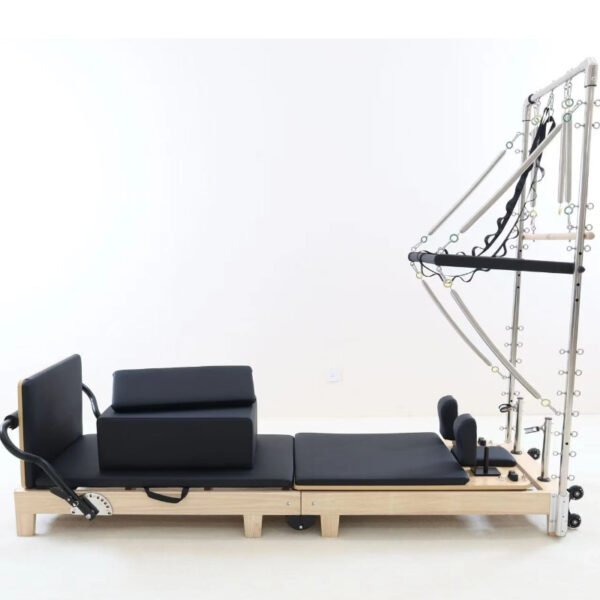
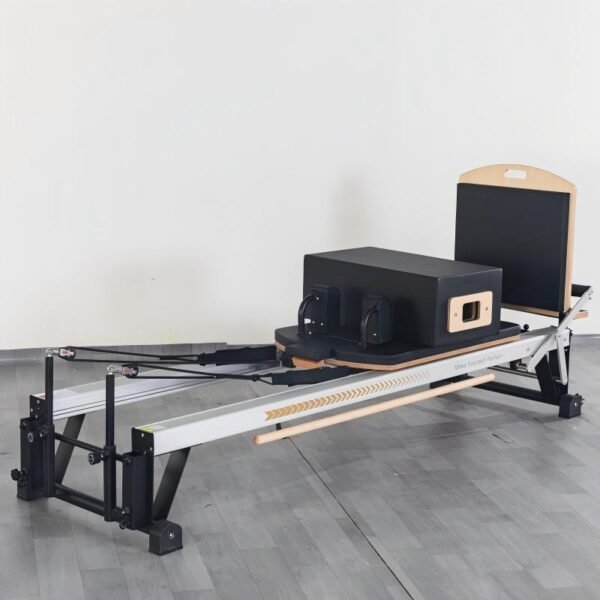
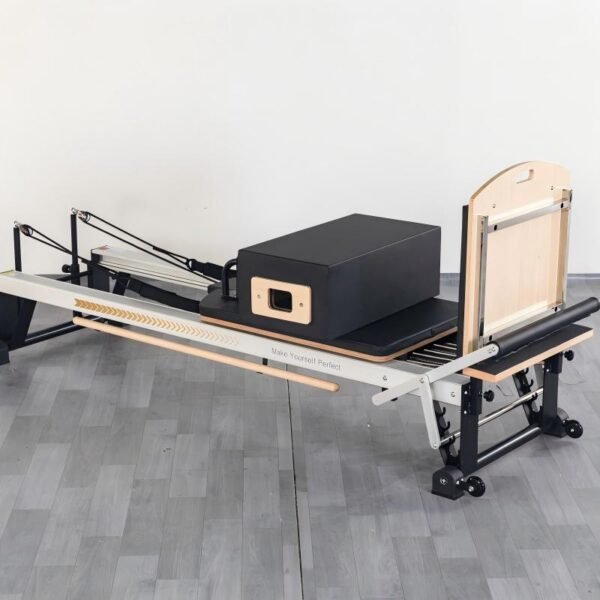
The reformer is the most versatile Pilates machine and supports hundreds of exercises for strength, mobility, flexibility, and coordination.
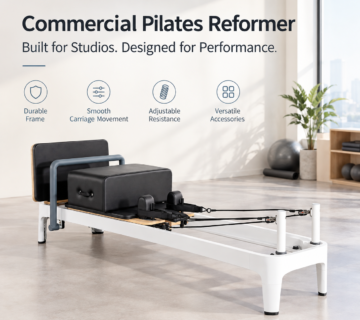
High-quality reformers typically include:
- Smooth carriage movement
- Durable frame construction
- Adjustable spring resistance
- Comfortable padding
- Stable footbars and straps
For studios, commercial-grade reformers are often preferred because they withstand frequent daily use.
-
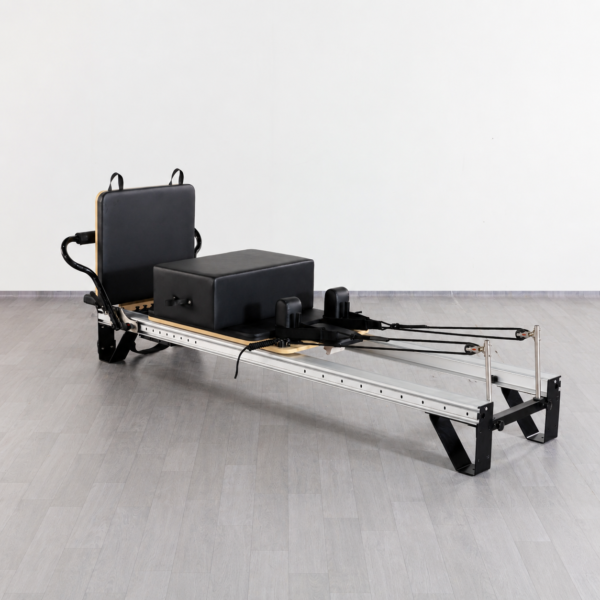
C05-01 Aluminum Pilates Reformer | Commercial Studio Equipment
-
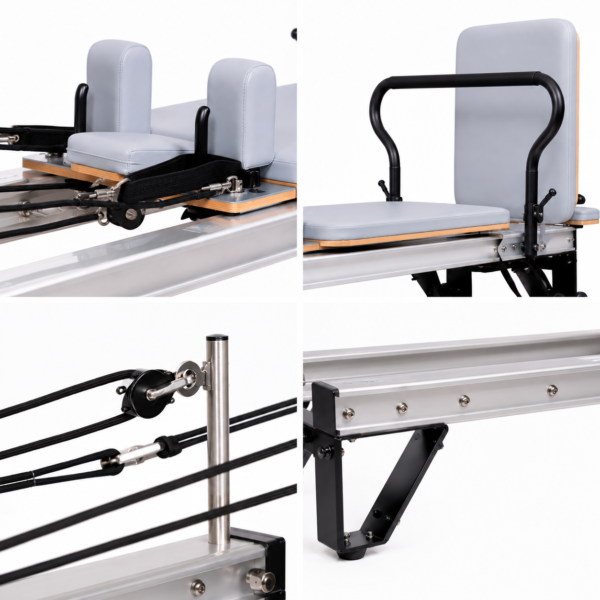
CoreFlow Y07-2 Pilates Reformer Machine for Studio & Gym
Foldable Pilates Reformer
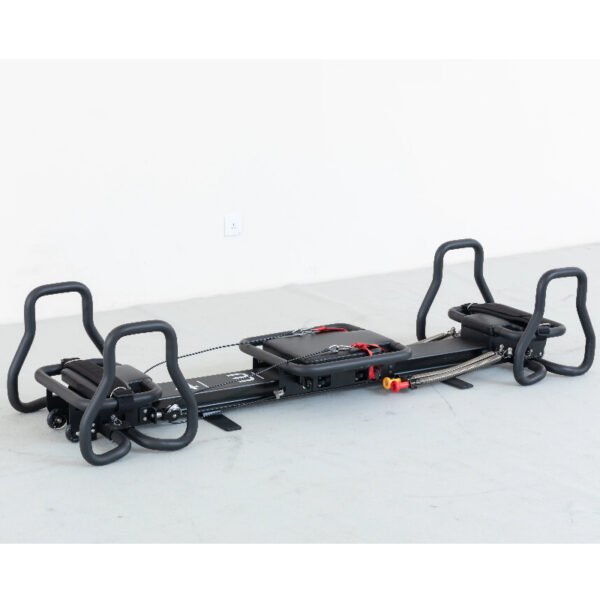
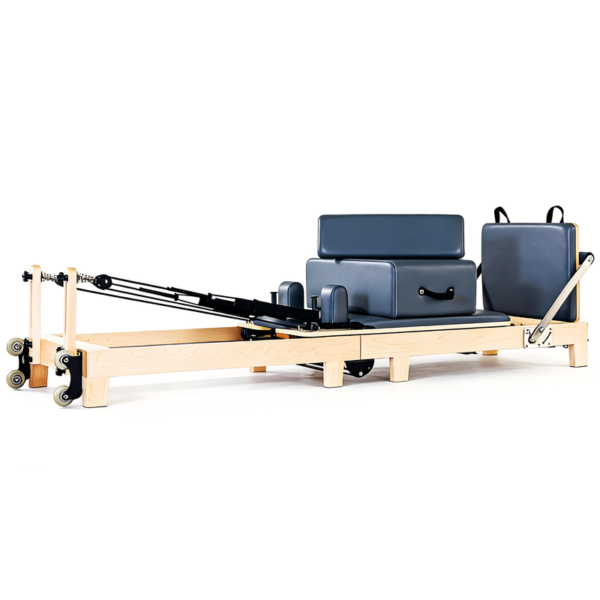
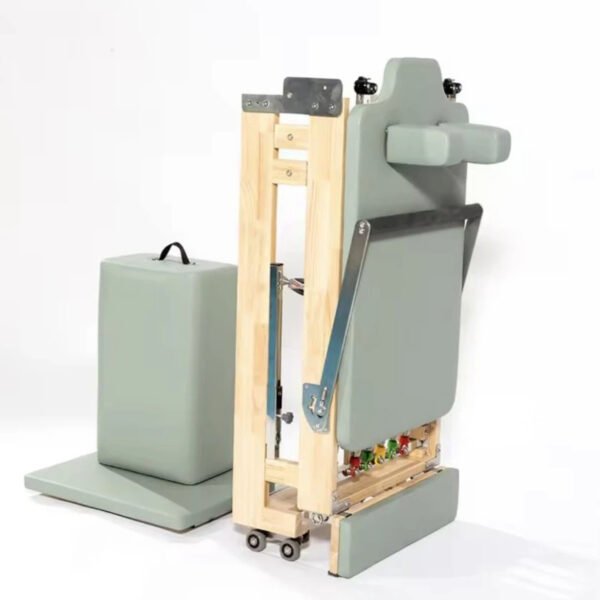
For home users with limited space, foldable reformers provide a more compact solution without sacrificing essential functionality.
These models are especially popular in apartments, home gyms, and multi-purpose wellness rooms.
-
Wooden foldable Pilates reformer – CoreFlow Y09-14
-
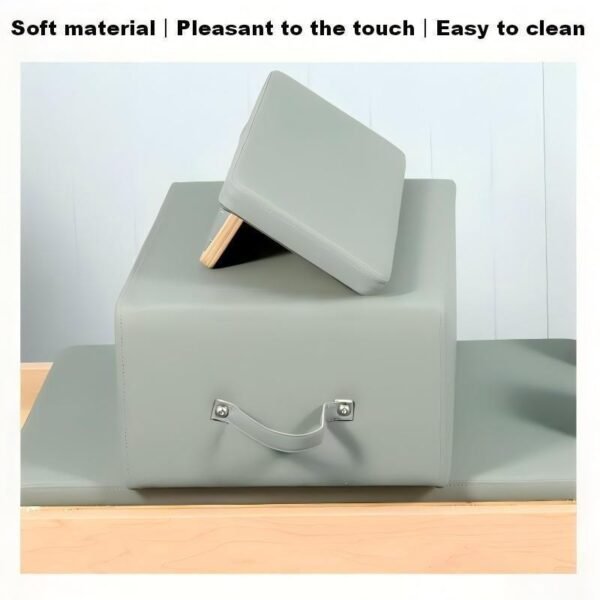
Foldable Pilates Reformer Machine – Compact & Space-Saving CoreFlow Y09-11
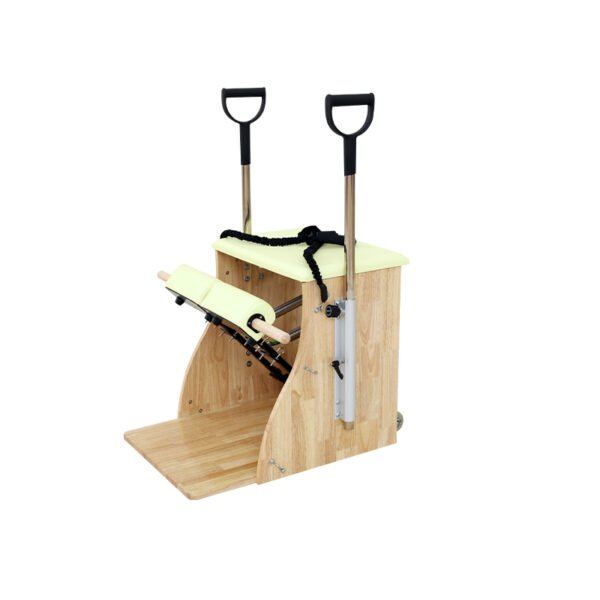
Pilates Chair
Pilates chairs support targeted strength and balance training while requiring less floor space than reformers.
Many instructors combine reformers and chairs to create more varied programs for clients.
-
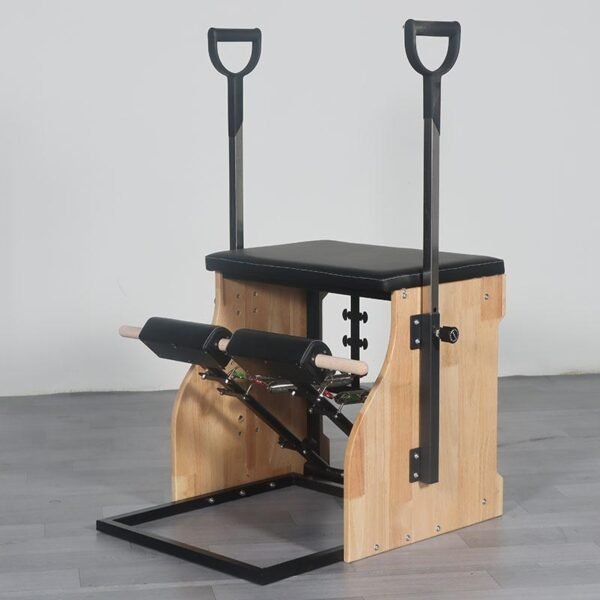
Pilates Chair – Premium Oak Wunda Chair
-
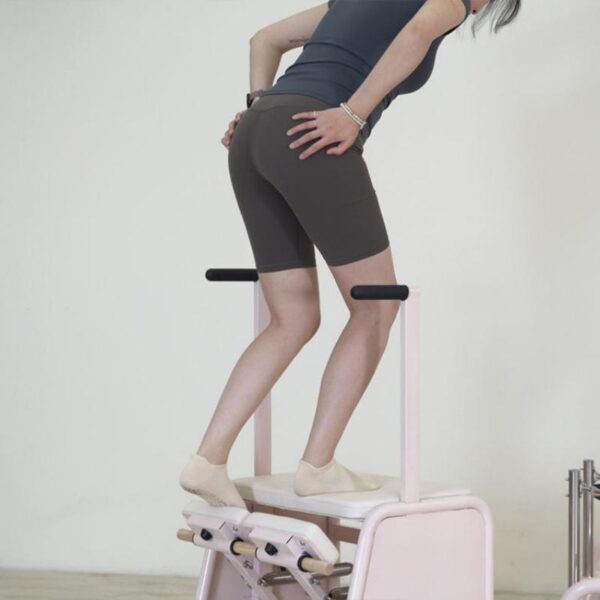
Stable Chair Pilates: The Essential Aluminum Wunda Chair for Dynamic Core Training
How Often Should You Do Pilates?
Consistency matters more than intensity for most beginners.
A common starting recommendation is:
| Experience Level | Suggested Frequency |
|---|---|
| Beginner | 2–3 sessions per week |
| Intermediate | 3–4 sessions per week |
| Advanced | 4–6 sessions per week |
Some users notice improvements in posture, mobility, and core awareness within several weeks of regular training.
Results vary depending on exercise quality, consistency, recovery, and lifestyle habits.
What Should You Look for in a Pilates Reformer?
If you are considering investing in Pilates equipment, quality matters.
Here are several important features to evaluate:
- Frame stability
- Smooth carriage glide
- Reliable spring system
- Adjustable resistance levels
- Comfortable shoulder rests and padding
- Space efficiency
- Weight capacity
- Long-term durability
Commercial studios often prioritize heavy-duty construction, while home users may prefer foldable designs that save space.
Brands like CoreFlow focus on combining studio-level stability with user-friendly designs for both commercial and home environments.
Is Pilates Worth Trying?
For many people, Pilates offers a sustainable and joint-friendly way to improve movement quality, posture, flexibility, and strength.
Whether your goal is better mobility, stronger core muscles, athletic support, or low-impact exercise, Pilates can fit into a wide range of fitness routines.
And for users seeking more guided resistance training, reformer Pilates may provide additional support, exercise variety, and movement precision compared to mat-only workouts.
The key is choosing high-quality instruction and reliable equipment that supports safe and consistent training.
FAQS
Is Pilates good for you if you are out of shape?
Many beginners start Pilates with little or no prior fitness experience. Exercises can often be modified to match different strength and mobility levels.
Is reformer Pilates good for you compared to gym workouts?
Reformer Pilates and traditional gym training serve different purposes. Pilates emphasizes controlled movement, posture, flexibility, and stabilization, while gyms often focus more heavily on strength and cardio training.
How long does it take to see Pilates results?
Some users notice improvements in flexibility and posture awareness within a few weeks. Physical changes usually depend on consistency, workout frequency, and overall lifestyle habits.
Is Pilates safe for older adults?
Pilates is generally considered lower impact than many fitness programs. However, people with medical conditions or injuries should consult a healthcare professional before starting any exercise program.
Can you do Pilates at home?
Yes. Many home users practice Pilates using foldable reformers, Pilates chairs, or mat-based routines. Choosing stable, well-designed equipment can improve comfort and safety during home workouts.

No comment