






Choosing between Pilates and the gym is a common question for people who want to improve their fitness, build strength, lose body fat, or create a healthier lifestyle. With the growing popularity of Pilates studios, reformer classes, and traditional gym training, many beginners and experienced fitness enthusiasts are asking the same question: pilates vs gym — which workout is the better choice?
The answer depends on your personal goals, fitness level, training preferences, and lifestyle. Pilates and gym workouts are not competing methods; instead, they focus on different aspects of physical fitness. Gym training is often associated with progressive resistance, muscle building, and cardiovascular conditioning, while Pilates emphasizes controlled movement, core strength, flexibility, posture, and body awareness.
For example, someone preparing for a marathon may benefit from combining gym strength training with cardiovascular workouts, while an office worker experiencing poor posture and lower back discomfort may prefer Pilates exercises that improve mobility and core stability.
According to the American College of Sports Medicine (ACSM), an effective fitness program should include a combination of aerobic activity, resistance training, flexibility exercises, and neuromotor training to support overall health. This means the “best” workout is usually the one that matches your individual needs and that you can maintain consistently.
In this guide, we will compare Pilates vs gym workouts in terms of strength, weight loss, muscle development, body shaping, beginner suitability, and long-term fitness benefits, helping you decide which approach fits your goals.
What Is the Difference Between Pilates and Gym Workouts?
The main difference between Pilates and gym training is the way the body is challenged during exercise.
Pilates is a movement-based training system originally developed by Joseph Pilates in the early 20th century. It focuses on controlled movements, breathing techniques, posture alignment, flexibility, and strengthening the deep muscles that support the spine and joints.
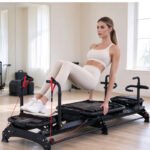
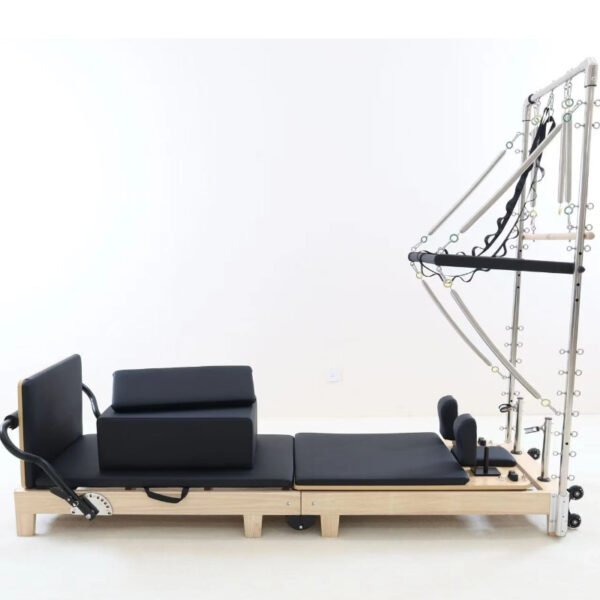
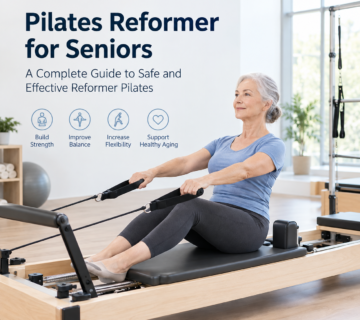
Modern Pilates can be performed on a mat or specialized equipment, including the Pilates reformer, which uses springs, a moving carriage, and adjustable resistance to create a more dynamic workout experience.
Gym workouts generally involve a wider variety of equipment, including free weights, resistance machines, treadmills, bicycles, and functional training tools. Most gym programs focus on progressive overload — gradually increasing resistance or training intensity to improve strength, muscle size, and athletic performance.
The differences can be summarized below:
| Category | Pilates | Gym Training |
| Main focus | Core strength, flexibility, posture, body control | Muscle strength, endurance, cardiovascular fitness |
| Training method | Controlled movements with body weight or spring resistance | Weight machines, free weights, cardio equipment |
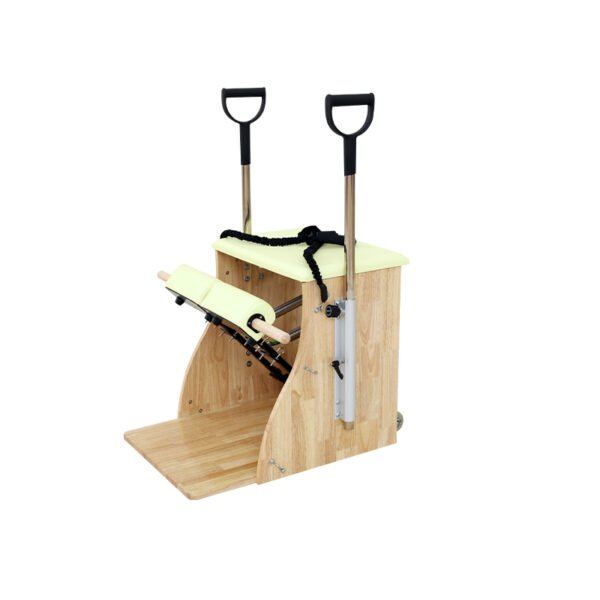
| Equipment | Mat, Pilates reformer, Cadillac Pilates, Pilates chair | Dumbbells, barbells, machines, cardio machines |
| Exercise style | Low-impact, precision-focused movements | Can range from low to high intensity |
| Common goals | Mobility, posture improvement, lean muscle tone | Muscle growth, strength gains, fat loss |
One major advantage of Pilates is that it trains the body as a connected system rather than focusing only on individual muscle groups. Many Pilates exercises require coordination between the core, hips, shoulders, and spine.
For example, a person who spends eight hours daily working at a desk may use Pilates to improve posture, strengthen weak stabilizing muscles, and increase body awareness. Reformer-based Pilates classes can provide additional resistance while maintaining controlled movement patterns.
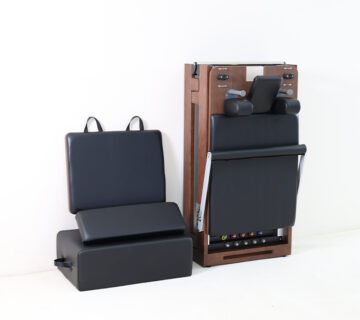
For those interested in exploring different reformer options for home or studio training, professional-grade equipment such as a Pilates reformer can provide adjustable resistance and versatile exercise possibilities.
What Are the Benefits of Pilates Compared to Gym Training?
Pilates offers several unique benefits that make it attractive for beginners, athletes, rehabilitation clients, and people looking for a balanced fitness approach.
1. Improved Core Strength and Stability
One of the biggest differences between Pilates and traditional gym training is the emphasis on deep core activation.
Pilates exercises frequently target muscles such as:
Transverse abdominis
Pelvic floor muscles
Multifidus muscles around the spine
Deep hip stabilizers
A strong core supports better movement efficiency and can contribute to improved posture during daily activities.
Research published in the Journal of Physical Therapy Science has suggested that Pilates-based exercise programs may improve core strength, balance, and postural control in different populations.
This makes Pilates especially appealing for people who sit for long periods, older adults looking to maintain mobility, or athletes who need better movement control.
2. Better Flexibility and Mobility
Traditional strength training often focuses primarily on increasing force production, while Pilates combines strengthening with controlled stretching and mobility work.
Pilates movements encourage:
Greater joint range of motion
Improved body coordination
Better movement patterns
For example, a runner may use Pilates sessions alongside running training to improve hip mobility and strengthen stabilizing muscles, while a beginner may find Pilates helpful for gradually developing flexibility without high-impact movements.
3. Low-Impact Training With Adjustable Resistance
Another reason many people choose Pilates is that it can provide an effective workout without excessive impact on the joints.
The Pilates reformer uses spring-based resistance, allowing users to adjust exercise difficulty based on their strength and experience level. Beginners can start with lighter resistance, while advanced users can increase the challenge through different spring settings, movement variations, and exercise progressions.
This makes Pilates suitable for a wide range of fitness levels, although individuals with specific injuries or medical conditions should always consult a qualified healthcare professional before starting a new exercise program.
4. Creates a Lean and Balanced Body Appearance
The term “Pilates body vs gym body” is frequently searched online because many people want to understand how different training methods affect appearance.
A typical Pilates-focused physique is often associated with:
Improved posture
Better muscle definition
Increased flexibility
Balanced proportions
However, Pilates does not create one specific body type for everyone. Results depend on factors including genetics, nutrition, training frequency, and overall lifestyle.
Gym training, especially resistance training with heavier loads, may be more effective for individuals whose primary goal is maximizing muscle size or strength.
Therefore, when comparing pilates body vs gym body, the difference is not about one being better — it is about the type of adaptation each training style commonly emphasizes.
What Are the Advantages of Going to the Gym for Fitness?
While Pilates has many unique benefits, traditional gym training remains one of the most effective ways to improve overall strength, build muscle, and develop athletic performance.
One of the biggest advantages of gym workouts is the ability to apply progressive overload, which means gradually increasing training demands over time. This principle is widely used in strength training because muscles adapt when they are challenged with progressively higher resistance.
According to the American College of Sports Medicine (ACSM), resistance training is an important component of a complete fitness program and can help improve muscular strength, endurance, and overall physical function.
1. More Effective for Maximum Strength and Muscle Growth
For people whose primary goal is increasing muscle size or maximum strength, gym training usually provides more options.
Exercises such as:
Squats
Deadlifts
Bench presses
Pull-ups
Barbell rows
Machine-based resistance exercises
allow users to train specific muscle groups with progressively heavier loads.
For example, someone preparing for a strength competition or an athlete who needs explosive power may prioritize gym-based resistance training because it allows precise measurement of weight progression.
However, this does not mean Pilates cannot build strength. Pilates can improve muscular endurance and functional strength, especially in the core, hips, and stabilizing muscles. The difference is that traditional gym training is generally more focused on increasing maximum force output and muscle hypertrophy.
2. Greater Variety of Training Options
Another advantage of gyms is the wide range of available equipment and training styles.
A single gym may offer:
Strength training areas
Cardio machines
Functional training zones
Group fitness classes
Recovery equipment
This variety allows people to create highly customized workout programs.
For example:
A beginner may combine treadmill walking with basic resistance machines.
A busy professional may complete a 30-minute full-body strength workout.
An athlete may combine weightlifting with conditioning exercises.
This flexibility is one reason why gyms continue to be popular among people with different fitness goals.
3. Strong Option for Weight Loss When Combined With Nutrition
Many people searching “is Pilates better than gym” are actually asking which workout burns more calories and produces faster weight loss results.
The reality is that fat loss depends on multiple factors, including:
Total calorie balance
Diet quality
Exercise consistency
Sleep
Daily activity level
Gym workouts can support weight management through both cardiovascular exercise and resistance training.
Resistance training is particularly valuable because maintaining muscle mass can support a healthy metabolism during weight loss. A balanced program that includes strength training and aerobic activity is commonly recommended by health organizations.
For someone aiming to lose weight, a combination of strength training, cardio, and a sustainable nutrition plan may be more effective than relying on one exercise style alone.
Pilates vs Gym: Which One Is Better for Weight Loss, Strength, and Body Toning?
The comparison of pilates vs gym often depends on what results you expect from your workouts.
Different training methods create different physical adaptations. Instead of asking “Which one is better?” a more useful question is:
Which workout is better for my specific fitness goal?
The following comparison provides a clearer overview:
| Fitness Goal | Pilates | Gym Training |
| Weight loss | Supports calorie expenditure and improves muscle endurance | Offers more options for high-intensity cardio and resistance training |
| Muscle building | Develops lean muscle and functional strength | Usually more effective for increasing muscle size and maximum strength |
| Core strength | Strong focus on deep core activation | Depends on exercise selection |
| Flexibility | Strong emphasis on mobility and movement control | Usually requires additional stretching work |
| Body shaping | Helps improve posture and muscle definition | Helps develop targeted muscle growth |
| Beginner friendly | Often suitable due to controlled movements | Depends on program design and coaching |
Pilates vs Gym for Weight Loss
When comparing gym vs pilates for weight loss, neither method automatically guarantees better results.
A Pilates class may burn fewer calories than some high-intensity gym sessions, but Pilates can improve consistency because many people enjoy the controlled pace, mind-body connection, and lower-impact format.
For example, a person who dislikes traditional workouts may attend Pilates three times per week consistently, while someone who prefers weight training may achieve better results through regular gym sessions.
The most effective exercise program is often the one that fits your lifestyle and that you can maintain over time.
Pilates vs Gym for Building Strength
Strength can mean different things.
Gym training is generally stronger for:
Maximum lifting ability
Muscle size development
Increasing power
Pilates is particularly effective for:
Core stability
Balance
Functional strength
Movement control
For example, a Pilates practitioner may develop strong abdominal and postural muscles that help with daily movement, while a weightlifter may develop greater maximum force production.
Both approaches improve strength, but they train different types of strength.
Pilates Body vs Gym Body: What Are the Real Differences?
The phrase “Pilates body vs gym body” has become popular because people often associate different workouts with different physical appearances.
A typical Pilates-focused training approach may contribute to:
Better posture
Improved muscle definition
A balanced appearance
Greater flexibility
Many Pilates practitioners describe their bodies as feeling “longer and stronger,” although scientifically, exercise does not actually lengthen muscles. Instead, improved posture, mobility, and muscle control can change how the body looks and moves.
A gym-focused training approach may contribute to:
Increased muscle size
More noticeable muscle definition
Higher strength levels
Greater athletic performance
For example:
A dancer, yoga practitioner, or office worker improving posture may prefer Pilates because movement quality is their priority.
A person aiming to build larger shoulders, stronger legs, or increase lifting performance may prefer gym training.
Neither body type is universally better. The ideal result depends on personal goals.
How Do You Choose Between Pilates and Gym Based on Your Fitness Goals?
Choosing between Pilates and gym training starts with understanding what you want to achieve.
Choose Pilates if you want:
Better posture and body awareness
Improved flexibility and mobility
Low-impact strength training
Better core stability
A controlled workout environment
Pilates may also be appealing for people who prefer structured movements and focusing on technique rather than lifting heavier weights.
Choose the Gym if you want:
Maximum muscle growth
Strength progression
More equipment variety
High-intensity training options
Sports performance improvement
Consider Combining Both
Many fitness professionals believe Pilates and gym training can complement each other.
For example:
A recreational athlete might lift weights three days per week and add Pilates once or twice weekly to improve mobility and core control.
A Pilates enthusiast may add resistance training to increase muscle strength.
A balanced fitness routine often combines different exercise methods depending on personal needs and goals.
Conclusion
When comparing Pilates vs gym, there is no single workout method that is the perfect choice for everyone. Pilates and gym training are designed around different training principles, and the better option depends on your personal goals, fitness experience, lifestyle, and preferences.
Pilates may be a better fit for people who want to improve core strength, posture, flexibility, mobility, and overall body control. It is especially popular among beginners, office workers, dancers, athletes, and people who prefer a lower-impact training approach.
Gym training may be more suitable for individuals focused on building muscle mass, increasing maximum strength, improving athletic performance, or having access to a wider range of resistance and cardio equipment.
For many people, the best approach may not be choosing between Pilates and the gym, but combining both. A fitness routine that includes resistance training, mobility work, and functional movement can support long-term health and performance.
Whether you choose mat Pilates, a Pilates reformer workout, or traditional gym training, consistency is one of the most important factors in achieving sustainable results. The right exercise program is the one that matches your goals and motivates you to continue improving.
FAQs
Is Pilates better than the gym for weight loss?
Whether Pilates is better than the gym for weight loss depends on your overall fitness routine, nutrition habits, and consistency.
Pilates can support weight management by improving muscle endurance, increasing physical activity levels, and helping people build a consistent exercise habit. However, traditional gym workouts may offer more opportunities for higher-intensity cardio and progressive resistance training, which can increase calorie expenditure.
For example, a person attending three Pilates reformer classes every week may achieve better long-term results than someone who occasionally visits the gym without a structured plan.
Weight loss is mainly influenced by maintaining an appropriate calorie balance, regular movement, and sustainable lifestyle habits. Both Pilates and gym training can be part of an effective weight management strategy.
Can Pilates build muscle like gym workouts?
Pilates can help strengthen and tone muscles, but it generally works differently from traditional bodybuilding-style gym training.
Pilates focuses heavily on:
Core muscles
Stabilizing muscles
Muscle endurance
Movement control
The resistance created by body weight, springs, and equipment such as a reformer can challenge muscles effectively.
However, if your main goal is significant muscle size increase, gym workouts with heavier progressive resistance are usually more commonly used because they allow greater load progression.
A practical example is:
Someone wanting stronger posture and functional movement may benefit greatly from Pilates.
Someone wanting larger arms, shoulders, or maximum leg strength may prefer weight training.
Many fitness enthusiasts combine both methods to achieve balanced results.
Should I do Pilates or go to the gym as a beginner?
For beginners, both Pilates and gym workouts can be suitable choices.
Pilates may feel more approachable because many exercises emphasize controlled movement, breathing, and proper technique rather than lifting heavy weights. Beginners can gradually develop body awareness, coordination, and core stability.
The gym can also be beginner-friendly when a person follows a structured program or works with a qualified trainer. Starting with basic resistance exercises, learning correct form, and gradually increasing intensity can help reduce the risk of poor movement patterns.
A good starting point depends on your goals:
Choose Pilates if you want to improve flexibility, posture, and movement control.
Choose the gym if your priority is building strength or learning resistance training.
Combine both if you want a balanced fitness approach.
Can I do Pilates and gym workouts together?
Yes. Many people combine Pilates and gym training because the two methods can complement each other.
For example:
Strength training can help improve muscle power and physical capacity.
Pilates can support mobility, balance, and core control.
A weekly schedule might include:
| Day | Workout |
| Monday | Strength training |
| Tuesday | Pilates reformer session |
| Wednesday | Rest or light cardio |
| Thursday | Gym resistance workout |
| Friday | Pilates or mobility training |
The ideal combination depends on your fitness level, recovery ability, and personal goals.
Is Pilates reformer better than mat Pilates?
A Pilates reformer is not necessarily “better” than mat Pilates, but it provides different training possibilities.
A reformer uses springs, a moving carriage, straps, and adjustable resistance to create a wider variety of exercises. This allows users to perform movements that challenge strength, balance, flexibility, and coordination.
Mat Pilates mainly uses body weight and focuses on fundamental Pilates movements.
For beginners, both can be effective. Some people prefer mat Pilates because of its simplicity, while others enjoy reformer Pilates because the equipment provides more exercise variations and resistance options.
How often should I do Pilates or gym workouts?
The ideal training frequency depends on your goals, schedule, and fitness level.
Many beginners start with:
Pilates: 2–3 sessions per week
Gym training: 2–4 sessions per week
Consistency is usually more important than doing extremely intense workouts occasionally.
The World Health Organization recommends that adults include regular physical activity throughout the week, including muscle-strengthening activities on multiple days.
Creating a realistic routine that fits your lifestyle is often the key to maintaining long-term progress.

No comment