






Introduction
Reformer Pilates is one of the most effective ways to build strength, improve flexibility, and enhance body control. Whether you’re new to Pilates or transitioning from mat exercises, learning how to use a reformer machine correctly is key to getting the best results. This guide walks you through the basics—from understanding how the machine works to performing essential exercises safely. With high-quality equipment like CoreFlow Pilates Reformer systems, both beginners and intermediate users can enjoy a smooth, controlled, and professional training experience at home or in the studio.
What Is Reformer Pilates and How Does It Work?
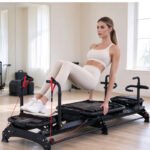
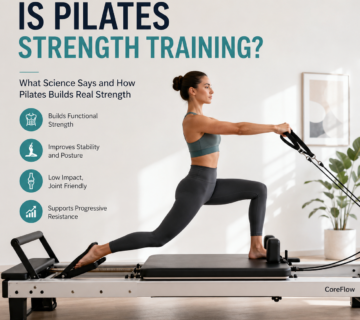
Reformer Pilates is a form of resistance training performed on a specialized machine called a Pilates Reformer. The machine uses a sliding carriage, adjustable springs, straps, and a footbar to create controlled resistance.
As you push or pull against the springs, your muscles engage in a balanced and low-impact way. This helps build core strength, improve posture, and enhance flexibility without placing excessive stress on joints.
The reformer’s moving carriage adds an element of instability, requiring coordination and control throughout each exercise. This makes workouts more effective compared to traditional mat Pilates. Equipment from CoreFlow is designed to provide smooth carriage movement and precise resistance, ensuring a safe and efficient Pilates experience.
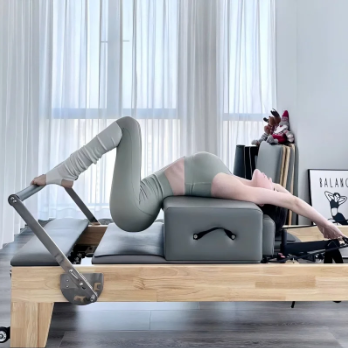
What Equipment Do You Need to Start Reformer Pilates?
What Are the Key Parts of a Reformer Machine?
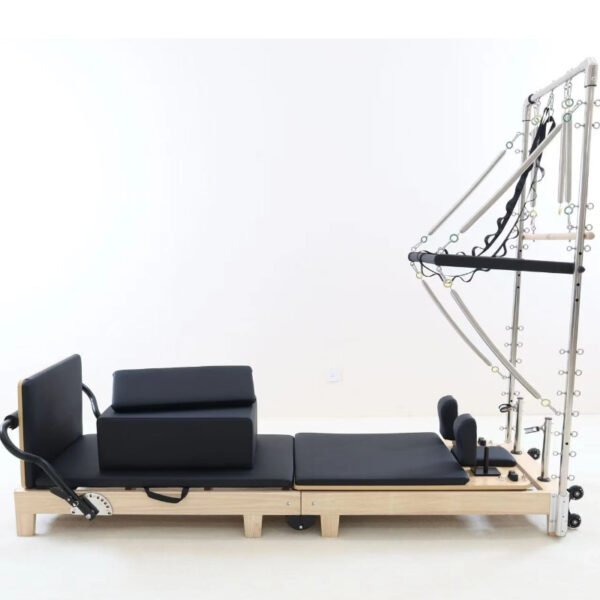
A standard Pilates Reformer includes several essential components. The carriage is the padded platform that slides back and forth along the frame. The footbar is positioned at one end for pushing movements, while shoulder rests help stabilize the body. Straps and handles are attached to ropes for arm and leg exercises. Springs underneath the carriage provide adjustable resistance. Together, these parts create a versatile system for full-body training.
How Do Springs, Straps, and the Carriage Function?
Springs control resistance levels, allowing you to make exercises easier or more challenging. The carriage moves along rails, requiring stability and control during each motion. Straps connect your arms or legs to the spring system, enabling a wide range of movements. This combination ensures smooth, controlled exercises that engage multiple muscle groups simultaneously.
How to Use a Reformer Pilates Machine Safely?
How Should Beginners Set Up the Reformer?
Beginners should start with light to moderate spring resistance to maintain control without straining. Adjust the footbar to a comfortable height and ensure the headrest supports your neck properly. Before starting, check that the carriage moves smoothly and that all straps are securely attached.
Position your body carefully on the carriage, aligning your spine in a neutral position. It’s also helpful to follow guided instruction—either in person or through videos—when learning the basics. Using a well-designed CoreFlow Pilates Reformer ensures stability and ease of adjustment, which is especially important for beginners.
What Are the Most Common Mistakes to Avoid?
One common mistake is using too much resistance, which can compromise form and increase injury risk. Another is moving too quickly—Pilates focuses on slow, controlled motion rather than speed. Poor alignment, such as arching the back or tensing the shoulders, can also reduce effectiveness.
Holding your breath is another frequent issue; proper breathing helps engage the core and maintain rhythm. Finally, neglecting proper setup can lead to discomfort or strain. Taking time to adjust the machine and focus on technique ensures safer and more effective workouts.
What Are the Essential Reformer Pilates Exercises for Beginners?
How to Perform Footwork on the Reformer?
Footwork is usually the first exercise beginners learn. Lie on your back with feet placed on the footbar, hip-width apart. Press the carriage out by extending your legs, then slowly return to the starting position. Keep your core engaged and avoid locking your knees. This exercise strengthens the legs and improves alignment.
How to Do the Hundred on a Reformer?
The Hundred is a classic Pilates exercise adapted for the reformer. Lie on the carriage, lift your legs into tabletop position, and hold the straps in your hands. Raise your head and shoulders, then pump your arms up and down while breathing rhythmically. This exercise activates the core and builds endurance.
How to Perform Leg Circles and Arm Work?
For leg circles, place your feet in the straps and move your legs in controlled circular motions while keeping your hips stable. Arm exercises involve pulling the straps with controlled movements to strengthen the upper body. Both exercises improve coordination, flexibility, and muscular balance.
How Often Should You Do Reformer Pilates for Best Results?
For most beginners, practicing Reformer Pilates two to three times per week is ideal. This frequency allows your body to adapt to new movement patterns while building strength and flexibility gradually. As you progress, you can increase sessions to three to five times per week depending on your fitness goals.
Consistency is more important than intensity. Regular sessions help improve posture, core stability, and muscle tone over time. It’s also important to allow recovery days so muscles can repair and grow stronger.
Using reliable equipment like CoreFlow Pilates Reformer systems ensures smooth performance during repeated use, making it easier to maintain a consistent routine. Combining Pilates with other activities such as walking or stretching can further enhance overall results.
Conclusion
Reformer Pilates is a powerful and adaptable workout method suitable for both beginners and intermediate users. By understanding how the machine works, setting it up correctly, and practicing essential exercises, you can build strength, flexibility, and body awareness safely. With high-quality solutions from CoreFlow, creating a professional Pilates experience at home or in a studio becomes more accessible and effective.
FAQs
Is Reformer Pilates suitable for complete beginners?
Yes. Reformer Pilates is beginner-friendly when performed with proper guidance and light resistance. It helps build a strong foundation in strength and movement control.
How long does it take to see results from Reformer Pilates?
Many people notice improvements in posture, strength, and flexibility within 4–6 weeks of consistent practice, depending on frequency and effort.
Can you do Reformer Pilates at home without a trainer?
Yes, but beginners should start with guided instruction, such as online classes or tutorials, to ensure proper form and safe use of the equipment.

No comment