






When most people hear the term strength training, they picture barbells, dumbbells, and heavy gym equipment. Pilates, on the other hand, is often associated with stretching, flexibility, or low-impact exercise. This difference leads many beginners to ask the same question: Is Pilates strength training?
The short answer is yes—but it depends on how you define strength training.
Pilates may not look like a traditional weightlifting workout, yet it challenges your muscles through resistance, controlled movement, and progressive overload—the same principles that drive strength gains in conventional resistance training. Whether you’re practicing on a mat or using equipment like a Pilates Reformer, Cadillac Pilates, or Pilates Chair, Pilates can improve muscular strength, endurance, stability, and body control.
In this guide, we’ll explore what the science says about Pilates and strength training, how Pilates equipment enhances resistance, and whether Pilates is enough to help you achieve your fitness goals.
What Is Strength Training?
Before answering whether Pilates qualifies as strength training, it’s helpful to understand what strength training actually means.
Strength training, also known as resistance training, is any form of exercise that requires your muscles to work against an external force. That resistance may come from:
Free weights such as dumbbells or barbells
Resistance bands
Weight machines
Body weight
Springs or cables
Water or air resistance
According to the American College of Sports Medicine (ACSM), muscles become stronger when they are repeatedly challenged by resistance that encourages adaptation over time. In other words, resistance—not necessarily heavy weights—is the key factor.
Pilates uses exactly this principle. Instead of relying primarily on external weights, Pilates combines body weight with spring resistance and precise movement patterns to strengthen muscles throughout the body.
So, Is Pilates Strength Training?
Yes. Pilates can absolutely be considered a form of strength training, especially when practiced on resistance-based equipment like a Pilates Reformer or Cadillac.
Unlike traditional gym workouts that often focus on lifting progressively heavier loads, Pilates develops strength by emphasizing:
Controlled movement
Continuous muscle engagement
Adjustable resistance
Proper alignment
Functional movement patterns
Every exercise requires multiple muscle groups to work together while maintaining balance and stability.
Rather than isolating one muscle at a time, Pilates strengthens the body as an integrated system. During a single exercise, your core, hips, shoulders, back, and legs often work simultaneously to stabilize and control movement.
This is why many physical therapists, sports performance coaches, and fitness professionals include Pilates as part of comprehensive strength-training programs.
Why Pilates Counts as Strength Training
Some people assume Pilates is only about stretching because movements appear slow and controlled. In reality, slower movement often makes an exercise more challenging.
Pilates incorporates several key principles found in effective strength-training programs.
| Strength Training Principle | How Pilates Applies It |
| Resistance | Body weight and adjustable spring resistance |
| Progressive overload | Increase spring tension, repetitions, or exercise complexity |
| Time under tension | Slow, controlled movements keep muscles engaged longer |
| Muscle activation | Continuous engagement throughout every repetition |
| Functional movement | Multiple joints and muscle groups work together |
One major difference between Pilates and traditional lifting is time under tension. Instead of performing fast repetitions, Pilates encourages slow, precise movement that keeps muscles activated throughout the entire exercise.
This continuous muscle engagement improves muscular endurance while strengthening stabilizing muscles that may receive less attention during conventional workouts.
What Does Research Say About Pilates and Strength?
Scientific research increasingly supports Pilates as an effective method for improving muscular strength.
A systematic review published in the Journal of Bodywork and Movement Therapies found that regular Pilates training can improve core strength, lower-body strength, balance, flexibility, and functional movement across a wide range of participants.
Research involving older adults has also shown that Pilates can improve lower-limb strength, walking ability, balance, and mobility, helping reduce the risk of falls.
The National Institutes of Health (NIH) recognizes resistance exercise as an important strategy for maintaining muscle mass, supporting healthy aging, and improving physical function. Pilates equipment provides resistance through spring systems, allowing users to challenge muscles while placing relatively low impact on joints.
While Pilates generally won’t produce the same maximal strength gains as heavy barbell training, evidence suggests it is highly effective for developing:
Functional strength
Core stability
Muscular endurance
Balance
Coordination
Movement efficiency
Postural control
For many people, these improvements are just as valuable as increasing the amount of weight they can lift.
Can Pilates Build Muscle?
Another common question is whether Pilates can actually build muscle.
The answer is yes, although the results may differ from traditional bodybuilding.
Muscle growth depends on several factors, including:
Progressive resistance
Training intensity
Nutrition
Recovery
Consistency
Pilates provides resistance through body weight and spring-loaded equipment. Beginners often experience noticeable increases in strength and lean muscle development after several weeks of consistent training.
However, compared with heavy resistance training, Pilates generally produces:
Lean, toned muscles
Improved muscular endurance
Better muscle definition
Enhanced movement quality
rather than maximum muscle size.
If your primary goal is bodybuilding or powerlifting, traditional weight training remains the more effective approach. If your goal is to build a stronger, more balanced body while improving flexibility and posture, Pilates is an excellent choice.
Reformer Pilates vs. Mat Pilates: Which Builds More Strength?
Both mat Pilates and Reformer Pilates strengthen muscles, but equipment introduces another level of resistance.
| Feature | Mat Pilates | Reformer Pilates |
| Resistance | Body weight | Adjustable spring resistance |
| Exercise variety | Moderate | Extensive |
| Progressive overload | Limited | Easy to increase |
| Full-body strength | Good | Excellent |
| Balance challenge | Moderate | High |
| Suitable for rehabilitation | Yes | Yes |
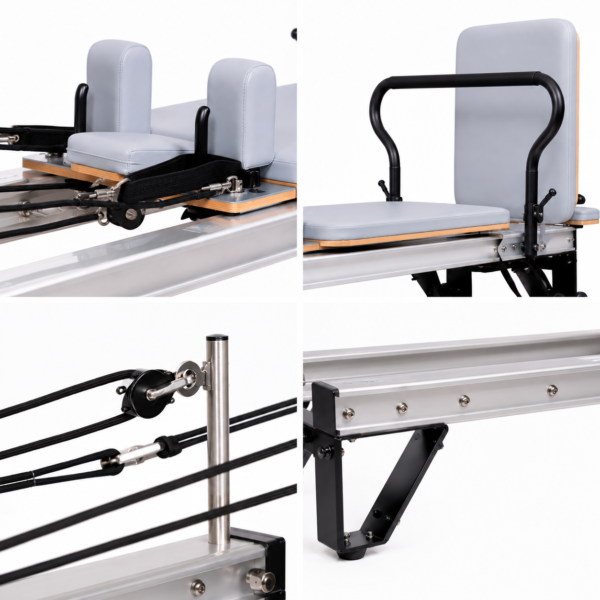
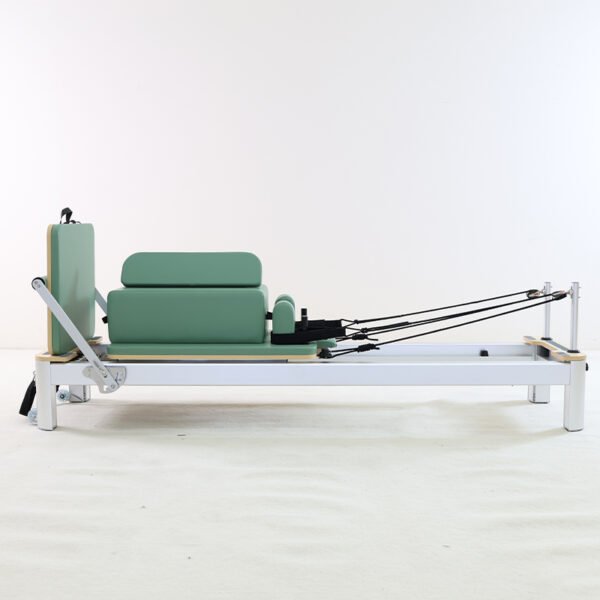
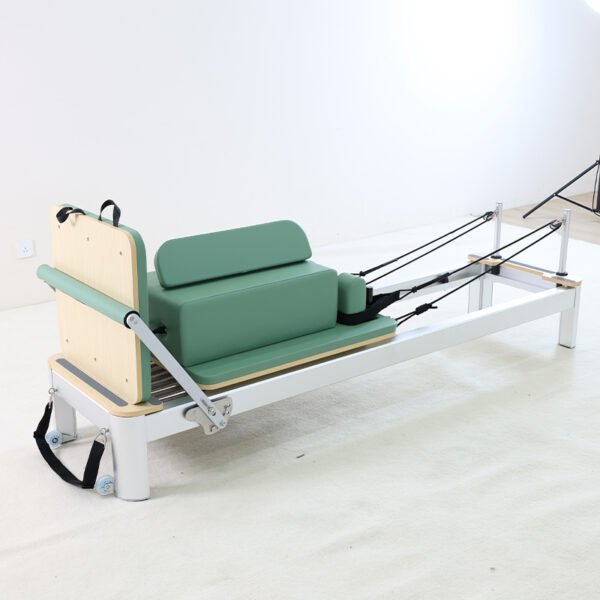
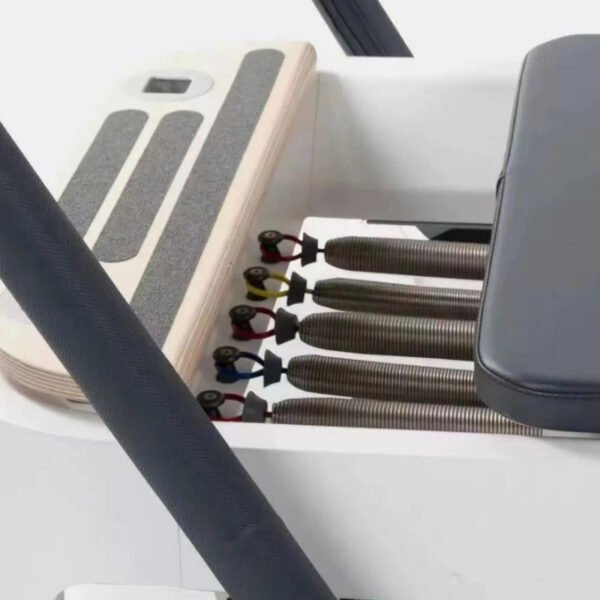
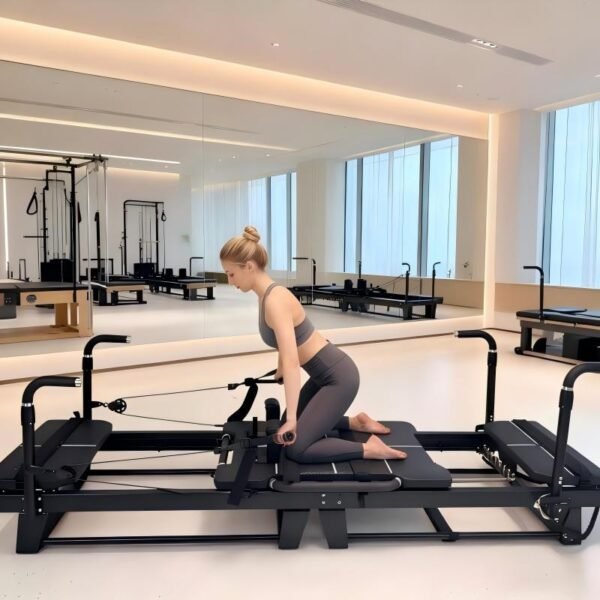
A Pilates Reformer uses a moving carriage attached to adjustable springs. Users push and pull against spring resistance while maintaining precise control.
Because the springs can be adjusted, beginners can start with lighter resistance while experienced users can progressively increase the challenge.
The moving carriage also activates stabilizing muscles that traditional gym machines often neglect, making Reformer Pilates particularly effective for developing functional strength.
How Pilates Equipment Helps Build Strength
While mat Pilates is an excellent introduction, specialized equipment allows for greater exercise variety and progressive resistance.
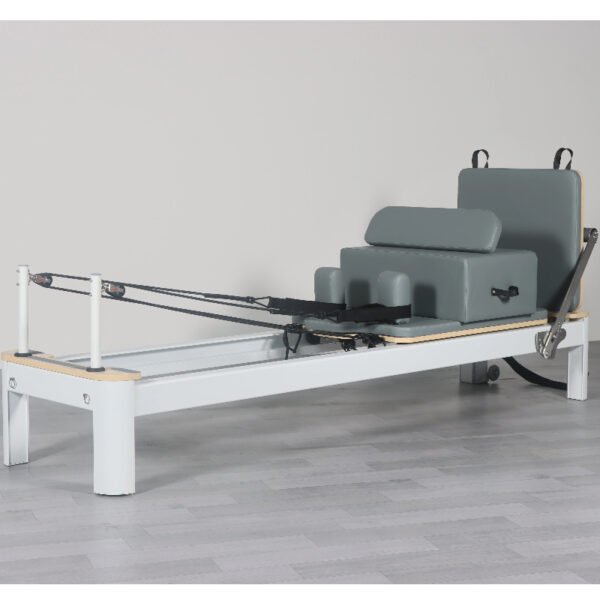
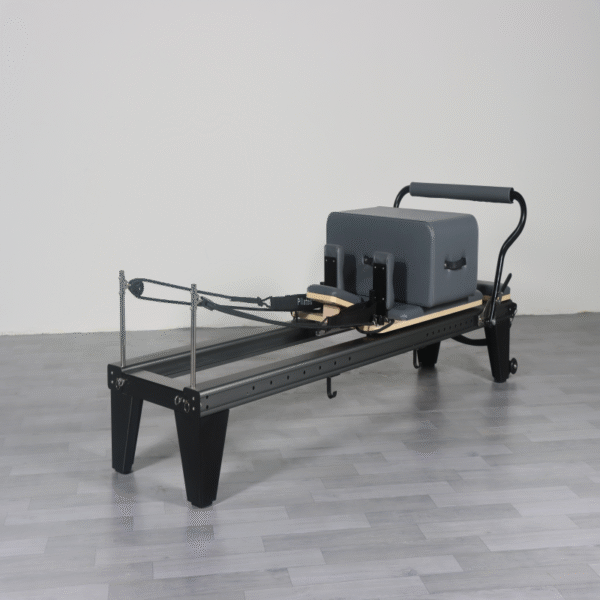
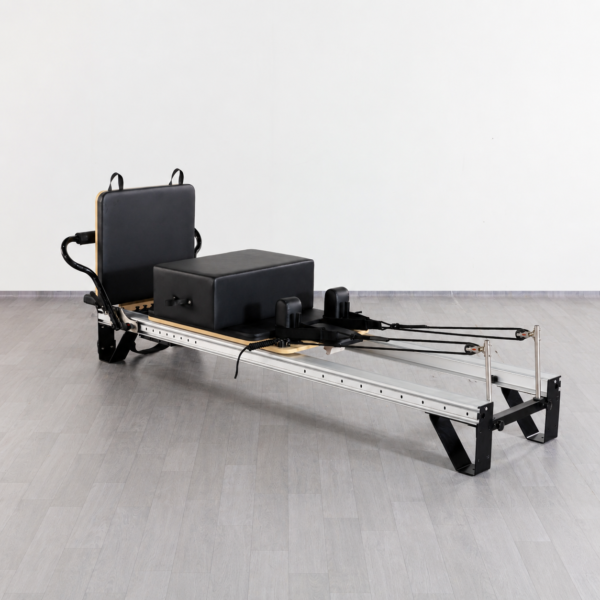
Pilates Reformer
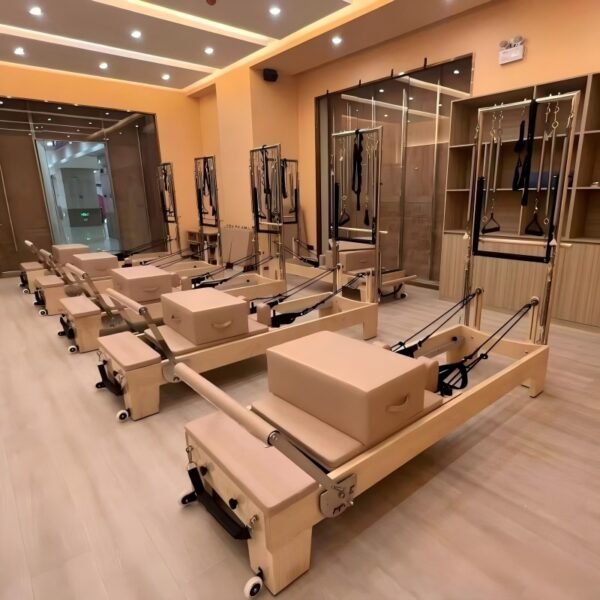
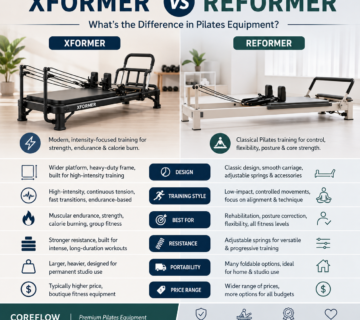
The Pilates Reformer is widely considered the most versatile strength-training machine in Pilates.
Its adjustable spring system creates smooth resistance throughout every movement, allowing users to perform hundreds of exercises that target nearly every major muscle group.
Common strength-focused exercises include:
Leg presses
Squats
Lunges
Rows
Chest presses
Planks
Core stabilization exercises
Unlike traditional machines that often isolate muscles, the Reformer encourages the entire body to work together.
-
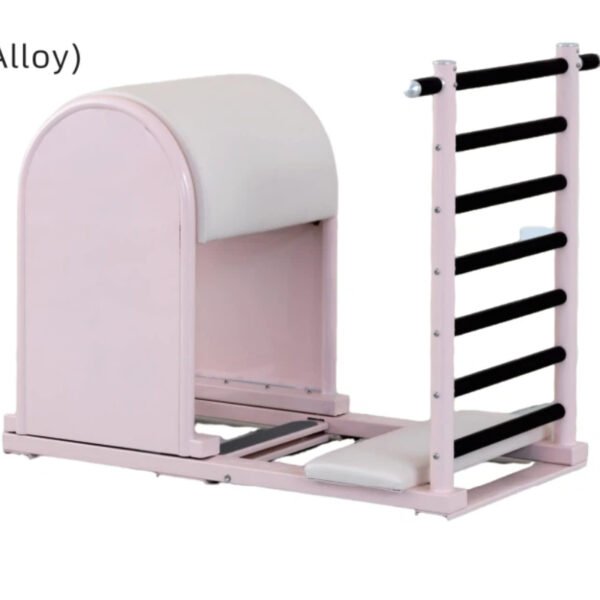
Aluminum Pilates Ladder Barrel | C14-03
-
Aluminum Pilates Reformer Y04-01
-
Aluminum Pilates Reformer Y06-01 | Commercial Studio Equipment
-
C05-01 Aluminum Pilates Reformer | Commercial Studio Equipment
-
Classical Reformer | C10-01
-
CoreFlow Megaformer Pro | Commercial Megaformer Pilates Machine
-
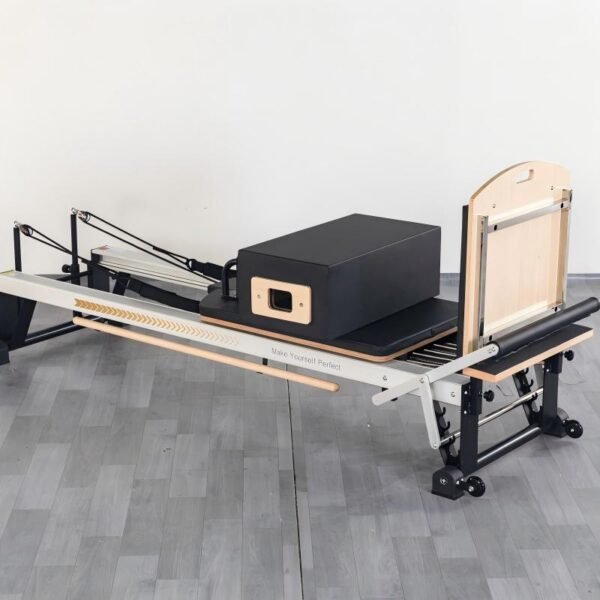
CoreFlow Y07-2 Pilates Reformer Machine for Studio & Gym
-
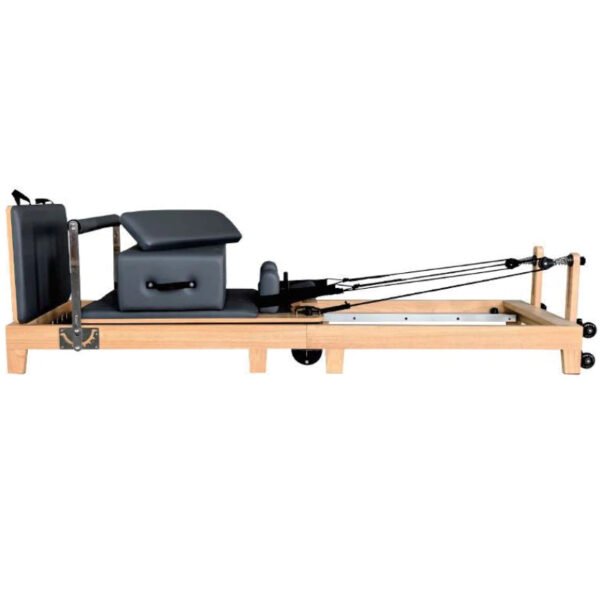
Foldable Pilates Reformer – C10-08
-
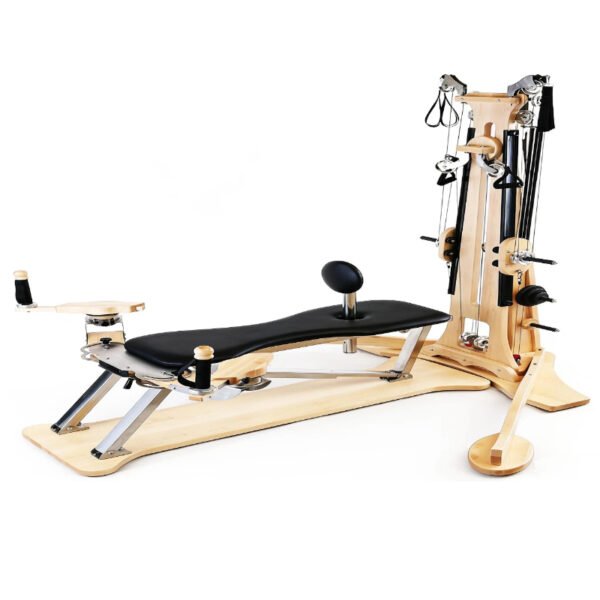
GYROTONIC Machine Y06-03 | Premium Gyrotonic Equipment
-
High Leg Pilates Reformer Y07-01 | Aluminum Studio Reformer Machine
-
Lagree mini PRO – Pilates Machine for Commercial Studios
-
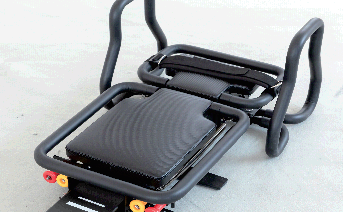
Lagree Pilates Machine | Aluminum Alloy Lagree Micro for Studio & Home
-
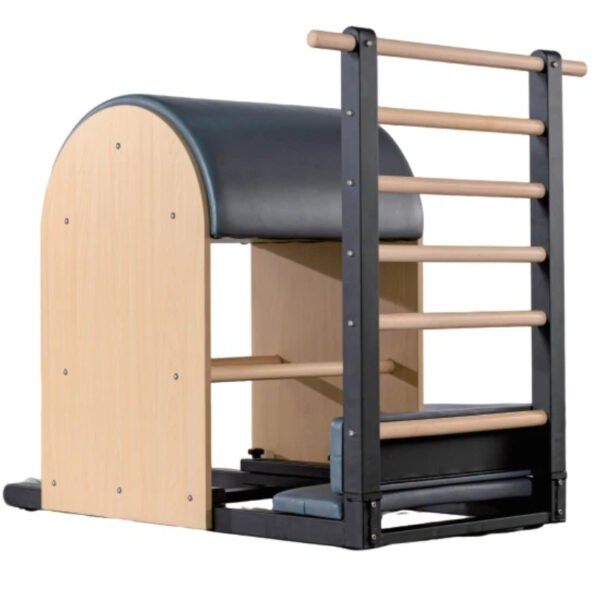
Maple Pilates Ladder Barrel – C09-16
-
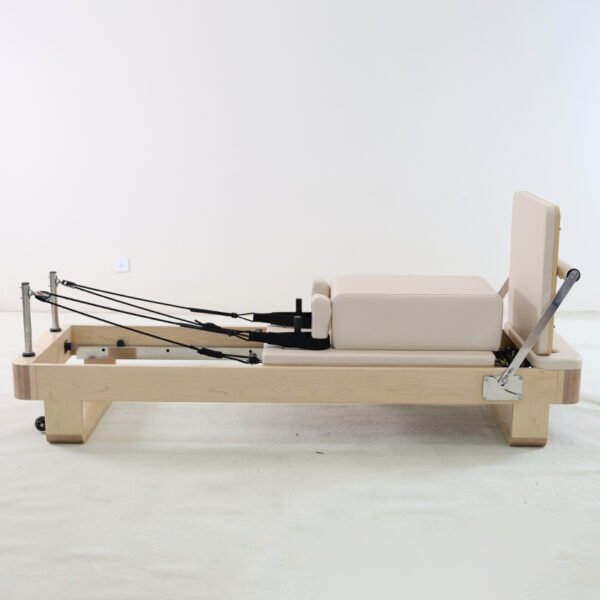
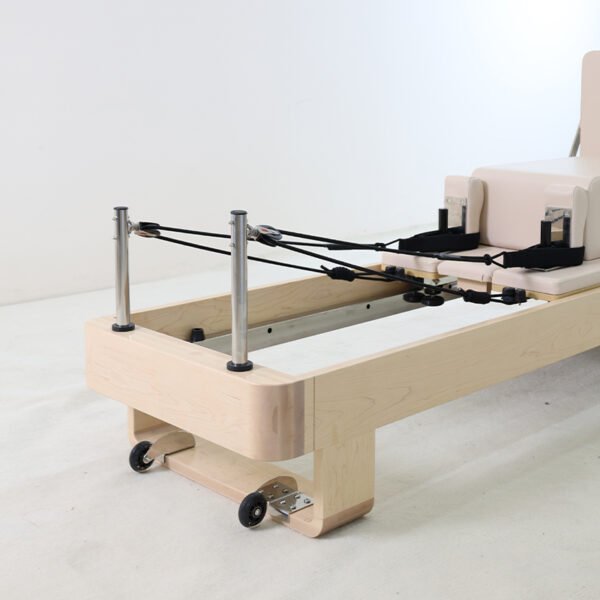
Maple Wood Pilates Reformer
-
Megaformer Pilates Machine C11-1
-
Micro Pro Lagree Pilates Machine | Compact Lagree Equipment for Studio
-
Mini Lagree(Lagree Microformer)
-
Pilates Cadillac | C02-03
-
Pilates Cadillac | C09-07
-
Pilates Cadillac Reformer C10-07
-
Pilates Cadillac Reformer Y12-1
-
Pilates Chair – Y12
-
Pilates Chair Y13 | Professional Wunda Chair Pilates Equipment
-
Pilates Reformer | Aluminum Pilates Reformer C04-08
-
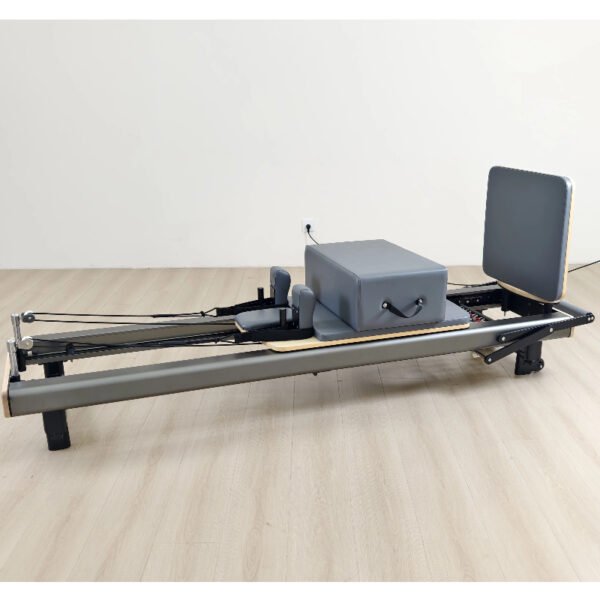
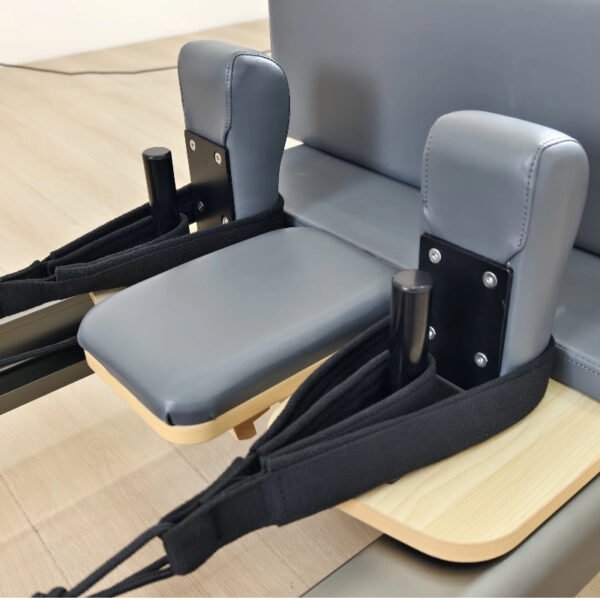
Pilates Reformer | Aluminum Studio Reformer
-
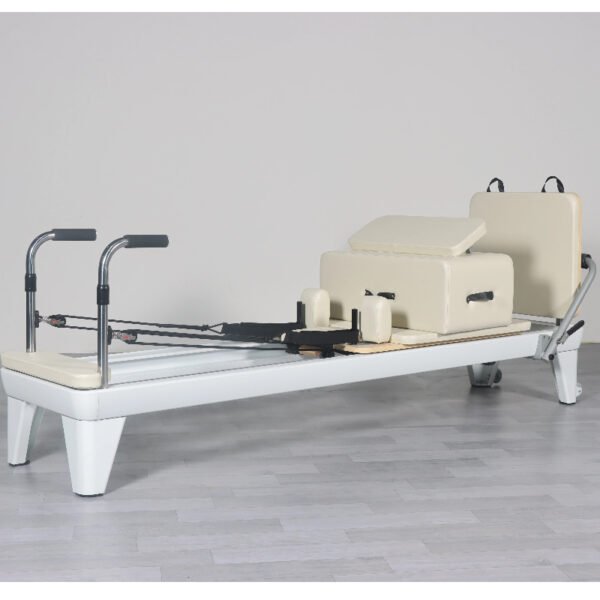
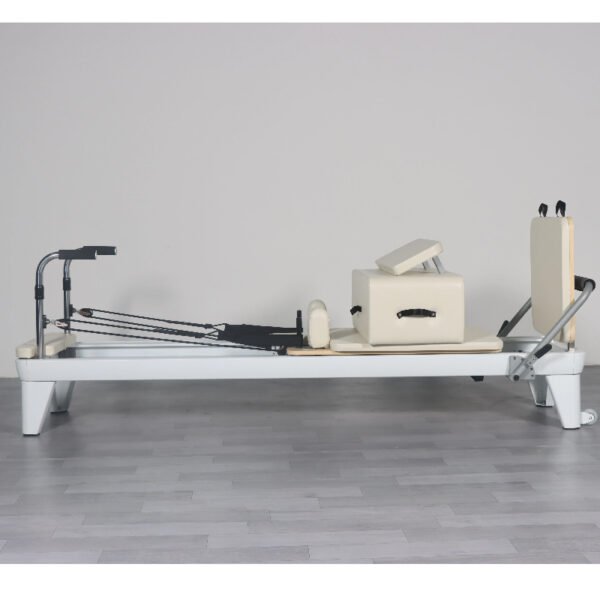
Pilates Reformer | C03-01
-
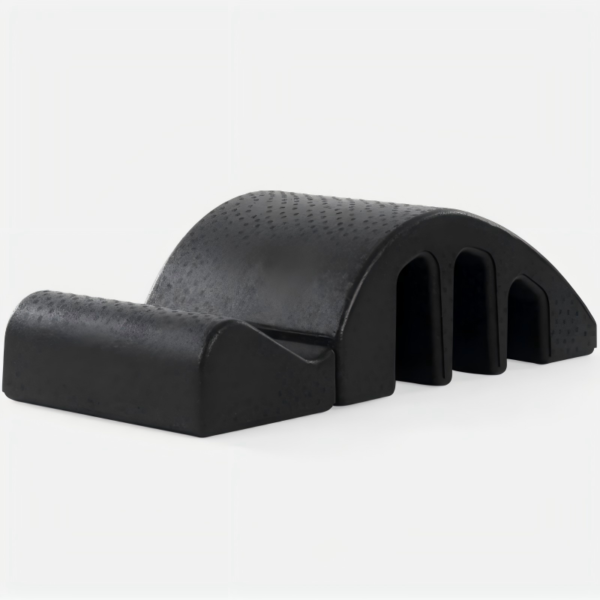
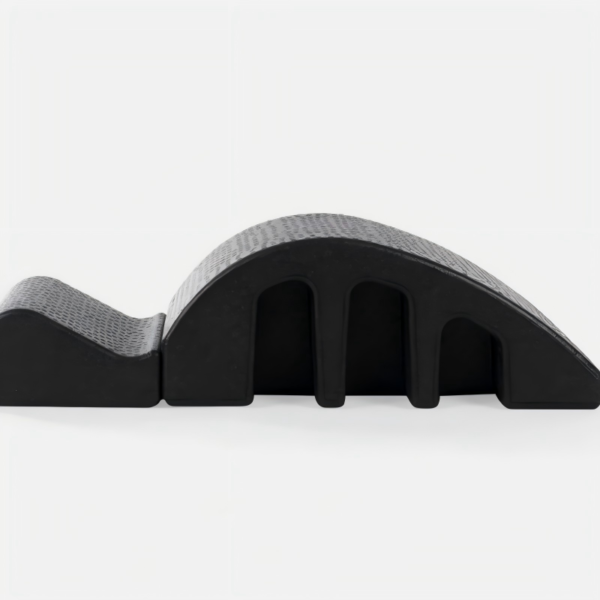
Pilates Spine Corrector | Professional Spine Corrector Pilates Equipment
-
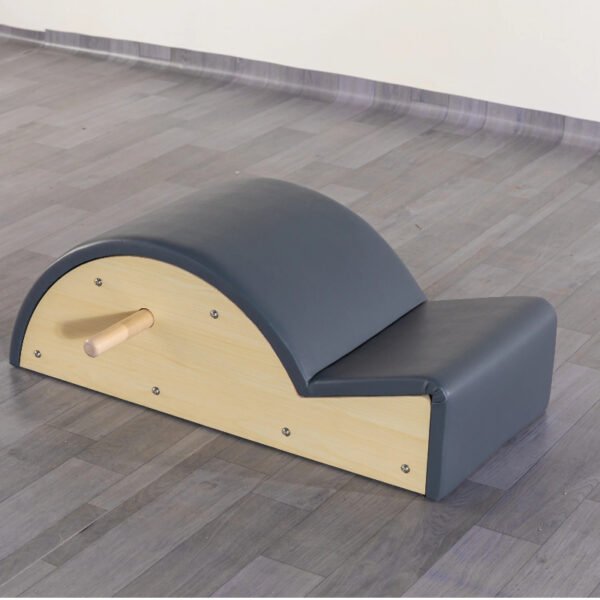
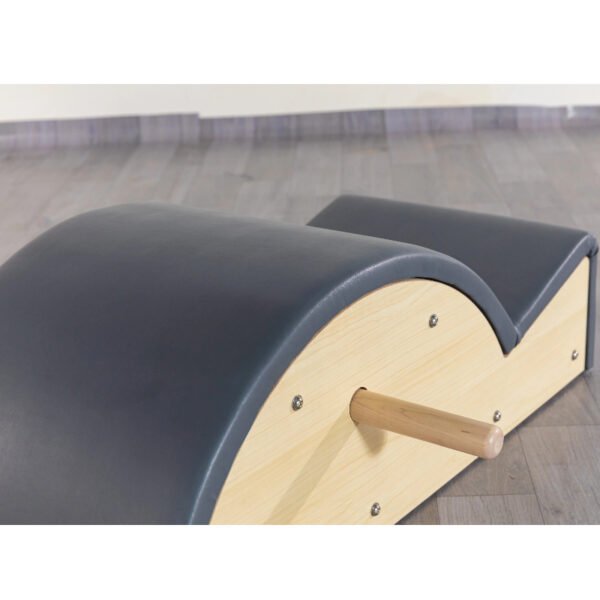
Pilates Spine Corrector | Y11-11
-
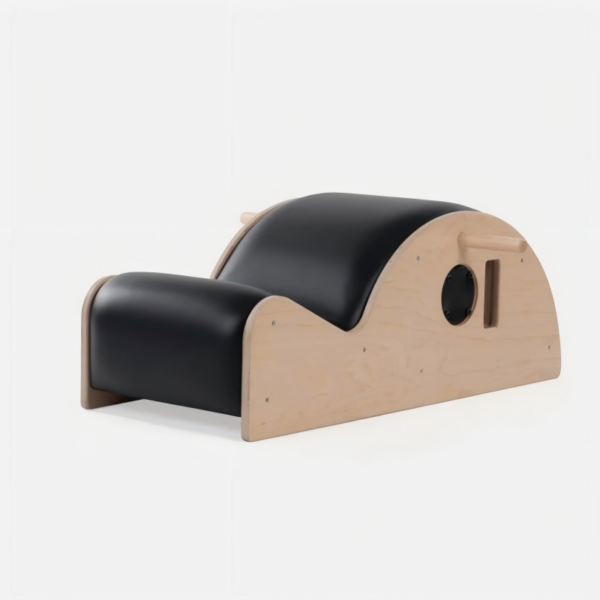
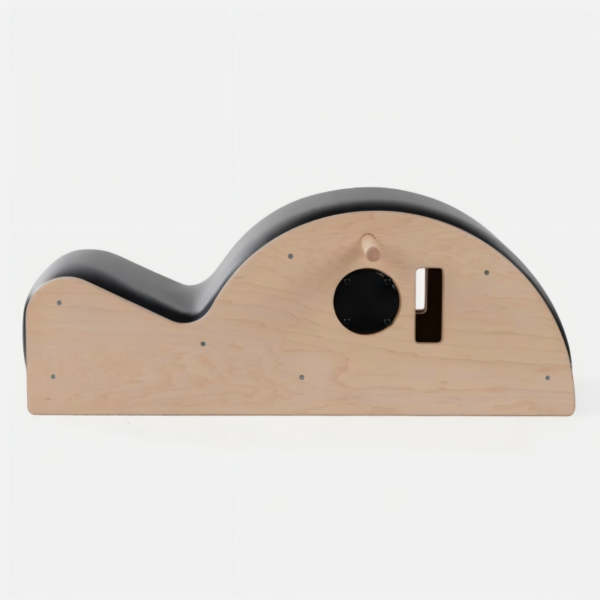
Pilates Spine Corrector Y15 | Professional Spine Corrector Pilates Equipment
-
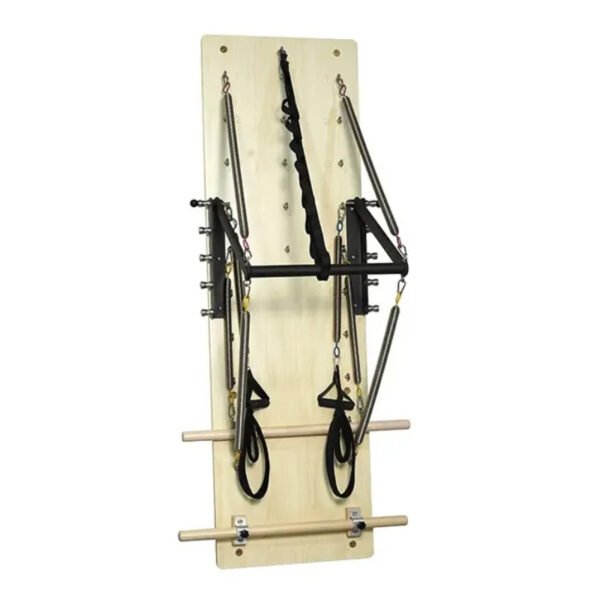
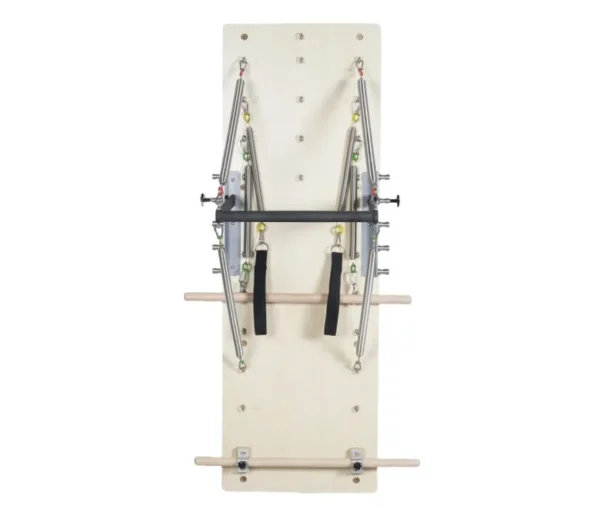
Pilates Wall Unit for Studio & Home
-
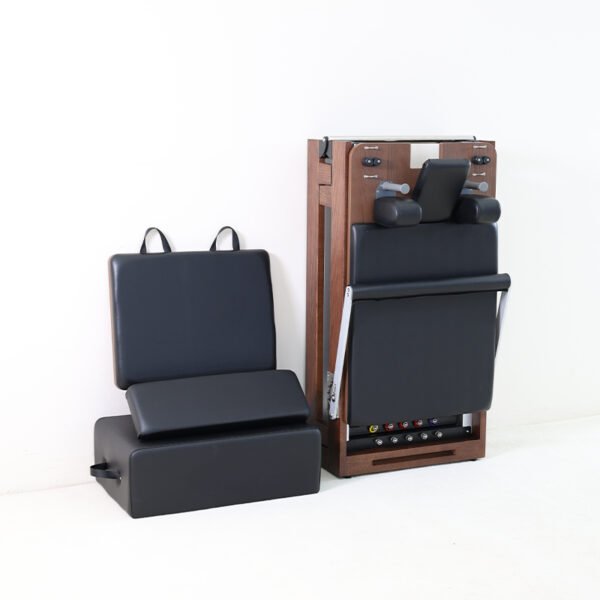
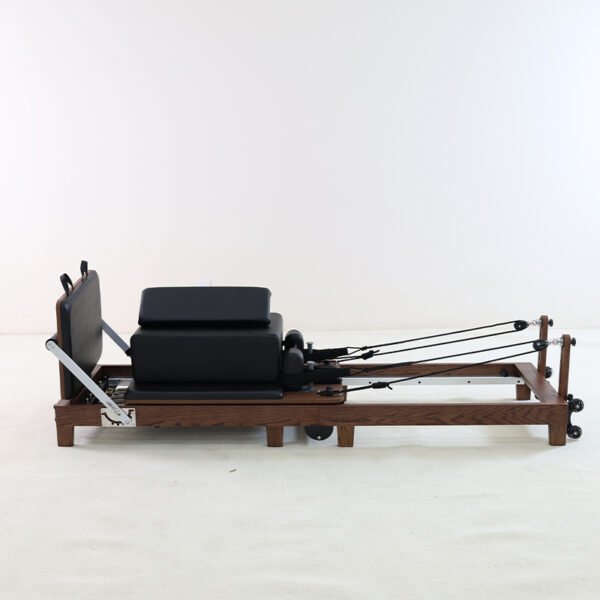
Walnut Wood Foldable Pilates Reformer
-
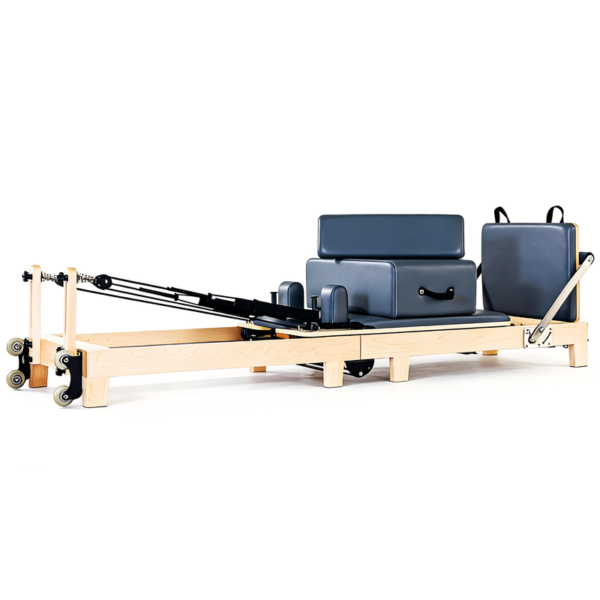
Wooden foldable Pilates reformer – CoreFlow Y09-14
-
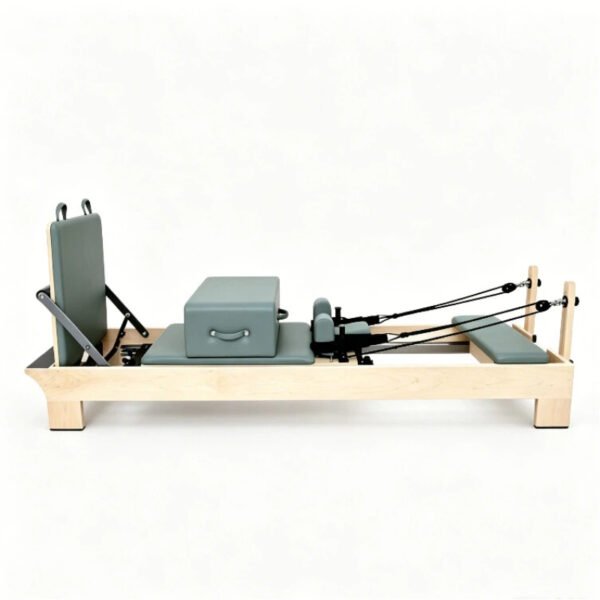
Wooden Pilates Reformer | CoreFlow C09-03
-
Wooden Pilates Reformer C09-01
-
Y04 Aluminum Pilates Reformer Machine | Pilates Reformer Wholesale
-
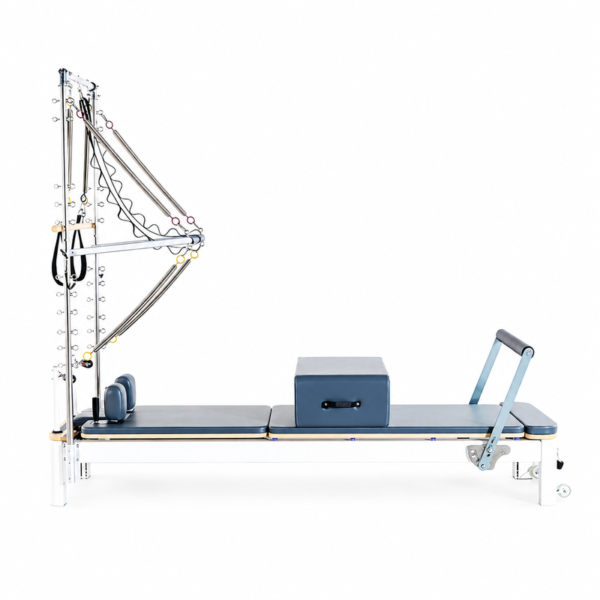
Y04-2Pilates Reformer With Tower Aluminum Machine for Studio & Home
-
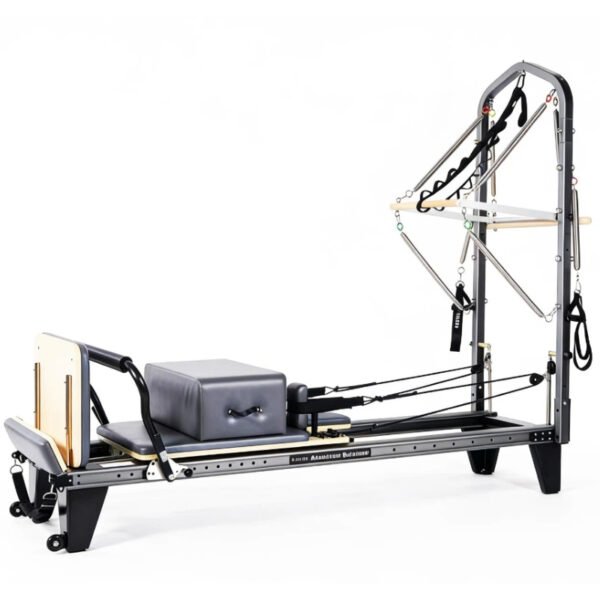
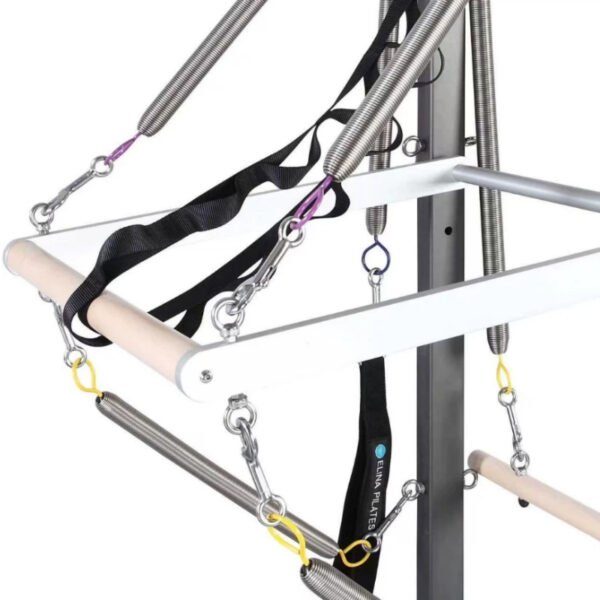
Y06-02 Aluminum Reformer with Half Tower
-
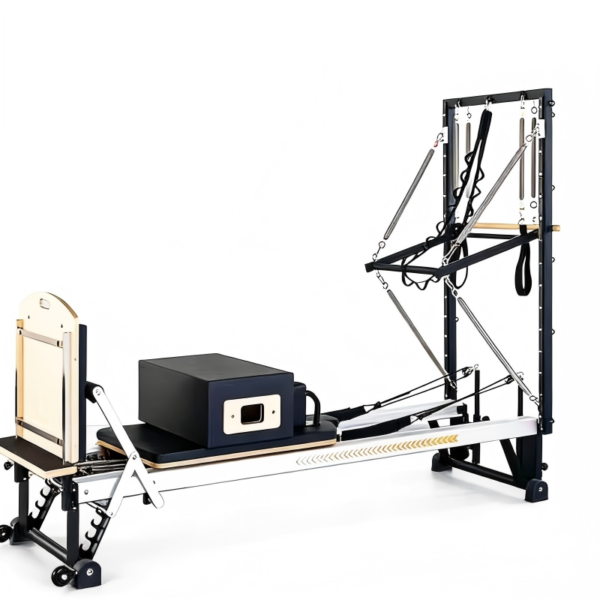
Y07-4 Pilates Reformer With Tower | Aluminum Alloy Reformer Machine
-
Y10-18 Aluminum Pilates Reformer Machine | OEM/ODM Studio Equipment
-
Y01-01 Aluminum Alloy Full Track Pilates Reformer
-

Wooden Pilates Reformer – Y11-01
-

Maple Wood Pilates Reformer: The Stunning Choice for Elite Studios & Discerning Practitioners|2026
-
Y04-04 Aluminum Alloy Pilates Reformer | Commercial Pilates Equipment
-
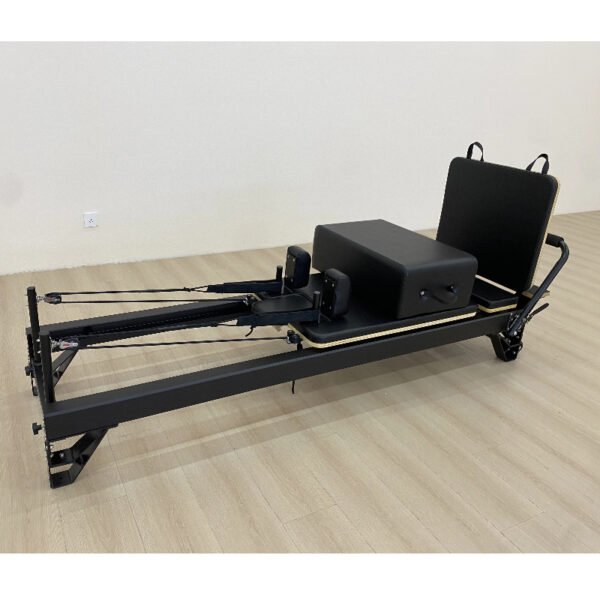
Y04-05 Aluminum Alloy Pilates Reformer | Commercial High-Leg Reformer
-
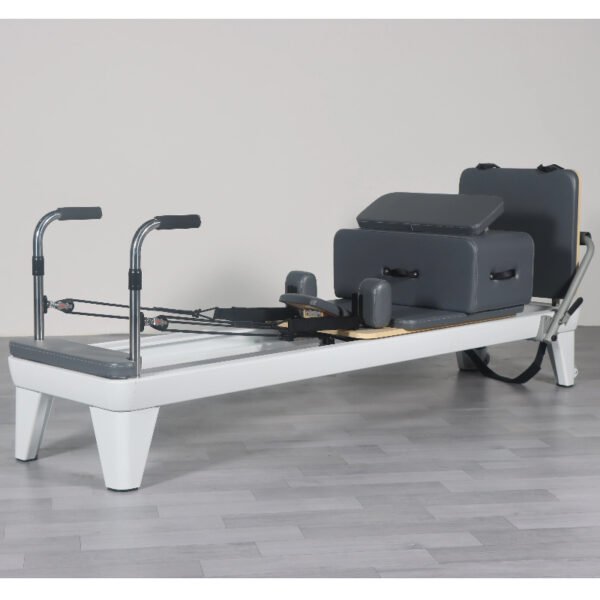
Y03-01 Aluminum Pilates Reformer | Multifunctional Studio Equipment
-
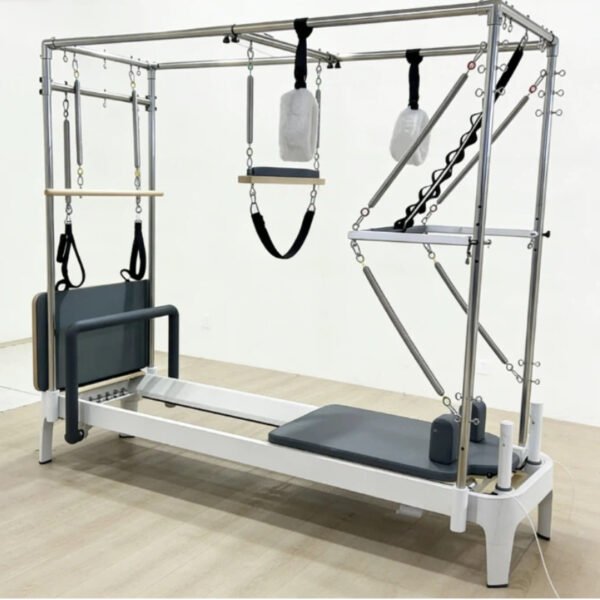
3 in 1 Multifunctional Pilates Reformer Fixed Orbit | Aluminum Frame
-
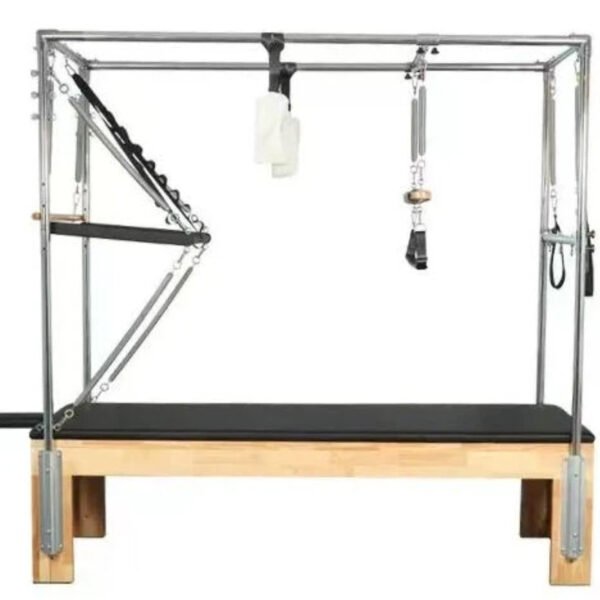
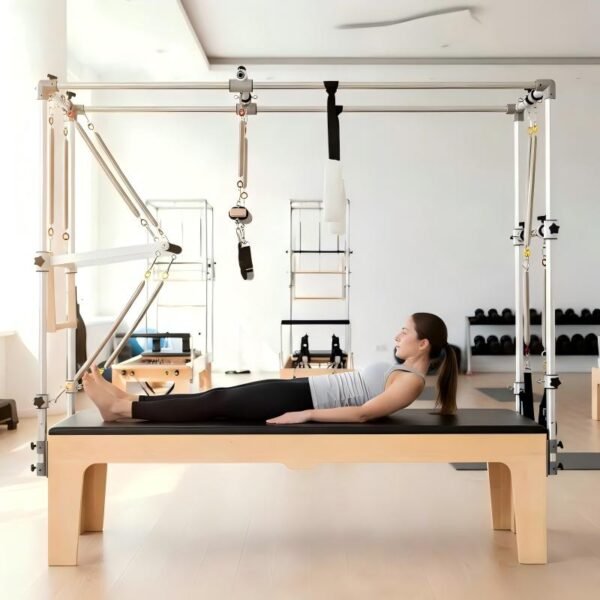
3-in-1 Pilates Cadillac Reformer | Oak Wood Apparatus
-
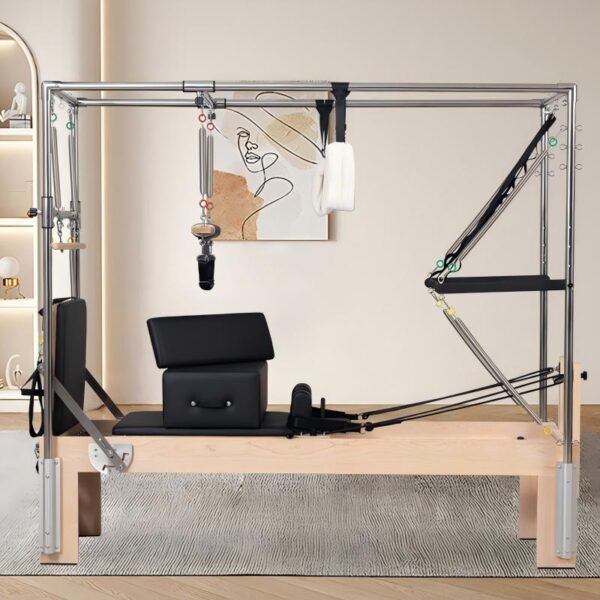

3-in-1Maple Wood Pilates Reformer Cadillac Combo
-
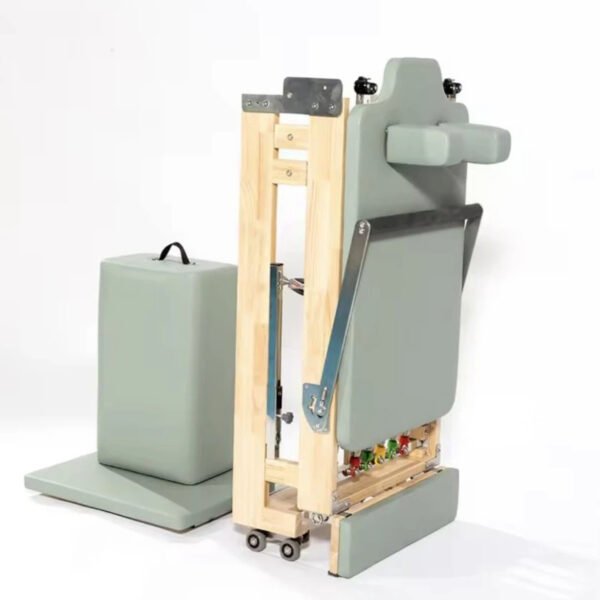

Foldable Pilates Reformer Machine – Compact & Space-Saving CoreFlow Y09-11
-
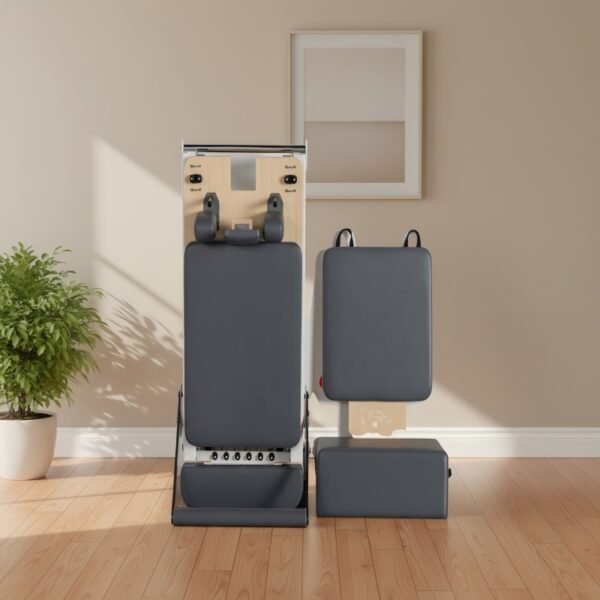

Foldable Reformer: The Brilliant Space-Saving Solution for Modern Living Spaces|2026
-
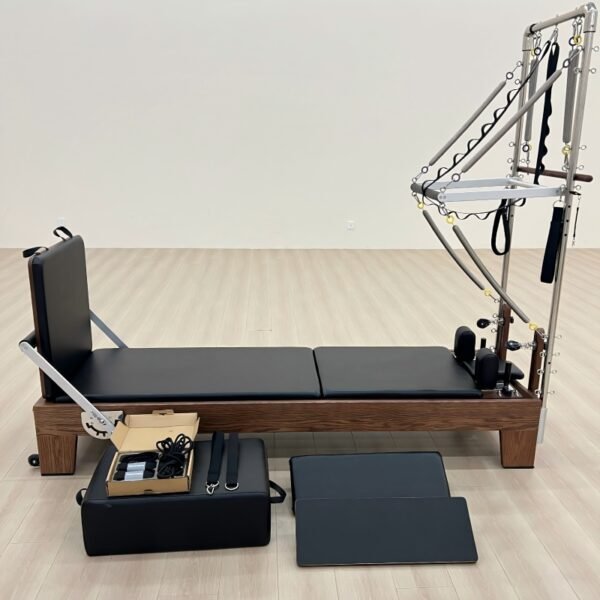

Integrated Maple Studio Reformer: The Unparalleled Dual-Function Training System|2026
-
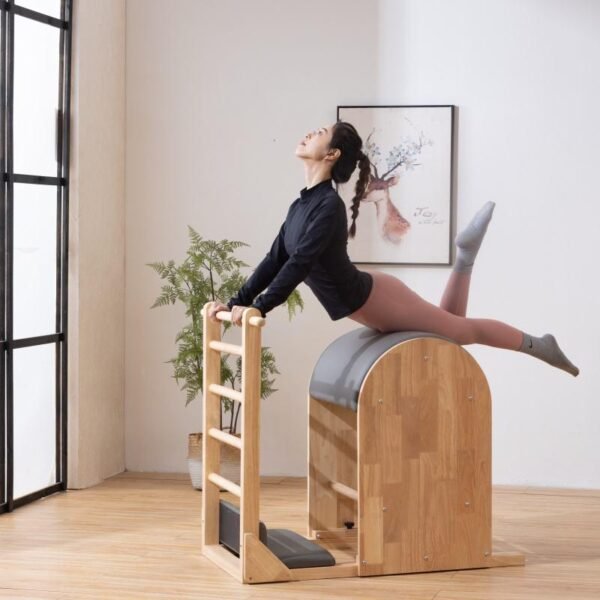

Oak Pilates Ladder Barrel
-
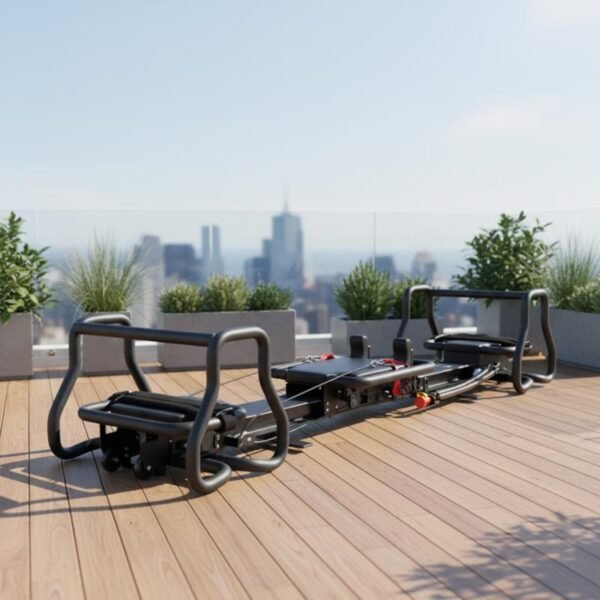

Lagree Megaformer: The Incredible Space-Smart Solution for High-Intensity Fitness
-
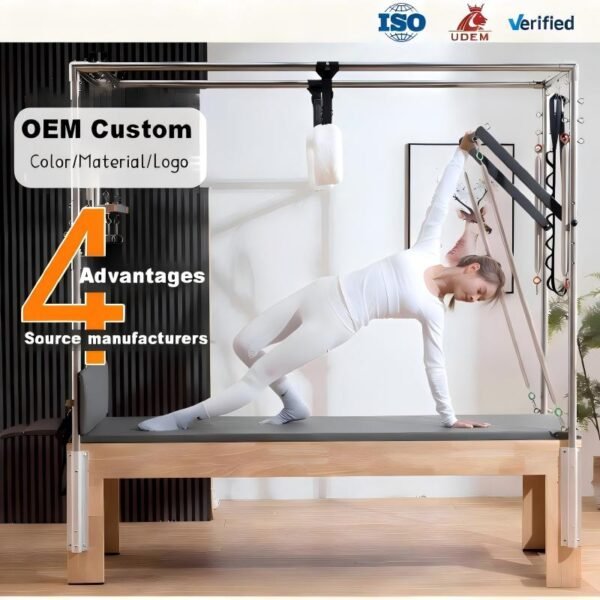

Maple Wood Cadillac Pilates | Pilates Studio Equipment
-
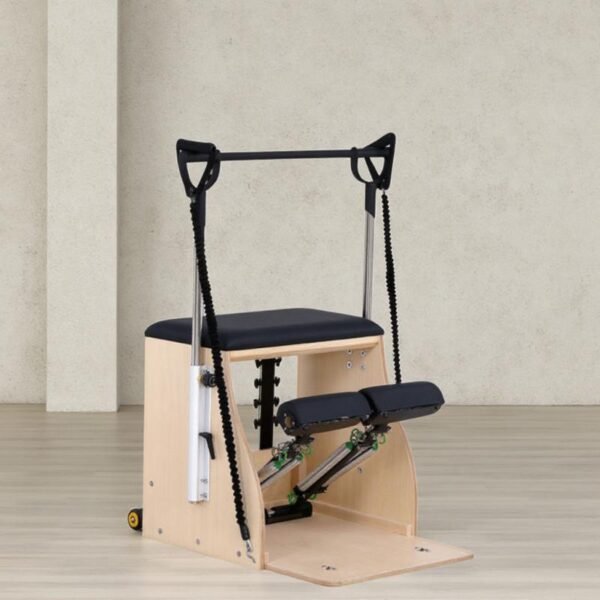

Maple Wunda Chair: The Ultimate Classic for Pilates Stability Training
-
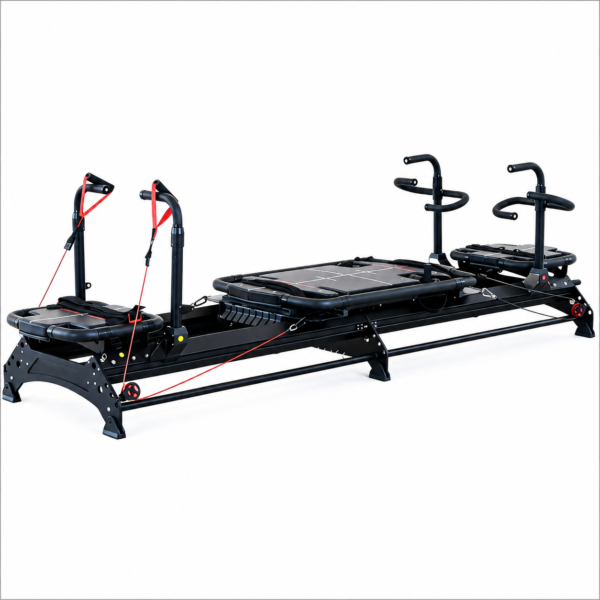
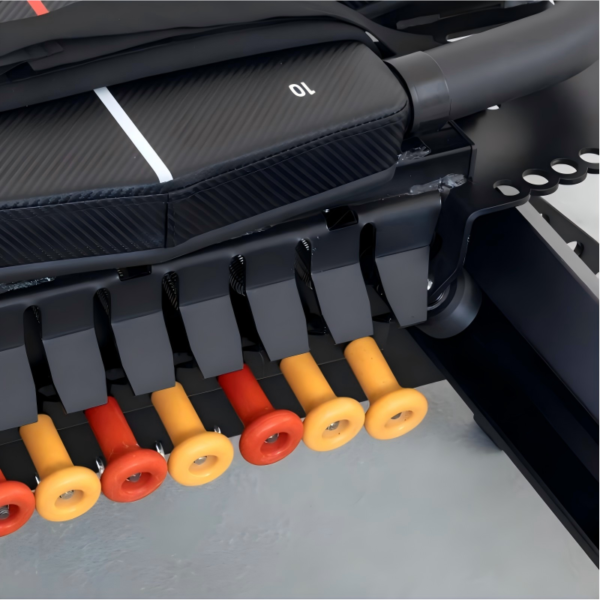
Megaformer M3K: The Unbeatable Powerhouse for Transformative High-Intensity Pilates
-
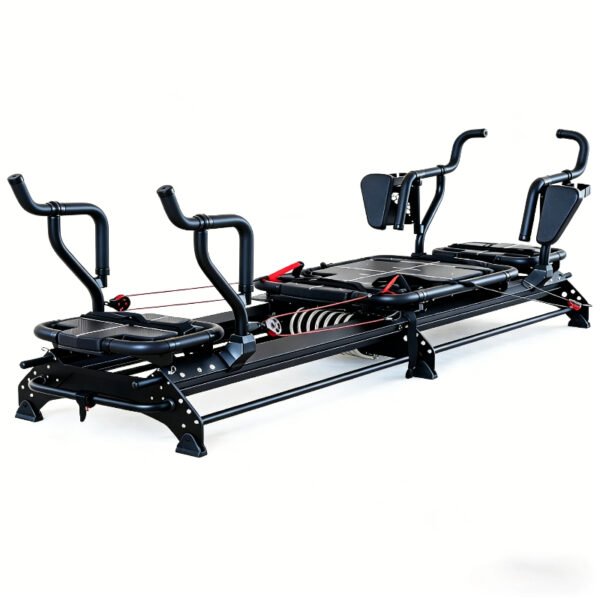
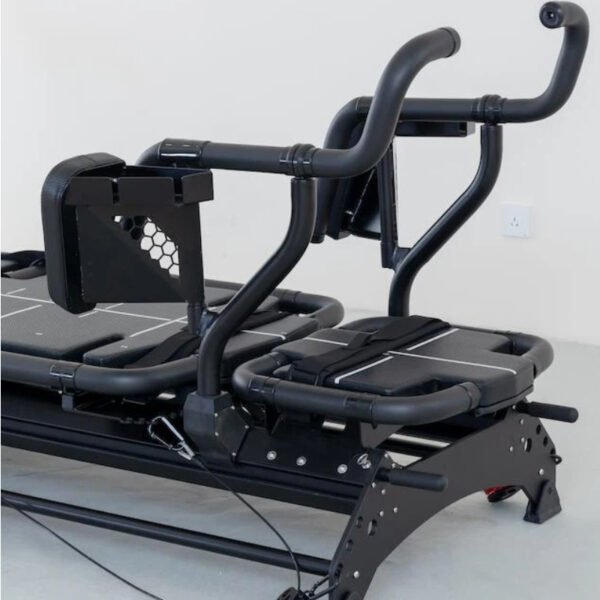
Lagree Megaformer M3K+ | Aluminum Pilates Reformer
-
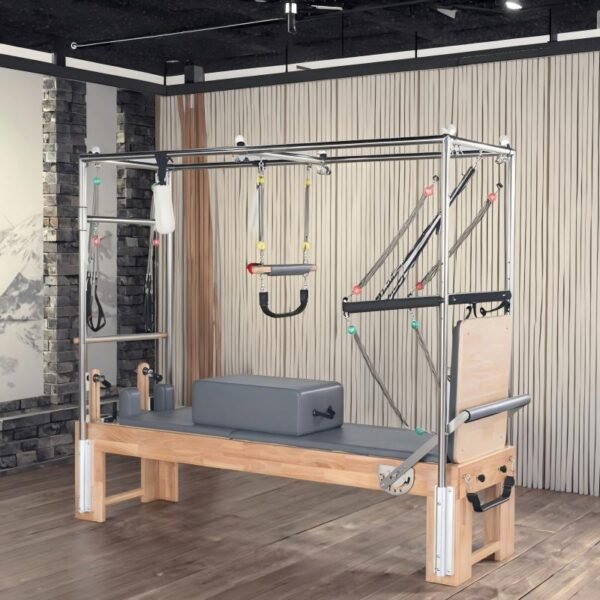

Multi-Function Pilates Machine | Reformer + Cadillac + Wunda chair
-
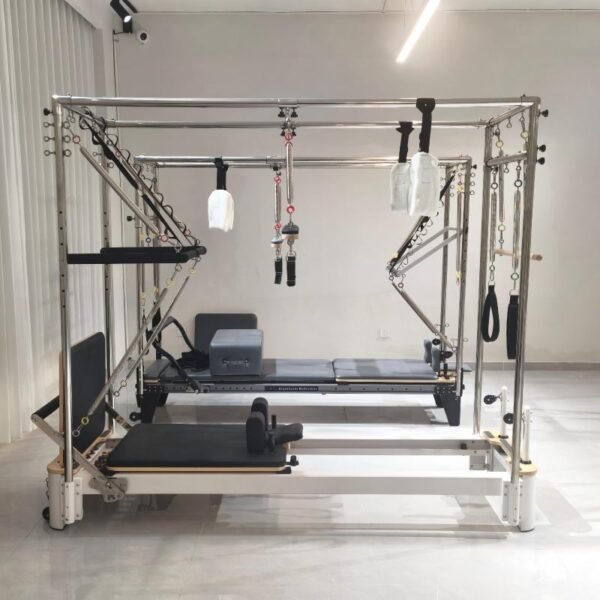

Pilates Cadillac 3 in 1: The Ultimate Space-Efficient Studio Solution
-
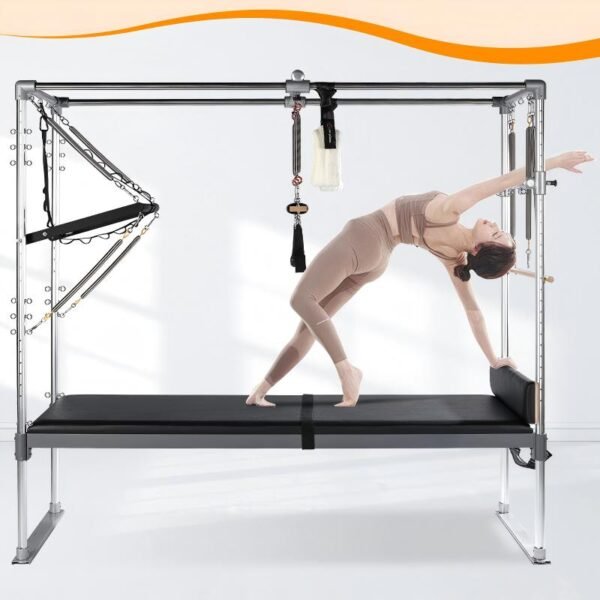

Pilates Cadillac All-in-One Studio Apparatus | Premium Pilates Equipment
-
Pilates Chair – Premium Oak Wunda Chair
-

Pilates Equipment Mastery: The Ultimate Studio Transformation Solution|2026
-

Pilates Maple Wood Ladder Barrel – Apparatus for Studios & home
-

Pilates Megaformer: The Ultimate Evolution in High-Intensity Pilates Training
-

Pilates Reformer Ultimate Guide: Why an Aluminum Frame is a Game Changer for Home & Studio|2026
-
Pilates Reformer with Tower Y05-02 Aluminum Alloy | Commercial Pilates Equipment
-

Stable Chair Pilates: The Essential Aluminum Wunda Chair for Dynamic Core Training
-

Tower Reformer: The Ultimate Space-Saving Solution for a Complete Home Studio|2026
-
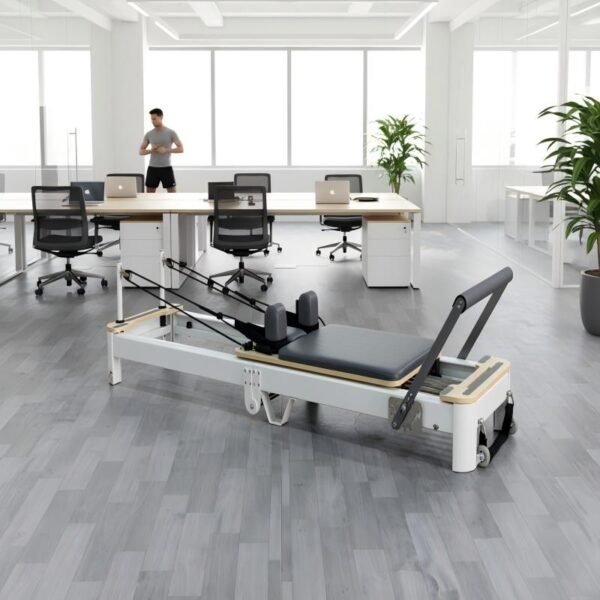

Foldable Pilates Reformer for Home & Studio
-
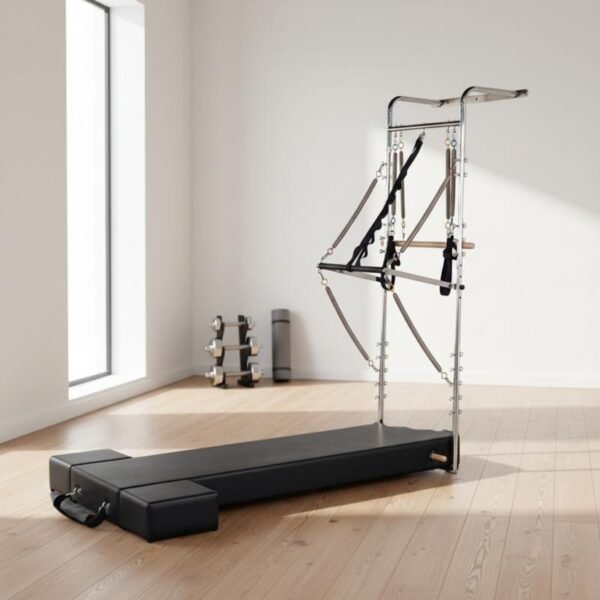
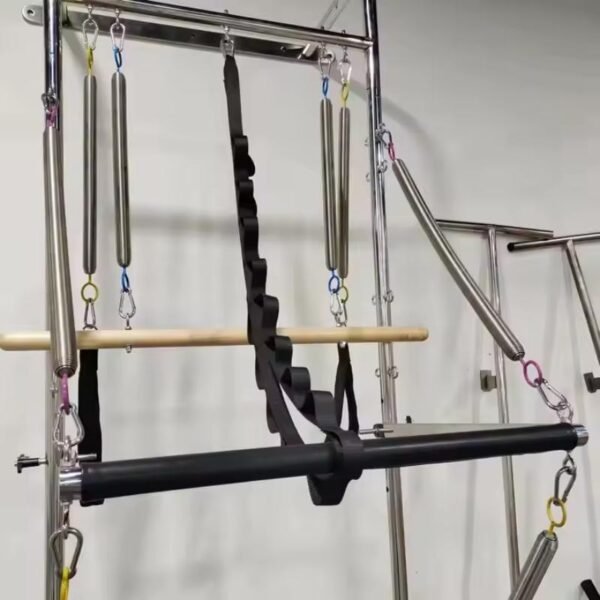
Wall Unit Pilates: Stainless Steel Spring Board
-
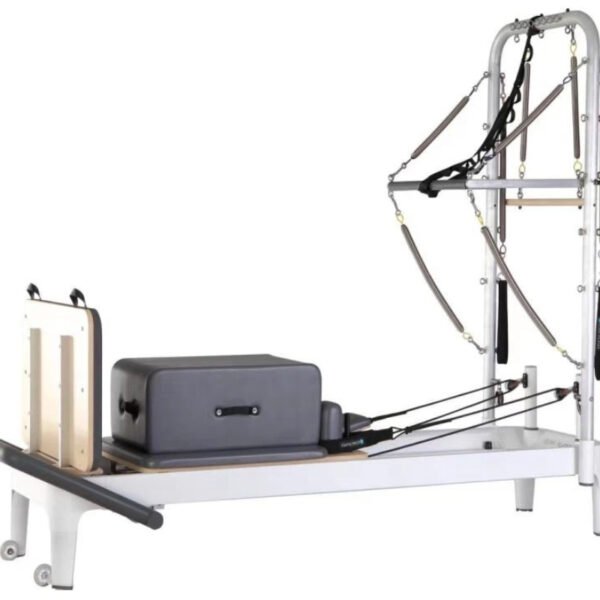
Y02-02 Pilates Reformer with Tower | Aluminum Fixed Orbit System
-
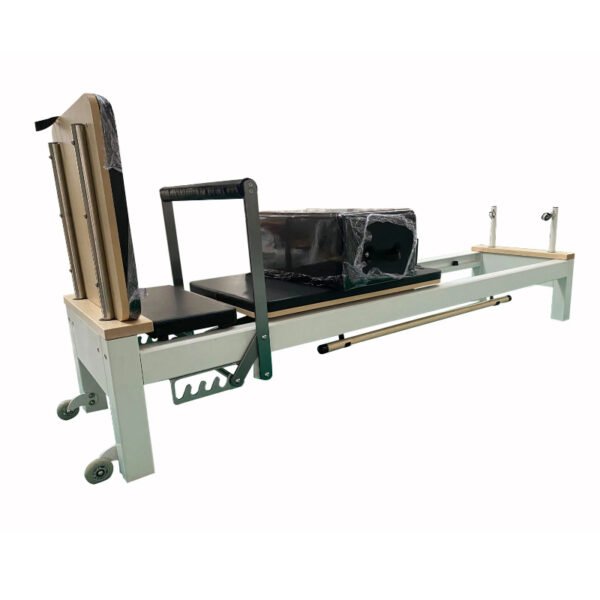
Y04-06 Aluminum Pilates Reformer | Commercial Aluminum Alloy Pilates Bed
-
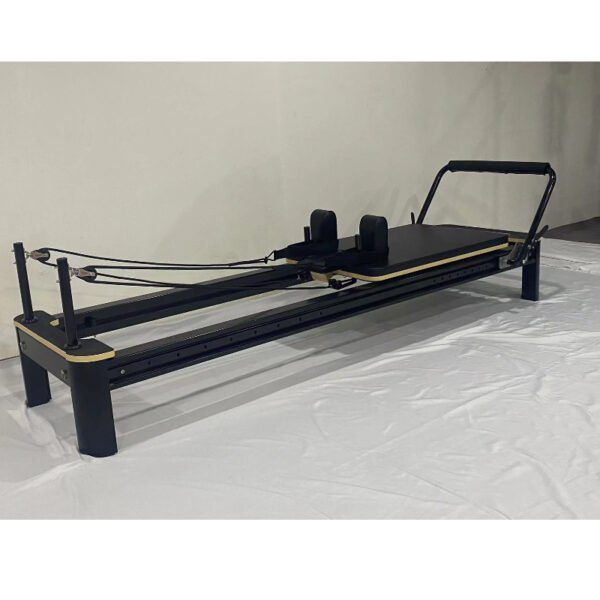
Y04-07 Aluminum Pilates Reformer Full Track | Commercial Pilates Equipment
-
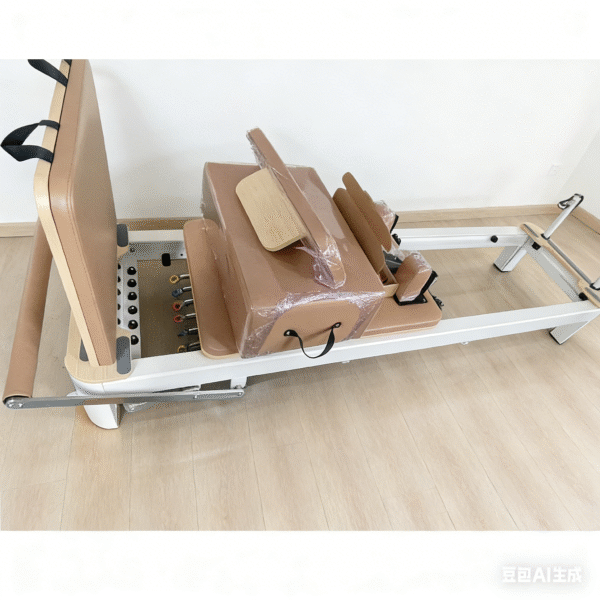
Y04-08 Aluminum Pilates Reformer with External Handles
Pilates Cadillac
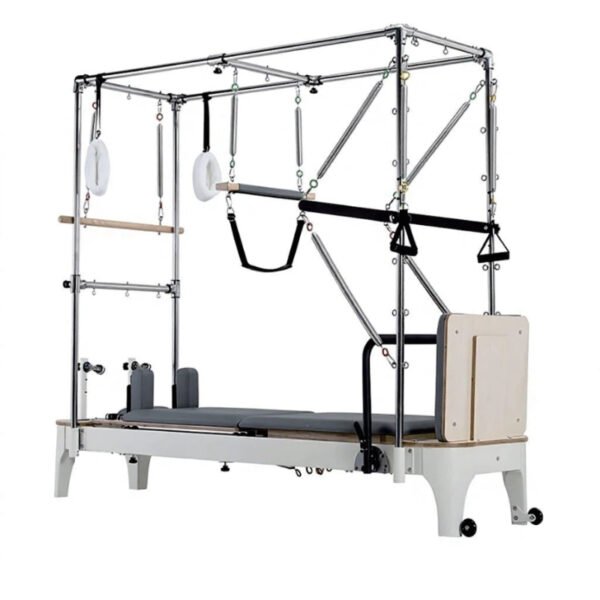
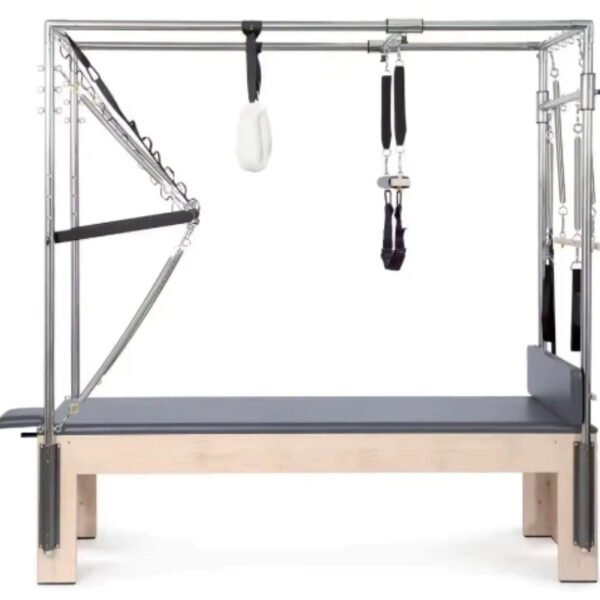
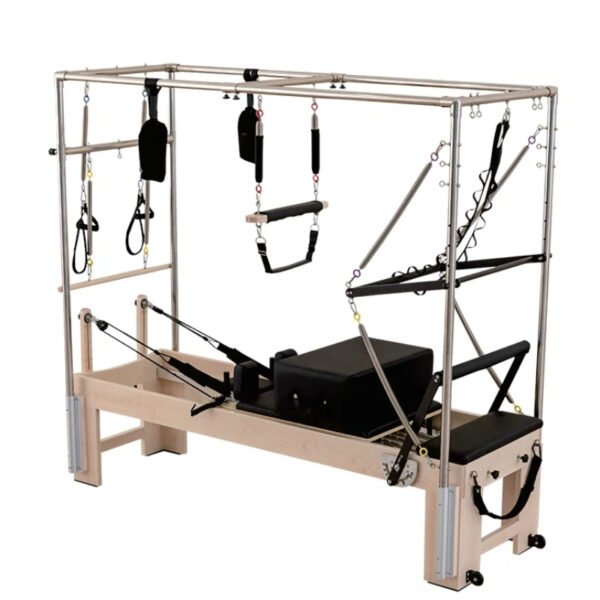
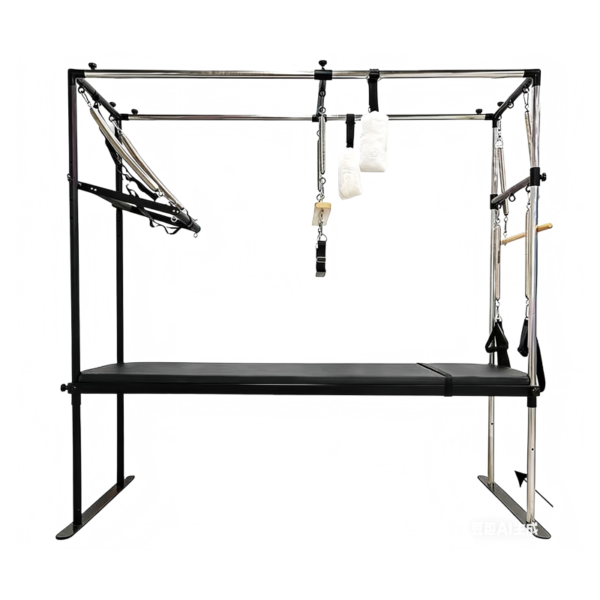
The Pilates Cadillac provides additional training possibilities using bars, straps, and springs.
It is frequently used in both fitness studios and rehabilitation clinics because exercises can be modified for different strength levels while improving flexibility and coordination.
-
Aluminum Pilates Ladder Barrel | C14-03
-
Aluminum Pilates Reformer Y04-01
-
Aluminum Pilates Reformer Y06-01 | Commercial Studio Equipment
-
C05-01 Aluminum Pilates Reformer | Commercial Studio Equipment
-
Classical Reformer | C10-01
-
CoreFlow Megaformer Pro | Commercial Megaformer Pilates Machine
-
CoreFlow Y07-2 Pilates Reformer Machine for Studio & Gym
-
Foldable Pilates Reformer – C10-08
-
GYROTONIC Machine Y06-03 | Premium Gyrotonic Equipment
-
High Leg Pilates Reformer Y07-01 | Aluminum Studio Reformer Machine
-
Lagree mini PRO – Pilates Machine for Commercial Studios
-
Lagree Pilates Machine | Aluminum Alloy Lagree Micro for Studio & Home
-
Maple Pilates Ladder Barrel – C09-16
-
Maple Wood Pilates Reformer
-
Megaformer Pilates Machine C11-1
-
Micro Pro Lagree Pilates Machine | Compact Lagree Equipment for Studio
-
Mini Lagree(Lagree Microformer)
-
Pilates Cadillac | C02-03
-
Pilates Cadillac | C09-07
-
Pilates Cadillac Reformer C10-07
-
Pilates Cadillac Reformer Y12-1
-
Pilates Chair – Y12
-
Pilates Chair Y13 | Professional Wunda Chair Pilates Equipment
-
Pilates Reformer | Aluminum Pilates Reformer C04-08
-
Pilates Reformer | Aluminum Studio Reformer
-
Pilates Reformer | C03-01
-
Pilates Spine Corrector | Professional Spine Corrector Pilates Equipment
-
Pilates Spine Corrector | Y11-11
-
Pilates Spine Corrector Y15 | Professional Spine Corrector Pilates Equipment
-
Pilates Wall Unit for Studio & Home
-
Walnut Wood Foldable Pilates Reformer
-
Wooden foldable Pilates reformer – CoreFlow Y09-14
-
Wooden Pilates Reformer | CoreFlow C09-03
-
Wooden Pilates Reformer C09-01
-
Y04 Aluminum Pilates Reformer Machine | Pilates Reformer Wholesale
-
Y04-2Pilates Reformer With Tower Aluminum Machine for Studio & Home
-
Y06-02 Aluminum Reformer with Half Tower
-
Y07-4 Pilates Reformer With Tower | Aluminum Alloy Reformer Machine
-
Y10-18 Aluminum Pilates Reformer Machine | OEM/ODM Studio Equipment
-
Y01-01 Aluminum Alloy Full Track Pilates Reformer
-
Wooden Pilates Reformer – Y11-01
-
Maple Wood Pilates Reformer: The Stunning Choice for Elite Studios & Discerning Practitioners|2026
-
Y04-04 Aluminum Alloy Pilates Reformer | Commercial Pilates Equipment
-
Y04-05 Aluminum Alloy Pilates Reformer | Commercial High-Leg Reformer
-
Y03-01 Aluminum Pilates Reformer | Multifunctional Studio Equipment
-
3 in 1 Multifunctional Pilates Reformer Fixed Orbit | Aluminum Frame
-
3-in-1 Pilates Cadillac Reformer | Oak Wood Apparatus
-
3-in-1Maple Wood Pilates Reformer Cadillac Combo
-
Foldable Pilates Reformer Machine – Compact & Space-Saving CoreFlow Y09-11
-
Foldable Reformer: The Brilliant Space-Saving Solution for Modern Living Spaces|2026
-
Integrated Maple Studio Reformer: The Unparalleled Dual-Function Training System|2026
-
Oak Pilates Ladder Barrel
-
Lagree Megaformer: The Incredible Space-Smart Solution for High-Intensity Fitness
-
Maple Wood Cadillac Pilates | Pilates Studio Equipment
-
Maple Wunda Chair: The Ultimate Classic for Pilates Stability Training
-
Megaformer M3K: The Unbeatable Powerhouse for Transformative High-Intensity Pilates
-
Lagree Megaformer M3K+ | Aluminum Pilates Reformer
-
Multi-Function Pilates Machine | Reformer + Cadillac + Wunda chair
-
Pilates Cadillac 3 in 1: The Ultimate Space-Efficient Studio Solution
-
Pilates Cadillac All-in-One Studio Apparatus | Premium Pilates Equipment
-
Pilates Chair – Premium Oak Wunda Chair
-
Pilates Equipment Mastery: The Ultimate Studio Transformation Solution|2026
-
Pilates Maple Wood Ladder Barrel – Apparatus for Studios & home
-
Pilates Megaformer: The Ultimate Evolution in High-Intensity Pilates Training
-
Pilates Reformer Ultimate Guide: Why an Aluminum Frame is a Game Changer for Home & Studio|2026
-
Pilates Reformer with Tower Y05-02 Aluminum Alloy | Commercial Pilates Equipment
-
Stable Chair Pilates: The Essential Aluminum Wunda Chair for Dynamic Core Training
-
Tower Reformer: The Ultimate Space-Saving Solution for a Complete Home Studio|2026
-
Foldable Pilates Reformer for Home & Studio
-
Wall Unit Pilates: Stainless Steel Spring Board
-
Y02-02 Pilates Reformer with Tower | Aluminum Fixed Orbit System
-
Y04-06 Aluminum Pilates Reformer | Commercial Aluminum Alloy Pilates Bed
-
Y04-07 Aluminum Pilates Reformer Full Track | Commercial Pilates Equipment
-
Y04-08 Aluminum Pilates Reformer with External Handles
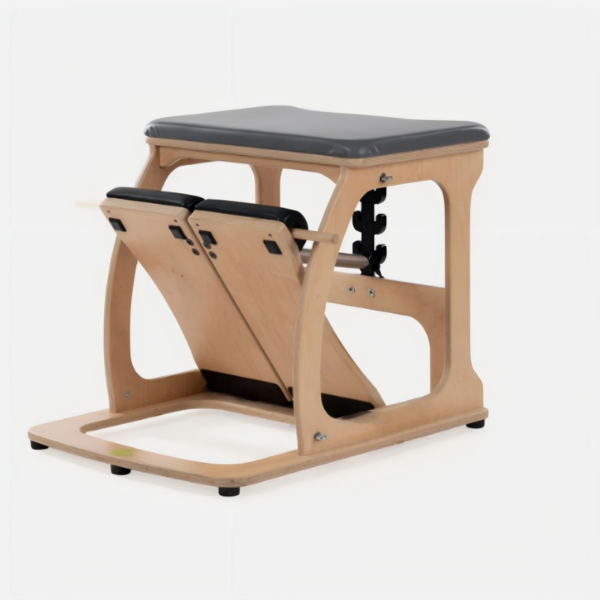
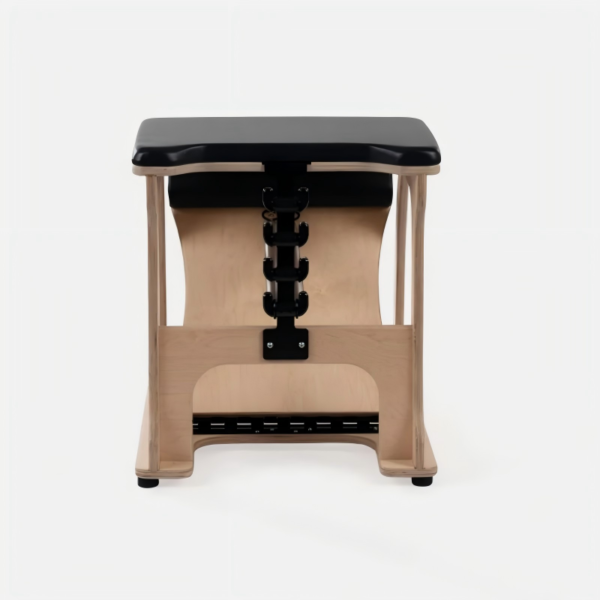
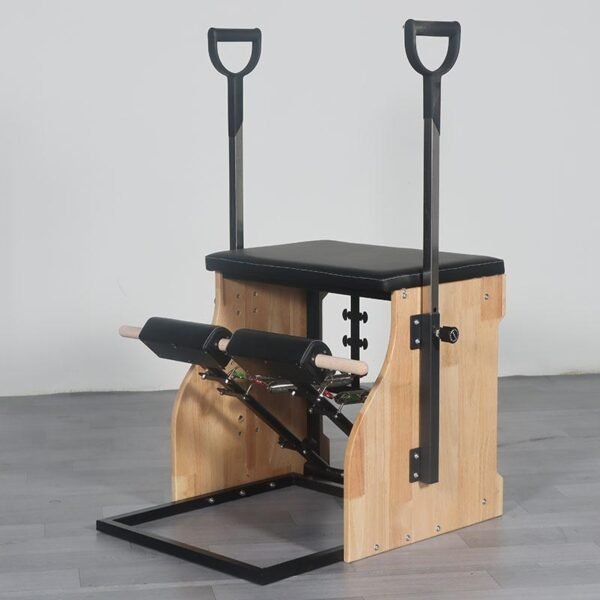
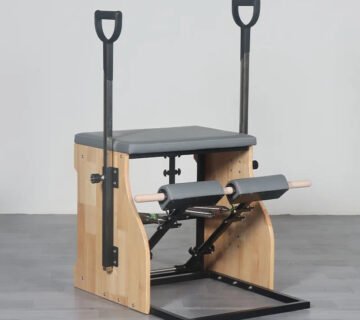
Pilates Chair
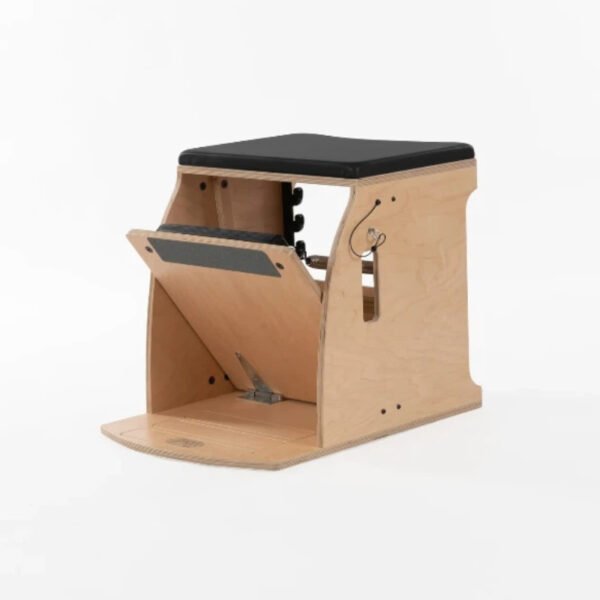
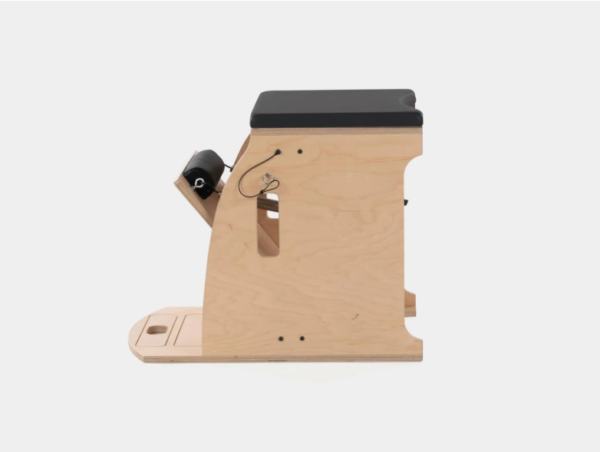
Don’t let its compact size fool you.
The Pilates Chair offers some of the most demanding strength exercises in Pilates. Standing presses, step-ups, balance work, and single-leg movements challenge the lower body while continuously engaging the core.
Many athletes use the Chair to improve unilateral strength, coordination, and stability.
Pilates vs. Weight Training: Which Is Better?
There isn’t a single answer because each training method serves different goals.
| Goal | Pilates | Weight Training |
| Functional strength | Excellent | Very Good |
| Maximum strength | Moderate | Excellent |
| Muscle hypertrophy | Moderate | Excellent |
| Core stability | Excellent | Good |
| Flexibility | Excellent | Limited |
| Posture | Excellent | Moderate |
| Joint-friendly exercise | Excellent | Good |
Weight training is typically better for increasing maximum strength and muscle size because it allows progressive loading with heavier weights.
Pilates focuses more on movement quality, posture, stability, flexibility, and balanced muscular development.
Many trainers recommend combining both.
For example, someone might lift weights three days per week while practicing Pilates twice weekly. This combination can improve movement efficiency, reduce muscular imbalances, and support recovery without replacing traditional strength sessions.
Real-World Example: Why Office Workers Benefit from Pilates Strength Training
Imagine someone who spends eight or nine hours each day working at a computer.
Over time, prolonged sitting can contribute to rounded shoulders, tight hip flexors, weak glutes, reduced core activation, and lower back discomfort.
Traditional gym workouts may strengthen certain muscles but often overlook posture and movement mechanics.
Pilates addresses these issues differently.
During a Reformer workout, users strengthen deep core muscles, activate the glutes, improve spinal alignment, and increase shoulder stability while moving through controlled ranges of motion.
Many office workers report feeling stronger during everyday activities such as climbing stairs, lifting groceries, carrying children, or standing for extended periods after adding Pilates to their weekly routine.
This practical, everyday strength is one reason Pilates has become increasingly popular among professionals who spend much of the day sitting.
Who Can Benefit Most from Pilates Strength Training?
Pilates is suitable for nearly every fitness level because resistance can be adjusted to individual ability.
It may be particularly beneficial for:
Beginners starting a fitness journey
Adults returning to exercise after a break
Office workers looking to improve posture
Older adults maintaining mobility and balance
Athletes improving movement efficiency
Individuals recovering from injuries under professional supervision
Pilates studios seeking versatile full-body training equipment
Because exercises can be modified using different spring tensions, Pilates equipment allows users to progress safely as strength improves.
Choosing the Right Pilates Equipment for Strength Training
If strength development is one of your goals, equipment quality matters.
Commercial-grade Pilates equipment provides smoother movement, more consistent resistance, and greater durability than entry-level models.
When choosing a Pilates Reformer or other equipment, consider:
Adjustable spring resistance
Stable frame construction
Smooth carriage movement
Comfortable shoulder rests
Multiple resistance options
High-quality upholstery
Compatibility with home or commercial use
For professional studios, investing in durable equipment helps ensure consistent performance through years of daily use.
CoreFlow offers a complete range of commercial Pilates equipment, including Reformers, Reformers with Tower, Cadillacs, Chairs, and Barrels. Designed for both studios and home users, these machines provide adjustable resistance that supports progressive strength training while maintaining smooth, controlled movement.
Conclusion
So, is Pilates strength training?
Based on both scientific evidence and practical application, the answer is yes.
Pilates strengthens muscles by challenging them with resistance through body weight, adjustable springs, and carefully controlled movement. While it differs from traditional weightlifting, it effectively develops functional strength, muscular endurance, stability, balance, and body awareness.
For those seeking improved posture, better movement quality, stronger core muscles, and low-impact resistance exercise, Pilates is a highly effective training method.
Equipment such as the Pilates Reformer, Cadillac, and Chair expands these benefits even further by providing adjustable resistance that allows users to progress safely over time.
Whether you’re building a home gym, opening a Pilates studio, or simply looking for a smarter way to improve overall strength, Pilates equipment offers an effective and sustainable path toward long-term fitness.
Frequently Asked Questions
Is Pilates strength training or cardio?
Pilates is primarily a form of strength and resistance training. Although some advanced sessions may elevate your heart rate, its primary focus is building strength, improving stability, flexibility, posture, and muscular endurance rather than cardiovascular conditioning.
Does Pilates count as resistance training?
Yes. Resistance training simply means exercising against resistance. In Pilates, that resistance comes from body weight, adjustable springs, straps, and specialized equipment such as the Reformer or Cadillac.
Can Reformer Pilates build muscle?
Yes. Reformer Pilates uses adjustable spring resistance to challenge muscles through a full range of motion. With consistent practice, it can help increase lean muscle, improve muscular endurance, and enhance overall strength, particularly for beginners and intermediate exercisers.
Is Pilates enough for strength training?
For many people, yes. Pilates provides enough resistance to improve functional strength, core stability, and muscular endurance. However, individuals whose primary goal is maximizing muscle size or competitive strength may benefit from combining Pilates with traditional weight training.
How often should I do Pilates to build strength?
Most instructors recommend practicing Pilates two to four times per week. Consistency, gradual progression, proper nutrition, and adequate recovery all play important roles in achieving strength improvements.
What is the best Pilates equipment for strength training?
A Pilates Reformer is generally considered the best all-around option because it offers adjustable spring resistance and supports hundreds of full-body exercises. Pilates Chairs and Cadillacs are also excellent choices for users seeking additional strength challenges or advanced training.

No comment